

Are you wondering if it’s okay to feed your adult dog puppy food? You’re not alone.
Many dog owners ask this question because they want the best for their furry friend. But is puppy food really safe or healthy for adult dogs? Understanding the difference can help you make the right choice for your dog’s health and happiness.
Keep reading to discover what you need to know before making any changes to your dog’s diet.
Nutritional Differences
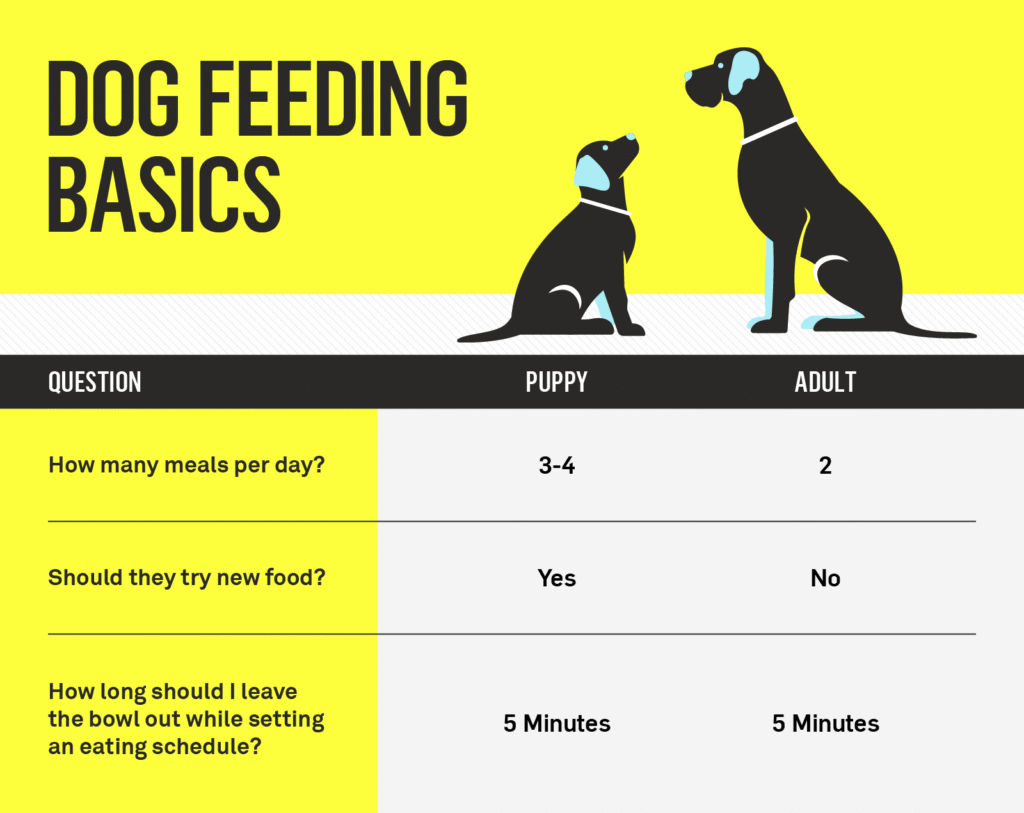
Adult dogs and puppies have different nutritional needs. Puppy food is designed to support growth and development. Adult dog food focuses on maintaining health and energy. Understanding these differences helps you choose the right food for your dog.
Calorie Content Comparison
Puppy food has more calories per serving. Growing dogs need extra energy for their rapid growth. Adult dogs require fewer calories to prevent weight gain. Feeding adult dogs high-calorie puppy food may cause obesity. Proper calorie balance supports a healthy weight and activity level.
Protein And Fat Levels
Puppy food contains higher protein and fat amounts. These nutrients fuel muscle growth and brain development. Adult dog food has moderate protein and fat levels. Excess fat in adult dogs can lead to health problems. Balanced protein and fat keep adult dogs fit and strong.
Vitamin And Mineral Variations
Puppy food includes extra vitamins and minerals. Calcium and phosphorus support strong bones and teeth. Adult dog food adjusts minerals for maintenance, not growth. Too much calcium can harm adult dogs’ kidneys. Choosing the right formula ensures proper nutrient intake for your dog’s stage of life.
Credit: www.gallant.com
Suitability For Adult Dogs
Adult dogs have different nutritional needs than puppies. Puppy food is made to support rapid growth. This means it has more calories, fats, and proteins. These extra nutrients can be too much for adult dogs. Understanding how suitable puppy food is for adult dogs helps you make better feeding choices.
Short-term Feeding Effects
Feeding puppy food to an adult dog for a short time usually causes no harm. The extra calories may give your dog more energy. Some dogs might gain weight if the food is too rich. Watch your dog’s behavior and appetite during this time.
Long-term Health Implications
Long-term feeding of puppy food to adult dogs can cause problems. High fat and calorie levels may lead to obesity. Obesity increases risks of diabetes and joint issues. Balanced nutrition is important for maintaining adult dogs’ health.
Potential Digestive Issues
Puppy food can upset an adult dog’s stomach. Too much rich food may cause diarrhea or vomiting. Some dogs may have trouble digesting the extra protein and fat. Gradual changes in diet help prevent digestive problems.
Benefits Of Puppy Food
Puppy food offers special benefits beyond regular adult dog food. It is made to support growing bodies and active minds. Some dog owners wonder if adult dogs can gain from puppy food. Understanding these benefits helps decide the best diet for your dog.
Puppy food contains nutrients that support growth, meet high energy needs, and boost the immune system. These advantages can help certain adult dogs, especially those with specific health or activity levels.
Growth Support
Puppy food has extra protein and fat. These nutrients help build muscles and keep bones strong. Adult dogs may benefit if they are still growing or recovering from illness. The extra nourishment supports healthy body repair and maintenance.
Energy Requirements
Puppy food provides more calories than adult dog food. Active adult dogs or those with high energy needs can get the fuel they need. This food helps maintain stamina and vitality during play or work. It is useful for very active or working dogs.
Immune System Boost
Puppy food includes vitamins and minerals that strengthen the immune system. A strong immune system helps fight infections and illnesses. Adult dogs with weak immunity or health challenges may benefit from these extra nutrients. It supports overall health and wellness.
Risks Of Feeding Puppy Food To Adults
Feeding puppy food to adult dogs may seem harmless at first. Puppy food has extra calories and nutrients to support growth. Adult dogs do not need this much energy or certain nutrients. Giving them puppy food regularly can cause health problems. Understanding the risks helps you make better food choices for your dog.
Weight Gain Concerns
Puppy food is higher in calories than adult dog food. Adult dogs eating puppy food may gain weight quickly. Extra weight puts stress on joints and organs. Obesity can lead to heart disease and diabetes. Overfeeding can shorten your dog’s lifespan.
Nutrient Imbalance
Puppy food has more protein, fat, and calcium than adult food. Adult dogs need a balanced diet, not excess nutrients. Too much calcium can cause bone problems in grown dogs. High protein and fat may upset digestion or cause stomach issues. Nutrient imbalance may lead to long-term health concerns.
Possible Allergic Reactions
Some adult dogs have food sensitivities or allergies. Puppy food formulas differ from adult dog food ingredients. New ingredients can trigger allergic reactions like itching or vomiting. Watch for signs such as skin irritation or digestive upset. Allergies reduce your dog’s comfort and wellbeing.
When Puppy Food Might Be Appropriate
Puppy food is made to support growth and high energy needs. Adult dogs usually do not need this extra nutrition. Still, some adult dogs may benefit from puppy food for a short time. This section explains when puppy food might be right for your adult dog.
Pregnant Or Nursing Dogs
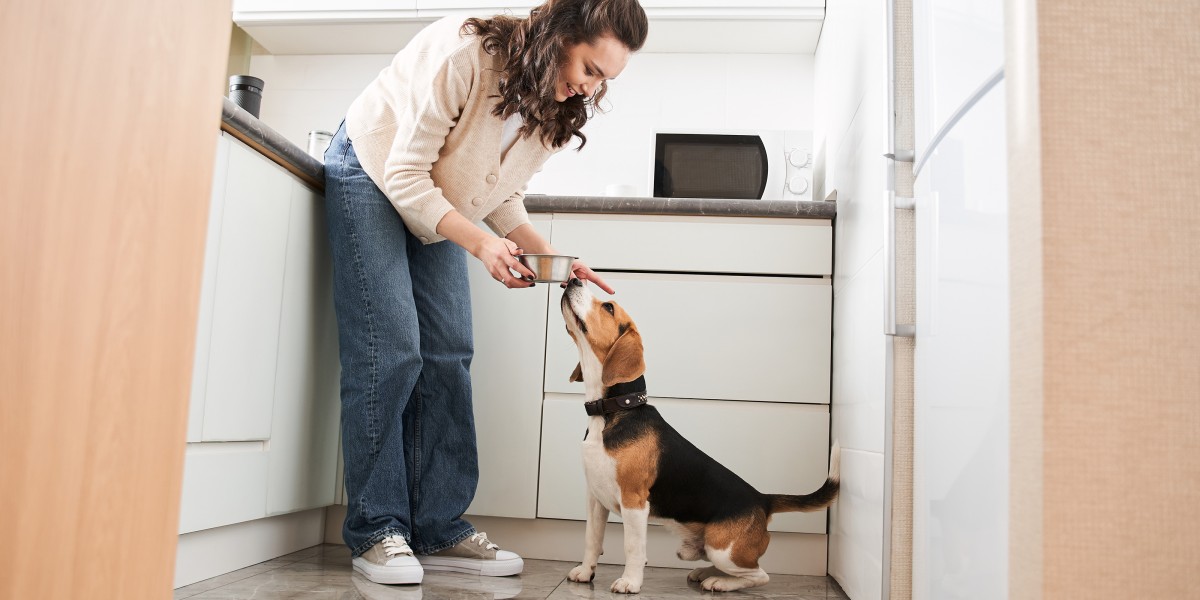
Pregnant or nursing dogs have higher energy needs. Puppy food has more calories and nutrients to support them. Feeding puppy food helps keep both mother and puppies healthy. It provides extra protein, fat, and vitamins they need during this time.
Recovering From Illness
Dogs recovering from illness need more nutrition to heal. Puppy food can offer extra calories and nutrients for recovery. It helps rebuild strength and supports the immune system. Feeding puppy food may help your dog bounce back faster.
Senior Dogs With Special Needs
Some older dogs struggle to keep weight or muscle. Puppy food’s rich formula can help maintain their body condition. It supplies extra protein and energy for aging dogs. Consult your vet before changing your senior dog’s diet to puppy food.
Credit: www.purina.com
Transitioning Between Foods
Changing your dog’s food needs care and patience. Sudden switches can upset your dog’s stomach. A smooth change helps your dog adjust easily. Watch your dog closely during this time. Small steps make a big difference for your dog’s health.
Gradual Switching Tips
Start by mixing a small amount of new food with the old. Increase the new food amount over seven to ten days. Keep the total food portion the same. This slow change helps avoid stomach problems. Always offer fresh water during the transition.
Monitoring Your Dog’s Response
Look for signs like vomiting, diarrhea, or loss of appetite. Check if your dog seems less active or uncomfortable. Note any changes in stool consistency or frequency. If problems appear, slow down the transition. Adjust the food mix to help your dog feel better.
Consulting Your Veterinarian
Your vet knows your dog’s health history best. Ask for advice before switching foods. Share any concerns about allergies or dietary needs. Follow the vet’s guidance for safe food changes. Regular check-ups help keep your dog healthy during transitions.
Choosing The Right Adult Dog Food
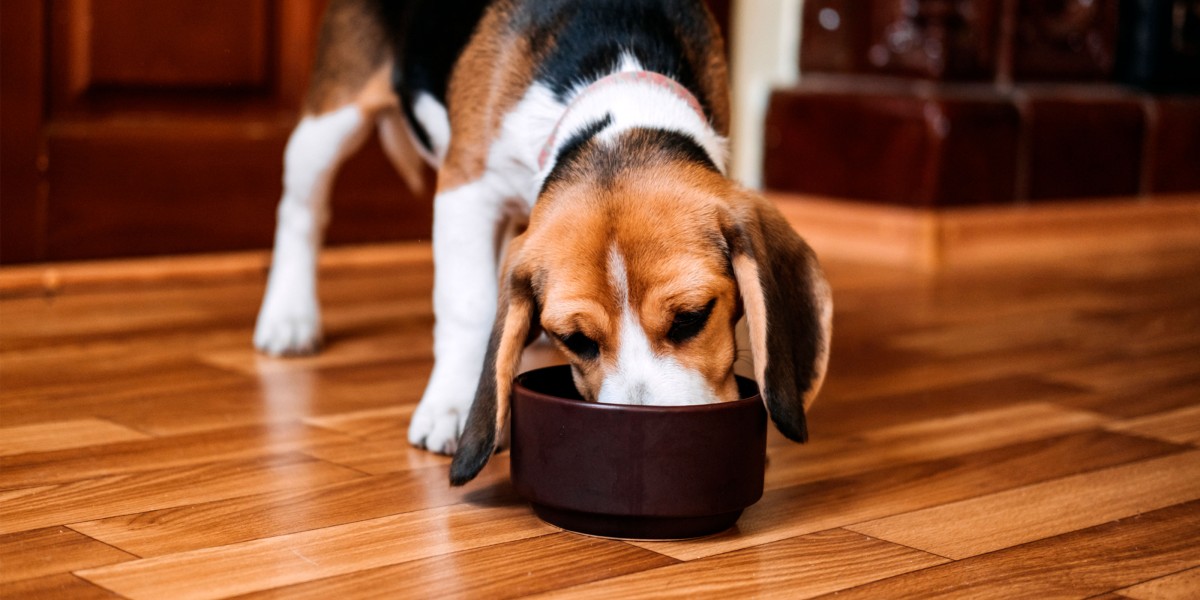
Feeding your adult dog the right food is very important for their health. Adult dogs need different nutrients than puppies. Puppy food has extra calories and nutrients that adult dogs do not need. Choosing food made just for adult dogs helps keep them strong and active.
Adult dog food supports their energy, muscle health, and digestion. You must understand what to look for on the label. Also, consider your dog’s breed and size. This helps select the best food for their needs.
Key Nutrients To Look For
Adult dog food should have balanced protein, fat, and fiber. Protein helps keep muscles strong. Fats provide energy and healthy skin. Fiber helps with digestion. Vitamins and minerals support the immune system. Look for foods with omega-3 and omega-6 fatty acids. These keep coat shiny and joints healthy.
Reading Food Labels
Check the ingredient list for quality meat sources at the top. Avoid foods with too many fillers like corn or wheat. Look for named meats like chicken or beef. Check the guaranteed analysis for protein and fat levels. Compare these numbers to your dog’s needs. Watch for artificial colors or preservatives. Natural ingredients are better for your dog’s health.
Considerations For Different Breeds
Small breeds need food with more calories in smaller portions. Large breeds need food that supports joint health. Some breeds have sensitive stomachs and need special formulas. Older dogs may need food with fewer calories but more fiber. Talk to your vet about your dog’s breed needs. Choose food that fits their lifestyle and health.
Credit: www.purina.com
Frequently Asked Questions
Can Adult Dogs Eat Puppy Food Safely?
Adult dogs can eat puppy food occasionally but it’s not ideal long-term. Puppy food has extra calories and nutrients for growth. Feeding it regularly to adults may cause weight gain and digestive issues. Choose age-appropriate food for balanced nutrition.
What Are The Risks Of Feeding Puppy Food To Adults?
Feeding puppy food to adult dogs can lead to obesity and nutrient imbalance. Puppy food is richer in fat and protein, which can strain adult dogs’ kidneys. Long-term use may cause digestive upset or health problems.
How To Transition An Adult Dog From Puppy Food?
Gradually mix adult dog food with puppy food over 7-10 days. Slowly increase adult food proportion to avoid stomach upset. Monitor your dog’s weight and energy during the transition.
Is Puppy Food More Expensive Than Adult Dog Food?
Yes, puppy food tends to be more expensive because it contains premium nutrients. Investing in age-appropriate food is better for your dog’s health and budget in the long run.
Conclusion
Feeding adult dogs puppy food occasionally is not harmful. Puppy food has extra nutrients for growth, which adults may not need. Long-term use can cause weight gain or digestive issues. Always check with your vet before changing your dog’s diet.
Balanced nutrition suits your dog’s age and health best. Watch your dog’s reaction to new food closely. Healthy choices keep your dog happy and active. Choose the right food for your dog’s life stage. Simple care goes a long way in keeping pets well.


