

Have you ever wondered what happens if your adult dog eats puppy food? It might seem harmless at first, but could it affect your dog’s health?
Understanding the difference between puppy and adult dog food is key to keeping your furry friend happy and healthy. Keep reading to find out what you need to watch for, and how to make sure your dog’s diet is just right.
Your dog depends on you, and knowing the facts can make all the difference.
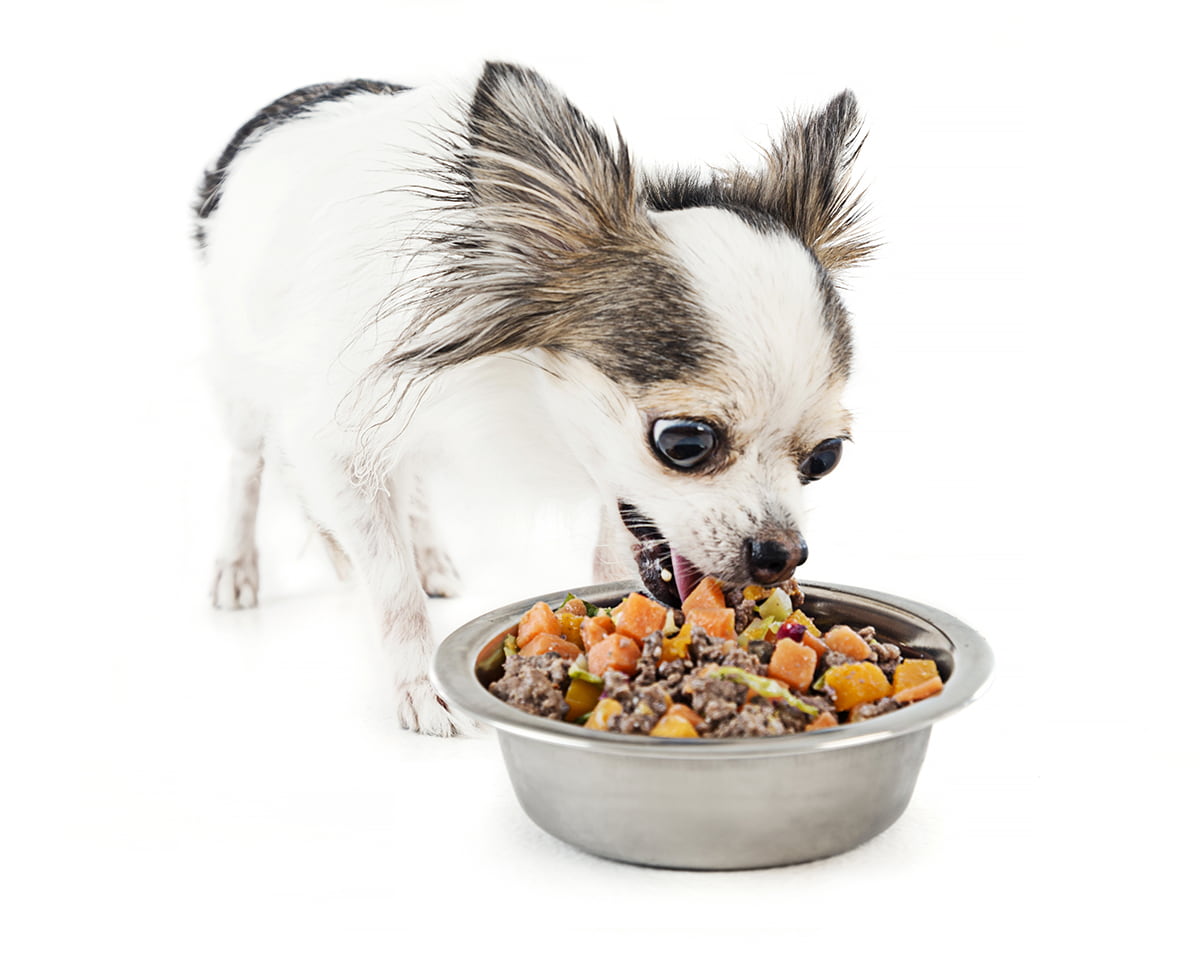
Credit: blog.justfoodfordogs.com
Differences Between Puppy And Adult Dog Food
Understanding the differences between puppy and adult dog food is important for proper pet care. Puppy food is specially made to support growth and development. Adult dog food focuses on maintaining health and energy. Feeding the wrong type can affect your dog’s health.
Nutritional Needs Of Puppies
Puppies need more calories than adult dogs. Their food has extra protein and fat to help muscles and bones grow. Puppies also require higher levels of vitamins and minerals. These nutrients support brain development and strong immunity. Puppy food is softer and easier to chew for young teeth.
Adult Dog Dietary Requirements
Adult dogs need fewer calories to avoid weight gain. Their food has balanced protein and fat for energy and body maintenance. Adult dog diets include fiber to aid digestion. They also contain nutrients to support joint health and a strong immune system. Texture is firmer to suit adult teeth.
Key Ingredient Variations
Puppy food uses ingredients that promote fast growth. It has more meat, fat, and vitamins like calcium. Adult dog food uses ingredients to keep weight steady. It may include ingredients for skin and coat health. The formulas differ to meet specific life stage needs.
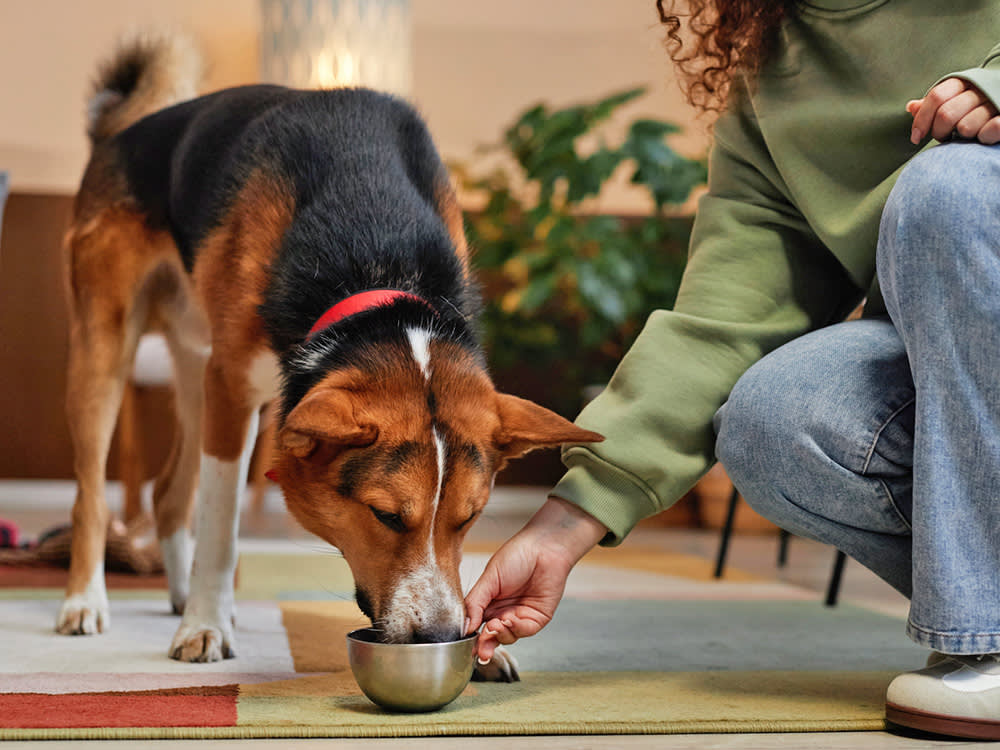
Credit: www.kinship.com
Potential Risks Of Adult Dogs Eating Puppy Food
Adult dogs eating puppy food may face certain health risks. Puppy food is made for growing dogs. It has more calories and nutrients than adult dog food. These extra nutrients can cause problems for adult dogs. Understanding these risks helps keep your dog healthy and happy.
Digestive Upset
Puppy food is richer and harder to digest. Adult dogs may get stomach pain or diarrhea. Their digestive system is not used to this food. Vomiting can also happen. This discomfort makes your dog feel unwell.
Weight Gain And Obesity
Puppy food has more calories than adult dogs need. Eating it regularly can cause weight gain. Extra weight leads to obesity. Obesity can cause joint pain and tiredness. It also increases the risk of serious diseases.
Nutrient Imbalance
Puppy food has more protein and fat. Adult dogs do not need such high levels. Too much protein or fat may harm organs. It can cause kidney or liver stress. Balanced nutrients keep your dog healthy.
Long-term Health Concerns
Feeding puppy food to adult dogs over time can cause problems. Heart and kidney health may be affected. Obesity-related diseases can develop. Long-term nutrient imbalance affects energy and lifespan. Proper diet supports a strong, healthy dog.
Signs To Watch After Eating Puppy Food
After an adult dog eats puppy food, certain signs might appear. These signs help you know if your dog is okay or needs help. Watch closely for changes in your dog’s body and behavior. Early detection can prevent health problems.
Physical Symptoms
Look for upset stomach or vomiting. Diarrhea may also occur. Your dog might seem tired or weak. Sometimes, they may have a swollen belly. Check for any unusual drooling or coughing. These signs show your dog’s body reacting to the food.
Behavioral Changes
Your dog might act restless or anxious. It could refuse to eat or drink water. Some dogs may become clingy or hide more. Watch for signs of discomfort or pain. Changes in sleep patterns can also happen. These behaviors show your dog is not feeling well.
When To Seek Veterinary Help
Contact a vet if vomiting lasts more than 24 hours. Severe diarrhea or blood in stool needs urgent care. If your dog stops drinking water, see a vet fast. Difficulty breathing or swelling is an emergency. Do not wait if your dog shows weakness or collapse. Quick action can save your dog’s health.
Immediate Steps To Take If Adult Dog Eats Puppy Food
Discovering your adult dog has eaten puppy food can cause worry. Puppy food has higher calories and nutrients meant for growing dogs. Taking quick and proper steps helps keep your dog safe and healthy. Act calmly and observe your dog’s behavior closely.
Monitoring Your Dog
Watch your dog carefully for any changes. Check for vomiting, diarrhea, or unusual tiredness. Note if your dog shows signs of discomfort or pain. Keep an eye on their energy and bathroom habits. Contact your vet if symptoms last more than a day.
Hydration And Diet Adjustments
Provide fresh water at all times to prevent dehydration. Offer smaller, lighter meals for the next day or two. Avoid giving any treats or extra food during this time. Help your dog’s stomach adjust back to their regular diet slowly.
Avoiding Overfeeding
Do not feed your dog extra food to “balance” the puppy food. Extra calories can cause weight gain and digestive upset. Stick to the normal portion size for adult dogs. Keep feeding times consistent to avoid confusion and overeating.
Preventing Access To Puppy Food
Preventing access to puppy food is important for your adult dog’s health. Puppy food has more calories and nutrients meant for growing pups. Adult dogs eating puppy food often can gain weight or have stomach issues. Keep puppy food away from adult dogs to avoid these problems.
Safe Storage Solutions
Store puppy food in containers with tight lids. Use cabinets or shelves that adult dogs cannot reach. Keep food in high places or locked areas. These steps stop adult dogs from eating puppy food by mistake.
Training And Supervision
Train your adult dog to avoid the puppy’s food bowl. Use commands like “leave it” and reward good behavior. Watch your dogs during feeding times. Close supervision helps stop unwanted eating habits early.
Separate Feeding Areas
Feed your puppy and adult dog in different rooms or spaces. Separate areas reduce food guarding and confusion. It also helps each dog eat the right food without stress. Keep feeding times consistent to build routine.

Credit: firstfilbio.com
Choosing The Right Food For Your Dog
Choosing the right food for your dog is important for their health and happiness. Dogs have different needs depending on their age, size, and health. Feeding your adult dog puppy food is not always the best choice. It can cause extra calories and nutrients that your dog does not need. Knowing how to pick the right food keeps your dog strong and energetic.
Consulting Your Veterinarian
Your veterinarian knows your dog’s health best. They can recommend the best food for your dog’s age and condition. Regular check-ups help spot any health issues early. Ask your vet about any special diets or allergies your dog might have.
Reading Pet Food Labels
Pet food labels show what is inside the bag or can. Look for the main ingredients and nutrients listed. Choose foods with real meat as the first ingredient. Avoid foods with too many fillers or artificial additives. Check for the AAFCO statement to ensure the food meets dog nutrition standards.
Considering Life Stage And Health
Dogs need different nutrients at different life stages. Puppies need more protein and fat for growth. Adult dogs need balanced food to maintain health. Senior dogs may need food that supports joints and digestion. Health problems like allergies or weight issues need special diets.
Frequently Asked Questions
Can Adult Dogs Safely Eat Puppy Food Occasionally?
Yes, adult dogs can eat puppy food occasionally without harm. However, it lacks balanced nutrients for adult needs and may cause digestive upset if fed regularly.
What Happens If An Adult Dog Eats Puppy Food Daily?
Feeding puppy food daily to an adult dog can cause weight gain and nutrient imbalance. Puppy food is richer in calories and protein, which may harm adult dogs long-term.
Is Puppy Food Better For Small Adult Dogs?
Puppy food is not ideal for small adult dogs. Their nutritional needs differ, and puppy food’s extra calories and fats can lead to obesity and health issues.
How To Transition An Adult Dog From Puppy Food?
Switch gradually over 7-10 days by mixing increasing amounts of adult food with puppy food. This helps prevent digestive problems and allows adjustment to new nutrients.
Conclusion
Adult dogs eating puppy food once in a while usually causes no harm. Puppy food has more calories and nutrients for growing dogs. Feeding it often may lead to weight gain or upset stomach. Watch your dog for any signs of discomfort or changes in behavior.
Always provide the right food to meet your dog’s age needs. Consult your vet if you notice any problems. Keeping a balanced diet helps your dog stay healthy and happy. A little care goes a long way in your dog’s well-being.


