

Have you ever wondered if it’s okay for your adult dog to eat puppy food? You might think it’s harmless or even a treat, but the truth could surprise you.
What your dog eats matters more than you realize, and feeding the wrong food can affect their health and energy. If you want to keep your furry friend happy and thriving, understanding the difference between puppy and adult dog food is key.
Keep reading to find out why giving your adult dog puppy food might not be the best idea—and what you should do instead.
Nutritional Differences
Adult dogs and puppies have different dietary needs. Puppy food is made to support fast growth and high energy. Adult dog food focuses on maintaining health and weight. Understanding these nutritional differences helps decide what food suits your dog best.
Calorie Content
Puppy food has more calories than adult dog food. Puppies need extra energy for growing bones and muscles. Adult dogs need fewer calories to avoid gaining weight. Feeding adult dogs puppy food can cause weight problems.
Protein And Fat Levels
Puppy food contains higher protein and fat levels. These nutrients support muscle growth and brain development. Adult dogs require moderate protein and fat to stay healthy. Too much protein or fat can upset an adult dog’s digestion.
Vitamin And Mineral Balance
Puppy food has different vitamin and mineral amounts. It contains more calcium and phosphorus for strong bones. Adult food balances vitamins for maintenance, not growth. Feeding adult dogs puppy food can lead to mineral imbalances.
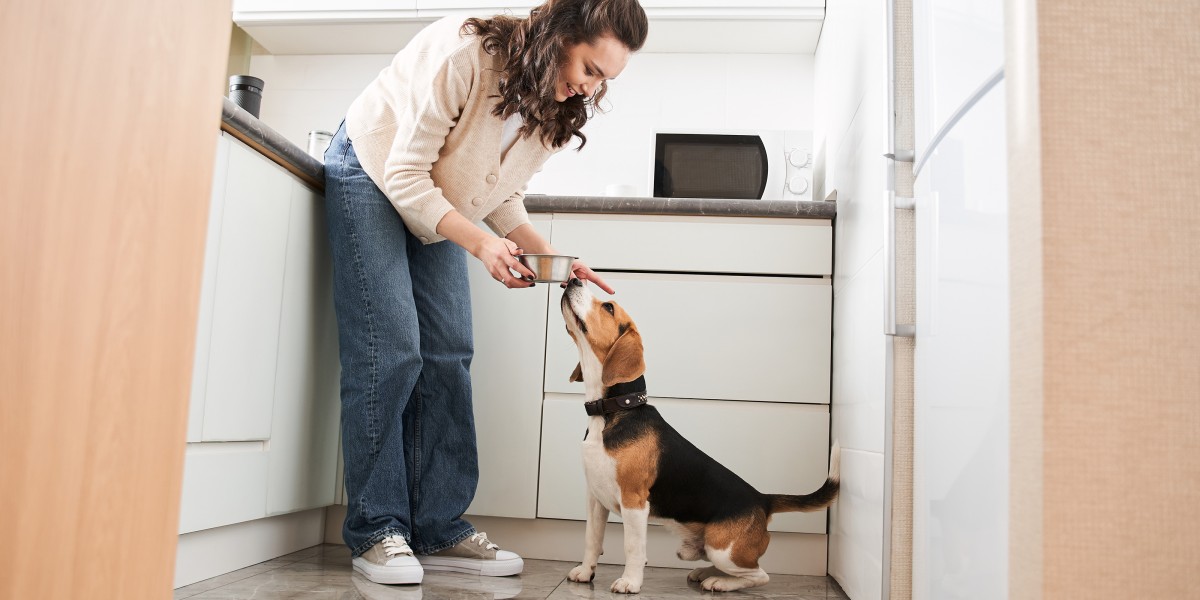
Credit: www.purina.com
Potential Risks For Adults
Adult dogs need a different diet than puppies. Puppy food is rich in calories and nutrients to help young dogs grow. Feeding adult dogs with puppy food can cause problems. The extra nutrients can lead to unwanted health issues. Understanding the risks helps you make better choices for your dog’s health.
Weight Gain Concerns
Puppy food has more calories than adult dog food. Adult dogs eating puppy food may gain extra weight. Too many calories can cause obesity. Obesity can lead to joint problems and low energy. Keeping your dog at a healthy weight is very important.
Digestive Issues
Puppy food has more fat and protein than adult food. Adult dogs may find it hard to digest this rich diet. This can cause stomach upset, diarrhea, or vomiting. Sensitive stomachs may react worse to puppy food. A balanced diet made for adults supports better digestion.
Long-term Health Effects
Continued feeding of puppy food to adult dogs can harm their health. Extra nutrients can stress the kidneys and liver over time. Long-term obesity increases the risk of heart disease and diabetes. Feeding the right food helps your dog live longer. Proper nutrition is key to long-term well-being.
When Puppy Food Might Be Suitable
Puppy food has a different formula than adult dog food. It contains more protein, fat, and calories to support growth. Adult dogs usually do not need this extra nutrition. But some situations call for puppy food for adults. These cases include special health needs or high energy use. Understanding these moments helps you decide if puppy food is right.
Growth Recovery
Adult dogs recovering from illness or surgery need extra nutrients. Puppy food can support healing with its rich ingredients. The added calories help rebuild strength faster. It provides important vitamins and minerals for cell repair. Feeding puppy food during recovery can boost the healing process safely.
High Energy Needs
Some adult dogs burn more calories than usual. Working dogs, athletes, or very active pets need more fuel. Puppy food offers higher energy levels in each bite. This helps maintain their weight and stamina. It prevents fatigue and keeps them lively throughout the day.
Veterinary Recommendations
Veterinarians sometimes suggest puppy food for adult dogs. Certain health conditions require richer diets. Your vet knows your dog’s needs best. Follow their advice to ensure your dog stays healthy. Using puppy food under vet guidance is safe and effective.
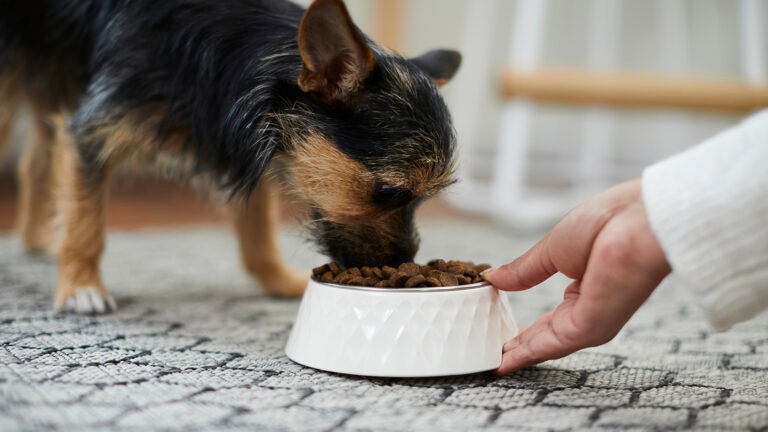
Credit: www.chewy.com
Choosing The Right Food
Choosing the right food for your dog is important for their health. Dogs need different nutrients at different life stages. Feeding the correct food helps keep them active and strong. Adult dogs have different needs than puppies. Selecting the right food means understanding labels, formulas, and expert advice.
Reading Labels
Check the ingredients list carefully. Look for high-quality proteins like chicken or beef. Avoid foods with too many fillers like corn or wheat. Notice the guaranteed analysis for protein, fat, and fiber percentages. These numbers show if the food meets your dog’s needs. Labels also reveal added vitamins and minerals. Understanding labels helps pick a balanced diet for your dog.
Age-appropriate Formulas
Puppy food contains more calories and nutrients for growth. Adult dog food has fewer calories to prevent weight gain. Feeding puppy food to adult dogs can cause obesity. Adult formulas focus on maintaining health and energy. Choose food marked for your dog’s current age. This ensures they get the right nutrients without extra calories.
Consulting Professionals
Veterinarians provide advice tailored to your dog’s health. They help choose food that fits your dog’s breed and size. A vet can spot health issues from diet problems early. Pet nutritionists offer detailed diet plans for special needs. Talking to experts helps avoid mistakes in feeding your dog.
Alternatives To Puppy Food
Finding the right food for adult dogs is important for their health. Puppy food has extra nutrients meant for growing dogs. Adult dogs do not need these high levels every day. Choosing the right alternatives helps keep your dog fit and happy. Here are some good options to consider.
Adult Dog Food Options
Adult dog food has the right balance of nutrients. It supports healthy bones and muscles without extra calories. Many brands offer formulas for different sizes and activity levels. Dry kibble, canned food, and grain-free options are available. Select foods with quality protein and fewer fillers. This helps maintain your dog’s ideal weight.
Homemade Diets
Some owners prefer making food at home for their dogs. Homemade diets allow control over ingredients and freshness. Cooked meats, vegetables, and grains can be combined carefully. It is important to follow recipes designed by pet nutrition experts. This ensures your dog gets all needed vitamins and minerals. Avoid harmful foods like onions, garlic, and chocolate.
Supplement Considerations
Supplements may help fill nutrition gaps in your dog’s diet. Omega-3 fatty acids support coat and joint health. Probiotics can improve digestion and immune function. Always check with a vet before adding supplements. Some may interact with medications or cause problems. Use supplements only if your dog’s food lacks key nutrients.

Credit: blog.thepetstable.com
Frequently Asked Questions
Is Puppy Food Safe For Adult Dogs To Eat?
Puppy food is safe but not ideal for adult dogs. It contains higher calories and nutrients designed for growth, which may cause weight gain in adults if fed regularly.
What Happens If Adult Dogs Eat Puppy Food Often?
Regular consumption of puppy food by adult dogs can lead to obesity and digestive issues. The excess nutrients can strain their organs and disrupt balanced nutrition.
Can Adult Dogs Digest Puppy Food Properly?
Adult dogs can digest puppy food, but the nutrient balance is not tailored for their maintenance needs. This mismatch can affect their overall health over time.
Should Adult Dogs Switch From Puppy To Adult Food?
Yes, adult dogs should switch to adult dog food. It provides the right nutrient levels for maintenance, helping to maintain a healthy weight and support longevity.
Conclusion
Adult dogs should eat food made for their age and size. Puppy food has more calories and nutrients than adults need. Feeding adult dogs puppy food often can cause weight gain. It may also lead to stomach problems or nutrient imbalance.
Choose dog food that fits your dog’s life stage. Watch your dog’s health and energy levels carefully. Ask your vet if you are unsure about the best diet. Healthy food supports a happy, active dog for years. Keep your dog’s meals right for their best life.


