
Are you wondering when your male dog is ready to start breeding? Knowing the right time is crucial for his health and the well-being of future puppies.
If you breed too early, your dog might face problems; wait too long, and you could miss the best opportunity. You’ll discover the key signs to look for, the ideal age to begin, and important tips to ensure your dog’s breeding is safe and successful.
Keep reading to make the best choices for your furry friend and his future family.

Credit: www.wisconsindesignerdoodles.com
Male Dog Maturity Timeline
The male dog maturity timeline shows when a dog is ready to breed. This timeline varies by breed and size. Understanding this helps owners care for dogs properly. It also ensures breeding happens at the right time. Knowing the stages of physical and behavioral growth is important. These signs tell if a male dog is ready to mate.
Physical Development Stages
Male dogs grow quickly during the first year. Their testicles drop around six to nine months. This is a key sign of maturity. Muscle and bone growth continue beyond one year. Larger breeds mature slower than smaller breeds. By 12 to 18 months, most male dogs reach physical maturity. Their reproductive organs are fully developed by then.
Behavioral Changes Signaling Readiness
Behavior changes show when a male dog is ready to breed. Marking territory with urine increases. The dog may become more restless or aggressive. Interest in female dogs also grows. Mounting behavior often begins around six months. These signs mean the dog is approaching sexual maturity. Careful monitoring helps decide the best breeding time.
Ideal Breeding Age
Knowing the ideal breeding age for male dogs is important for healthy puppies. Breeding too early can cause health problems. Waiting too long may reduce fertility. Finding the right time helps ensure strong puppies and a healthy father dog.
Minimum Age Requirements
Male dogs reach sexual maturity around six to twelve months old. Still, experts advise waiting until they are fully grown. Usually, this means at least one year old. By this time, the dog is stronger and ready to breed safely. Breeding before this age can lead to weak puppies or health risks for the male dog.
Breed-specific Variations
Different dog breeds mature at different rates. Small breeds often mature faster than large breeds. A Chihuahua may be ready closer to six months. A Great Dane might need to wait up to two years. Always consider your dog’s breed before starting breeding. This helps avoid problems and supports healthy offspring.
Health Checks Before Breeding
Before breeding male dogs, health checks are very important. These checks help ensure the dog is fit and healthy. They also reduce the risk of passing health problems to puppies. Responsible breeding starts with good health screening.
Genetic Screening
Genetic screening tests check for inherited diseases. Many dog breeds have specific genetic issues. Testing helps identify these problems early. Breeders can avoid mating dogs with harmful genes. This protects future puppies from genetic disorders. It also supports better breed health over time.
Veterinary Health Assessment
A full veterinary checkup is essential before breeding. The vet checks the dog’s overall health and fitness. They look at the heart, eyes, and joints. Vaccinations and parasite control must be up to date. The vet also reviews the dog’s reproductive system. This step confirms the dog can safely breed.
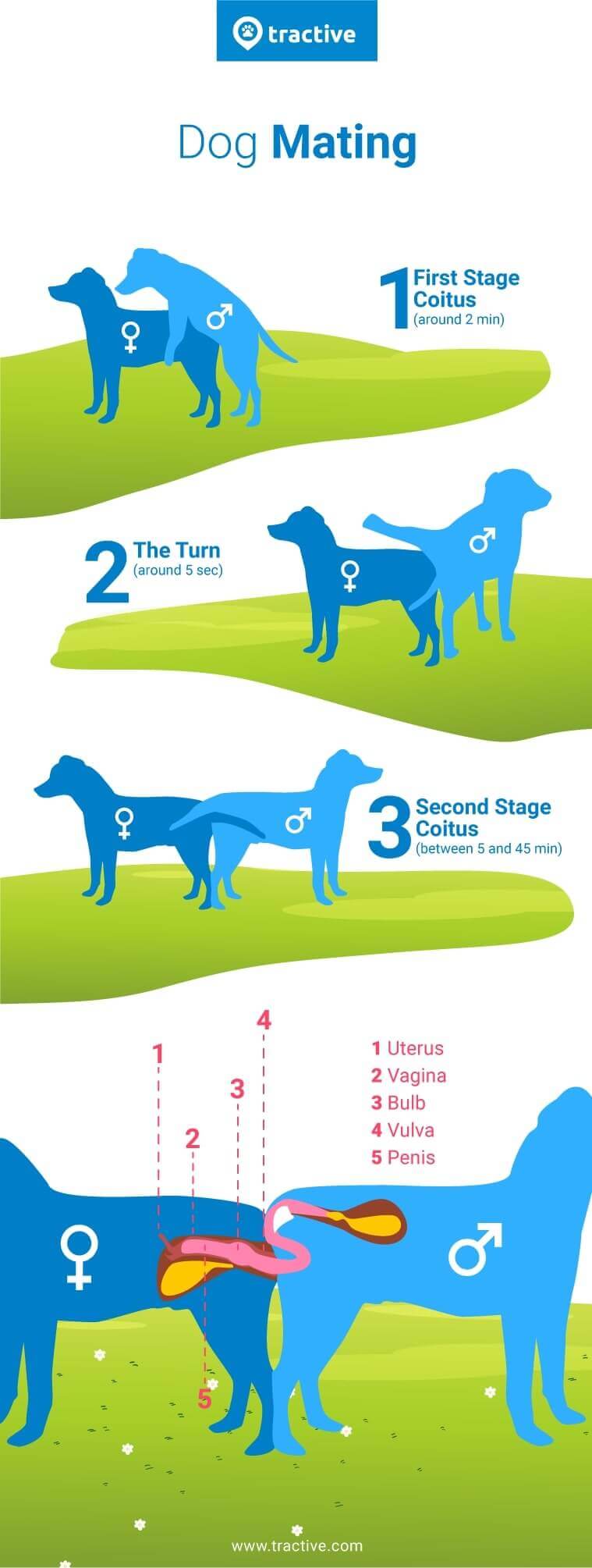
Credit: tractive.com
Breeding Frequency And Limits
Knowing how often male dogs should breed is very important. It keeps them healthy and happy. Overbreeding can cause serious health problems. Setting clear limits helps maintain the dog’s strength and vitality.
Recommended Breeding Intervals
Male dogs need rest between breeding sessions. A gap of at least two weeks is best. This time lets the dog recover fully. Breeding too often lowers sperm quality. Quality matters for healthy puppies and the dog’s well-being.
Some experts suggest no more than five breedings per season. Seasons usually last about six months. This limit prevents exhaustion and stress. Each dog is different, so watch for signs of tiredness.
Avoiding Overbreeding Risks
Breeding too often harms the male dog’s health. It can cause fatigue and lower fertility. Stress from constant breeding weakens the immune system. This can lead to infections and injuries.
Overbreeding also affects behavior. Dogs may become irritable or anxious. Careful planning of breeding schedules prevents these problems. Always consult a vet for advice on safe limits.
Signs Of Fertility In Male Dogs
Male dogs show clear signs when they are ready to breed. These signs help owners know if a dog can father puppies. Recognizing these signs is important for healthy breeding. Fertility in male dogs depends on physical and behavioral changes. These changes usually happen as the dog matures. Understanding these signs helps in planning breeding at the right time.
Semen Quality Indicators
Semen quality is a key sign of fertility in male dogs. Healthy semen contains many moving sperm. Sperm should be fast and active. Low sperm count or weak movement means low fertility. The semen should look thick and white. Clear or watery semen may indicate problems. A vet can check semen quality with tests. Regular checks help ensure good breeding health.
Behavioral Signs
Behavior changes also show fertility in male dogs. Fertile males often mark territory with urine. They may try to mount other dogs or objects. Increased interest in female dogs is common. Some dogs become more restless or excited. These behaviors start as hormone levels rise. Paying attention to these signs helps know when a male is ready to breed.
Nutrition And Care For Breeding Dogs
Nutrition and care play a big role in the health of breeding male dogs. Proper food and rest support strong sperm and overall wellbeing. Good care helps keep dogs ready and healthy for breeding.
Dietary Needs
Breeding male dogs need a diet full of protein and fats. These nutrients build strong muscles and energy. Include high-quality dog food made for active or working dogs. Vitamins like A, E, and zinc support reproductive health. Avoid feeding too many treats or low-quality food. Fresh water must always be available to keep dogs hydrated.
Exercise And Rest
Regular exercise keeps male dogs fit and active. Short walks and playtime help maintain muscle tone. Avoid over-exercising, which can cause fatigue and stress. Rest is equally important to recover energy. Provide a quiet, comfortable place for the dog to sleep. Good rest improves sperm quality and overall health.
Common Breeding Challenges
Breeding male dogs involves more than just timing. Many challenges can affect success. Understanding these common problems helps breeders prepare well. Addressing issues early improves chances for healthy puppies.
Infertility Causes
Infertility in male dogs can result from many factors. Age plays a key role; young dogs may not be ready. Older dogs might have reduced fertility. Health issues like infections can lower sperm quality. Poor diet and lack of exercise also affect fertility. Stress and environmental factors may reduce mating success. Regular vet check-ups help identify problems early.
Managing Aggression
Aggression can cause trouble during breeding. Some male dogs may become too rough with females. This behavior can scare or hurt the female. Training and socialization reduce aggressive actions. Calm handling before breeding sessions helps. Using a calm, confident approach creates trust. Sometimes professional help is needed to control aggression.

Credit: ourpetshealth.com
Legal And Ethical Considerations
Breeding male dogs involves more than just biology. Legal and ethical rules guide breeders to protect animals and buyers. These rules help ensure dogs are healthy and treated well. Understanding these rules is important before starting breeding.
Breeding Regulations
Many places have laws about dog breeding. These rules control when and how dogs can breed. Some areas require breeders to get licenses. Others limit the number of litters a dog can have. These laws help stop overbreeding and protect dog health. Breeders must follow these rules to avoid fines or legal trouble.
Responsible Breeding Practices
Good breeders focus on dog health and behavior. They choose males that are fully grown and healthy. Testing for genetic diseases is important. Breeding too early can harm the dog and puppies. Responsible breeders provide good care before, during, and after breeding. They also find safe homes for puppies. This approach improves dog welfare and breed quality.
Frequently Asked Questions
When Is The Best Age For Male Dogs To Breed?
Male dogs are typically ready to breed between 12 to 18 months old. Physical maturity and health are crucial for successful breeding.
Can Male Dogs Breed Before One Year Old?
Breeding before one year is not recommended. Young males may lack full physical maturity and can produce weaker offspring.
How Do I Know If My Male Dog Is Ready To Breed?
Signs include reaching sexual maturity, healthy weight, strong libido, and veterinary confirmation. A vet check ensures breeding readiness and health.
Does Breed Affect When Male Dogs Can Start Breeding?
Yes, larger breeds often mature later, around 18 to 24 months. Smaller breeds may be ready closer to 12 months.
Conclusion
Male dogs usually start breeding around one year old. Their bodies must fully grow first. Early breeding can cause health problems. Patience helps ensure strong, healthy puppies. Watch your dog’s behavior and health closely. Consult a vet before breeding your dog.
Responsible breeding leads to better results. Keep your dog safe and happy throughout. Breeding is a serious choice, so prepare well. Taking time now helps avoid trouble later.