

You want the best for your furry friend, and that includes giving them the right food at the right time. But how do you know when to switch from puppy to adult dog food?
Feeding your dog the wrong diet can affect their growth, energy, and overall health. If you’re unsure about the perfect moment to make this important change, you’re not alone. Keep reading to discover the signs to watch for and expert tips to help you make the switch smoothly, so your dog stays happy and healthy every step of the way.
Puppy Growth Stages
Puppy growth happens in clear stages. Each stage needs different care and nutrition. Feeding your puppy the right food at the right time supports healthy growth. This section explains the main puppy growth stages and what to expect in each.
Newborn To Weaning
At birth, puppies rely on their mother’s milk. It gives them all needed nutrients and antibodies. Newborns sleep and nurse most of the time. Around 3 to 4 weeks, puppies begin to try solid food. This slow change from milk to solid is called weaning. During weaning, soft puppy food helps their growing bodies.
Rapid Growth Phase
From about 6 weeks to 6 months, puppies grow very fast. Their bones, muscles, and organs develop quickly. They need high-energy food with more protein and fat. Puppy food formulas support this rapid growth. Feeding adult dog food too early can miss key nutrients. This phase requires careful feeding to avoid health problems later.
Maturing Period
Between 6 months and 12 months, puppies grow more slowly. Their bodies start to look like adult dogs. Energy needs decrease but balanced nutrition remains important. Large breeds may take longer to mature. At this stage, some owners begin mixing adult dog food with puppy food. Full switch to adult food usually happens by one year old, depending on breed and size.
Credit: www.purina.com
Differences Between Puppy And Adult Dog Food
Understanding the differences between puppy and adult dog food is key for your dog’s health. Puppies grow fast and need special care in their diet. Adult dogs have different needs to stay healthy and active. Choosing the right food helps them live a happy life.
Puppy food and adult dog food look similar but serve different purposes. Each type has unique qualities to match your dog’s age and growth stage. Knowing these differences helps you decide the best time to switch.
Nutritional Needs
Puppies need more protein to build strong muscles and bones. They also require extra vitamins and minerals to support quick growth. Adult dogs need balanced nutrients to maintain health but not to grow.
Too much protein for an adult dog can cause health problems. Puppy food has higher nutrient levels to support energy and development. Adult food focuses on maintaining weight and overall wellness.
Calorie Content
Puppies burn more calories because they are active and growing. Their food has more calories to meet this high energy demand. Adult dogs need fewer calories to avoid weight gain.
Feeding adult dogs puppy food can lead to obesity. Adult dog food has fewer calories to keep them fit. Matching calorie intake to your dog’s age helps prevent health issues.
Ingredient Variations
Puppy food often contains extra fats and DHA for brain development. It also includes antioxidants to support the immune system. Adult dog food focuses on ingredients for joint health and digestion.
Ingredients in adult food help maintain muscle tone and healthy skin. Puppy food is richer in nutrients that support rapid growth phases. Each formula matches the needs of your dog’s life stage.
Signs Your Puppy Is Ready
Knowing when to switch your puppy to adult dog food is important. Puppies grow fast and their nutritional needs change. Watching for certain signs helps you make the right choice. These signs show your puppy is ready for adult food.
Physical Indicators
Puppies grow bigger and their bodies change shape. Their puppy teeth start to fall out. New adult teeth come in. Their weight becomes more steady, not growing too fast. Coat texture may become thicker and shinier. These changes show your puppy is maturing.
Behavioral Changes
Your puppy may start to eat less often. They might seem less hyper and more calm. Interest in food can change as they grow. They begin to have longer rest times. These behaviors suggest their energy needs are shifting.
Health Considerations
Check your puppy’s health with your vet. Good digestion and firm stools are signs of readiness. Puppies with health issues might need special diets. Your vet can advise if adult food is safe now. Healthy puppies usually handle the switch well.
Breed And Size Influence
Breed and size play a big role in deciding when to switch from puppy to adult dog food. Different breeds grow at different speeds. Size also affects how fast your dog matures. Knowing this helps feed your dog properly at the right time.
Small Breeds
Small breed dogs grow quickly and reach maturity fast. They often switch to adult food between 9 and 12 months old. Their faster growth needs more calories early on. After this, adult food supports their steady energy needs.
Medium Breeds
Medium breeds grow at a moderate pace. They usually need puppy food for about 12 months. After this, their growth slows, and adult food suits their needs better. Feeding adult food too early can slow growth.
Large And Giant Breeds
Large and giant breeds grow slowly and take longer to mature. They may need puppy food for 12 to 18 months. Special large-breed puppy food helps control growth rate. Switching to adult food too soon can harm their bones and joints.
Recommended Switching Age
Knowing the right time to switch from puppy to adult dog food is important. It helps your dog grow healthy and strong. The recommended switching age depends on many factors. These include the breed, size, and health of your dog. Follow clear guidelines to make the change smooth and safe.
General Guidelines
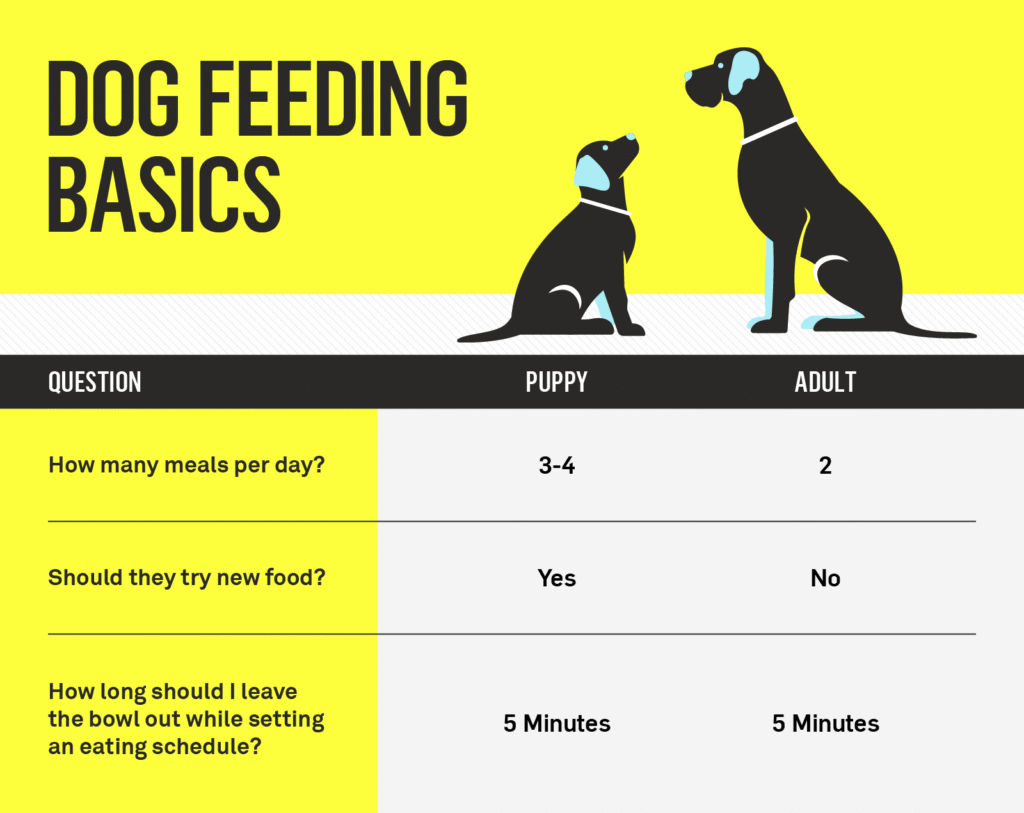
Most puppies switch to adult food between 9 and 12 months old. Small breeds usually change earlier, around 9 months. Large breeds may need to wait up to 12 months or more. Switching too early or too late can affect growth and health. Watch your puppy’s size and behavior to help decide.
Veterinarian Recommendations
Your vet knows your dog’s unique needs best. They can suggest the right time to switch foods. Vets consider breed, weight, and activity level. They check if your dog is ready for adult nutrition. Regular check-ups help track your dog’s growth and health.
Manufacturer Instructions
Dog food packages often show the recommended switching age. Follow these instructions carefully. Manufacturers test their formulas for specific age ranges. Using the right food helps meet your dog’s nutritional needs. Read labels to ensure you pick the correct food type.
Credit: www.gallant.com
Transitioning Smoothly
Changing your puppy’s food to adult dog food needs care. A smooth transition helps avoid stomach problems and keeps your dog happy. Take time and watch your dog closely during this change. Small steps make a big difference in how well your dog adjusts.
Gradual Food Mixing
Start by mixing a small amount of adult food with puppy food. Slowly increase the adult food over 7 to 10 days. This slow change helps your dog’s stomach get used to the new food. Sudden changes can cause upset stomach or diarrhea.
Monitoring Digestive Health
Watch your dog’s stool and behavior during the switch. Normal stool is firm and easy to pick up. Loose or smelly stool may mean the food change is too fast. Your dog might also show signs of discomfort or less energy. If problems continue, slow down the transition or ask a vet.
Adjusting Portion Sizes
Adult dog food has different calories than puppy food. Check feeding guidelines on the package for adult dogs. Adjust portions to keep your dog’s weight steady. Overfeeding can cause weight gain. Underfeeding can cause your dog to feel hungry or lose weight.
Common Mistakes To Avoid
Knowing when to switch from puppy to adult dog food is important. Many dog owners make mistakes during this change. These errors can upset your dog’s digestion and health. Avoiding common pitfalls helps your dog adjust smoothly to new food. This section explains key mistakes to watch out for.
Switching Too Early
Puppies need special nutrients to grow strong. Switching to adult food too soon can cause nutrient gaps. This may stunt growth or cause health problems. Wait until your puppy reaches the right age or size before switching. Consult your vet if unsure.
Abrupt Changes
Sudden food changes can upset your dog’s stomach. It may lead to vomiting or diarrhea. Gradually mix adult food with puppy food over 7 to 10 days. This helps your dog’s digestive system adjust gently. Slow transitions reduce stress and improve acceptance.
Ignoring Individual Needs
Every dog is different. Some may need more calories or special diets. Ignore general guidelines and watch your dog’s weight and energy. Adjust food type or amount based on your dog’s health and activity. Always consider your dog’s unique needs for best results.

Credit: www.reddit.com
Special Considerations
Switching from puppy to adult dog food requires special attention. Every dog grows at a different pace. Some need extra care during this change. Understanding these special needs helps keep your dog healthy and happy.
Puppies With Health Issues
Some puppies have health problems. These dogs may need specific diets. Speak with your vet before changing their food. Special diets can help manage allergies or digestive troubles. Careful food choices support their growth and well-being.
Performance And Activity Level
Active dogs burn more energy. Working dogs or very playful pups need more nutrients. Their food should match their activity level. Less active dogs need fewer calories. Adjusting food helps maintain a healthy weight and energy balance.
Supplementing The Diet
Sometimes, extra vitamins or minerals are needed. Supplements can fill nutritional gaps in food. Consult your vet before adding supplements. Overdoing it can harm your dog. Balanced nutrition helps your dog thrive during growth.
Frequently Asked Questions
When Should I Switch My Puppy To Adult Dog Food?
Switch your puppy to adult dog food around 12 months old. Large breeds may need to wait until 18-24 months. This timing supports healthy growth and avoids excess calories or nutrients.
What Signs Indicate My Puppy Needs Adult Food?
Signs include slowed growth, less playful energy, and adult teeth development. Your vet can confirm the right time to switch based on your puppy’s breed and size.
Can Switching Too Early Harm My Puppy?
Yes, switching too early can cause nutrient deficiencies. Puppy food contains essential nutrients for growth. Premature switching may affect bone development and immune health.
How To Transition From Puppy To Adult Dog Food?
Gradually mix adult food into puppy food over 7-10 days. This eases digestion and prevents stomach upset. Monitor your dog’s weight and stool quality during the transition.
Conclusion
Choosing the right time to switch your puppy to adult dog food matters. Watch their growth and energy levels closely. Most dogs change around one year old, but size matters too. Large breeds may need more time on puppy food.
Always check with your vet for advice. A proper diet supports health and vitality. Feeding adult food too soon or late can cause problems. Stay attentive to your dog’s needs and adjust as they grow. This simple step helps your dog thrive through every life stage.


