

Wondering when you should switch your puppy to adult dog food? It’s a question every dog owner faces, and making the right choice can impact your furry friend’s health and happiness.
Feeding your puppy too long on puppy food or switching too early to adult food can cause problems you want to avoid. You’ll discover the perfect timing to make the switch and what signs to watch for. Keep reading to learn how to give your dog the best nutrition at every stage of life.

Credit: www.scala-santa.com
Puppy Growth Stages
Puppy growth happens in clear stages. Each stage shows how your puppy’s body and mind change. Knowing these stages helps decide the right time to switch to adult dog food. Growth is fast at first, then slows down. Feeding your puppy properly supports healthy bones and muscles.
Key Development Milestones
Puppies grow quickly during the first few months. Their teeth start to come in around 3 to 6 weeks. By 8 weeks, they begin to eat solid food. At 3 to 6 months, puppies gain most of their height. Their energy levels are high, and they need more nutrients. By 12 months, many puppies reach near adult size. Their growth plates close, signaling slower growth.
Breed Size Impact
Small breeds mature faster than large breeds. Small dogs often reach adult size by 9 to 12 months. Large breeds can take 12 to 24 months to fully grow. Large breed puppies need special diets to avoid rapid growth. Rapid growth may cause joint problems later. Adjust feeding based on your puppy’s breed size for best health.
Nutritional Needs Of Puppies
Puppies need special food to grow strong and healthy. Their bodies are still developing. Good nutrition supports bones, muscles, and brain growth. Choosing the right food helps them reach full potential.
Understanding what puppies need helps owners make smart feeding choices. Their diet differs from adult dogs. Knowing these differences keeps puppies safe and well-nourished.
Essential Nutrients For Growth
Puppies require protein to build muscles and tissues. Fat provides energy for play and learning. Calcium and phosphorus strengthen bones and teeth. Vitamins and minerals support the immune system. Balanced nutrients help puppies grow evenly and avoid health issues.
Differences From Adult Dogs
Puppy food has more calories than adult dog food. It contains higher protein and fat levels. Adult dogs need fewer calories to maintain weight. Puppies digest food differently and absorb nutrients faster. Feeding adult food too soon can cause nutrient gaps. Puppy food meets their unique energy and growth needs.
Signs Your Puppy Is Ready
Knowing when to switch your puppy to adult dog food is important for their health. Puppies grow fast, and their food needs change. Watch for clear signs your puppy is ready for this change. These signs show your puppy’s body and behavior are maturing.
Behavioral Changes
Your puppy may start to eat less often. They might show less energy or slower playtime. Puppies ready for adult food often have calmer moods. They stop chewing on everything as much. These changes mean their growth rate is slowing down.
Physical Indicators
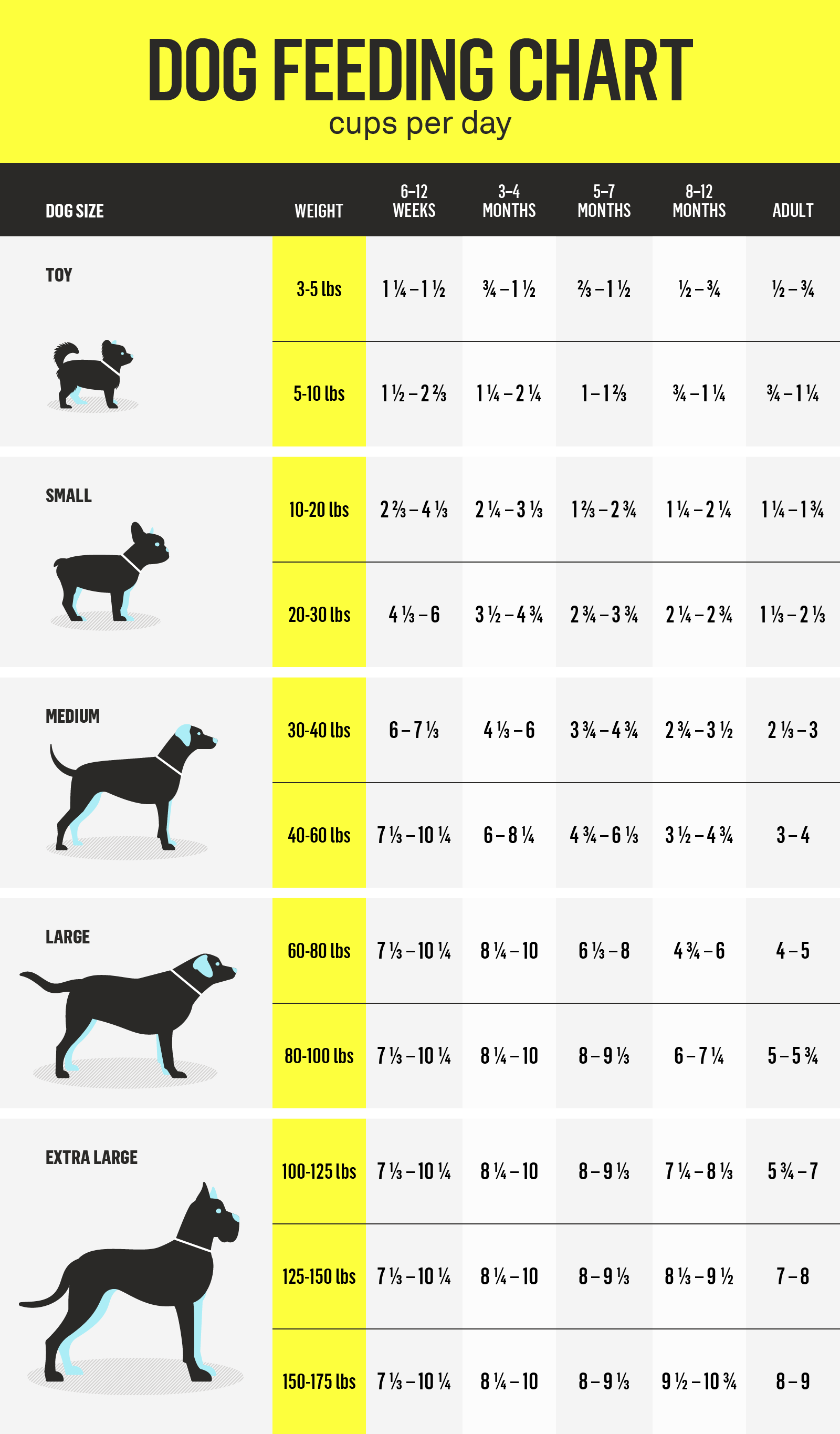
Look for changes in size and weight. Puppies usually reach about 80% of their adult weight. Their adult teeth replace baby teeth around six months. Their coat becomes thicker and shinier. These physical signs show their body is ready for adult food.
Credit: imperiodacostela.com.br
Timing The Switch
Knowing the right time to switch your puppy to adult dog food is important for their health. Puppies need special nutrition to grow strong. Adult dog food suits their needs after growth slows down. Changing too early or too late can cause health problems. Timing the switch carefully helps your dog stay happy and healthy.
Age Guidelines By Breed Size
Small breed puppies grow faster than large breeds. They usually switch to adult food at about 9 to 12 months old. Medium breeds can change around 12 months. Large and giant breeds take longer to mature. Their switch may happen between 12 and 24 months. Watch your puppy’s growth and energy for clues. These age ranges are general guides, not strict rules.
Gradual Transition Process
Change your puppy’s food slowly over 7 to 10 days. Start by mixing 25% adult food with 75% puppy food. Increase the adult food amount every few days. This helps avoid stomach upset or diarrhea. Watch your dog’s reaction during the change. If any problems occur, slow down the transition. A smooth switch helps your dog adjust to new nutrients.
Choosing The Right Adult Food
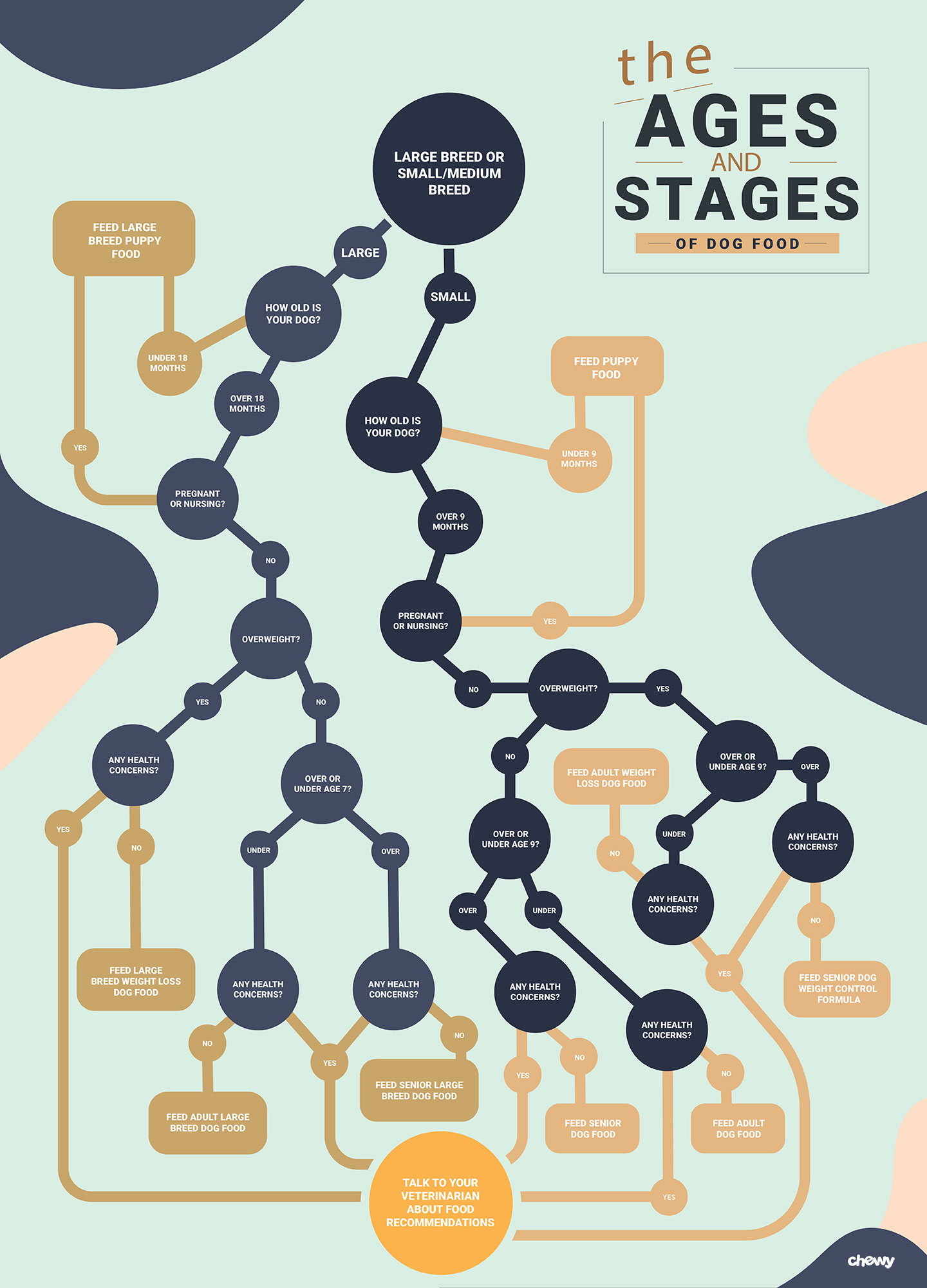
Choosing the right adult food for your dog is important for their health. Adult dog food supports their energy and growth. It also helps keep their coat shiny and their teeth strong. Picking the right food can seem hard. But knowing what to look for makes it easier. Below are key points to consider when selecting adult dog food.
Nutritional Requirements
Adult dogs need a balanced diet with proteins, fats, and carbs. Protein helps keep muscles strong. Fats give energy and support skin health. Carbohydrates provide fuel for daily activities. Vitamins and minerals are vital for overall health. Look for food labeled for adult dogs. It ensures the food meets their nutritional needs. Avoid foods with too many fillers or low nutrients.
Quality And Ingredients
Check the ingredient list carefully. Good quality food uses real meat or fish as the first ingredient. Avoid foods with too many artificial colors or preservatives. Whole grains and vegetables add important fiber and nutrients. Some dogs need grain-free diets, but it is not for all. Choose food that suits your dog’s health and taste. Quality ingredients lead to better digestion and energy.
Credit: fit-the-foot.com
Common Mistakes To Avoid
Switching your puppy to adult dog food is important. Mistakes during this change can cause health problems. Knowing what to avoid helps your dog stay healthy and happy. Here are common mistakes to watch out for.
Switching Too Early Or Late
Changing to adult food too early can harm your puppy’s growth. Puppies need more nutrients for bones and muscles. Adult food may not have enough for them.
Switching too late can lead to weight gain. Adult dogs and puppies need different calorie amounts. Feeding puppy food too long can cause obesity.
Check your dog’s breed and size to decide the right time. Most dogs switch between 9 and 12 months old.
Abrupt Changes
Changing food suddenly can upset your dog’s stomach. Diarrhea and vomiting are common after abrupt switches. The digestive system needs time to adjust.
Mix old and new food slowly over 7 to 10 days. Increase the new food amount each day. This helps avoid digestive issues and keeps your dog comfortable.
Consulting Your Veterinarian
Choosing the right time to switch your puppy to adult dog food can be confusing. Every puppy grows at its own pace. Consulting your veterinarian helps you make the best decision for your dog’s health and well-being.
Personalized Advice
Your veterinarian knows your puppy’s breed, size, and growth rate. They provide advice tailored to your dog’s specific needs. This helps avoid feeding adult food too early or too late. Proper timing supports healthy development and energy levels.
Health Monitoring
Regular vet visits allow monitoring of your puppy’s weight and overall health. Your vet can spot any issues that affect diet changes. They recommend the right food based on health checks. This prevents problems like digestive upset or nutrient gaps.
Frequently Asked Questions
When Is The Right Age To Switch Puppy Food?
Most puppies should switch to adult dog food between 9 to 12 months. Small breeds may switch earlier, while large breeds might need extra time.
How To Transition Puppy To Adult Dog Food Smoothly?
Mix increasing amounts of adult food with puppy food over 7-10 days. This gradual change prevents digestive upset and helps your puppy adjust easily.
Can Switching Food Too Early Harm My Puppy?
Yes, switching too early can cause nutritional deficiencies and growth issues. Puppies need nutrient-rich food until they reach the proper age for adult food.
What Are Signs My Puppy Is Ready For Adult Food?
Look for slowed growth, stable weight, and lower energy levels. Consult your vet to confirm if your puppy’s development suits adult food.
Conclusion
Switching your puppy to adult dog food depends on their breed and size. Most dogs change food between 9 and 12 months old. Large breeds may need more time to grow before switching. Always watch your dog’s weight and energy to guide you.
Talk to your vet for the best advice. This helps keep your dog healthy and happy as they grow. Remember, good nutrition supports a strong and active life. Keep an eye on your dog’s needs during this change. It is a simple step for a long, healthy journey.


