

Are you wondering when your puppy is ready to switch to adult dog food? Knowing the right time can make a big difference in your dog’s health and happiness.
Feeding your dog the wrong food too soon or too late might cause digestive problems or nutrient gaps. You’ll discover the clear signs to look for and expert tips to make the transition smooth and safe. Keep reading to learn exactly when your furry friend can start enjoying adult dog food and how to do it right.
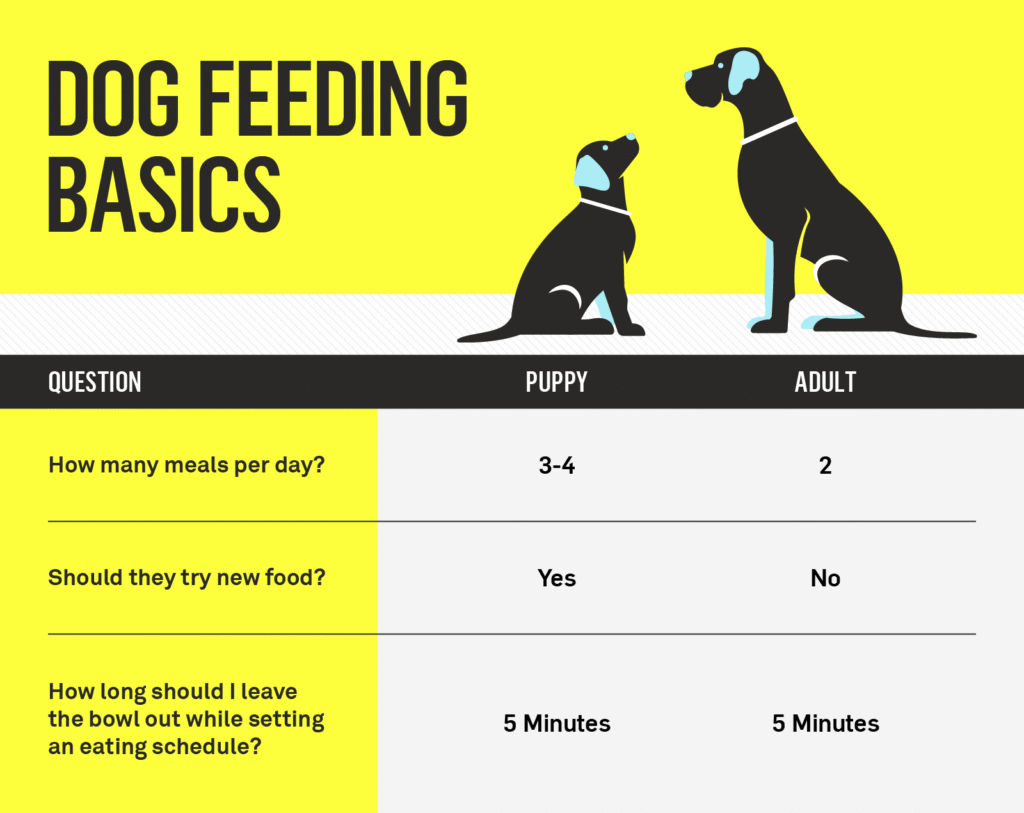
Credit: www.gallant.com
Puppy Nutrition Basics
Puppies need special food to grow strong and healthy. Their bodies change fast during the first months of life. Good nutrition supports their bones, muscles, and brain development. Feeding the right food helps prevent health problems later.
Understanding puppy nutrition helps you choose the best diet. This section explains the growth stages and the difference between puppy and adult food.
Growth Stages And Dietary Needs
Puppies grow quickly in the first year. Their nutritional needs change with each stage. Newborns rely on their mother’s milk for nutrients. After weaning, they need solid food rich in protein and fat.
As puppies grow, they need more energy and vitamins. Their food should support bone and muscle growth. Balanced calcium and phosphorus levels are important. Too much or too little can harm development.
After six months, puppies begin to slow down growth. Their diet should adjust to avoid excess weight gain. Regular check-ups help track growth and adjust food amounts.
Puppy Food Vs. Adult Food
Puppy food has more calories than adult food. It contains extra protein, fat, and nutrients to support growth. Adult dog food focuses on maintaining health, not growth. It has fewer calories and different nutrient levels.
Switching to adult food too early can cause nutrient gaps. Puppies may miss important vitamins and minerals. Feeding adult food too late can lead to weight gain. It lacks the right balance for growing dogs.
Look for food labeled for puppies or all life stages. These meet the special needs of young dogs. Proper food choice ensures your puppy stays healthy and strong.
Signs Your Dog Is Ready
Knowing when your dog is ready for adult food is important for their health. Dogs grow fast, but each dog develops at its own pace. Watching for certain signs helps you make the right choice. These signs show your dog is ready to switch to adult food.
Physical Indicators
Teeth are a clear sign. Puppies start losing baby teeth around four months. By six months, most adult teeth appear. Strong teeth help chew harder adult food. Weight and size also matter. Puppies grow bigger and heavier as they age. Their bodies become less fragile, able to digest richer food. Coat changes can show readiness too. A puppy’s soft fur turns thicker and shinier with age. These physical changes signal their bodies are ready for adult nutrition.
Behavioral Changes
Appetite changes are common. Puppies may want more food as they grow. They also start eating less often but in larger amounts. Interest in food changes too. They become more willing to try different textures and flavors. Energy levels shift as well. Puppies become less hyper and more steady in activity. This change shows their metabolism is maturing. These behaviors tell you your dog can handle adult food safely.
Ideal Age To Switch
Knowing the right time to switch your dog to adult food is important. This change supports their health and growth. Puppies have different needs than adult dogs. Feeding the right food helps them stay strong and active.
Breed Size Considerations
Small and large breeds grow at different speeds. Small breeds usually mature faster. They may switch to adult food around nine to twelve months. Large breeds grow slower. They often need puppy food for up to 18 to 24 months. Switching too early can harm large breed dogs’ bones and joints.
Consider your dog’s breed size before changing food. This helps meet their specific nutrition needs. Proper timing keeps them healthy and happy.
Veterinary Recommendations
Your vet knows your dog’s health best. They can guide you on the right time to switch. Vets check growth, weight, and overall condition. They may suggest tests to ensure your dog is ready. Follow your vet’s advice for the safest change.
Regular vet visits help track your dog’s development. This makes feeding decisions easier. A vet’s guidance can prevent health problems linked to nutrition.
Making The Transition
Changing a dog’s diet from puppy food to adult food needs care and patience. This change affects their health and energy. A smooth switch helps avoid stomach problems. It keeps your dog happy and strong.
Start the change slowly. Watch your dog’s health closely during this time. Little steps matter a lot.
Gradual Food Introduction
Mix a small amount of adult food with puppy food. Do this for about 7 to 10 days. Slowly add more adult food each day. Slowly reduce puppy food at the same time. This helps your dog adjust to new flavors and textures. Sudden changes can upset their stomach.
Monitoring Digestive Health
Watch for signs of digestive trouble. Check for vomiting, diarrhea, or constipation. Keep an eye on your dog’s energy and mood. If problems arise, slow the transition. Consult a vet if issues continue. Healthy digestion means a happy dog.
Choosing The Right Adult Food
Choosing the right adult food for your dog is very important. The food you pick affects your dog’s health and energy. Adult dogs need different nutrients than puppies. Their diet should support their size, age, and activity level. You must choose food that fits your dog’s needs well.
Nutritional Requirements
Adult dogs need a balanced diet with protein, fat, and carbohydrates. Protein helps build muscles and keeps your dog strong. Fat gives energy and keeps the coat shiny. Carbohydrates provide fuel for daily activities. Vitamins and minerals support the immune system and bone health. Look for foods labeled for adult dogs. These have the right mix of nutrients for grown dogs.
Special Diets And Allergies
Some dogs have allergies or special health needs. They may need food without certain ingredients like wheat or chicken. Dogs with sensitive stomachs benefit from gentle, easy-to-digest foods. Older dogs may need food that supports joints and heart health. Talk to your vet about your dog’s specific needs. Special diets help your dog stay healthy and comfortable.
Credit: www.acanapetfoods.co.uk
Common Mistakes To Avoid
Feeding your dog adult food at the right time is very important. Many pet owners make mistakes that can affect their dog’s health. Avoiding these common errors helps your dog grow strong and stay healthy. Knowing when and how to switch to adult food is key.
Switching Too Early Or Late
Changing your puppy’s food too early can cause nutrition problems. Puppies need special nutrients to grow. Adult food may not have what they need. Switching too late also causes issues. Adult dogs have different needs. Feeding puppy food for too long can lead to weight gain. Watch your dog’s age and size. Follow your vet’s advice for the best time to switch.
Ignoring Dietary Changes
Your dog’s diet should change with age. Ignoring this can cause health problems. Adult food has less fat and more fiber than puppy food. Dogs need fewer calories as they grow. Not adjusting their diet can cause obesity or poor digestion. Always observe how your dog reacts to new food. Make changes slowly to avoid stomach upset. Listen to your pet’s needs and adjust accordingly.
Long-term Health Benefits
Feeding your dog adult food at the right time offers many long-term health benefits. It helps keep your dog strong, active, and happy through the years. Proper nutrition supports their body and mind as they grow older. Choosing the right adult food can improve overall health and prevent future problems.
Maintaining Ideal Weight
Adult dog food is designed to keep your dog’s weight steady. It has the right balance of calories and nutrients. This balance helps avoid obesity, which causes many health issues. A healthy weight reduces stress on the heart and organs. It also lowers the risk of diabetes and other diseases. Feeding adult food helps your dog stay fit and lively.
Supporting Joint And Coat Health
Adult dog food often contains ingredients that support joints and skin. Nutrients like omega-3 fatty acids keep joints flexible and reduce pain. Good joint health allows your dog to move freely and enjoy daily activities. The same nutrients improve coat shine and skin health. A healthy coat means less itching and fewer skin problems. Feeding adult food helps your dog feel comfortable and look great.
Credit: www.bowlerspets.com
Frequently Asked Questions
When Should Puppies Switch To Adult Dog Food?
Puppies typically switch to adult dog food between 9 to 12 months. Large breeds may take up to 18 months. This timing supports their growth and nutritional needs as they mature into adulthood.
What Are Signs My Dog Is Ready For Adult Food?
Signs include slower growth, less playful energy, and a change in body shape. Your vet can confirm readiness based on age and health status to ensure a smooth food transition.
Can Switching Too Early Harm My Dog’s Health?
Yes, switching too early can cause nutritional imbalances. Puppies need higher protein and fat for growth. Premature change may lead to deficiencies and digestive issues, so timing is crucial.
How To Transition My Dog To Adult Food Properly?
Gradually mix adult food with puppy food over 7-10 days. Increase adult food amounts daily while decreasing puppy food to avoid stomach upset and ensure proper digestion.
Conclusion
Choosing the right time for adult dog food helps your pet grow strong. Puppies need special nutrients that adult food may lack. Usually, dogs switch to adult food around one year old. Watch your dog’s size and behavior for signs.
Consult your vet to ensure a smooth change. Feeding adult food too early can cause health issues. Take your time and adjust gradually. Healthy food supports energy, coat, and overall wellness. Your dog’s needs change as they grow. Careful feeding leads to a happy, healthy dog.
Simple steps make a big difference in pet care.


