

If you’re a dog owner, keeping your furry friend safe is always a top priority. Vaccines play a big role in protecting dogs from serious illnesses, but did you know that some dog breeds can be more sensitive to certain vaccines?
The Lepto vaccine, which guards against leptospirosis, is one of them. Understanding which breeds are more likely to have reactions can help you make the best decisions for your dog’s health. Keep reading to discover if your dog’s breed is sensitive to the Lepto vaccine and what steps you can take to protect your pet without risking their well-being.
Lepto Vaccine And Its Purpose
The Leptospirosis vaccine protects dogs from a serious bacterial infection. This disease spreads through contact with infected water, soil, or animals. It can cause severe kidney and liver damage in dogs. The vaccine helps the dog’s immune system fight off this bacteria. Vaccination is important for dogs that spend time outdoors or in wet environments.
Leptospirosis can also affect humans. Vaccinating dogs reduces the risk of spreading the disease to people. The vaccine does not protect against all types of Leptospira bacteria. Still, it lowers the chance of serious illness. Understanding the vaccine helps dog owners make informed health choices.
How The Vaccine Works
The Lepto vaccine contains dead bacteria parts. These parts teach the dog’s body to recognize the bacteria. The immune system creates antibodies to fight future infections. When exposed to the real bacteria, the dog’s body reacts faster. This quick response helps prevent illness or reduces its severity.
Dogs usually need two shots at first. Then yearly boosters keep the immunity strong. The vaccine targets the most common Leptospira types in the area. It does not guarantee full protection but lowers disease risk significantly.
Common Side Effects In Dogs
Some dogs may show mild reactions after vaccination. These include soreness at the injection site, mild fever, or tiredness. These effects usually last one or two days. More serious reactions are rare but can happen.
Signs of severe reactions include swelling, difficulty breathing, or vomiting. Dogs with sensitive breeds might react more strongly. Monitoring your dog after vaccination is important. Contact your vet if you notice unusual symptoms.

Credit: www.chewy.com
Breeds Prone To Vaccine Sensitivity
Some dog breeds show more sensitivity to the Lepto vaccine than others. Knowing which breeds are prone helps pet owners watch for side effects. Vaccine sensitivity means these dogs may react more strongly or have mild to severe side effects.
Breed size and genetics play a role in this sensitivity. Smaller dogs often have stronger reactions due to their size. Certain terrier breeds also show increased sensitivity. Toy breeds, being tiny, face higher risks with vaccines.
Small Breed Dogs
Small breed dogs are often more sensitive to vaccines. Their smaller body size means the vaccine dose affects them more. Reactions can include swelling, fever, or lethargy. Owners should monitor their dogs closely after vaccination.
Certain Terrier Breeds
Some terrier breeds tend to have stronger reactions to the Lepto vaccine. Breeds like Jack Russell Terriers and Scottish Terriers may show sensitivity. These dogs might experience mild side effects more often than others.
Toy Breeds At Risk
Toy breeds face higher risks with the Lepto vaccine. Their tiny bodies react differently to the vaccine dose. Examples include Chihuahuas and Pomeranians. Careful observation after vaccination is important for these dogs.
Symptoms Of Vaccine Sensitivity
Some dogs may react to the Lepto vaccine. These reactions show as symptoms of vaccine sensitivity. Knowing these signs helps you act quickly. Watch your dog closely after the shot. Symptoms may be mild or severe. Each type needs different care and attention.
Mild Reactions
Mild reactions often appear soon after vaccination. Your dog may have a slight fever. They might feel tired or less active. Some dogs show swelling or redness at the injection site. Mild itching or small bumps can also occur. These signs usually fade in a day or two. Keep your dog calm and give plenty of water. Contact your vet if symptoms last longer than 48 hours.
Severe Allergic Responses
Severe responses are rare but serious. Signs include difficulty breathing or swelling of the face. Your dog may vomit or have diarrhea. Some dogs collapse or show weakness. These symptoms need immediate veterinary care. Severe reactions can happen within minutes or hours. Quick action can save your dog’s life. Always watch your pet for at least an hour after vaccination.
Risk Factors Beyond Breed
Some dogs react to the Lepto vaccine more than others. Breed is one factor, but not the only one. Other risks can affect how a dog responds to this vaccine. These risks often relate to the dog’s age, health, and past vaccine experiences.
Age And Health Conditions
Young puppies and older dogs can be more sensitive to vaccines. Their immune systems are not as strong as healthy adult dogs. Dogs with chronic illnesses may also face higher risks. Conditions like allergies, skin problems, or autoimmune diseases can increase vaccine sensitivity. Always tell your vet about your dog’s health before vaccination.
Previous Vaccine Reactions
Dogs that had bad reactions to vaccines before may react again. Signs include swelling, vomiting, or lethargy after a shot. If your dog showed these signs, your vet might suggest a different vaccine plan. Tracking your dog’s vaccine history helps reduce risks. It guides vets in making safer choices for your dog’s health.
Veterinary Recommendations
Veterinarians play a key role in deciding how to protect dogs from leptospirosis. Some dog breeds show more sensitivity to the Lepto vaccine. Veterinarians consider this carefully to keep dogs safe and healthy.
They study each dog’s health, breed, and risk factors before giving the vaccine. This careful approach helps reduce side effects in sensitive dogs. Professional advice ensures dogs get the right care without extra risk.
Pre-vaccination Testing
Testing before vaccination helps identify sensitive dogs. Blood tests can check for existing antibodies or infections. This step avoids unnecessary vaccines in dogs who may not need them.
Pre-vaccination testing also helps detect hidden health issues. Dogs with immune problems may react badly to the vaccine. Testing guides vets to make safer vaccine choices for each dog.
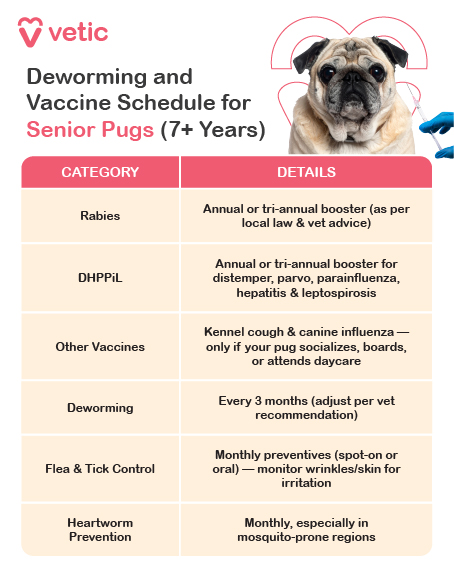
Alternative Vaccination Strategies
Vets may use different vaccine types or schedules for sensitive breeds. They might space out doses or use lower-strength vaccines. This approach reduces the chance of side effects.
Some vets suggest only vaccinating dogs with high exposure risk. Others use a single-dose vaccine followed by regular health checks. Tailoring the vaccine plan helps protect sensitive dogs safely.
Credit: vetic.in
Managing And Preventing Reactions
Managing and preventing reactions to the Lepto vaccine is important for sensitive dog breeds. Careful steps can reduce risks and keep dogs safe. Owners must watch their pets closely after vaccination. Early action helps avoid serious problems.
Monitoring After Vaccination
Check your dog often after the vaccine. Look for signs like swelling, redness, or pain at the injection spot. Notice any unusual behavior such as tiredness, vomiting, or loss of appetite. Keep a record of your dog’s condition for 48 hours. Call your vet if you see any worrying symptoms. Early detection helps treat reactions faster.
Emergency Care Tips
Know what to do if your dog shows a severe reaction. Keep your vet’s phone number handy. Signs like difficulty breathing, swelling of the face, or collapse need urgent care. Stay calm and keep your dog still. Transport your dog to the vet immediately. Quick response can save your dog’s life.
Balancing Risks And Benefits
Deciding on the lepto vaccine for dogs involves careful thought. Some breeds may have sensitivity to this vaccine. Pet owners face a challenge. They must balance protecting their dogs and avoiding side effects. Understanding both the risks and benefits helps make the best choice for each dog.
Importance Of Lepto Vaccination
Leptospirosis is a serious illness for dogs. It spreads through water and soil contaminated by infected animals. The disease can harm the liver and kidneys. Vaccination helps prevent this dangerous infection. It also protects people who live with dogs. Without the vaccine, dogs risk severe health problems or death.
Weighing Sensitivity Concerns
Certain dog breeds show more sensitivity to the lepto vaccine. These dogs might experience mild to strong reactions. Common signs include swelling, fever, or lethargy. Rarely, severe allergic reactions occur. Consulting a veterinarian is crucial. They can suggest safer vaccine options or schedules. Careful monitoring after vaccination helps catch any issues early.

Credit: www.reddit.com
Frequently Asked Questions
Which Dog Breeds Are Most Sensitive To Lepto Vaccine?
Breeds like Doberman Pinschers, Boxers, and German Shepherds often show higher sensitivity to Lepto vaccines. These breeds may experience stronger side effects, so extra caution is advised during vaccination.
What Are Common Side Effects In Sensitive Dog Breeds?
Sensitive breeds may develop fever, swelling, or mild allergic reactions after the Lepto vaccine. Severe reactions are rare but possible, so monitoring post-vaccination is important.
How Can I Protect Sensitive Breeds From Lepto Safely?
Consult your vet to assess risk factors and consider alternative vaccination schedules. Pre-vaccine antihistamines or using a different vaccine type may help reduce side effects.
Are Mixed Breed Dogs Less Sensitive To Lepto Vaccine?
Mixed breeds generally have varied sensitivities, often lower than specific purebreds prone to reactions. Still, monitoring any dog post-vaccination is essential for safety.
Conclusion
Certain dog breeds show more sensitivity to the Lepto vaccine. Knowing which breeds need extra care helps keep dogs safe. Talk to your vet about your dog’s breed before vaccination. Watch your dog closely after the vaccine for any signs of reaction.
Early action can prevent serious health problems. Vaccines protect dogs but require careful attention for some breeds. Always choose the best care for your furry friend’s health.


