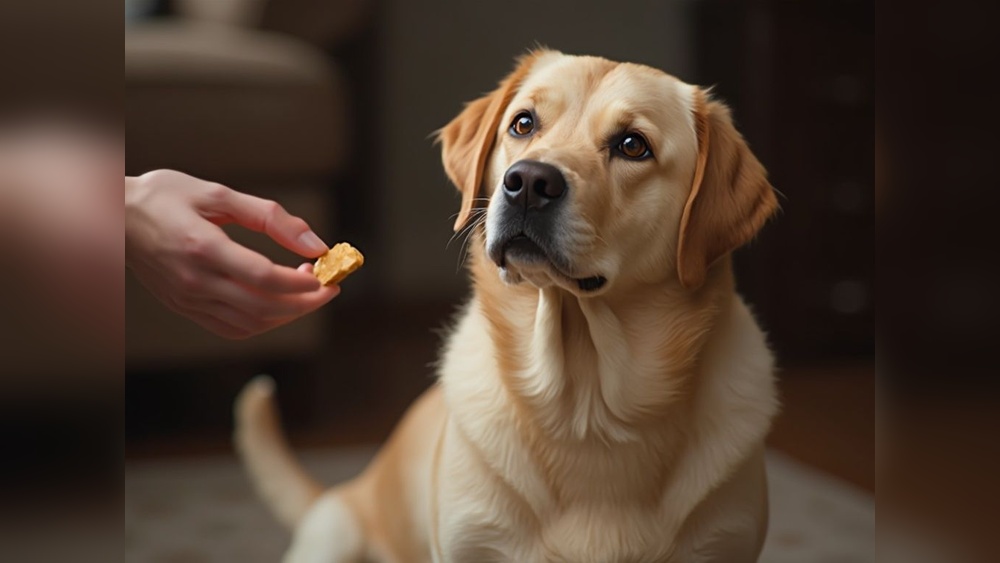
Training your dog to roll over is not just a fun trick—it’s a great way to bond and keep your furry friend active and engaged. Imagine the joy of watching your dog respond to your command with a smooth, playful roll.
Whether you’re a new dog owner or looking to add to your pet’s skill set, this simple trick can boost your dog’s confidence and strengthen your connection. Ready to discover easy, step-by-step tips that will have your dog rolling over in no time?
Let’s dive in and make training enjoyable for both you and your dog!
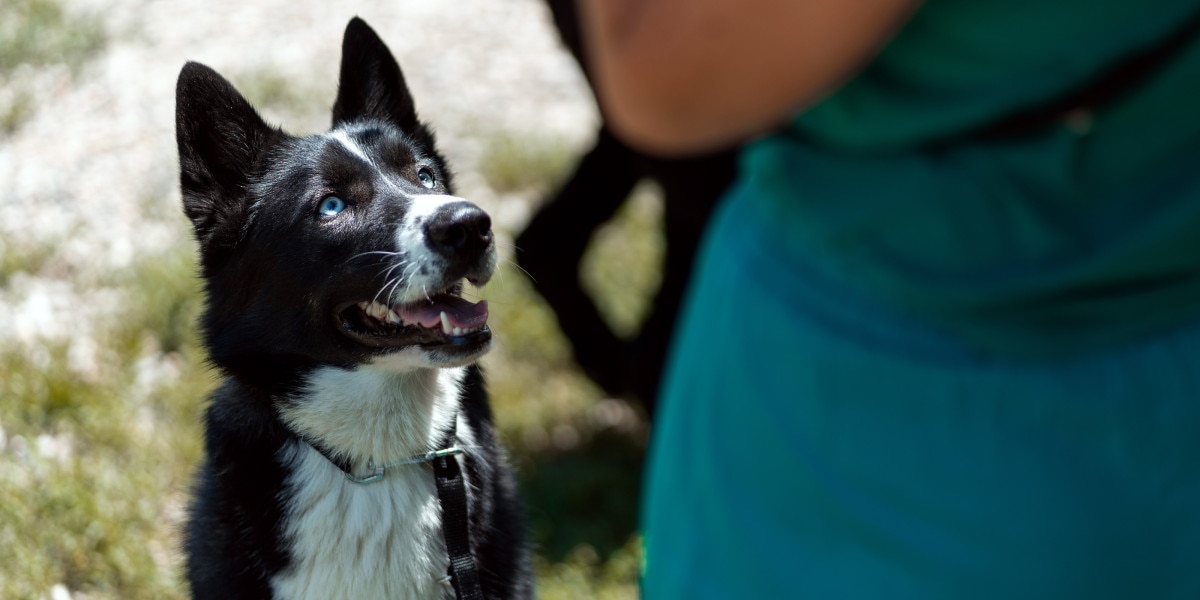
Credit: www.purina.com
Getting Started With Training
Training a dog to roll over is fun and rewarding. Starting right helps your dog learn faster. It makes the process smooth for both of you. This section covers the basics to begin training effectively.
Choosing The Right Environment
Pick a quiet and comfortable place for training. Avoid spots with many distractions. A calm area helps your dog focus better. Make sure the space is safe and clean. This setting encourages your dog to pay attention.
Gathering Training Supplies
Have treats ready to reward your dog. Use small, soft treats that your dog likes. Bring a clicker if you use clicker training. Keep a leash nearby to maintain control. Prepare a mat or towel for rolling practice.
Setting Realistic Expectations
Understand your dog’s learning speed varies. Some dogs learn tricks quickly; others take time. Keep training sessions short, about 5 to 10 minutes. Be patient and consistent with each session. Celebrate small progress to stay motivated.
Teaching The Roll Over Command
Teaching your dog the roll over command is a fun way to build trust and communication. It also gives your dog mental and physical exercise. Patience and consistency are key. Use clear signals and positive reinforcement. Start slow and keep training sessions short. Enjoy the process and celebrate small successes.
Using Treats And Rewards
Treats motivate your dog to learn new tricks. Choose small, tasty treats your dog loves. Give a treat right after your dog rolls over. This helps your dog connect the action with the reward. Praise your dog with a happy voice too. Rewards make learning fun and effective.
Guiding Your Dog Physically
Sometimes dogs need a little help at first. Gently guide your dog’s body to roll over. Use your hand to move your dog’s nose toward its shoulder. Slowly encourage your dog to follow your hand. Do this gently to avoid stress. Repeat the motion until your dog understands.
Incorporating Verbal Cues
Use a simple word like “roll over” as your command. Say the command clearly each time you guide your dog. Speak in a calm, friendly tone. Soon, your dog will link the word to the action. Practice the verbal cue without physical help once learned. This builds your dog’s listening skills.
Reinforcing The Behavior
Reinforcing the behavior is key to teaching your dog to roll over. It means rewarding your dog each time they do the trick right. This helps your dog understand what you want. It makes the dog want to repeat the action. Consistency and patience are very important. The dog learns faster with steady practice and clear rewards.
Practicing Consistently
Practice the roll over command every day. Short sessions work best. Five to ten minutes is enough. Repeat the command and action several times. This keeps your dog focused and interested. Consistent practice builds your dog’s muscle memory. It also helps the dog remember the trick longer.
Using Positive Reinforcement
Use treats and praise to reward your dog. Give a small treat right after the dog rolls over. Use a happy voice to say “good” or “well done.” This shows your dog the behavior is correct. Avoid punishment or harsh words. Positive reinforcement makes training fun and effective.
Avoiding Common Mistakes
Don’t rush the process. Move at your dog’s pace. Avoid repeating commands too many times without reward. This can confuse or bore your dog. Never force your dog to roll over. It may cause fear or resistance. Keep training sessions positive and gentle. This leads to better learning and trust.

Credit: www.youtube.com
Troubleshooting Challenges
Training a dog to roll over can be tricky. Some dogs learn fast, while others take more time. Challenges may arise during training. Knowing how to handle these problems helps you keep teaching without stress. Below are common issues and ways to fix them.
Dealing With Reluctance
Some dogs may not want to roll over right away. Fear or discomfort often causes this. Try using a soft voice and gentle touch. Use treats to encourage small steps. Praise your dog for any attempt, even if not perfect. Avoid forcing your dog to roll over. Patience is key to building trust.
Adjusting Techniques For Different Breeds
Different breeds have different body types and energy levels. Large dogs might find rolling harder. Smaller dogs might learn faster but get tired quickly. High-energy breeds need shorter, more fun sessions. Calm breeds may need more encouragement. Change your pace and rewards based on your dog’s breed and personality.
When To Seek Professional Help
Some dogs struggle more than others. If your dog shows fear or aggression, stop training. A professional trainer can help solve behavior problems safely. Seek help if your dog does not improve after weeks of practice. Experts offer tailored advice for your dog’s needs. Getting help early saves time and frustration.
Advanced Training Tips
Advanced training helps your dog learn beyond basic commands. It makes training sessions more fun and challenging. You build a stronger bond with your dog through these techniques. Keep the sessions short and positive for best results.
Combining Tricks For Fun
Mix the roll over command with other tricks. Teach your dog to sit, then roll over, and finally shake hands. This keeps your dog interested and sharp. Use treats or praise to reward each step. Practice these sequences often to help your dog remember.
Increasing Training Duration
Slowly increase the length of each training session. Start with one or two minutes and add more time gradually. Watch your dog’s energy and focus levels closely. End sessions before your dog gets tired or bored. Short, frequent sessions work better than long, rare ones.
Maintaining Skills Over Time
Practice the roll over trick regularly to keep it fresh. Use it in daily play or during walks. Reward your dog to keep them motivated. Review all tricks occasionally to avoid forgetting. Consistency helps your dog stay confident and happy with training.
Credit: sterlingdogtrainers.com
Frequently Asked Questions
How Long Does It Take To Train A Dog To Roll Over?
Training time varies by dog, but most learn in 1-2 weeks. Consistent daily practice and positive reinforcement speed up progress. Patience and short sessions help maintain your dog’s interest and success.
What Are The Best Treats For Dog Training?
Use small, soft, and tasty treats your dog loves. High-value rewards like chicken or cheese work well. Treats should be easy to chew and given immediately after a successful behavior.
Can All Dogs Learn To Roll Over?
Most dogs can learn to roll over, but some may take longer. Age, breed, and temperament affect training speed. With patience, almost any dog can master this fun trick.
How Often Should I Train My Dog To Roll Over?
Train your dog 5-10 minutes daily to keep sessions effective and fun. Frequent short sessions improve learning and prevent boredom. Consistency is key for fast and lasting results.
Conclusion
Training your dog to roll over takes time and patience. Practice a little each day for best results. Use treats and praise to keep your dog happy. Keep training sessions short and fun to hold attention. Celebrate small steps and progress along the way.
Your dog will enjoy learning and bonding with you. Soon, rolling over will become a new trick they love. Consistency is key to helping your dog succeed. Enjoy the process and watch your dog grow smarter. Training builds trust and makes your relationship stronger.