

Are you wondering when your furry friend is ready to switch from puppy food to adult dog food? It’s a big step in your dog’s life and can affect their health and happiness.
Choosing the right time to make this change isn’t always clear, and getting it wrong might leave you worried about your dog’s growth and nutrition. You’ll discover exactly when your dog can start eating adult food and how to make the transition smooth and safe.
Keep reading to ensure your loyal companion stays healthy and strong every step of the way.
Credit: www.bowlerspets.com
Puppy Nutrition Basics
Puppy nutrition sets the stage for a dog’s lifelong health. During the first months, puppies grow fast. They need special food to support their bones, muscles, and brain development. Feeding the right diet helps them build strong immunity and energy.
Choosing proper food is not just about filling their stomach. It is about providing all the nutrients they need in the right amounts. This makes a big difference in their growth and behavior.
Key Nutrients For Growing Dogs
Proteins build muscles and repair tissues. Puppies need more protein than adult dogs. Fats provide energy and help absorb vitamins. Essential fatty acids support brain and eye growth. Calcium and phosphorus are crucial for strong bones and teeth. Vitamins and minerals support the immune system and overall health. Water keeps puppies hydrated and helps all body functions.
Differences Between Puppy And Adult Food
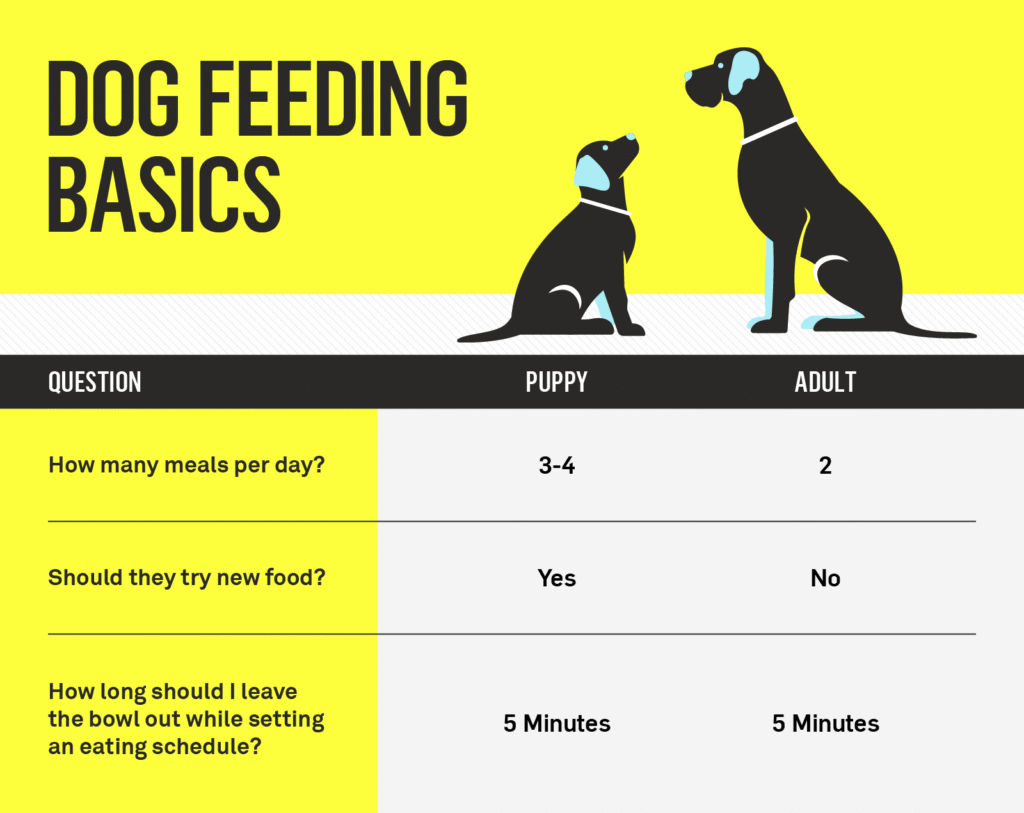
Puppy food has higher calories than adult food. It contains more protein and fat to fuel growth. The balance of vitamins and minerals suits puppies’ needs. Adult dog food has fewer calories to prevent weight gain. It has less protein and fat since growth slows down. Texture and kibble size in puppy food are made for smaller mouths. These differences ensure puppies get enough nutrition without overfeeding.
Credit: www.gallant.com
Signs Your Dog Is Ready
Knowing when your dog is ready for adult food is important for their health. Puppies need special nutrition that changes as they grow. Watch for clear signs before switching their diet. These signs help ensure your dog gets the right food at the right time.
Age Milestones
Puppies usually eat puppy food until they reach certain ages. Small breeds may switch at 9 to 12 months. Larger breeds often need puppy food until 12 to 18 months. Age is a simple guide to when to start adult food.
Behavioral Changes
Your dog’s behavior shows readiness for adult food. Notice if their energy levels start to balance out. Puppies calm down and show less hyperactivity. Appetite may also change, eating less often but more steadily.
Physical Development Indicators
Look for physical signs like full adult teeth. Their body shape becomes more solid and muscular. Growth slows down compared to early puppy months. These signs mean their bodies need adult food nutrients.
Transitioning To Adult Food
Switching your dog from puppy food to adult food is an important step. This change supports their growth and health as they mature. Doing it the right way helps keep your dog happy and healthy.
Gradual Switch Methods
Start by mixing a small amount of adult food with puppy food. Increase the adult food portion slowly over 7 to 10 days. This gradual change helps your dog adjust to the new taste and texture. It also gives their body time to adapt to different nutrients.
Watch your dog during this process. They may take time to accept the new food. Patience is key. A slow switch reduces stress and encourages steady eating habits.
Avoiding Digestive Upset
A sudden change in food can cause stomach problems. Diarrhea, vomiting, or upset stomach may happen. To avoid this, keep the transition slow and steady. Provide plenty of fresh water to help digestion.
Observe your dog’s stool and behavior during the switch. If signs of upset continue, slow the transition further. Consult a vet if problems persist. Protect your dog’s digestive health with careful food changes.
Choosing The Right Adult Food
Switching your dog to adult food is an important step. This change supports their health as they grow. Picking the right food helps your dog stay strong and active. Not all adult foods are the same. You must find the best option for your dog’s needs.
Different dogs have different needs. Their breed, size, and activity level affect what food suits them. Understanding these needs helps you make a smart choice. Also, reading dog food labels carefully is key. Labels tell you what is inside the food. This information guides you to healthier options.
Nutritional Requirements By Breed And Size
Small dogs need food with more calories per bite. They burn energy faster than large dogs. Large breeds require food that supports strong bones and joints. Some breeds have special health needs. For example, active dogs need more protein. Less active dogs need fewer calories. Choose food that fits your dog’s breed and size.
Reading Dog Food Labels
Look at the first ingredients on the label. Good foods list meat or fish first. Avoid foods with too many fillers like corn or wheat. Check for added vitamins and minerals. These help your dog’s body stay healthy. Notice the guaranteed analysis section. It shows protein, fat, and fiber levels. This helps you compare different foods. Pick foods that match your dog’s needs and avoid harmful additives.
Common Mistakes To Avoid
Switching your dog to adult food is an important step. Many pet owners make mistakes during this change. These errors can harm your dog’s health. Knowing what to avoid helps keep your dog healthy and happy.
Switching Too Early Or Late
Changing your dog’s food too early can cause stomach problems. Puppies need special nutrients to grow strong. Adult food may not have enough of these nutrients.
Waiting too long to switch can also cause issues. Adult dogs need different nutrition than puppies. Feeding puppy food for too long can lead to weight gain and other health problems.
Feeding Inappropriate Portions
Portion size matters a lot. Giving too much food can make your dog overweight. This puts stress on their joints and heart.
Too little food can leave your dog hungry and weak. It can also cause nutrient deficiencies. Follow feeding guidelines on the dog food package. Adjust portions based on your dog’s activity level and size.
Veterinarian Recommendations
Veterinarian recommendations play a key role in deciding when to switch your dog to adult food. Every dog is unique, and vets understand the best timing and diet for your pet’s health. They consider breed, size, growth rate, and overall condition before making advice.
Following a vet’s guidance helps prevent health problems and ensures balanced nutrition. They also help adjust the diet as your dog grows or faces new health challenges. Trusting professional advice makes the transition smoother for your dog.
When To Consult A Vet
Consult a vet before changing your puppy’s food. Sudden diet changes can upset your dog’s stomach. Your vet can check your dog’s weight and growth progress. They will tell you the best age to switch to adult food. Some dogs may need adult food earlier or later than others.
Speak with a vet if your dog shows signs of allergies or digestive issues. They can recommend the right food type. A vet visit is also important if your dog’s energy levels or coat quality change. These signs may mean diet adjustments are needed.
Customizing Diet Plans
Vets create diet plans that fit your dog’s specific needs. They consider activity level, health conditions, and breed traits. Some dogs need more protein, while others require fewer calories. Custom plans help maintain ideal weight and muscle tone.
Vets also suggest the best food brand or formula. They may recommend supplements for extra nutrients. A tailored diet helps your dog grow strong and stay healthy. Regular vet checkups keep the diet plan up to date.
Special Considerations
Special considerations matter when deciding the right time for dogs to eat adult food. Each dog is unique. Some need extra care before switching their diet. Age and health play a big role.
Choosing the right food supports your dog’s health and well-being. Understanding these factors helps you make better choices.
Senior Dogs
Senior dogs need food that matches their slower lifestyle. Their metabolism slows down. They require fewer calories but more nutrients.
Adult food may not meet these needs. Senior dog food often has joint support ingredients. It also contains less fat and more fiber.
Switching to adult food too early can cause weight gain. Watch your senior dog’s energy and health closely.
Dogs With Health Issues
Dogs with health problems need special diets. Conditions like kidney disease or allergies change dietary needs.
Adult food may not be suitable for dogs with health issues. Consult a vet before making changes. They can suggest the best diet for your dog.
Proper nutrition helps manage symptoms and improves quality of life. Avoid switching foods without professional advice.
Credit: www.acanapetfoods.co.uk
Frequently Asked Questions
When Should I Switch My Puppy To Adult Dog Food?
Switch to adult dog food when your puppy reaches about 12 months. Large breeds may need 18-24 months. This ensures balanced nutrition for their growth and adult needs.
What Signs Indicate My Dog Is Ready For Adult Food?
Look for slowed growth, adult teeth, and stable weight. If your dog is less active and has a mature coat, it’s time to switch.
Can Feeding Adult Food Too Early Harm My Puppy?
Yes, feeding adult food too early can cause nutrient deficiencies. Puppies need higher protein and fat for growth, which adult food lacks.
How To Transition My Dog To Adult Food Properly?
Gradually mix adult food with puppy food over 7-10 days. This avoids digestive upset and helps your dog adjust to new nutrition smoothly.
Conclusion
Choosing the right time for adult dog food helps keep your pet healthy. Watch your dog’s growth and behavior closely. Most dogs switch to adult food around one year old. Small breeds might change sooner; large breeds may take longer.
Always check with your vet to be sure. Good nutrition supports a strong body and happy dog. Feeding the right food at the right time matters a lot. Keep your dog’s needs in mind every step of the way. Your careful choice makes a big difference for your dog’s life.


