Have you ever wondered if your dog could use the toilet just like you do? It sounds surprising, but training your dog to use the toilet is possible—and it could change your daily routine in amazing ways.
Imagine no more messy accidents, less cleaning, and a happier, more independent pet. If you’re curious about how this works and whether it’s right for your furry friend, keep reading. This guide will walk you through everything you need to know to make it happen.
Feasibility Of Toilet Training Dogs
Training a dog to use the toilet is a unique challenge. It requires patience and understanding of dog behavior. Not all dogs can adapt to this unusual routine. The process depends on several factors like behavior, breed, and age. These elements affect how well a dog learns toilet habits.
Behavioral Challenges
Dogs naturally prefer to relieve themselves outside. Changing this instinct takes time and effort. Some dogs may feel stressed or confused by toilet training. Fear or anxiety around the toilet can slow progress. Consistency and positive reinforcement help overcome these challenges.
Breed Considerations
Some breeds learn new behaviors faster than others. Small breeds often adapt more easily to indoor training. Large breeds may find toilet training harder due to size. Working breeds can be more responsive to training commands. Breed traits affect how well a dog uses the toilet.
Age And Training Readiness
Puppies are more open to new habits than older dogs. Early training increases the chance of success. Older dogs may resist change and take longer to learn. Training should match the dog’s mental and physical ability. Patience is key for all ages during toilet training.
Essential Supplies For Training
Training a dog to use the toilet requires specific supplies. These tools help your dog learn safely and comfortably. Having the right items makes the process easier. It also keeps your home clean and stress-free.
Training Seats And Platforms
Training seats fit over the toilet to support your dog. They provide a stable surface to stand or sit on. Platforms help your dog reach the toilet seat easily. Choose seats with non-slip features for safety. Adjustable platforms suit dogs of different sizes.
Cleaning Materials
Cleaning supplies keep your bathroom fresh and hygienic. Use pet-safe cleaners to remove accidents quickly. Paper towels and disinfectant sprays work well. Have a small trash bin nearby for used materials. Clean the training area often to prevent odors.
Positive Reinforcement Tools
Treats and clickers encourage your dog during training. Small, tasty treats work best for rewards. A clicker marks good behavior clearly and fast. Praise and gentle petting boost your dog’s confidence. Use these tools to create a positive training experience.
Step-by-step Training Process
Training a dog to use the toilet requires patience and clear steps. The process breaks down into small parts. Each step helps the dog learn without stress. Consistency and kindness make the training easier. Follow these steps carefully for best results.
Introducing The Toilet Environment
Start by showing your dog the bathroom. Let them sniff and explore the area. Keep the toilet lid open for them to see. Use a special mat or tray near the toilet. This helps the dog get used to the new spot.
Transitioning From Outdoors To Indoors
Move your dog’s bathroom spot closer to the toilet each day. Replace outdoor grass pads with indoor potty pads. Slowly shift these pads onto the toilet seat. This change takes time, so be patient. Watch your dog’s behavior and guide gently.
Encouraging Proper Positioning
Help your dog stand or sit on the toilet seat safely. Use a helper or support if needed. Teach them to balance and stay calm. Place treats near the edge to encourage correct posture. Practice this often for the dog to feel secure.
Rewarding Success
Give praise and treats immediately after the dog uses the toilet. Positive rewards encourage repeat behavior. Keep rewards small but frequent at first. Celebrate every success, no matter how small. This builds your dog’s confidence and trust.
Common Obstacles And Solutions
Training a dog to use the toilet can be a tough journey. Many owners face common obstacles that slow progress or cause frustration. Understanding these problems helps find simple solutions. Patience and consistency remain key throughout the process.
Fear Or Anxiety Issues
Some dogs feel scared of the toilet or bathroom sounds. This fear can stop them from trying. Watch your dog’s body language closely. Signs like trembling or hiding show anxiety. Use calm tones and gentle encouragement. Let your dog explore the bathroom at its own pace. Avoid forcing them near the toilet. Small rewards for approaching the area help build trust.
Accidents And Setbacks
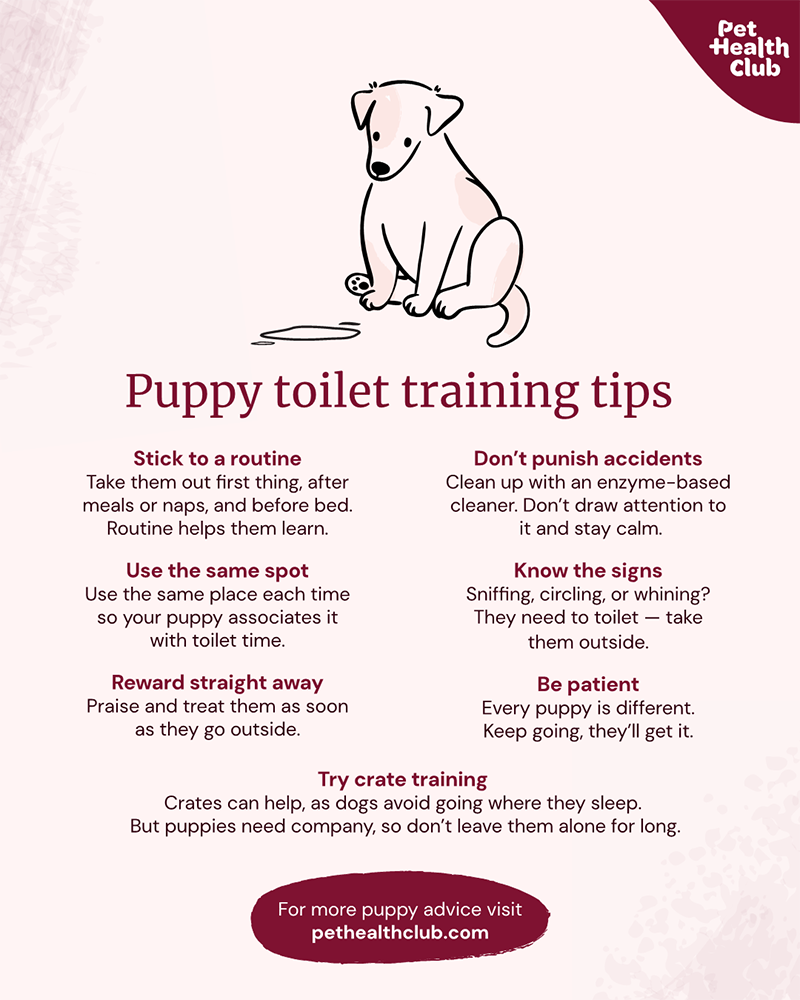
Accidents happen often in toilet training. Dogs may go in wrong places out of habit or confusion. Do not punish your dog. Clean accidents thoroughly to remove smells. This stops repeated mistakes in the same spot. Return to earlier training steps if needed. Reward successes more than punishing errors. Setbacks are normal. Stay calm and keep trying.
Maintaining Consistency
Consistency is crucial for toilet training success. Use the same commands and routine daily. Everyone in the household should follow the plan. Mixed signals confuse dogs and delay learning. Take your dog to the toilet at regular times. Praise and reward every correct action. Consistent training builds good habits faster. Patience pays off with steady practice.
Health And Safety Considerations
Training a dog to use the toilet may seem clever and neat. Still, health and safety should be the top priority. Both the dog’s well-being and your home’s cleanliness matter. Understanding risks and hygiene needs helps keep everyone safe and healthy.
Hygiene Practices
Toilet training a dog requires strict hygiene steps. Always clean the toilet area after use. Germs can spread easily if not cleaned well. Wash your hands after helping your dog. Use pet-safe cleaning products to avoid harmful chemicals. Keep the bathroom dry to prevent slips and falls.
Potential Risks To Dogs
Some dogs may find toilet training stressful. Balancing on a toilet seat can cause injury. Dogs might fall and hurt themselves. The toilet water can contain harmful bacteria. Drinking from the toilet bowl can lead to illness. Watch your dog carefully during training to avoid accidents.
Veterinary Advice
Ask your vet before starting toilet training. They can check if your dog is healthy enough. Some dogs have medical issues that make this training unsafe. Your vet can suggest safer potty training methods. Regular check-ups help catch health problems early. Follow your vet’s advice for your dog’s safety.

Credit: www.amazon.com
Alternative Potty Training Methods
Training a dog to use the toilet is not the only option for indoor potty needs. Many dog owners find alternative methods easier and more practical. These methods help keep your home clean and teach your dog good habits.
Pee Pads
Pee pads are absorbent mats made for dogs to urinate on indoors. They are easy to use and can be placed in any room. This method works well for puppies and small dogs. Change the pads regularly to keep the area fresh. Praise your dog when they use the pad. This encourages good behavior.
Outdoor Training
Outdoor training is the most natural way for dogs to relieve themselves. Take your dog outside regularly, especially after meals and naps. Choose a specific spot for bathroom breaks. Use a consistent command like “go potty” to help your dog understand. Reward your dog with treats and praise. This method builds good habits and strengthens your bond.
Litter Box Training
Litter boxes are usually for cats but can work for small dogs. Use special dog-friendly litter or shredded paper. Place the box in a quiet, accessible spot. Teach your dog to use the box by placing them inside after meals. Clean the litter box often to prevent odors. This method suits apartment living or bad weather days.
Expert Tips For Success
Training a dog to use the toilet takes effort and care. Success depends on clear steps and understanding your dog’s needs. Follow expert tips to keep training smooth and stress-free.
These tips help you guide your dog gently and build good habits over time. Stay calm and watch for signs your dog gives. Adjust your method to fit your dog’s pace.
Patience And Timing
Patience is key. Dogs learn at different speeds. Start training when your dog is calm and focused. Short, regular sessions work best. Avoid rushing or forcing your dog. Celebrate small wins to keep motivation high.
Timing matters. Pick moments when your dog usually needs to go. This helps them connect the action with the place. Consistent timing builds good routines quickly.
Recognizing Dog Signals
Learn your dog’s signals for needing the bathroom. Sniffing, circling, or whining often means they need to go. Watching these signs helps you act fast. Prompt your dog to the toilet area right away. Clear signals make training smoother and faster.
Adjusting Techniques As Needed
Every dog is unique. Watch how your dog reacts to training steps. Change your approach if something does not work. Some dogs need more praise, others more calm guidance. Be flexible and patient. This keeps your dog comfortable and eager to learn.
Credit: www.pethealthclub.com
Credit: www.porchpotty.co.uk
Frequently Asked Questions
Can Dogs Really Learn To Use The Toilet?
Yes, dogs can be trained to use the toilet with patience and consistent practice. It requires gradual steps and positive reinforcement.
How Long Does Toilet Training A Dog Take?
Toilet training a dog typically takes several weeks to a few months, depending on the dog’s age and temperament.
What Are The Benefits Of Toilet Training A Dog?
Toilet training reduces indoor accidents, keeps your home cleaner, and saves time on walks. It also strengthens your bond with your dog.
Are Some Dog Breeds Easier To Toilet Train?
Yes, some breeds like Border Collies and Poodles are quicker learners due to higher intelligence and eagerness to please.
Conclusion
Training a dog to use the toilet takes time and patience. Not all dogs will learn this skill easily. Success depends on your dog’s personality and your consistency. Many owners find it easier to use traditional potty training methods. Still, toilet training can reduce mess and odor in the house.
Remember to reward your dog for good behavior. Stay calm and keep sessions short. Most importantly, enjoy the process with your furry friend. This unique skill is possible but requires effort and care.