

Are you wondering if it’s okay to feed your puppy adult dog food? It’s a common question that many new dog owners face.
You want to give your puppy the best nutrition, but sometimes adult dog food seems more convenient or affordable. Before you make a choice, it’s important to understand how your puppy’s needs differ from an adult dog’s. What you feed now can affect your puppy’s growth, health, and energy.
Keep reading to find out why feeding your puppy the right food matters and what could happen if you don’t. Your puppy’s future health depends on the decisions you make today.
Credit: www.gallant.com
Puppy Nutritional Needs
Puppies have special nutritional needs that differ from adult dogs. Their bodies grow fast and need more energy and nutrients. Feeding a puppy the right food supports healthy bones, muscles, and organs. Choosing the proper diet helps avoid health problems later.
Growth Requirements
Puppies grow quickly in the first year. Their food must provide enough calories to support this growth. They need more protein than adult dogs to build strong muscles. Fat is important too, for energy and brain development. Feeding adult dog food may not meet these higher needs.
Key Nutrients For Puppies
Protein is vital for tissue repair and growth. Puppies need fats rich in omega-3 and omega-6 for brain and eye health. Calcium and phosphorus help form strong bones and teeth. Vitamins like A, D, and E support immunity and overall health. Puppy food contains balanced amounts of these nutrients.
Differences Between Puppy And Adult Dog Food
Puppies and adult dogs have different needs. Their food reflects these differences. Choosing the right food helps dogs grow healthy and strong. Feeding puppies adult dog food can cause problems. Understanding how puppy and adult dog food differ is important for good care.
Each type of food offers specific nutrients. These support dogs at different life stages. Puppy food supports growth and energy. Adult dog food helps maintain health and weight.
Calorie Content Comparison
Puppies need more calories than adult dogs. Their bodies work hard to grow. Puppy food has higher calorie content. Adult dog food has fewer calories. It helps prevent weight gain in mature dogs.
Protein And Fat Levels
Puppy food contains more protein and fat. These nutrients build muscles and support brain development. Adult dog food has moderate protein and fat. It keeps adult dogs fit without extra weight.
Vitamin And Mineral Variations
Puppy food includes vitamins and minerals for strong bones. Calcium and phosphorus are often higher in puppy food. Adult food balances these to maintain bone health. The needs for vitamins and minerals change as dogs grow.
Risks Of Feeding Adult Food To Puppies
Feeding adult dog food to puppies carries several risks. Puppies have unique dietary needs. Their bodies require specific nutrients for healthy growth and strong bones. Adult dog food does not meet these needs. This can lead to problems that affect their health and development.
Potential Nutritional Deficiencies
Adult dog food lacks the right balance of nutrients for puppies. Puppies need more protein and fat to grow properly. Adult food usually has lower levels of these. Important vitamins and minerals may be missing. This can cause weak bones and poor muscle growth. Nutrient gaps can affect the puppy’s immune system too.
Impact On Growth And Development
Puppies grow fast and need extra energy. Adult dog food does not support this rapid growth. Feeding adult food can slow down their development. Bones may not form correctly. Muscle growth can be stunted. This can lead to long-term health issues and smaller adult size.
Digestive Issues
Puppies have sensitive stomachs. Adult dog food is harder for them to digest. This can cause upset stomach, diarrhea, or vomiting. The wrong food may also lead to poor nutrient absorption. Digestive problems make puppies uncomfortable and weak. Proper puppy food helps avoid these issues.
When Adult Dog Food Might Be Suitable
Knowing when to feed a puppy adult dog food is important for their health. Puppies have different needs than adult dogs. But there are times adult food might work for a puppy. Understanding these times helps you choose the best food.
Choosing the right food supports your puppy’s growth and energy. Some puppies can handle adult food sooner than others. Let’s explore when adult dog food might be suitable.
Transitioning To Adult Food
Puppies usually switch to adult food between 9 and 12 months old. Large breeds may take longer, up to 18 months. The switch should be slow and careful. Mix adult food with puppy food over a week. This helps avoid stomach upset. Watch your puppy’s weight and energy during transition. Adjust the amount of food as needed. Consult your vet for the best timing and plan.
Special Circumstances
Some puppies may need adult food earlier. Puppies with health issues might benefit from adult formulas. High-calorie adult food can help if a puppy is underweight. Adult food can be easier to digest for some puppies. Always ask your vet before changing your puppy’s diet. Special needs require special care and food choices. Your vet can guide you on what is best.
Choosing The Right Food For Your Puppy
Choosing the right food for your puppy is very important. Puppies need special nutrition to grow healthy and strong. Adult dog food may not have the right balance of nutrients for a puppy’s development. Picking the proper food helps your puppy get enough energy, vitamins, and minerals. This section explains key points to consider when choosing your puppy’s food.
Reading Labels
Always check the food label before buying. Look for words like “complete and balanced” for puppies. The label should list protein, fat, vitamins, and minerals. Avoid foods with too many fillers like corn or wheat. Protein is important for muscle growth. Fat gives energy and supports brain development. Choose food made for puppies, not adults.
Consulting A Veterinarian
Talk to a veterinarian about your puppy’s diet. Vets know what nutrients your puppy needs at each stage. They can recommend the best brands and types of food. Some puppies have allergies or health issues that need special diets. A vet’s advice helps avoid feeding mistakes. Regular check-ups ensure your puppy stays on the right diet.
Considering Breed And Size
Puppies of different breeds have different needs. Small breeds need food with more calories in smaller portions. Large breeds need food to support slow, steady growth. This prevents joint problems later. Some foods are made for specific breeds or sizes. Choose food that matches your puppy’s breed and size for best health.
Credit: blog.justfoodfordogs.com
Tips For Feeding Puppies
Feeding a puppy is very important for its health and growth. Puppies need food that gives them energy and helps their bones and muscles grow strong. Careful feeding creates good habits and keeps puppies happy.
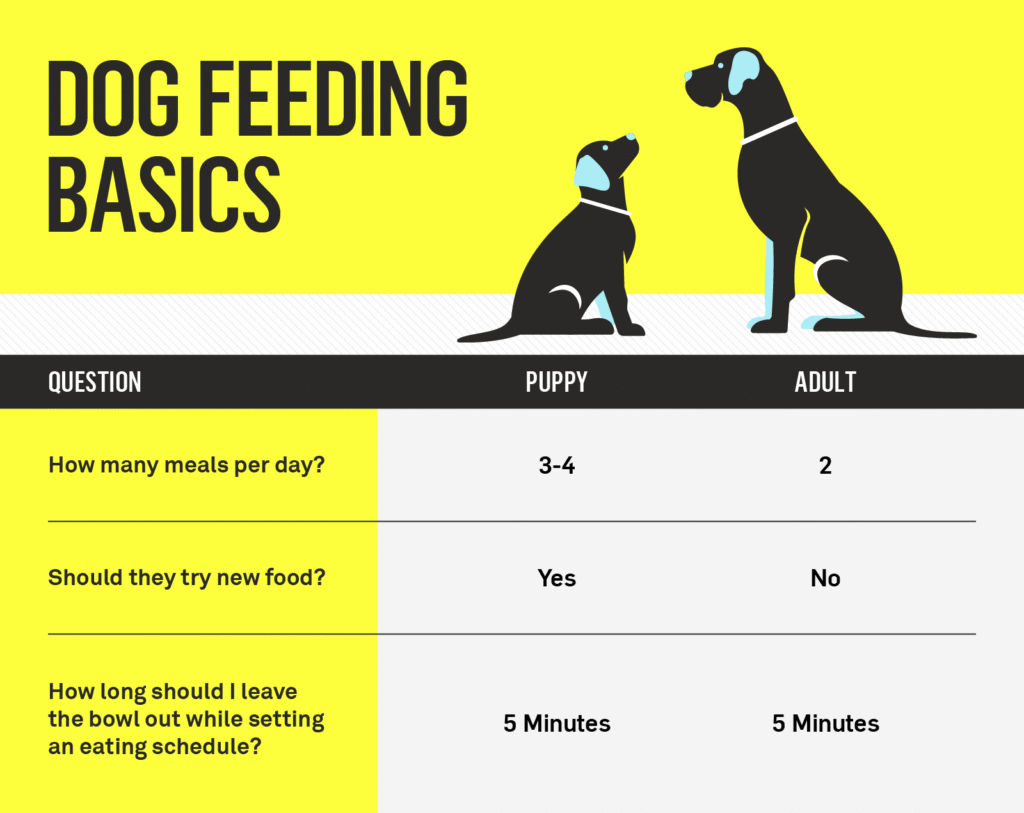
Here are some simple tips to help you feed your puppy the right way. These tips focus on timing, amount, and watching your puppy’s progress.
Feeding Schedule
Puppies need to eat more often than adult dogs. Feed your puppy three to four small meals every day. Keep the feeding times the same each day. This helps your puppy’s stomach get used to regular meals. Avoid free feeding or leaving food out all day.
Portion Control
Give your puppy the right amount of food based on its age and size. Too much food can cause weight problems. Too little food can slow growth. Use the puppy food package as a guide. Watch your puppy’s weight and adjust portions as needed.
Monitoring Growth
Check your puppy’s weight every week. Healthy puppies gain weight steadily. Look for signs of too much weight or too little. Talk to your vet if you see any problems. Regular check-ups help keep your puppy on track.
Credit: www.chewy.com
Frequently Asked Questions
Can Puppies Eat Adult Dog Food Safely?
Puppies should not eat adult dog food regularly. Adult formulas lack essential nutrients puppies need for growth. Feeding adult food can lead to nutritional deficiencies and poor development. Puppy-specific food supports healthy bones, muscles, and brain development. Always choose food labeled for puppies during their first year.
What Happens If A Puppy Eats Adult Dog Food?
If a puppy occasionally eats adult dog food, it likely won’t cause harm. However, long-term feeding can lead to poor growth and health issues. Adult food lacks enough protein, fat, and calories puppies require. Consult a vet if your puppy frequently eats adult food by mistake.
When Can Puppies Transition To Adult Dog Food?
Puppies typically transition to adult dog food between 9 to 12 months. Large breeds may switch closer to 12-18 months. The timing depends on breed size and development rate. Always transition gradually over 7-10 days to avoid digestive upset. Consult your vet for the best transition plan.
Why Is Puppy Food Better Than Adult Dog Food?
Puppy food is specially formulated with higher protein, fat, and calories. It contains essential vitamins and minerals for growth and immune support. Adult dog food lacks these higher nutrient levels. Feeding puppy food ensures proper development, energy, and overall health during early life stages.
Conclusion
Feeding a puppy adult dog food is not the best choice. Puppies need special nutrients to grow strong and healthy. Adult food lacks the right vitamins and minerals for puppies. This can affect their development and energy levels. Always choose food made for puppies.
It supports their bones, teeth, and immune system. Taking care of your puppy’s diet helps ensure a happy, healthy dog. Remember, good food is the start of a good life. Keep your puppy’s needs in mind when choosing their meals.

