

If your dog has kidney disease, you want to give them the best care possible. You may have heard about nutritional yeast and wondered if it could help your furry friend.
But is nutritional yeast really good for dogs with kidney problems? You need clear answers to make the right choices for your pet’s health. Keep reading to discover what nutritional yeast does, its benefits and risks, and whether it fits into your dog’s kidney-friendly diet.
This information could make a big difference in your dog’s well-being.
Nutritional Yeast Basics
Nutritional yeast is a popular supplement in many diets. It offers a unique flavor and a rich nutrient profile. Understanding its basics helps pet owners decide if it’s suitable for dogs with kidney disease. This section breaks down what nutritional yeast is and the key nutrients it contains.
What Is Nutritional Yeast?
Nutritional yeast is a type of inactive yeast. It is grown on sugar-rich mediums like molasses. After harvesting, it is heated to deactivate its yeast cells. This process makes it safe to eat. It looks like small yellow flakes or powder. People often use it as a seasoning or cheese substitute. It has a nutty, cheesy taste. Many use it in vegan cooking. Dogs can also consume it in small amounts.
Common Nutrients In Nutritional Yeast
This yeast is rich in B vitamins, including B1, B2, B3, and B6. It also contains folic acid and vitamin B12, important for energy and brain health. Nutritional yeast has protein, which supports muscle and tissue repair. It contains minerals like zinc, selenium, and magnesium. These minerals help with immune function and antioxidant protection. The fiber content aids digestion. These nutrients make it a valuable addition to some dog diets.
Kidney Disease In Dogs
Kidney disease is a common health problem in dogs. It happens when the kidneys cannot filter waste well. This causes toxins to build up in the blood. Dogs with kidney disease may feel weak and tired. Early care can help slow the disease and improve life quality.
Causes And Symptoms
Kidney disease can start from many causes. Age is a common factor. Infections and injuries may also harm kidneys. Some dogs have genetic risks. Signs include frequent thirst and urination. Vomiting, weight loss, and bad breath also appear. Watch for dull coat or loss of appetite.
Dietary Considerations For Kidney Health
Diet plays a key role in managing kidney disease. Foods low in protein help reduce kidney work. Phosphorus should also be limited. Balanced minerals and good hydration support kidney function. Avoid foods high in salt and toxins. Special kidney diets often recommended by vets. Nutritional yeast may add vitamins but check with your vet first.
Nutritional Yeast And Kidney Health
Nutritional yeast is often discussed as a healthy supplement for dogs. Its effects on kidney health draw particular interest. Kidney disease is common in dogs and requires careful dietary choices. Nutritional yeast contains many nutrients, but its impact on dogs with kidney disease needs understanding.
Potential Benefits For Dogs With Kidney Issues
Nutritional yeast is rich in B vitamins, which support energy and metabolism. These vitamins can help dogs feel more energetic. It also contains antioxidants that may reduce cell damage. Antioxidants are important in slowing kidney damage. Some dogs find nutritional yeast tasty, which can improve appetite. A better appetite helps maintain strength during illness.
Risks And Precautions
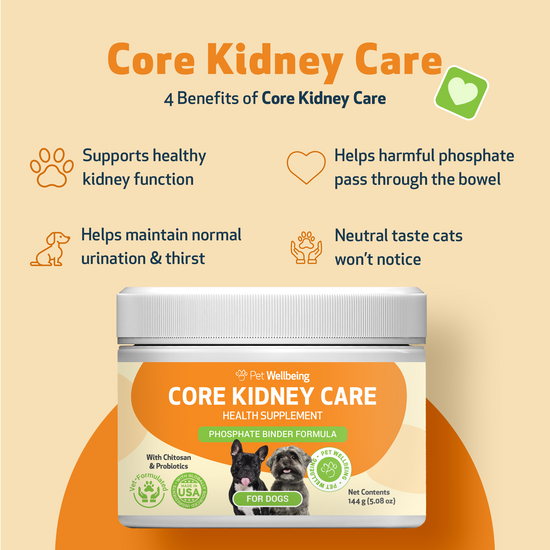
Nutritional yeast contains moderate protein and minerals. High protein or minerals like phosphorus can strain kidneys. Dogs with kidney disease often need low-protein diets. Too much phosphorus can worsen kidney function. Some dogs may have allergies or digestive upset from yeast. Always start with small amounts to check tolerance. Consult a vet before adding nutritional yeast to a sick dog’s diet. Balance and moderation are key to safety.
Credit: petwellbeing.com
Safe Usage Guidelines
Using nutritional yeast for dogs with kidney disease requires care and attention. It is important to follow safe guidelines to protect your dog’s health. Small changes in diet can affect dogs with kidney problems. Be cautious and observe your dog closely.
Recommended Dosage For Dogs
Start with a very small amount of nutritional yeast. For most dogs, 1/4 teaspoon per day is enough. For larger dogs, you can increase up to 1 teaspoon daily. Do not exceed this amount without veterinary advice. Introduce it slowly over several days. Watch how your dog reacts before continuing.
Signs Of Adverse Reactions
Watch for signs like vomiting, diarrhea, or loss of appetite. Scratching or skin irritation may also occur. If your dog shows any unusual behavior, stop giving nutritional yeast. Contact your vet immediately for advice. Early detection helps prevent serious problems.
Alternatives To Nutritional Yeast
Not every dog with kidney disease can safely eat nutritional yeast. Some dogs may have allergies or sensitivities. Others might need different nutrients to support kidney health. Here are some alternatives to nutritional yeast that can help your dog stay healthy and comfortable.
Other Supplements For Kidney Support
Omega-3 fatty acids are good for kidney health. They reduce inflammation and improve blood flow. Fish oil is a common source of omega-3s. Talk to your vet about the right dose for your dog.
Antioxidants like vitamin E and vitamin C help protect kidney cells. They fight damage caused by toxins and stress. Some pet supplements include these vitamins safely balanced for dogs.
Probiotics can support digestion and reduce waste buildup. They improve gut health and overall well-being. Choose probiotic products made especially for dogs.
Dietary Adjustments To Consider
Lower protein intake can help reduce kidney strain. Use high-quality, easily digestible proteins. Avoid foods with added salt or harmful preservatives.
Increase water intake to help flush toxins from the body. Wet dog food can provide extra moisture. Always keep fresh water available.
Reduce phosphorus levels in the diet. Too much phosphorus can worsen kidney damage. Look for low-phosphorus dog foods or recipes.

Credit: justbekind.co.uk
Veterinary Insights
Understanding the effects of nutritional yeast on dogs with kidney disease requires expert knowledge. Veterinarians offer valuable insights based on science and experience. Their advice helps pet owners make safe choices for their dogs’ health.
When To Consult A Vet
Always talk to a vet before adding new supplements. Kidney disease changes a dog’s nutritional needs. Some ingredients can harm kidney function or cause other problems. A vet can check your dog’s health and suggest safe options. Regular vet visits help track the disease and adjust diets.
Expert Opinions On Nutritional Yeast
Experts say nutritional yeast has benefits like vitamins and protein. It may support the immune system and improve coat health. Yet, dogs with kidney disease need low phosphorus and low protein diets. Nutritional yeast can contain minerals that might stress kidneys. Vets often recommend caution and limit its use. Each dog reacts differently, so expert guidance is key.
Credit: petwellbeing.com
Frequently Asked Questions
Is Nutritional Yeast Safe For Dogs With Kidney Disease?
Nutritional yeast is generally safe in small amounts. However, consult your vet first, as kidney disease requires specific dietary care. Some ingredients in yeast may affect kidney function or interact with medications.
Can Nutritional Yeast Support Dogs’ Kidney Health?
Nutritional yeast contains B vitamins and protein, which support overall health. It does not directly improve kidney function but can complement a balanced diet recommended by your vet.
How Much Nutritional Yeast Can Dogs With Kidney Disease Have?
Portion control is crucial. Usually, a small sprinkle on food is enough. Always check with your veterinarian to avoid excess protein or phosphorus intake.
Does Nutritional Yeast Affect Dogs’ Kidney Disease Symptoms?
Nutritional yeast may not reduce symptoms directly. However, it can improve appetite and nutrient absorption, helping dogs maintain strength during kidney illness.
Conclusion
Nutritional yeast can offer some benefits to dogs with kidney disease. It contains important nutrients that support overall health. Still, it is important to talk with your vet first. Each dog’s needs are different. Too much yeast might cause problems.
Careful monitoring helps keep your dog safe. Use nutritional yeast as a small part of their diet. Balance and moderation remain key. Always prioritize your dog’s unique health needs. This helps them stay comfortable and strong.


