

Are you looking for a good recipe for homemade dog food that keeps your furry friend healthy and happy? Making your own dog food can be a great way to ensure your pet gets the right nutrients without any unwanted additives.
But where do you start? You want something simple, tasty, and balanced—something your dog will love and that supports their well-being. You’ll discover easy-to-follow recipes and tips that make homemade dog food both safe and delicious. Keep reading to find the perfect meal plan for your loyal companion.
:max_bytes(150000):strip_icc()/140286_HomemadeDogFood_DDMFS_Beauty_009-6a6e82002dc3496eaa20dec6bfde6d6e.jpg)
Credit: www.allrecipes.com
Benefits Of Homemade Dog Food
Making food at home for your dog brings many good things. It lets you choose fresh ingredients. You know exactly what goes into each meal. This control helps keep your dog healthy and happy. Homemade dog food often tastes better to pets. It can also help dogs with allergies or special diets.
Many pet owners find homemade food easier on their dog’s stomach. It avoids fillers and preservatives found in some store-bought foods. Preparing meals yourself means you can add variety. Different meats, vegetables, and grains keep meals interesting. Your dog gets balanced nutrition made with care.
Improved Nutrition Control
Making dog food at home lets you pick healthy ingredients. You can add fresh meat, vegetables, and grains. This helps ensure your dog gets all needed nutrients. No unwanted chemicals or fillers sneak into the food. You control the quality and portions every time.
Better Digestion And Allergy Relief
Homemade meals are often easier for dogs to digest. They contain no artificial additives or preservatives. Dogs with allergies can avoid common triggers. You can customize meals to suit your dog’s needs. This reduces stomach upset and improves overall health.
Stronger Bond With Your Dog
Cooking for your dog creates a special connection. It shows care and love through every meal. Dogs often respond with more trust and affection. Mealtime becomes a shared moment between you and your pet. This strengthens your relationship day by day.
Essential Nutrients For Dogs
Dogs need balanced meals to stay healthy and strong. Homemade dog food must include key nutrients. These nutrients support energy, growth, and overall well-being. Knowing what nutrients dogs need helps you create the best meals.
Proteins
Proteins build muscles, skin, and fur. Meat, fish, and eggs are rich protein sources. Proteins also help repair tissues and fight illness. Dogs need high-quality protein every day.
Carbohydrates
Carbohydrates give dogs energy for play and exercise. Brown rice, sweet potatoes, and oats are good carb options. Fiber from carbs supports healthy digestion. Carbs should be part of a balanced meal.
Fats
Fats provide energy and keep skin healthy. Fish oil and chicken fat supply essential fatty acids. These fats improve coat shine and brain function. Healthy fats are vital in dog food recipes.
Vitamins And Minerals
Vitamins and minerals keep bones, teeth, and immune systems strong. Carrots, spinach, and pumpkin offer important vitamins. Calcium and phosphorus build strong bones. Including fresh vegetables ensures essential nutrients.
Safe Ingredients To Use
Choosing safe ingredients is the first step in making homemade dog food. Safe foods support your dog’s health and avoid stomach problems. Knowing which ingredients are good helps you prepare tasty meals.
Meat Options
Meat is the main part of most dog meals. Cooked chicken, turkey, and lean beef are great choices. Fish like salmon is also healthy but cook it well. Avoid raw meat to keep your dog safe.
Vegetables
Many dogs enjoy vegetables. Carrots, green beans, and peas add vitamins and fiber. Cook vegetables to make them easier to digest. Avoid onions, garlic, and mushrooms—they can be harmful.
Grains And Alternatives
Grains provide energy and fiber. Brown rice and oats are easy to digest and safe. Some dogs do well with quinoa or sweet potatoes too. Avoid foods with added salt or spices.
Supplements
Supplements help fill nutrition gaps. Fish oil supports a shiny coat and healthy joints. Calcium is important for strong bones. Check with a vet before adding any new supplement.
Ingredients To Avoid
Preparing homemade dog food means choosing safe ingredients. Some foods can harm your dog’s health. Avoiding these ingredients helps keep your pet safe and happy.
Dogs have different digestive systems than humans. What is safe for you might be toxic for your dog. Knowing which ingredients to skip is very important.
Chocolate And Caffeine
Chocolate contains substances called theobromine and caffeine. Both are toxic to dogs. Even small amounts can cause vomiting, diarrhea, or worse.
Keep all chocolates, coffee, and tea far from your dog’s food.
Onions And Garlic
Onions and garlic contain compounds that damage dog’s red blood cells. This can cause anemia and weakness. Avoid fresh, cooked, or powdered forms in dog meals.
Grapes And Raisins
Grapes and raisins can cause kidney failure in dogs. The exact toxic substance is unknown. Do not add these fruits in any amount to dog food.
Artificial Sweeteners
Xylitol is a common artificial sweetener harmful to dogs. It causes a rapid drop in blood sugar. Xylitol is found in sugar-free gum, candy, and baked goods.
Alcohol And Yeast Dough
Alcohol can damage a dog’s liver and brain. Yeast dough expands in the stomach causing pain and bloating. Avoid any food containing alcohol or raw dough.
Step-by-step Homemade Dog Food Recipe
Making homemade dog food can be simple and healthy for your pet. This step-by-step recipe guides you through each stage. You will learn how to prepare a balanced meal that your dog will enjoy.
Follow these clear steps to create fresh food at home. It helps you control ingredients and avoid fillers or preservatives. Let’s start with the basics.
Gathering Ingredients
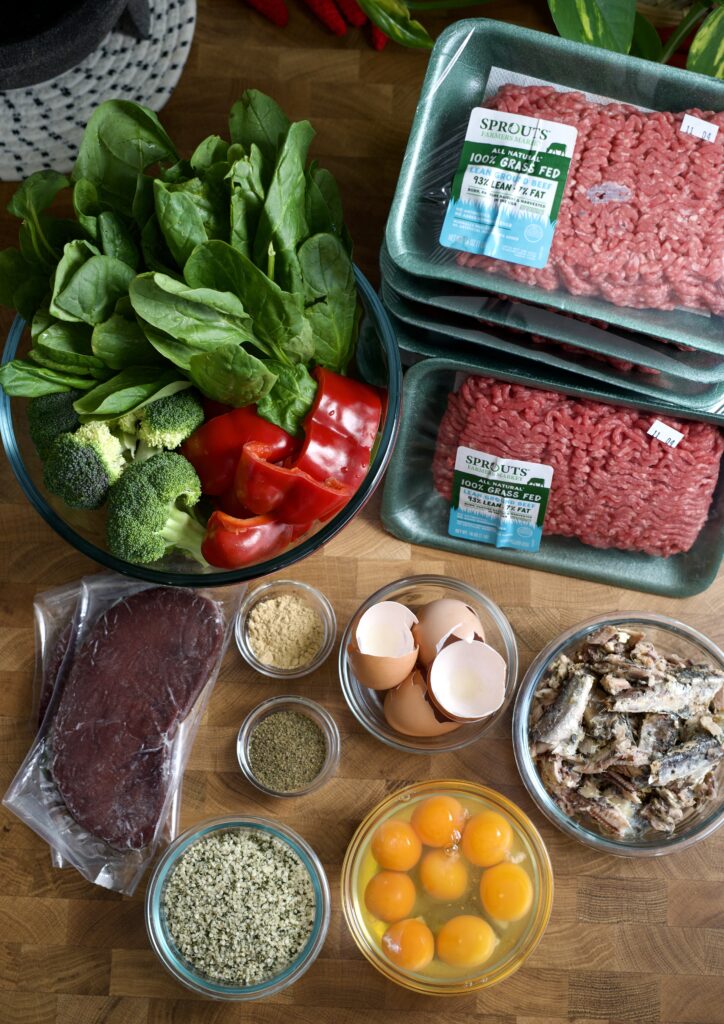
Choose lean meats like chicken, turkey, or beef. Include vegetables such as carrots, peas, and green beans. Add brown rice or oatmeal for energy. Use fish oil or olive oil for healthy fats. Avoid onions, garlic, grapes, and chocolate. These can harm your dog.
Preparation Tips
Wash all vegetables thoroughly. Cut them into small, bite-sized pieces. Trim excess fat from the meat. Cook rice or oatmeal until soft. Measure ingredients carefully to keep a balanced diet. Keep everything clean to avoid bacteria.
Cooking Instructions
Cook meat thoroughly, without seasoning. Boil or steam vegetables until tender. Mix cooked meat, vegetables, and grains in a large bowl. Add a small amount of oil for nutrients. Let the food cool before serving. Test the temperature to avoid burns.
Storage Guidelines
Store homemade dog food in airtight containers. Keep it in the refrigerator for up to three days. Freeze extra portions in small bags or containers. Thaw frozen food in the fridge before use. Always check for spoilage before feeding your dog.
Credit: stellanspice.com
Customizing Recipes For Your Dog
Customizing homemade dog food recipes helps meet your dog’s unique needs. Each dog has different tastes, health needs, and energy levels. Tailoring meals ensures your pet stays happy and healthy.
Adjusting For Allergies
Some dogs have allergies to certain foods. Common allergens include chicken, beef, and grains. Avoid these ingredients to prevent itching or upset stomach. Use alternative proteins like fish or turkey. Check labels carefully for hidden allergens.
Portion Control
Feeding the right amount keeps your dog at a healthy weight. Overfeeding leads to obesity and health problems. Use your dog’s weight and activity level to measure portions. Smaller dogs need less food; active dogs need more. Weigh food with a kitchen scale for accuracy.
Age And Size Considerations
Puppies need more calories and nutrients for growth. Older dogs require fewer calories but more joint support. Large breeds benefit from controlled calcium and phosphorus levels. Small breeds need calorie-dense meals in smaller portions. Adjust recipes to fit your dog’s life stage and size.
Tips For Transitioning To Homemade Food
Switching your dog to homemade food takes patience and care. Dogs have sensitive stomachs that need time to adjust. A smooth transition helps avoid tummy troubles and keeps your dog happy.
Follow these tips to make the change easy and safe for your pet.
Start Slowly
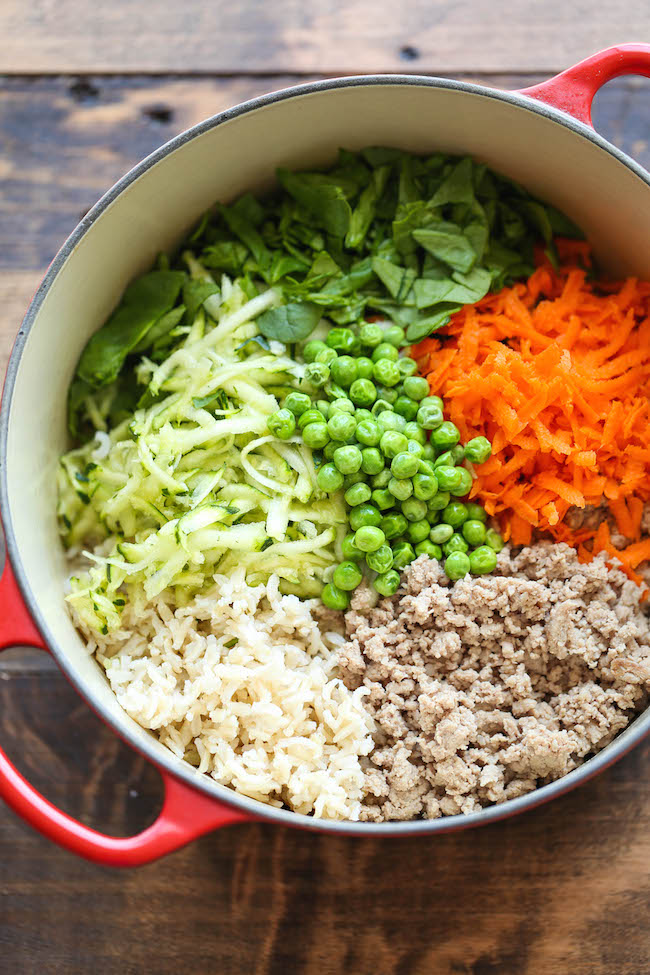
Mix a small amount of homemade food with your dog’s current food. Increase the homemade portion over 7 to 10 days. This helps your dog’s digestive system get used to new ingredients.
Watch For Reactions
Observe your dog for signs of allergies or upset stomach. Look for vomiting, diarrhea, or itching. Stop the new food if any problems occur and consult your vet.
Keep Portions Consistent
Feed the same amount each day to avoid weight changes. Use a measuring cup to control portions. Homemade food can be richer, so watch your dog’s weight closely.
Maintain A Balanced Diet
Include protein, vegetables, and grains in every meal. Use recipes approved by pet nutrition experts. A balanced diet keeps your dog strong and healthy.
Stay Patient
Your dog may take time to accept new flavors. Offer the food without pressure. Keep mealtime calm and positive for best results.
Credit: damndelicious.net
Frequently Asked Questions
What Ingredients Are Safe For Homemade Dog Food?
Safe ingredients include lean meats, rice, carrots, peas, and sweet potatoes. Avoid onions, garlic, grapes, and chocolate as they are toxic to dogs.
How To Balance Nutrients In Homemade Dog Food?
Include protein, carbohydrates, fats, vitamins, and minerals. Consult a vet or pet nutritionist to ensure your dog’s diet meets all nutritional needs.
Can Homemade Dog Food Improve My Dog’s Health?
Yes, homemade meals can improve digestion, skin, and coat health. Fresh, whole ingredients often boost energy and reduce allergies compared to commercial foods.
How Often Should I Feed My Dog Homemade Food?
Feed adult dogs twice daily, adjusting portions based on size and activity. Puppies may need three to four smaller meals per day for growth.
Conclusion
Feeding your dog homemade food can be healthy and safe. Choose fresh, simple ingredients your dog enjoys. Balance protein, vegetables, and grains for good nutrition. Always check with a vet before changing meals. Cooking at home helps you know exactly what’s inside.
Your dog will appreciate the love and care in every bite. Try recipes slowly and watch how your dog reacts. Homemade meals can support a happy, healthy pet life. Give your dog the best with thoughtful homemade food.


