

If you have a senior dog, you probably want to give them the best care possible. One question that might be on your mind is: can senior dogs eat adult food?
Choosing the right food for your older dog is more important than you think. What you feed them affects their energy, health, and happiness every day. You’ll discover why feeding your senior dog the right food matters and what you should consider before making a switch.
Keep reading to make sure your furry friend stays healthy and comfortable as they age.

Credit: jiminys.com
Nutritional Needs Of Senior Dogs
Senior dogs have unique nutritional needs that differ from younger dogs. Their bodies change as they age, affecting how they use food and energy. Feeding the right diet helps keep them healthy and comfortable in their golden years.
Understanding these needs is important to choose the best food for your senior dog. Let’s explore the key factors that affect their nutrition.
Changes In Metabolism
As dogs grow older, their metabolism slows down. They burn fewer calories than before. This means they need less energy from food but still require nutrients for body functions. A slower metabolism can lead to weight gain if their diet is not adjusted.
Common Health Concerns
Senior dogs often face health issues like joint pain, kidney problems, or dental disease. These conditions can affect how they eat and digest food. Foods rich in antioxidants and easy-to-digest ingredients support their health. Special diets may help manage these problems better.
Energy Requirements
Older dogs need fewer calories but still require good protein to maintain muscle. Balanced fats help keep their coat shiny and skin healthy. Providing the right amount of energy prevents obesity and supports overall wellness. Feeding adult food might not meet these precise needs.

Credit: www.nbmoa.org
Differences Between Adult And Senior Dog Food
Adult and senior dog foods differ in many ways. These differences help meet the changing needs of dogs as they age. Senior dogs need special nutrition to support their health and energy. Understanding these differences helps pet owners choose the best food for their older dogs.
Calorie Content
Senior dog food usually has fewer calories than adult food. Older dogs tend to be less active. Lower calories help prevent weight gain. Maintaining a healthy weight reduces stress on joints and organs. Adult dog food has more calories to support higher energy levels.
Protein And Fat Levels
Protein in senior dog food supports muscle health and repair. It is often easier to digest than in adult food. Fat levels are usually lower to avoid excess weight. Good fats like omega-3 help keep joints healthy. Adult dog food has higher protein and fat to fuel active dogs.
Added Supplements
Senior formulas include supplements to support aging bodies. Glucosamine and chondroitin help maintain joint health. Antioxidants support the immune system. Vitamins like E and C protect cells from damage. Adult food may lack these added supplements.
Risks Of Feeding Adult Food To Senior Dogs
Feeding adult dog food to senior dogs can cause several health risks. Senior dogs have different needs than younger dogs. Their bodies change as they age, so their diet must change too. Adult food may not support these changes properly. The wrong food can affect their weight, digestion, and joint health.
Weight Management Issues
Senior dogs often have slower metabolism. Adult food usually has more calories. This can lead to unwanted weight gain. Extra weight puts stress on their heart and lungs. It also increases the risk of diabetes and other diseases. Keeping a healthy weight is important for their comfort and lifespan.
Digestive Problems
Older dogs have sensitive stomachs. Adult dog food can be harder for them to digest. Ingredients in adult food may cause gas, diarrhea, or constipation. Digestive problems make dogs feel uncomfortable. They can lose appetite or become dehydrated. Special senior formulas are gentler on their digestive system.
Impact On Joint Health
Senior dogs need nutrients that support joints. Adult food may lack enough glucosamine and chondroitin. These help maintain cartilage and reduce arthritis pain. Poor joint health limits their movement and activity. Feeding the right food helps keep joints strong and healthy.
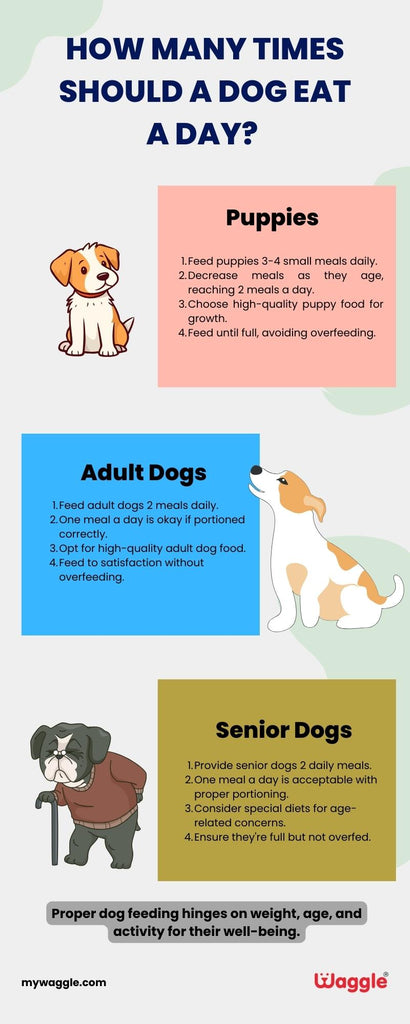
Credit: kamat.com
When Adult Food Might Be Suitable
Senior dogs often need special diets to stay healthy. Yet, some older dogs do well on adult dog food. This section explains when adult food might be okay for senior dogs.
Healthy Senior Dogs
Some senior dogs remain active and healthy. Their bodies may not need special senior formulas. These dogs can eat adult dog food without problems. Watch their weight and energy levels to be sure. Changes in health may require diet updates.
Cost And Availability Factors
Senior dog food can be costly or hard to find. Adult dog food is often cheaper and easier to buy. For some owners, this makes adult food a good choice. Just check the ingredients to meet your dog’s needs. Cost should not stop good nutrition.
Veterinary Recommendations
Veterinarians know each dog’s health best. They can advise if adult food suits your senior dog. Some dogs with no health issues do fine on adult food. Others need special nutrients found only in senior formulas. Always ask a vet before changing food.
Tips For Transitioning To Senior Dog Food
Changing your dog’s food to a senior formula needs care. Sudden changes can upset their stomach or cause refusal to eat. Taking steps to switch food slowly helps your dog adjust well. Watch your dog’s health and mood during this time. Pick a senior dog food that fits their needs for best results.
Gradual Food Changes
Start by mixing a small amount of senior food with the current food. Increase the senior food portion gradually over 7 to 10 days. This slow change helps your dog’s digestion adapt without trouble. Avoid switching food too fast to prevent stomach issues. Be patient and observe your dog’s eating habits closely.
Monitoring Health And Behavior
Check for changes in your dog’s appetite or energy levels daily. Look for signs of upset stomach, like vomiting or diarrhea. Notice if your dog seems less active or more tired than usual. Keep an eye on their weight to ensure they stay healthy. Contact a vet if any problems last more than a few days.
Choosing The Right Senior Formula
Select a dog food made for your dog’s age and size. Senior formulas often have fewer calories and added nutrients for joints and coat. Read the label to avoid ingredients your dog may be allergic to. Choose a brand with good reviews and trusted quality. Your vet can help recommend the best food for your dog.
Frequently Asked Questions
Can Senior Dogs Eat Adult Dog Food Safely?
Senior dogs can eat adult dog food, but it may lack essential nutrients for aging pets. Senior-specific formulas support joint health and digestion better.
What Are The Risks Of Feeding Adult Food To Seniors?
Adult food may cause weight gain or nutrient imbalance in senior dogs. It often lacks joint supplements and fewer calories needed for older pets.
When Should I Switch My Dog To Senior Food?
Switch to senior food around 7 years old or when your dog shows aging signs. Consult your vet for the best transition time and diet.
Are Senior Dog Foods Better Than Adult Foods?
Senior dog foods have tailored nutrients like glucosamine, antioxidants, and fewer calories. They help maintain mobility, health, and weight in older dogs effectively.
Conclusion
Senior dogs need special nutrition to stay healthy and happy. Adult dog food may not meet their unique needs. Choosing the right diet supports their energy, joints, and digestion. Always watch how your dog reacts to any food change. Consult your vet to find the best food for your senior dog.
Feeding your dog well helps them live a longer, comfortable life. Keep their meals balanced and suited to their age. This care shows your love and helps them enjoy their golden years.


