

Choosing the right food for your adult dog can feel overwhelming. With so many brands and options on the market, how do you know which one truly meets your dog’s needs?
Your dog’s health, energy, and happiness depend on what you feed them every day. This guide will help you cut through the confusion and find the best adult dog food brand for your furry friend. Keep reading, and you’ll discover simple tips that make picking the perfect food easier than ever.
Your dog deserves the best, and you’re just one step away from giving it to them.
Key Nutritional Needs
Choosing the right adult dog food means knowing what nutrients your dog needs. Dogs require a balanced mix of proteins, fats, vitamins, minerals, and fiber. These nutrients help keep their body strong and healthy. Understanding key nutritional needs helps you pick the best food for your dog’s well-being.
Essential Proteins And Fats
Proteins build muscles and repair tissues. Look for foods with high-quality animal proteins like chicken, beef, or fish. Fats give energy and support healthy skin and coat. Healthy fats include omega-3 and omega-6 fatty acids. Both proteins and fats are vital for your dog’s daily energy and growth.
Vitamins And Minerals
Vitamins and minerals keep your dog’s body working well. Vitamins A, D, E, and B-complex help with vision, bones, and immune health. Minerals like calcium and phosphorus are important for strong bones and teeth. A good dog food will have a balanced mix of these nutrients.
Importance Of Fiber
Fiber helps your dog’s digestion and keeps bowel movements regular. It also helps control weight by making your dog feel full. Ingredients like beet pulp, pumpkin, and whole grains provide natural fiber. Fiber supports a healthy gut and overall wellness.
Reading Dog Food Labels
Reading dog food labels helps you choose the best nutrition for your adult dog. Labels show what ingredients and nutrients are inside the food. This information tells you if the food meets your dog’s health needs. Understanding these labels protects your dog from poor-quality ingredients.
Ingredients To Look For
Look for real meat like chicken, beef, or fish as the first ingredient. Whole grains such as brown rice or oatmeal provide good energy. Vegetables like sweet potatoes and carrots add vitamins and fiber. Ingredients with natural sources of protein and fat support your dog’s muscles and skin. Healthy oils like fish oil give important omega fatty acids.
Ingredients To Avoid
Avoid dog foods with fillers like corn, wheat, or soy. These offer little nutrition and may cause allergies. Stay away from artificial colors, flavors, and preservatives. Ingredients labeled as “by-products” or “meal” can be low quality. Avoid foods with too many sugars or salt. Poor ingredients can harm your dog’s digestion and health.
Understanding Guaranteed Analysis
Guaranteed Analysis shows the amount of nutrients in the food. It lists protein, fat, fiber, and moisture percentages. High protein supports your dog’s muscles and energy. Fat gives energy and keeps the coat shiny. Fiber helps digestion and stool quality. Moisture content tells how much water is in the food. Use this to compare different brands and formulas.
Types Of Dog Food
Choosing the right food for your adult dog means knowing the types available. Dog food comes in different forms. Each type has benefits that suit various dogs and lifestyles. Understanding these types helps pick the best option for your pet’s health and happiness.
Dry Kibble Benefits
Dry kibble is the most common dog food type. It is easy to store and lasts longer. Kibble helps keep your dog’s teeth clean by reducing plaque. It is usually less expensive than other options. Many brands offer balanced nutrition in dry form. This food type suits busy dog owners well.
Wet Food Advantages
Wet food contains more moisture than dry kibble. It is softer and easier to chew, ideal for older dogs. The strong smell and taste attract picky eaters. Wet food often has fewer preservatives. It helps increase hydration, especially for dogs that drink less water.
Raw And Homemade Options
Raw and homemade foods let you control ingredients. This option can be fresher and free from additives. Some dogs thrive on raw diets with meat, bones, and vegetables. Homemade meals need careful planning to ensure full nutrition. Consult a vet before starting these diets for safety.
Choosing Based On Dog’s Age And Health
Choosing the right dog food depends a lot on your dog’s age and health. Different ages have different needs. Health conditions also affect what food suits best. Feeding the right food helps keep your dog happy and strong.
Adult Dog Specific Needs
Adult dogs need balanced nutrition to stay active. Protein supports muscle maintenance. Fat provides energy without extra weight. Vitamins and minerals keep organs healthy. Foods labeled for adults meet these needs well.
Considerations For Allergies
Some dogs have food allergies or sensitivities. Common allergens include grains, chicken, or beef. Hypoallergenic dog food avoids these ingredients. Limited ingredient diets help identify triggers. Always check labels to avoid allergic reactions.
Weight Management Formulas
Obesity is common in adult dogs. Weight management food controls calorie intake. These formulas often include more fiber. Fiber helps dogs feel full longer. Maintaining a healthy weight prevents many health issues.
Evaluating Brand Reputation
Choosing the right adult dog food brand starts with trust. Evaluating a brand’s reputation helps ensure your dog gets safe, nutritious meals. A good reputation shows the company cares about quality and pet health. You can check a brand’s background and feedback to make a smart choice.
Researching Company History
Learn about the brand’s background and how long it has operated. Older companies often have more experience in pet nutrition. Check if the company follows strict quality standards. A transparent history signals honesty and reliability.
Checking Recalls And Safety Records
Look for any past product recalls or safety issues. Frequent recalls may indicate poor quality control. Brands with clean safety records usually maintain high standards. This step protects your dog from harmful ingredients or contamination.
Reading Customer Reviews
Read reviews from other dog owners about their experiences. Real feedback shows how well the food works and if dogs like it. Pay attention to comments about health improvements or problems. Honest reviews help you avoid brands with hidden issues.

Credit: www.amazon.com
Consulting Your Veterinarian
Choosing the right adult dog food brand is important for your pet’s health. Your veterinarian can help you make the best choice. They know your dog’s needs and health history well. Talking with them ensures your dog gets the proper nutrition.
Personalized Recommendations
Your vet provides food suggestions based on your dog’s age, size, and lifestyle. Each dog has unique needs. Some need more protein, others need fewer calories. Your vet can guide you to brands that match these needs. This helps your dog stay healthy and active.
Monitoring Dietary Changes
Switching dog food can cause stomach upset. Your vet watches how your dog reacts to new food. They check for allergies or digestive issues. This careful monitoring keeps your dog safe. Your vet can suggest adjustments if problems arise.
Addressing Special Health Issues
Dogs with health problems need special diets. Your vet knows which ingredients to avoid. They recommend foods that support conditions like kidney disease or diabetes. This support helps your dog feel better and live longer. Following your vet’s advice is key.
Budgeting For Quality
Choosing the right dog food means thinking about money and quality. A good diet helps your dog stay healthy. It can cost more upfront but saves money on vet bills later. Budgeting for quality dog food is smart. It keeps your dog strong and happy.
Balancing Cost And Nutrition
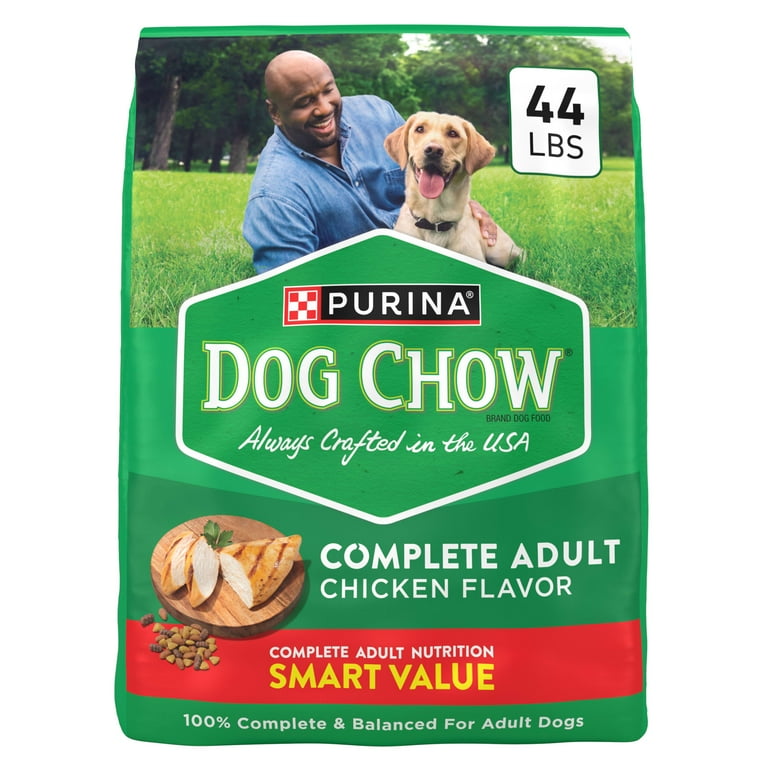
Good dog food costs more than cheap brands. But cheap food often has fillers and fewer nutrients. Look for brands that list real meat first. Check for vitamins and minerals your dog needs. Spend a little more for better ingredients. This balance protects your dog’s health without overspending.
Avoiding Low-quality Shortcuts
Some brands cut costs by using poor ingredients. These can harm your dog’s digestion and energy. Avoid foods with too many by-products or artificial additives. These shortcuts can lead to health problems. Choose brands with clear, honest labels. Quality ingredients mean a happier, healthier dog.
Long-term Health Investment
High-quality food supports your dog’s immune system and coat. It helps prevent diseases and costly treatments. Feeding good food now saves money on vet visits later. Think of it as an investment in your dog’s future. Quality dog food helps your dog live longer and feel better every day.
Credit: www.walmart.com

Credit: www.walmart.com
Frequently Asked Questions
What Ingredients Should I Look For In Adult Dog Food?
Look for high-quality protein, whole grains, and healthy fats. Avoid artificial additives, fillers, and excessive by-products. Balanced nutrition ensures your dog stays healthy and active.
How Do I Choose Dog Food Based On My Dog’s Age?
Select food labeled specifically for adult dogs. It meets their unique nutritional needs for maintenance and energy. Avoid puppy or senior formulas unless advised by a vet.
Is Grain-free Dog Food Better For Adult Dogs?
Not always. Grain-free is beneficial for dogs with allergies. Otherwise, grains provide essential nutrients and fiber. Consult your vet before switching to grain-free options.
How Important Is Brand Reputation When Picking Dog Food?
Very important. Trusted brands maintain quality control and use safe ingredients. Check reviews, recalls, and certifications to ensure your dog’s health and safety.
Conclusion
Choosing the right adult dog food takes time and care. Focus on quality ingredients and your dog’s needs. Check labels for nutrients that support health and energy. Remember, every dog is different and may like certain flavors. Consult your vet for advice on special diets.
Feeding your dog well helps them live a happy life. Keep learning and adjusting as your dog grows. A good diet shows in your dog’s coat, energy, and mood. Simple steps lead to a healthier, happier pet.


