Are you sure your dog is getting the right nutrition? What your furry friend eats every day plays a huge role in their health, happiness, and energy.
But with so many options and opinions out there, it’s easy to feel confused. Understanding what nutrition your dog truly needs can help you make smarter choices that keep their tail wagging and their body strong. Keep reading to discover the simple, essential nutrients that will make a big difference in your dog’s life.
Key Nutrients For Dogs
Dogs need a balanced diet to stay healthy and active. Their food must contain key nutrients. These nutrients help dogs grow, repair tissues, and keep energy levels steady. Each nutrient plays a special role in a dog’s body. Understanding these can help you choose the best food for your pet.
Proteins And Amino Acids
Proteins build muscles and repair tissues. They also support the immune system. Amino acids are the building blocks of proteins. Dogs need essential amino acids from their diet. Good sources include meat, eggs, and fish. Protein quality affects how well dogs use it.
Fats And Fatty Acids
Fats provide energy and help absorb vitamins. They keep a dog’s skin and coat healthy. Fatty acids like omega-3 and omega-6 reduce inflammation. These come from fish oil and flaxseed. Too much fat can cause weight gain. Balance is important for fat intake.
Carbohydrates And Fiber
Carbohydrates supply energy for daily activities. Fiber aids digestion and keeps the gut healthy. Whole grains and vegetables are good carb sources. Fiber helps prevent constipation. Dogs do not need large amounts of carbs but some are helpful.
Vitamins And Minerals
Vitamins support many body functions. They help with vision, skin, and bones. Minerals like calcium and phosphorus strengthen teeth and bones. Iron helps carry oxygen in blood. Dogs get these nutrients from meat, vegetables, and supplements. Deficiency can cause health problems.
Water’s Role In Health
Water is vital for all life processes. It keeps dogs hydrated and regulates body temperature. Water helps remove toxins and supports digestion. Fresh water should always be available. Dehydration can lead to serious health issues quickly.

Credit: www.kwikpets.com
Tailoring Diet By Life Stage
Dogs need different nutrients at each stage of life. Their bodies grow and change, so their food must change too. Feeding the right diet helps dogs stay healthy and active. Tailoring their diet by life stage ensures they get what they need.
Nutrition For Puppies
Puppies grow fast and need extra energy. Protein helps build strong muscles. Fat provides energy for play and growth. Puppies need more vitamins and minerals than adults. Calcium and phosphorus support healthy bones and teeth. Feeding puppy food supports their rapid development.
Adult Dog Requirements
Adult dogs need balanced nutrition to maintain health. Protein keeps muscles strong and repair cells. Fat gives energy but in smaller amounts than puppies. Fiber helps digestion and keeps the stomach calm. Adults need fewer calories than growing puppies. Feeding the right portions prevents weight gain.
Senior Dog Diet Adjustments
Senior dogs have slower metabolisms and less energy. They need fewer calories to avoid obesity. Protein supports muscle maintenance but in easier-to-digest forms. Joint-supporting nutrients like glucosamine help mobility. Senior dogs benefit from foods rich in antioxidants. Their diets should support aging bodies gently.
Choosing The Right Food
Choosing the right food for your dog is very important. Dogs need the right nutrients to stay healthy. Good food helps them have energy and live longer. There are many options to pick from. Knowing the basics helps you make the best choice for your pet.
Commercial Vs. Homemade Meals
Commercial dog food is made to give balanced nutrition. It is easy to buy and serve. Most brands add vitamins and minerals to meet your dog’s needs. Homemade meals let you control ingredients. You can use fresh meat, vegetables, and grains. But homemade food must be planned well. Missing nutrients can cause health problems.
Reading Dog Food Labels
Labels show what is inside the food. Look for protein sources like chicken or beef first. Check for added vitamins and minerals. Avoid foods with too many fillers or artificial colors. Ingredients are listed from most to least. Quality ingredients at the top mean better food. Also, check the expiration date to keep food fresh.
Benefits Of Balanced Diets
A balanced diet keeps your dog strong and active. It supports healthy skin and a shiny coat. Proper nutrition helps the immune system fight sickness. Balanced meals give your dog the right energy daily. It also aids good digestion and weight control. Feeding your dog well means a happier pet.
Credit: www.gallant.com
Special Dietary Needs
Dogs have special dietary needs that go beyond basic nutrition. These needs vary by age, health, and lifestyle. Meeting these needs helps keep dogs healthy and happy. Paying attention to special diets can prevent many health problems. It also improves their quality of life.
Food Allergies And Sensitivities
Some dogs react badly to certain foods. Common allergens include wheat, soy, and chicken. Signs of allergies include itching, ear infections, and stomach upset. Identifying the allergen helps avoid it in their diet. Many vets recommend limited ingredient diets for sensitive dogs. These diets use simple ingredients to reduce reactions.
Weight Management Tips
Maintaining a healthy weight is vital for dogs. Overweight dogs face risks like diabetes and joint pain. Feeding measured portions prevents overeating. Choose foods with balanced nutrients and lower calories. Regular exercise supports weight control and overall health. Treats should be given sparingly and be healthy.
Diet For Health Conditions
Dogs with health issues need special diets. Kidney disease requires low-protein, low-phosphorus food. Heart problems benefit from diets low in salt. Dogs with diabetes need consistent carbohydrate levels. Always follow your vet’s advice on diet changes. Proper nutrition can improve symptoms and slow disease progress.
Feeding Tips For Optimal Health
Feeding your dog well helps keep them happy and strong. Dogs need the right food in the right amount. Giving the right meals supports their energy and health. Follow simple tips to make sure your dog eats healthy every day.
Meal Frequency And Portion Control
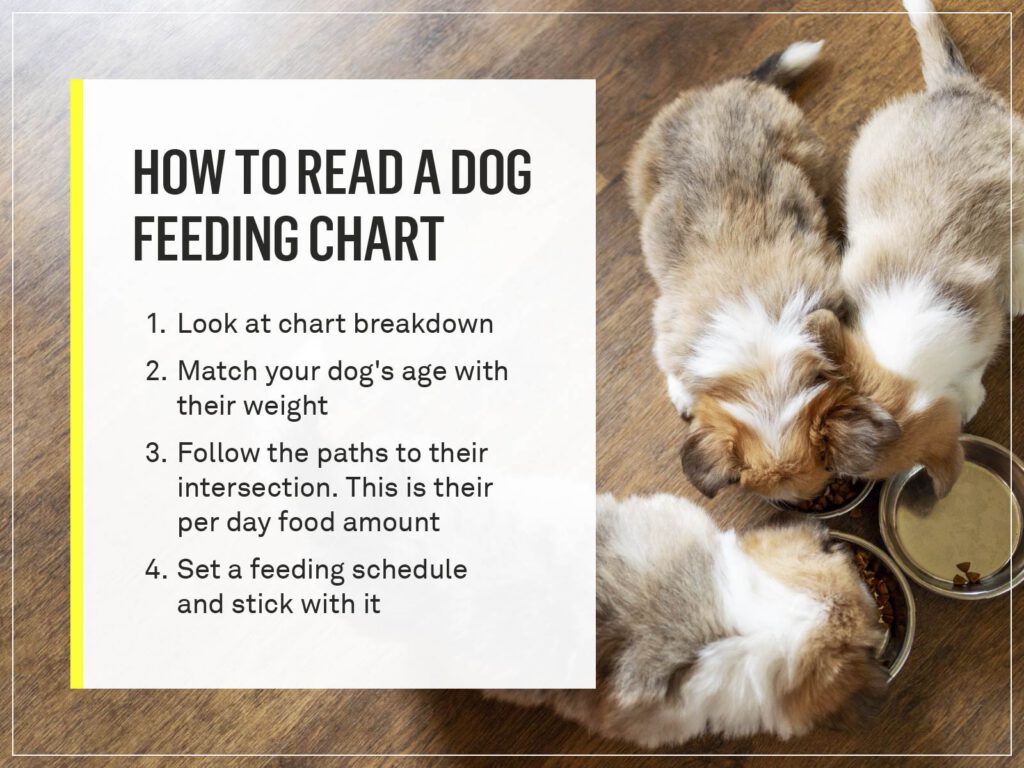
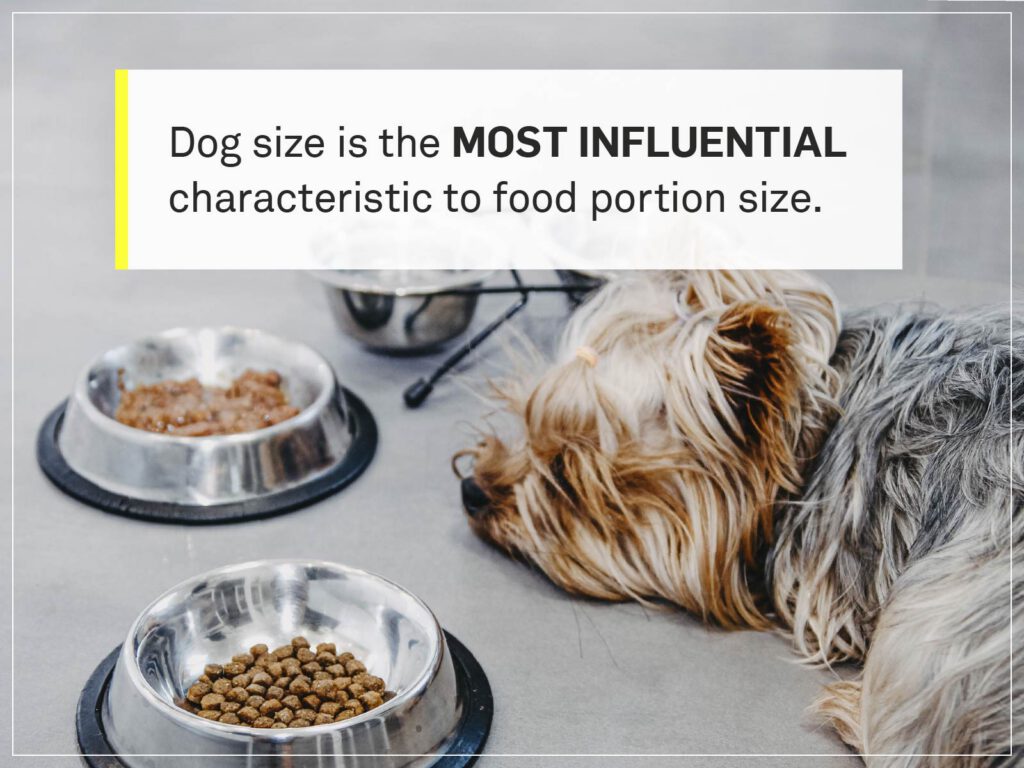
Feed adult dogs two times a day. Puppies need three to four meals daily. Small, regular meals avoid overeating and stomach issues. Measure food portions with a cup or scale. Adjust portions based on your dog’s size and activity. Avoid free feeding to control weight and health.
Avoiding Harmful Foods
Some foods are dangerous for dogs. Chocolate, grapes, onions, and garlic can cause illness. Avoid giving bones that can splinter and hurt your dog. Keep sugary or salty snacks away. Stick to dog-safe treats to protect your pet’s health.
Hydration Strategies
Water is as important as food. Always provide fresh, clean water for your dog. Change water daily to keep it fresh. In hot weather, offer water more often. Wet food can help increase water intake. Hydration supports digestion and body functions.
Credit: www.gallant.com
Frequently Asked Questions
What Are The Essential Nutrients For A Dog’s Diet?
Dogs need protein, fats, carbohydrates, vitamins, and minerals. Protein supports muscle growth. Fats provide energy. Carbs aid digestion. Vitamins and minerals boost immunity and overall health. A balanced diet ensures your dog stays healthy and active.
How Much Protein Does A Dog Require Daily?
Adult dogs need about 18-25% protein in their diet. Puppies and active dogs require more for growth and energy. High-quality animal protein sources like chicken, beef, or fish are best for muscle maintenance and repair.
Can Dogs Eat Fruits And Vegetables Safely?
Yes, many fruits and vegetables are safe and nutritious for dogs. They provide vitamins, fiber, and antioxidants. Avoid toxic foods like grapes, onions, and garlic. Always introduce new foods gradually and monitor for allergies.
Why Is Hydration Important For Dogs?
Water is crucial for digestion, temperature regulation, and nutrient absorption. Dogs should have constant access to fresh water. Proper hydration prevents kidney issues and supports overall health and energy levels.
Conclusion
A dog’s nutrition shapes its health and happiness daily. Balanced meals keep dogs strong and active. Proteins, fats, vitamins, and minerals all play key roles. Fresh water supports every vital function. Feeding the right food helps prevent illness and supports growth.
Watch your dog’s energy and coat for signs of good health. Proper nutrition makes a big difference in your dog’s life. Careful choices help your pet live longer and feel better. Simple steps lead to a happier, healthier dog every day.