

Understanding your dog’s behavior can feel like solving a tricky puzzle. You want to know what your furry friend is trying to tell you, but sometimes their actions are confusing.
That’s where a Dog Behavior Chart comes in. It’s a simple tool designed to help you track, recognize, and respond to your dog’s moods and habits. By using this chart, you’ll gain clear insights into your dog’s needs and emotions, making your bond stronger and your home happier.
Keep reading, and you’ll discover how this easy guide can transform the way you communicate with your dog every day.
Common Dog Behaviors
Dogs use many behaviors to communicate with humans and other animals. Understanding these behaviors helps build a strong bond. Common dog behaviors show how dogs feel and think. These actions include body language, sounds, and movements. Recognizing them can prevent problems and improve training.
Body Language Signals
Dogs speak mostly through body language. Tail wagging can mean happiness or excitement. A stiff body may show alertness or fear. Ears that stand up often mean curiosity. Licking lips can signal nervousness or submission. Watching these signals helps understand your dog’s mood.
Vocalizations And What They Mean
Dogs use different sounds to express themselves. Barking can mean warning, excitement, or seeking attention. Whining often shows stress or a need for something. Growling warns of discomfort or anger. Howling may express loneliness or call others. Listening carefully reveals what your dog wants to say.
Playful Vs Aggressive Actions
Playful actions include bowing, jumping, and gentle biting. Dogs lower their front legs to invite play. Wagging tails with relaxed bodies usually mean fun. Aggressive actions include snarling, showing teeth, and lunging. Stiff movements and fixed staring warn of aggression. Knowing the difference keeps interactions safe and happy.

Credit: www.teacherspayteachers.com
Reading Your Dog’s Emotions
Understanding your dog’s emotions helps build a stronger bond. Dogs use body language to show feelings. Learning these signs makes communication easier.
Reading your dog’s emotions involves watching their face, tail, and posture. Notice changes in their usual behavior. This helps you respond with care and attention.
Signs Of Happiness
A happy dog often wags its tail gently. Their eyes look soft and relaxed. Ears are in a natural, calm position.
They may play, jump, or show excitement. A relaxed mouth, slightly open with tongue out, means contentment. Happy dogs have loose, wiggly bodies.
Indicators Of Stress
Stress signs include panting even without heat. Yawning or licking lips often signals discomfort. Dogs may avoid eye contact or turn their head away.
Tense body or stiff tail shows stress. Some dogs may pace or hide. Watch for shaking or whining as well.
Recognizing Fear And Anxiety
Fearful dogs lower their bodies close to the ground. Tail may tuck tightly between legs. Eyes can look wide with whites showing.
They might growl, bark, or try to escape. Some freeze and stay very still. Fear can lead to hiding or trembling.
Behavioral Patterns By Breed
Dog breeds show different behavior patterns. These patterns help owners understand their pets better. Knowing breed behavior can improve training and care. Each breed has unique traits that shape its actions.
High Energy Vs Calm Breeds
Some breeds are very active and need lots of exercise. Examples include Border Collies and Jack Russell Terriers. They enjoy running and playing all day. Calm breeds like Bulldogs or Basset Hounds prefer short walks. They rest more and have a relaxed pace. Matching energy levels with lifestyle helps dogs stay happy.
Social Tendencies
Many dogs love being around people and other animals. Labrador Retrievers and Golden Retrievers are very friendly. Other breeds, such as Shiba Inus, may be more independent. Some dogs bark or act shy with strangers. Understanding social behavior aids in socializing and training.
Common Breed-specific Issues
Certain breeds face typical behavior challenges. For example, German Shepherds may be protective or territorial. Chihuahuas often show nervousness or barking. Knowing these issues helps prevent problems early. Proper training and care reduce unwanted behaviors.
Training Tips Based On Behavior
Training your dog becomes easier when you understand their behavior. Each dog acts in unique ways that show their feelings and needs. Using a behavior chart helps identify good and bad habits. Training tips based on this chart guide you to teach your dog effectively. You create a strong bond and encourage good manners. Below are key methods that work well with most dogs.
Positive Reinforcement Techniques
Reward your dog for good actions. Use treats, praise, or pets as rewards. This motivates your dog to repeat good behavior. Keep rewards timely and consistent for best results. Avoid punishing mistakes; focus on what you want instead. Positive reinforcement builds confidence and makes training fun.
Correcting Unwanted Behaviors
Stop bad habits early before they become routine. Use a calm voice to say “no” or “stop.” Redirect your dog to a better activity right away. Avoid yelling or hitting, as this scares your dog. Consistency is key. Everyone in the family should follow the same rules.
Building Trust And Communication
Spend quality time with your dog every day. Talk softly and use gentle touches to connect. Watch your dog’s body language to understand their feelings. Be patient and clear with your commands. Trust grows when your dog feels safe and loved. This trust makes training smoother and deeper.
When To Seek Professional Help
Knowing when to seek professional help for your dog’s behavior is very important. Some problems need expert care to keep your dog happy and safe. Early help can stop bad habits from getting worse. Watch your dog closely and act quickly if you see troubling signs.
Signs Of Behavioral Problems
Dogs show many signs when they struggle with behavior. Aggression toward people or other animals is a big concern. Constant barking or whining can mean stress or fear. Destructive chewing or digging may show anxiety or boredom. Sudden changes in appetite or sleep also matter. These signs mean your dog needs more than basic training.
Choosing A Trainer Or Behaviorist
Selecting the right expert makes a big difference. Trainers focus on teaching commands and good manners. Behaviorists handle deeper issues like fear or aggression. Check their experience and qualifications carefully. Ask about their methods and how they work with dogs. Choose someone who uses kind, reward-based techniques. This helps your dog learn without fear.
Therapies And Treatments
Professional help may include many kinds of therapy. Behavior modification uses rewards to change bad habits. Some dogs need medication to ease anxiety or aggression. Environmental changes, like more exercise or quiet spaces, help too. Consistent routines and positive support speed up progress. Follow your expert’s advice closely for best results.
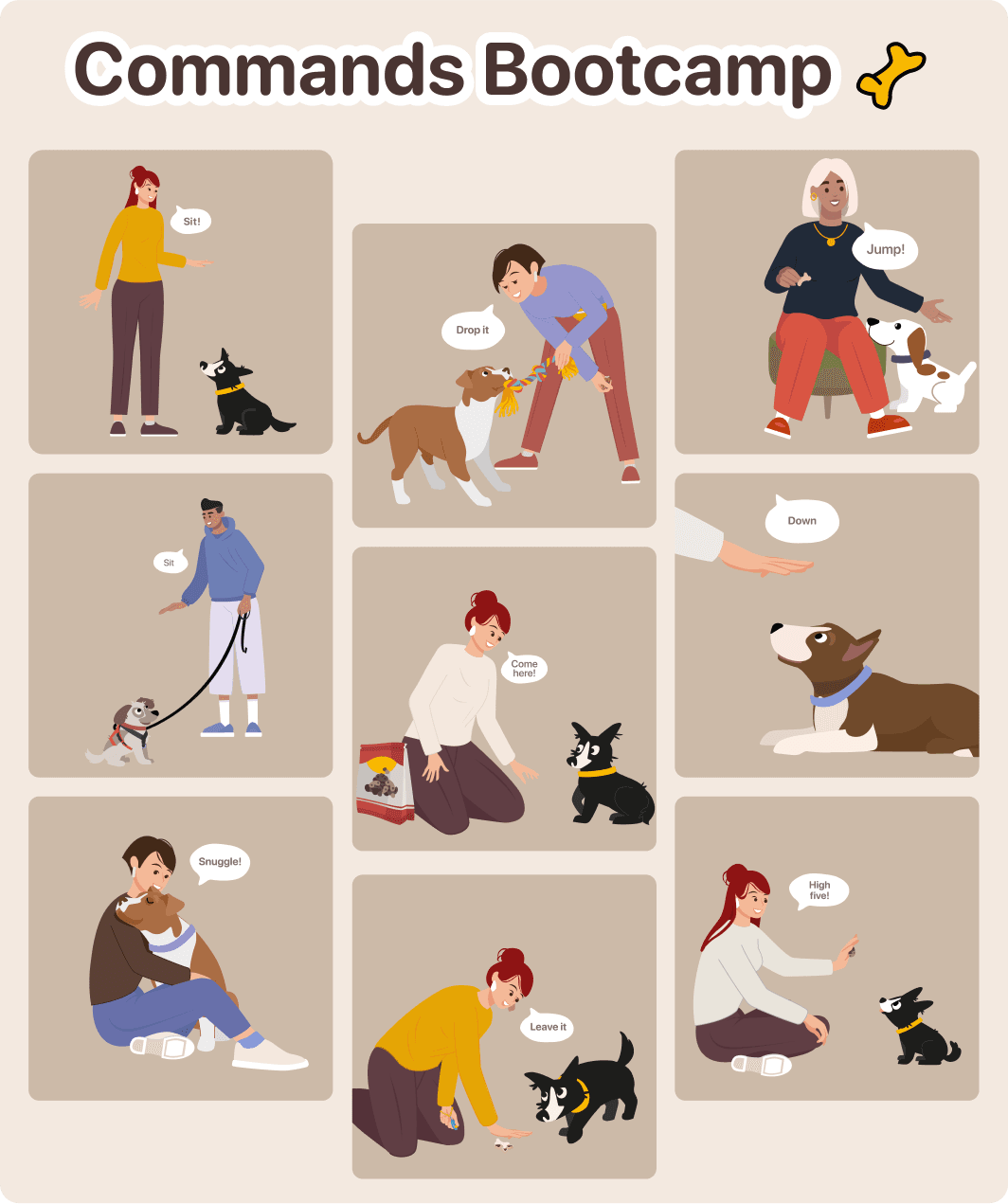
Credit: www.woofz.com
Using A Dog Behavior Chart
Using a dog behavior chart helps you understand your pet better. It shows patterns in your dog’s actions and mood. This tool guides you in giving the right care and training. Tracking behavior daily makes changes clear and easy to see.
How To Track Your Dog’s Actions
Start by noting your dog’s activities each day. Write down eating, playing, sleeping, and any unusual acts. Use simple words or checkboxes for quick recording. Be consistent with the time you observe your dog. Short notes every day build a full picture over time.
Interpreting The Chart
Look for trends in your dog’s behavior on the chart. See if certain actions happen more often or at specific times. Spot signs of stress, excitement, or discomfort. Compare good days with bad days to find possible causes. This helps you understand your dog’s needs clearly.
Adjusting Care Based On Observations
Use the chart insights to improve your dog’s care. Change feeding times or types if needed. Add more play or rest depending on behavior. Address any problems early with training or a vet visit. Small changes can make your dog happier and healthier.

Credit: doglife.dog
Frequently Asked Questions
What Is A Dog Behavior Chart?
A dog behavior chart tracks your dog’s actions and reactions. It helps identify patterns and improve training and communication.
How Can A Dog Behavior Chart Help Training?
It highlights positive and negative behaviors, allowing targeted training. This improves obedience and strengthens your bond with your dog.
What Behaviors Are Included In The Chart?
Common behaviors include barking, chewing, digging, aggression, and obedience. The chart can be customized to your dog’s specific habits.
How Often Should I Update The Behavior Chart?
Update the chart daily or weekly for best results. Regular tracking helps spot changes and measure training progress effectively.
Conclusion
A dog behavior chart helps you understand your pet better. It shows patterns in how your dog acts each day. This tool makes training easier and more effective. Watching changes can help spot health or mood issues. Keep the chart simple and update it often.
It supports building a stronger bond with your dog. Small steps lead to big progress in behavior. Use this chart as a guide, not a rule. Enjoy learning about your dog’s unique personality.


