

Are you wondering if it’s safe for your adult dog to eat puppy food? You’re not alone.
Many dog owners ask this question because they want the best for their furry friends. Feeding your dog the right food is more important than you might think. It affects their health, energy, and happiness every single day. Keep reading to find out what happens when adult dogs eat puppy food, and whether it’s a good idea for your pet’s well-being.
This could change how you feed your dog forever.
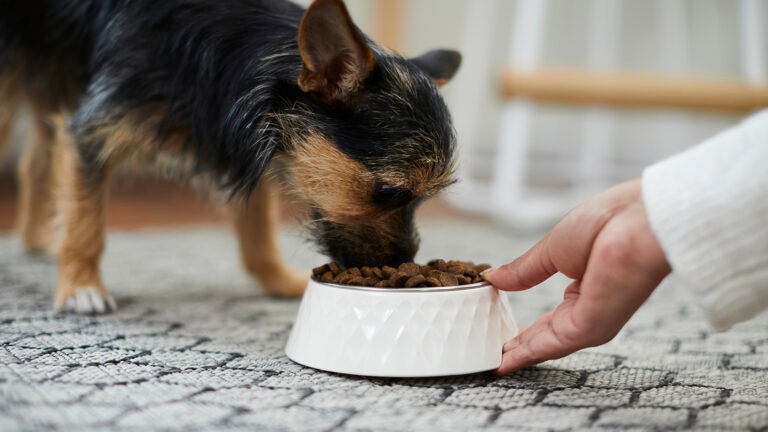
Credit: www.chewy.com
Nutritional Needs Of Adult Dogs
Adult dogs have different food needs than puppies. Their bodies work in unique ways. Adult dogs need food that supports their energy and health. Feeding the right diet helps them stay strong and live longer.
Calories And Nutrient Differences
Adult dogs need fewer calories than puppies. Puppies burn more energy growing fast. Too many calories can cause weight gain in adult dogs. Their food has fewer fats and carbs to match this need. The nutrients in adult dog food help maintain muscles and organs. These foods contain balanced vitamins and minerals for healthy bodies.
Protein And Fat Requirements
Puppies need more protein to build muscles quickly. Adult dogs need less protein but still require good quality sources. Fat levels in adult dog food are lower than in puppy food. This helps avoid extra weight and keeps their coat shiny. Protein and fat in adult dog food support steady energy and health.

Credit: www.purina.com
What Puppy Food Contains
Puppy food is designed to support growing dogs. It contains specific ingredients that help puppies build strong bones and muscles. The nutrients in puppy food differ from adult dog food. Understanding what puppy food contains helps to decide if adult dogs should eat it.
Higher Calorie Content
Puppy food has more calories than adult dog food. Puppies need extra energy to grow fast and stay active. The higher calorie content helps them gain weight and develop properly. Adult dogs do not require as many calories. Too many calories can lead to weight gain in adult dogs.
Enhanced Vitamins And Minerals
Puppy food includes extra vitamins and minerals. These nutrients support healthy bone growth and brain development. Important minerals like calcium and phosphorus are higher in puppy food. Vitamins such as vitamin E and B complex help build strong immunity. Adult dogs have different vitamin and mineral needs. Feeding puppy food to adults might give too much of some nutrients.
Potential Effects On Adult Dogs
Feeding adult dogs puppy food can lead to some health issues. Puppy food contains more calories and nutrients than adult dog food. This difference can affect an adult dog’s body in several ways. Understanding these effects helps keep your dog healthy and happy.
Weight Gain Risks
Puppy food is rich in calories. Adult dogs eating this food may gain extra weight. Extra weight stresses joints and organs. Overweight dogs have higher risks of diseases. Keeping an adult dog on a proper diet helps maintain a healthy weight.
Digestive Concerns
Puppy food has more fat and protein. An adult dog’s stomach might struggle to digest it. This can cause stomach upset, diarrhea, or vomiting. Sensitive dogs may have stronger reactions. Feeding the right food supports good digestion and comfort.
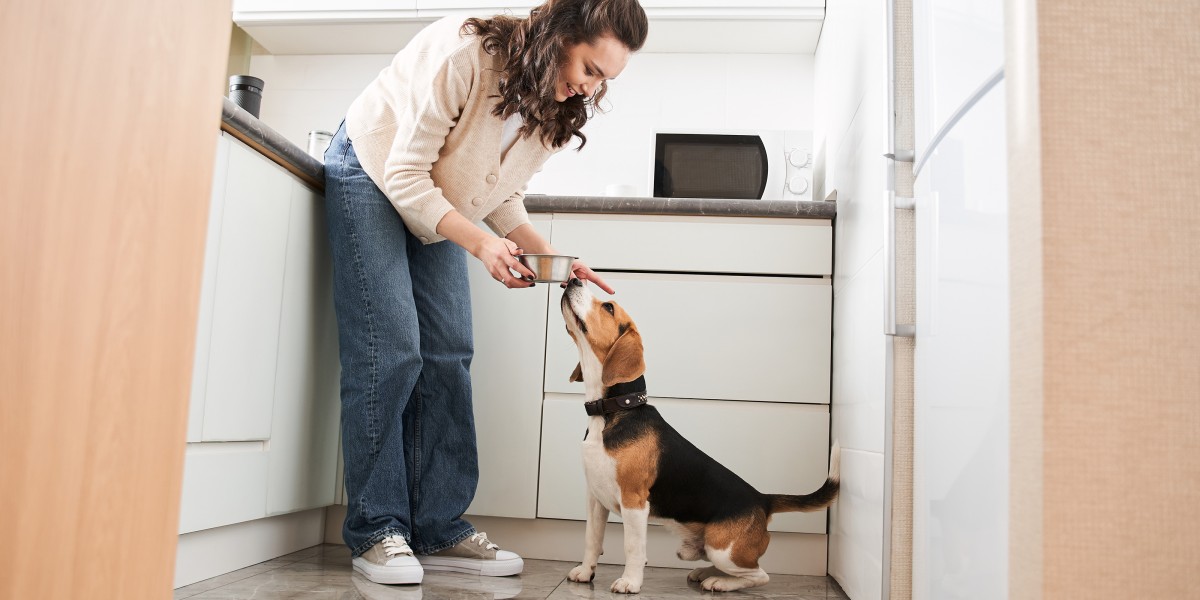
Credit: www.purina.com
When Puppy Food Might Be Suitable
Puppy food is made with extra nutrients to help young dogs grow strong. Adult dogs usually do not need these extra nutrients. Still, some adult dogs might benefit from puppy food. Their bodies may need more energy, protein, and vitamins to stay healthy.
Underweight Or Malnourished Adults
Adult dogs that are underweight or malnourished may need puppy food. The extra calories and nutrients can help them gain weight. This food supports muscle growth and helps repair their body. It is important to check with a vet before making the change.
Pregnant Or Nursing Dogs
Pregnant or nursing dogs need more nutrients than usual. Puppy food provides extra protein and calories for their health. It helps support their puppies’ growth and development. Feeding puppy food during this time can keep mother dogs strong and healthy.
Comparing Adult And Puppy Food Labels
Comparing adult and puppy food labels helps you understand their nutritional differences. Puppy food is made to support growth and high energy needs. Adult dog food focuses on maintenance and balanced nutrition. Reading labels carefully can guide you in choosing the right food for your dog.
Reading Ingredient Lists
Ingredient lists show what is inside the dog food. Puppy food usually has more protein and fat sources. It often contains chicken, fish, or lamb as the first ingredient. Adult food may have fewer fats and more fiber. Watch for fillers or artificial additives in both types. Good ingredients mean better health for your dog.
Understanding Guaranteed Analysis
The guaranteed analysis shows nutrient percentages. Puppy food has higher protein and fat levels. This supports their growing muscles and energy. Adult food has moderate protein and fat for daily needs. Check for minimum crude protein and fat values. Also, note fiber and moisture content. This helps you compare the food’s quality and balance.
Veterinarian Recommendations
Veterinarians give clear advice on adult dogs eating puppy food. They focus on health and nutrition needs. Adult dogs have different requirements than puppies. Feeding the wrong food can cause problems over time.
Experts suggest choosing food based on your dog’s age, size, and health. They stress the importance of balanced meals that support the dog’s life stage. Puppy food is richer in calories and nutrients, which might not suit an adult dog.
Tailoring Diets To Individual Dogs
Each dog is unique. Vets recommend diets based on the dog’s weight, activity, and health. Some adult dogs may benefit from puppy food temporarily if they need extra calories. Dogs with special health issues need custom diets made by a vet.
Always ask a vet before making diet changes. They can help find the best food for your dog’s needs. Proper nutrition keeps dogs healthy and active for years.
Transitioning Between Foods Safely
Changing a dog’s food must be done slowly. Sudden changes can upset the stomach and cause diarrhea. Vets advise mixing new food with old food over 7-10 days. Gradually increase the new food amount each day.
Watch your dog for any signs of discomfort during the change. If problems appear, slow down the transition or contact your vet. A smooth change helps your dog adjust and keeps digestion healthy.
Alternatives To Puppy Food For Adults
Adult dogs need food that fits their age and health needs. Puppy food has more calories and nutrients meant for growing dogs. Feeding adult dogs only puppy food may cause weight gain or other issues. Choosing the right food helps keep your dog healthy and happy.
Specialized Adult Dog Formulas
Adult dog formulas are made to meet mature dogs’ needs. These foods have balanced protein, fat, and vitamins. They help maintain a healthy weight and support energy levels. Many brands offer options for different sizes and breeds. Choosing a formula suited for your dog’s age is best for long-term health.
Homemade Diet Options
Homemade diets let you control ingredients and quality. Fresh meats, vegetables, and grains can create a balanced meal. Cooking ensures food safety and digestibility. Consult a vet to ensure your recipe meets nutritional needs. Homemade meals can be tasty and healthy for adult dogs.
Frequently Asked Questions
Can Adult Dogs Eat Puppy Food Safely?
Adult dogs can eat puppy food occasionally, but it’s not ideal long-term. Puppy food is richer in calories and nutrients, which may cause weight gain or digestive issues in adults.
What Are The Risks Of Feeding Adult Dogs Puppy Food?
Feeding adult dogs puppy food long-term can lead to obesity and nutrient imbalance. The extra fat and protein may strain their kidneys and digestive system.
How Does Puppy Food Differ From Adult Dog Food?
Puppy food contains higher calories, protein, and fat to support growth. Adult dog food has balanced nutrients to maintain health and prevent weight gain.
When Is It Acceptable To Feed Adult Dogs Puppy Food?
Adult dogs may eat puppy food during recovery or if underweight. Consult a vet before switching diets to ensure proper nutrition and avoid health issues.
Conclusion
Adult dogs can eat puppy food occasionally, but not always. Puppy food has extra nutrients meant for growth. Too much can cause weight gain or upset stomachs. Choose food made for your dog’s age and health. Consult your vet for the best diet advice.
Feeding the right food helps keep dogs healthy and happy. Balance matters. Regular meals with proper nutrition make a big difference. Keep your dog’s needs in mind every day.


