

What is the best nutrition for your dog? If you’ve ever wondered what to feed your furry friend to keep them happy and healthy, you’re not alone.
Choosing the right food can be confusing with so many options available. But getting it right matters—a lot. The food your dog eats affects their energy, mood, and even how long they live. You’ll discover simple, practical tips to make sure your dog gets the best nutrition possible.
Keep reading to find out how you can give your dog the care they deserve through the power of proper feeding.
Credit: www.scmp.com
Essential Nutrients For Dogs
Dogs need a balanced diet to stay healthy and active. Essential nutrients help their bodies grow, repair, and function well. These nutrients come from different food sources. Each plays a unique role in your dog’s health.
Proteins And Their Role
Proteins build muscles, skin, and fur. They help repair tissues and support the immune system. Dogs get proteins from meat, fish, and eggs. High-quality protein is easier for dogs to digest. Without enough protein, dogs can lose energy and weight.
Healthy Fats And Oils
Fats provide energy and keep the skin soft. They help absorb vitamins and support brain health. Omega-3 and Omega-6 fats are important for dogs. Sources include fish oil, flaxseed, and chicken fat. Healthy fats also keep the coat shiny and prevent dryness.
Carbohydrates In Dog Diet
Carbohydrates give dogs a quick energy boost. Whole grains, vegetables, and fruits are good sources. Carbs also provide fiber for healthy digestion. Too many carbs can cause weight gain. Balance is key to maintaining your dog’s weight.
Vitamins And Minerals
Vitamins and minerals support many body functions. Vitamin A helps vision and skin health. Calcium and phosphorus build strong bones and teeth. Dogs need a mix of vitamins like B, C, and D. Minerals such as zinc and iron keep the immune system strong.
Types Of Dog Food
Choosing the right food for your dog is important for its health and happiness. Dogs need balanced nutrition to stay active and strong. Different types of dog food offer various benefits. Understanding these options helps you make the best choice for your pet.
Dry Kibble Benefits
Dry kibble is the most common dog food type. It is easy to store and has a long shelf life. Kibble helps keep your dog’s teeth clean by reducing plaque buildup. It is usually cost-effective and available in many formulas. You can find kibble for different ages and health needs.
Wet Food Advantages
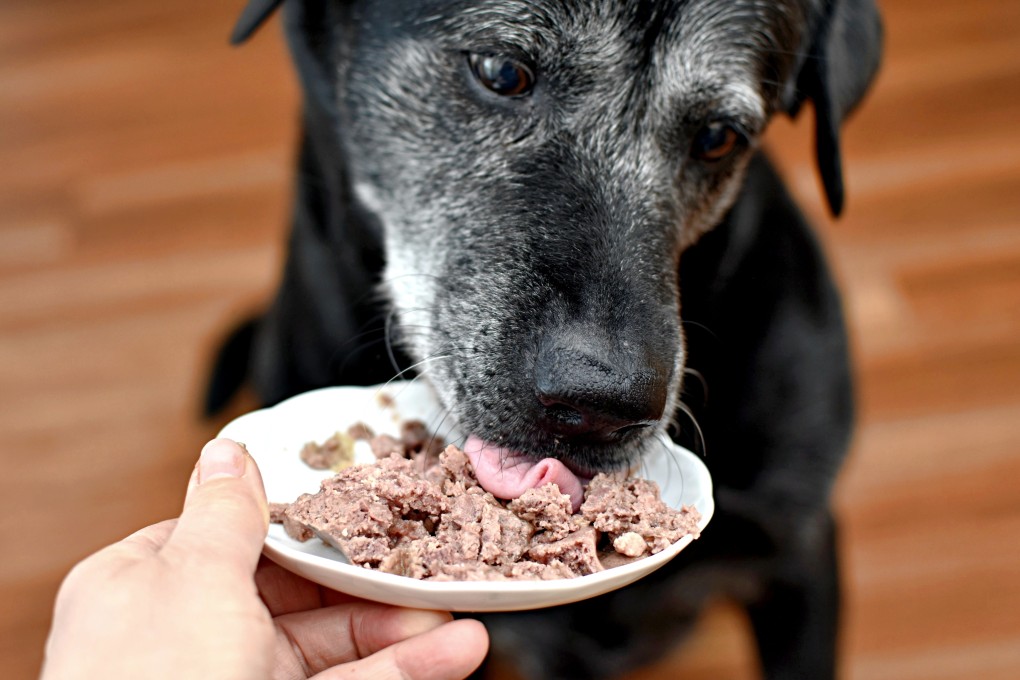
Wet food has high moisture content, which helps dogs stay hydrated. It often has a stronger smell and taste, appealing to picky eaters. Wet food can be easier to chew, especially for older dogs. It usually contains fewer preservatives than dry food. This type supports dogs with dental issues or poor appetite.
Raw And Homemade Diets
Raw and homemade diets use fresh ingredients like meat, vegetables, and grains. Many owners choose this for better control over ingredients. This diet may improve coat shine and energy levels. It requires careful preparation to ensure safety and nutrition. Consulting a vet is important before switching to this type.
Specialty Diets
Specialty diets target specific health needs. These include grain-free, hypoallergenic, or weight management foods. They support dogs with allergies, digestive problems, or obesity. Such diets often come with veterinary guidance. They help maintain your dog’s overall wellness and vitality.
Tailoring Diet To Life Stages
Dogs have different nutrition needs as they grow. Their diet must change to support each stage of life. Proper nutrition helps dogs stay healthy and active.
Each life stage requires special nutrients. Feeding the right diet helps your dog feel good and avoid health problems.
Puppy Nutrition Needs
Puppies need food rich in protein for strong muscles. They also need fats for energy and brain growth. Calcium and phosphorus support healthy bones and teeth. Puppy food has more calories than adult dog food. Feeding small, frequent meals helps puppies grow well.
Adult Dog Diet Tips
Adult dogs need balanced meals to maintain weight and health. Protein helps keep muscles strong. Fats provide energy but should be limited to avoid weight gain. Fiber supports digestion and prevents constipation. Portion control is important to prevent obesity. Fresh water must always be available.
Senior Dog Food Considerations
Senior dogs need fewer calories because they move less. Protein stays important to keep muscles strong. Joint supplements like glucosamine can help older dogs move better. Easily digestible ingredients support sensitive stomachs. Antioxidants help protect cells from damage. Regular vet checks guide diet changes for seniors.
Health Conditions And Diet
Understanding your dog’s health needs helps choose the right diet. Different health conditions require specific nutrition plans. Proper nutrition supports your dog’s well-being and longevity.
Weight Management
Weight control is vital for your dog’s health. Overweight dogs risk diabetes and heart disease. A balanced diet with fewer calories helps maintain healthy weight. Portion control and regular exercise also play key roles.
Allergies And Sensitivities
Food allergies cause itching, ear infections, and stomach upset. Avoid common allergens like wheat, soy, and certain proteins. Choose limited ingredient diets to reduce reactions. Hypoallergenic foods support dogs with sensitive systems.
Digestive Health Support
Good digestion keeps your dog happy and active. Fiber-rich foods improve bowel movements and gut health. Probiotics add good bacteria to aid digestion. Avoid sudden diet changes to prevent stomach upset.
Joint And Bone Care
Strong joints and bones keep dogs moving freely. Omega-3 fatty acids reduce inflammation and support joints. Calcium and phosphorus help build healthy bones. Special diets for older dogs often include these nutrients.
Feeding Guidelines And Tips
Proper feeding guidelines help keep your dog healthy and happy. Good nutrition depends on the right portions, timing, and food choices. This section explains simple tips to feed your dog well. Follow these ideas to support your dog’s health and energy.
Portion Control Strategies
Measure your dog’s food with a cup or scale. Avoid free-feeding to prevent overeating. Adjust portions based on your dog’s age, weight, and activity. Watch your dog’s body shape to keep portions balanced. Speak to your vet for exact portion sizes.
Feeding Frequency
Puppies need three to four meals a day for steady growth. Adult dogs do well with two meals daily. Senior dogs may need smaller, more frequent meals. Keep feeding times consistent to aid digestion and routine. Avoid feeding right before or after exercise.
Hydration Importance
Always provide fresh water near your dog’s feeding area. Water helps with digestion and overall health. Monitor water intake, especially in hot weather or after exercise. Avoid sugary or flavored drinks that can harm dogs. Clean water bowls daily to keep water fresh.
Safe Treats And Snacks
Choose treats made specifically for dogs. Limit treats to less than 10% of daily calories. Use treats for training or rewards, not as meal replacements. Avoid toxic foods like chocolate, grapes, and onions. Fresh veggies like carrots make healthy, safe snacks.

Credit: www.forbes.com
Reading Dog Food Labels
Reading dog food labels helps you choose the right nutrition for your pet. Labels contain important details about ingredients and nutrients. Learning to read them makes feeding safer and healthier.
Key Ingredients To Look For
Protein should be the first ingredient. It supports muscles and energy. Meat, fish, or poultry are good sources. Whole grains like brown rice add fiber and energy. Vegetables provide vitamins and minerals. Healthy fats, such as omega-3, help skin and coat. Check for natural preservatives instead of chemicals.
Avoiding Harmful Additives
Avoid foods with artificial colors and flavors. These add no nutritional value. Stay away from preservatives like BHA, BHT, and ethoxyquin. They may harm your dog’s health. Watch for fillers like corn, wheat, and soy. These can cause allergies or digestion issues. Clean labels usually mean safer food.
Understanding Nutritional Claims
Claims like “complete and balanced” mean the food meets basic needs. Look for AAFCO approval as a quality check. “Grain-free” does not always mean better. Some dogs need grains for energy. “Natural” means fewer synthetic additives but check ingredients. Always read beyond claims to see real content.
Common Myths About Dog Nutrition
Many people believe things about dog nutrition that are not true. These common myths can cause confusion and harm your dog’s health. It is important to know the facts to give your dog the right food.
Below are some myths about dog nutrition that many dog owners believe. Understanding these will help you make better choices for your pet.
Myth: Dogs Only Need Meat To Be Healthy
Some think dogs must eat only meat. Dogs need more than just protein. They also need vitamins, minerals, and fiber found in vegetables and grains. Balanced food keeps dogs strong and active.
Myth: Homemade Food Is Always Better
Cooking for dogs sounds good, but homemade meals can miss key nutrients. Without proper knowledge, homemade food might lack vitamins or minerals. Commercial dog food is made to meet all nutritional needs.
Myth: Dogs Should Eat The Same Food All The Time
Many believe dogs need one type of food only. Variety can help dogs get different nutrients. Changing food slowly can keep dogs interested and healthy.
Myth: Table Scraps Are Good Treats
Giving table scraps is common but not always safe. Some human foods can upset a dog’s stomach or be toxic. Healthy dog treats are a better choice.

Credit: www.sentinelandenterprise.com
Consulting Your Veterinarian
Choosing the best nutrition for your dog can be confusing. Every dog is different and needs specific care. Consulting your veterinarian helps you make the right choices. They know your dog’s health history and needs. This guidance ensures your dog stays healthy and happy.
When To Seek Professional Advice
Seek veterinary advice if your dog shows signs of illness. Sudden weight loss, vomiting, or diarrhea are warning signs. Also ask for help if your dog has allergies or skin problems. Puppies and senior dogs need special nutrition plans. Regular check-ups are good chances to discuss diet changes.
Customizing Your Dog’s Diet
Your veterinarian can create a diet tailored to your dog. They consider age, breed, size, and activity level. Dogs with health issues may need special diets. Vets help choose the right food type and portion size. This personal plan supports your dog’s overall well-being and energy.
Frequently Asked Questions
What Nutrients Are Essential For A Dog’s Diet?
Dogs need proteins, fats, carbohydrates, vitamins, and minerals for balanced nutrition. Proteins support muscles, fats provide energy, and vitamins and minerals ensure overall health.
How Do I Choose The Best Dog Food?
Choose dog food based on your dog’s age, size, and health needs. Look for high-quality ingredients and avoid artificial additives for optimal nutrition.
Can Homemade Meals Meet My Dog’s Nutritional Needs?
Yes, homemade meals can be nutritious if balanced correctly. Consult a vet or pet nutritionist to ensure all essential nutrients are included.
How Often Should I Feed My Dog Daily?
Most adult dogs do well with two meals a day. Puppies may require three to four smaller meals for proper growth and energy.
Conclusion
Choosing the right food helps your dog stay healthy and happy. Balanced meals give energy and support growth. Fresh water is important every day. Avoid harmful foods and check labels carefully. Talk to your vet for advice about special needs.
Feeding with love shows you care. Good nutrition means a longer, better life for your pet. Simple steps can make a big difference. Your dog deserves the best you can give. Keep learning and adjusting as your dog grows.


