

Have you ever stopped to think about what’s really in your hot dog bun? You might focus on the sausage or toppings, but the bun plays a big role in your meal’s nutrition.
Understanding the nutritional value of a hot dog bun can help you make smarter choices for your health. Whether you’re watching your calories, carbs, or fiber, knowing what’s inside that soft bread can change how you enjoy your favorite snack.
Keep reading to discover the facts that could surprise you—and help you take control of your diet.
Credit: www.harristeeter.com
Basic Nutritional Profile
The basic nutritional profile of a hot dog bun gives insight into what it adds to your meal. It mainly provides energy through calories and nutrients that fuel your body. Understanding this profile helps you make better food choices.
Calories And Macronutrients
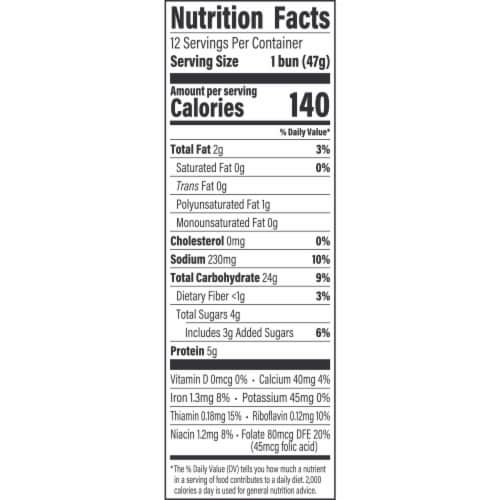
A typical hot dog bun contains about 120 to 150 calories. Most of these calories come from carbohydrates, which make up around 25 to 30 grams per bun. Protein is low, usually 4 to 6 grams, and fat content is minimal, about 1 to 2 grams. The bun offers quick energy mainly through carbs.
Vitamins And Minerals
Hot dog buns provide small amounts of some vitamins and minerals. They often contain iron, which supports blood health. Some buns also have added folic acid and B vitamins for energy metabolism. Sodium levels vary and can be moderate, so watch your intake. The bun offers modest nutrients but mainly serves as an energy source.

Credit: www.brookshires.com
Types Of Hot Dog Buns
Hot dog buns come in different types. Each type has unique nutrition and taste. Choosing the right bun matters for health and flavor. Here are common bun types and their benefits.
White Vs Whole Wheat
White buns use refined flour. They are soft but low in fiber. Whole wheat buns have more fiber and nutrients. They help digestion and keep you full longer. Whole wheat buns are a better choice for health.
Gluten-free Options
Gluten-free buns suit people with gluten intolerance. They use rice, corn, or almond flour. These buns often have less fiber and protein. Check labels to find options with added nutrients. Gluten-free buns let many enjoy hot dogs safely.
Common Additives And Preservatives
Hot dog buns often contain additives and preservatives to keep them fresh and tasty. These ingredients help prevent mold and extend shelf life. They also improve texture and color. Understanding these additives helps you make healthier choices.
Common Additives In Hot Dog Buns
Many hot dog buns include dough conditioners like mono- and diglycerides. They keep the bread soft and improve its texture. Some buns have enzymes to speed up baking. Emulsifiers help mix ingredients evenly.
Preservatives Used To Extend Shelf Life
Preservatives such as calcium propionate are common. They stop mold growth and make buns last longer. Sodium stearoyl lactylate is another preservative used. These chemicals keep buns safe to eat for days.
Other Ingredients To Know
Sugar and salt often appear in hot dog buns. They add flavor and help with preservation. Some buns may contain soy or dairy as additives. Always check the label if you have allergies.
Health Impacts Of Hot Dog Buns
Hot dog buns are a common part of many meals. They add taste and texture but also affect your health. Understanding these effects helps make better food choices. Below, we explore how hot dog buns impact your blood sugar and digestion.
Effects On Blood Sugar
Hot dog buns are mostly made from refined flour. This means they can cause a quick rise in blood sugar. Blood sugar spikes may lead to energy crashes later. People with diabetes should be cautious with these buns. Choosing buns with whole grains can help control blood sugar better.
Fiber Content And Digestion
Most hot dog buns have low fiber content. Fiber helps keep the digestive system healthy. Low fiber may cause slower digestion and discomfort. Eating buns with added fiber improves digestion and fullness. Fiber also supports good gut bacteria and regular bowel movements.
Comparing Hot Dog Buns To Other Breads
Hot dog buns are a popular bread choice for many meals. Comparing their nutrition to other breads helps understand their place in a balanced diet. Different breads offer different nutrients and calories. This section explores how hot dog buns stack up against other common bread types.
Calories And Portion Size
Hot dog buns usually have around 120 to 150 calories each. Regular sandwich bread slices often have fewer calories, about 70 to 80 per slice. Buns tend to be larger and denser than single bread slices. This size difference affects total calorie intake during a meal.
Carbohydrates And Fiber
Hot dog buns contain mostly refined flour, resulting in higher carbohydrates. They offer about 20 to 25 grams of carbs each. Whole wheat bread has more fiber, which helps digestion. Hot dog buns generally have less fiber than whole grain breads.
Protein Content
Protein in hot dog buns is usually low, around 4 grams per bun. Sandwich breads may contain similar or slightly higher protein levels. Protein varies more in breads with added seeds or grains. Hot dog buns focus more on softness than protein richness.
Vitamins And Minerals
Enriched hot dog buns contain some B vitamins and iron. Whole grain breads provide more minerals like magnesium and zinc. Hot dog buns often lack the extra nutrients found in multigrain breads. Choosing breads with added seeds can boost vitamin intake.
Sugar And Fat Levels
Hot dog buns sometimes have added sugars for taste. They usually contain very little fat, under 2 grams per bun. Some breads, like brioche, have higher fat due to butter or eggs. Hot dog buns remain low-fat but can vary in sugar content.
Tips For Healthier Choices
Choosing a hot dog bun can impact your meal’s nutrition. Small changes help you eat healthier without losing taste. Focus on the bun’s ingredients and size. These tips make your hot dog meal better for your body.
Selecting Nutritious Buns
Pick buns made with whole grains. Whole grain buns have more fiber and nutrients. Check the label for “100% whole wheat” or “whole grain.” Avoid buns with many added sugars or artificial ingredients. Buns with seeds or oats add extra fiber and texture. Choose buns with less sodium to protect your heart.
Portion Control Strategies
Choose smaller buns to reduce calorie intake. Eating one smaller bun with your hot dog helps control portions. Share a bun or cut it in half for smaller servings. Avoid eating multiple buns in one meal. Balance your hot dog with vegetables or a salad. This helps you feel full without extra calories.
Myths About Hot Dog Buns
Hot dog buns often get a bad reputation. Many people think they are just empty calories. Others believe they have no nutritional value at all. The truth is more complex. Hot dog buns do contain some nutrients. Understanding these myths helps make better food choices.
Knowing the facts about hot dog buns can change how you see them. They are not just filler for your hot dog. They can be part of a balanced meal when eaten in moderation.
Hot Dog Buns Are Just Empty Carbs
Many say hot dog buns only have empty carbohydrates. But most buns provide energy from carbs. Some buns also have small amounts of fiber. Fiber helps with digestion and keeps you full. Look for whole grain buns to get more nutrients.
Hot Dog Buns Have No Vitamins Or Minerals
Some believe buns contain no vitamins or minerals. This is not true. Buns often have small amounts of iron and B vitamins. These nutrients help your body make energy. Enriched buns have added nutrients to boost their value.
Eating Hot Dog Buns Causes Weight Gain
People often think buns cause weight gain. Weight depends on total calorie intake, not just buns. Eating buns in moderation fits a healthy diet. Combine with vegetables and lean proteins for balance. Portion control is key to avoid extra calories.

Credit: www.naturesownbread.com
Frequently Asked Questions
What Are The Calories In A Typical Hot Dog Bun?
A standard hot dog bun contains around 120 to 150 calories. This varies by brand and size. Most calories come from carbohydrates and some from fats.
How Much Protein Does A Hot Dog Bun Provide?
Hot dog buns usually offer about 4 to 6 grams of protein. This helps support muscle repair but is relatively low compared to the hot dog itself.
Are Hot Dog Buns High In Carbohydrates?
Yes, hot dog buns are primarily made of refined flour. They typically contain 20 to 25 grams of carbohydrates per bun, providing quick energy but limited fiber.
Do Hot Dog Buns Contain Dietary Fiber?
Most hot dog buns have 1 to 2 grams of dietary fiber. Whole wheat varieties have more fiber, which aids digestion and improves satiety.
Conclusion
A hot dog bun adds calories mostly from carbs and some protein. It has little fat but contains fiber if made from whole grains. Choosing whole wheat buns helps increase vitamins and minerals. Watch the serving size to control calorie intake.
Knowing its nutrition helps make better food choices. Simple swaps can improve your meal’s health value. Always balance your diet with fruits, veggies, and proteins. Enjoy your hot dog but stay mindful of the bun’s impact.


