

Are you considering a grain free diet for your dog? You might think it’s the healthiest choice, but there’s more to the story.
What if this popular trend could actually harm your furry friend? Understanding the risks behind grain free dog food is crucial for your pet’s well-being. Keep reading to discover what’s really bad about grain free diets and how to make the best decisions for your dog’s health.
Grain-free Diet Basics
A grain-free diet for dogs means food without common grains like wheat, corn, or rice. Pet owners choose this diet thinking it is healthier or better for dogs with allergies. Many believe grains cause stomach or skin problems in dogs. Grain-free dog food replaces grains with other ingredients to provide energy and nutrients.
This type of diet has become popular, but it is important to understand what it really means. Knowing the basic components helps you see why some dogs may or may not benefit from it. The following sections explain common ingredients and reasons behind choosing grain-free dog food.
Common Ingredients In Grain-free Dog Food
Grain-free dog foods use ingredients like potatoes, peas, lentils, and chickpeas. These provide carbohydrates and fiber without grains. Meat, fish, and eggs are common protein sources. Some recipes add fruits and vegetables for vitamins and minerals. These ingredients aim to keep dogs healthy and active.
Reasons For Choosing Grain-free
Many dog owners pick grain-free food to avoid allergies or sensitivities. Some dogs cannot digest grains well, causing upset stomach or itching. Others believe grain-free diets mimic a dog’s natural diet. Some choose it hoping to improve coat shine and energy levels. Still, not all dogs need grain-free food. Consult a vet before switching diets.
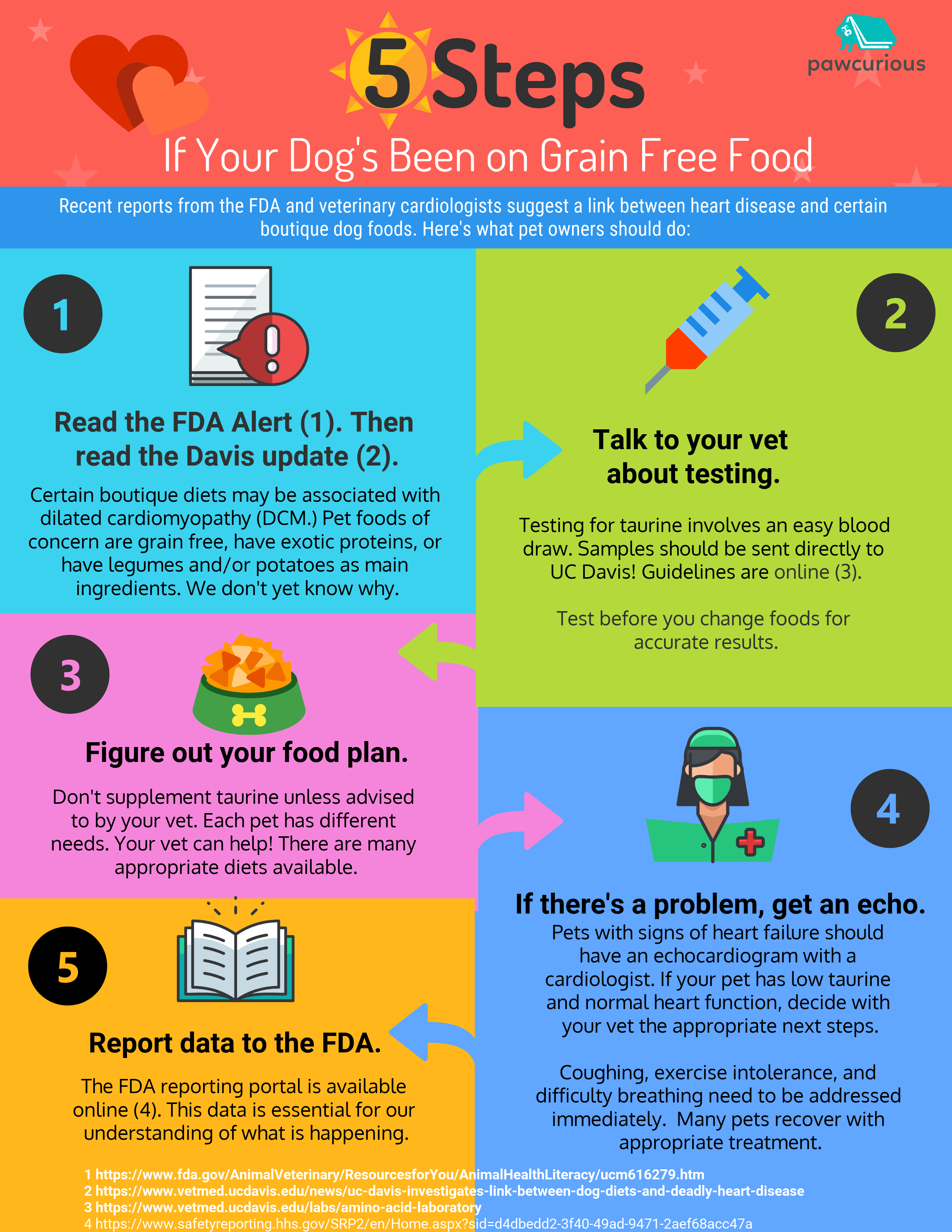
Credit: pawcurious.com
Health Concerns Linked To Grain-free
Grain-free diets for dogs have gained popularity, but health concerns have emerged. Some studies suggest risks tied to these diets. It is important to understand the potential problems. This helps dog owners make better food choices.
Dilated Cardiomyopathy (dcm) And Grain-free
Dilated Cardiomyopathy, or DCM, is a serious heart condition. Some dogs on grain-free diets developed this disease. Experts link DCM to low levels of certain nutrients in these foods. Taurine deficiency is often mentioned. Taurine helps keep the heart strong and healthy. Grain-free diets may lack enough taurine or its precursors. This can weaken the heart muscles over time. Early signs include tiredness, coughing, and breathing trouble. DCM can lead to heart failure if untreated. Regular vet check-ups are vital for early detection.
Nutritional Imbalance Risks
Grain-free dog foods often replace grains with legumes or potatoes. These ingredients may not provide all needed nutrients. Some diets lack enough vitamins, minerals, or amino acids. This imbalance can cause health issues over time. Dogs may suffer from poor coat, weak bones, or low energy. Some grain-free diets have too much protein or fat. This stresses the kidneys and liver. Balanced nutrition supports a dog’s overall health and longevity. Choosing a diet with proper nutrient levels is crucial. Always check labels and consult your vet about diet choices.
Scientific Findings And Studies
Scientific findings and studies help us understand the effects of grain-free diets on dogs. Researchers and health experts have looked closely at this diet trend. Their work reveals important information about potential risks and benefits. This section covers key investigations and recent research outcomes.
Fda Investigations
The U.S. Food and Drug Administration (FDA) examined reports linking grain-free diets to heart problems in dogs. They focused on a condition called dilated cardiomyopathy (DCM). This disease weakens the heart muscle and can be fatal. The FDA found that many affected dogs ate grain-free food with peas, lentils, or potatoes.
The FDA’s research showed no clear cause yet. They continue to collect data and study the issue. Dog owners are advised to watch for symptoms like coughing, weakness, or difficulty breathing. Veterinarians suggest balanced diets with a variety of ingredients until more is known.
Recent Research Outcomes
Recent studies confirm some dogs on grain-free diets face higher risks of heart problems. Scientists believe certain ingredients may interfere with nutrient absorption. This can affect taurine levels, an amino acid vital for heart health. Low taurine can lead to DCM in some dogs.
Research also suggests grain-free diets lack key nutrients found in grains. Grains provide fiber, vitamins, and minerals important for digestion and overall health. Studies recommend consulting a vet before switching to grain-free food. Careful diet planning helps prevent potential health issues.
Credit: www.dogsnaturallymagazine.com
Myths Vs Reality
Many dog owners hear mixed messages about grain free diets. Some say grains cause allergies. Others claim grains are unnatural for dogs. Separating myths from facts helps make better choices. Let’s explore common beliefs and the truth behind them.
Grains As Allergens
Many believe grains cause allergies in dogs. True allergies to grains are rare. Most dogs with allergies react to proteins like beef or chicken. Grains like rice and oats are gentle on the stomach. Removing grains without reason may limit important nutrients. Vets often recommend testing before cutting grains out.
Natural Diet Misconceptions
Some think dogs need grain free diets to eat naturally. Wild dogs eat meat but also consume some plants and grains. Dogs have evolved to digest starches better than wolves. Grains provide energy and fiber dogs need. A balanced diet can include grains without harm. Natural does not always mean grain free.
Alternatives To Grain-free Diets
Grain-free diets for dogs have gained popularity, but they are not the only healthy choice. Many dog owners seek alternatives that provide balanced nutrition without relying on grain exclusion. These options support your dog’s health and avoid some risks linked to grain-free foods.
Exploring alternatives helps you find the best diet for your dog’s needs. Some dogs thrive on balanced grain-inclusive meals, while others do well with homemade diets crafted carefully. Understanding these choices can guide you to a safe and nutritious plan.
Balanced Grain-inclusive Options
Grains like rice, oats, and barley offer important nutrients. They provide fiber, vitamins, and energy that dogs need daily. Grain-inclusive dog foods often contain high-quality proteins combined with these grains. This mix supports digestion and overall health.
Choosing a balanced grain-inclusive diet can reduce risks linked to grain-free products. These diets are tested and meet nutritional standards. Many dogs digest grains well without problems. Grain inclusion can also lower the cost of dog food.
Homemade Diet Considerations
Preparing homemade meals allows control over ingredients. You can include proteins, vegetables, and grains suited to your dog’s needs. Homemade diets must be balanced to avoid nutrient gaps.
Consult a veterinarian or pet nutritionist when planning homemade food. They help ensure the diet meets all nutritional requirements. Avoid guesswork to keep your dog healthy and strong. Homemade meals can be fresh and tasty but need careful planning.

Credit: www.drharveys.com
Choosing The Right Food For Your Dog
Choosing the right food for your dog is very important. Dogs need balanced nutrition to stay healthy and active. Not all dog foods suit every dog. Grain-free diets may seem healthy but can have hidden risks. It is important to pick food based on your dog’s needs, not just trends.
Understanding what goes into your dog’s food helps you make better choices. Quality ingredients and proper nutrients support your dog’s growth and energy. Learning how to read pet food labels and asking your vet for advice can protect your dog from health issues.
Consulting Your Veterinarian
Your vet knows your dog’s health best. Discuss any diet changes with them before switching foods. They can recommend the best diet based on your dog’s age, weight, and health. Vets can also spot risks linked to grain-free diets. Trust their advice to keep your dog safe.
Reading Pet Food Labels
Labels show what ingredients are in the food. Look for foods with real meat as the first ingredient. Avoid foods with too many fillers or artificial additives. Check for essential nutrients like protein, fats, and vitamins. Understanding labels helps you avoid low-quality or harmful foods.
Frequently Asked Questions
What Are The Risks Of Grain-free Diets For Dogs?
Grain-free diets may increase the risk of heart disease in dogs. Some studies link them to canine dilated cardiomyopathy (DCM). They often lack essential nutrients found in grains. Always consult a vet before choosing a grain-free option.
Why Do Vets Caution Against Grain-free Dog Food?
Vets caution because grain-free foods can cause nutritional imbalances. They may miss key vitamins and minerals. Some dogs develop heart problems on these diets. Vets recommend balanced diets based on individual health needs.
Are Grain-free Diets Necessary For Dogs With Allergies?
Grain-free diets help only if dogs have grain allergies. True grain allergies are rare in dogs. Most dogs tolerate grains well. Always get allergy testing before switching to grain-free food.
How Can Grain-free Diets Affect Dog Heart Health?
Grain-free diets may be linked to canine dilated cardiomyopathy (DCM). Lack of certain nutrients in these diets can impact heart function. This risk is higher in some breeds. Regular vet checkups can monitor heart health.
Conclusion
Grain-free diets for dogs may seem healthy at first. Some dogs need special diets, but not all benefit from grain-free food. These diets can lack important nutrients dogs need to stay strong. They may also link to heart problems in some dogs.
Choosing the right food means thinking about your dog’s health and needs. Talk to your vet before changing your dog’s diet. Remember, a balanced diet helps dogs live longer, happier lives. Grain-free is not always better. Choose wisely for your dog’s health and happiness.


