Are you confused about whether to feed your furry friend puppy food or adult dog food? Choosing the right food can make a big difference in your dog’s health and happiness.
Puppy food and adult dog food are not the same, and giving your dog the wrong one might affect their growth, energy, and overall well-being. You’ll discover the key differences between puppy and adult dog food, so you can make the best choice for your loyal companion.
Keep reading to learn what your dog really needs at every stage of life!
Nutritional Needs
Puppies and adult dogs have different nutritional needs. Their food must support their unique growth and health stages. Puppies need more nutrients to grow strong bones, muscles, and organs. Adult dogs need food that keeps them healthy and active without extra calories.
Calories And Energy
Puppies use more energy to grow and play. Their food has more calories to fuel this energy. Adult dogs need fewer calories to maintain weight and avoid gaining fat. Feeding adult dogs puppy food can cause weight problems.
Protein Requirements
Puppies require higher protein levels for muscle and tissue development. Protein also supports their immune system. Adult dogs need protein too, but in smaller amounts. Too much protein in adult dog food can stress their kidneys.
Vitamins And Minerals
Puppies need more vitamins and minerals like calcium and phosphorus. These help build strong bones and teeth. Adult dogs need balanced vitamins and minerals to maintain health. Excess minerals can harm adult dogs’ organs over time.
Ingredients Comparison
Comparing the ingredients of puppy and adult dog food reveals key differences. Each formula supports different growth and health needs. Understanding these differences helps you choose the right food for your dog’s life stage.
Essential Nutrients In Puppy Food
Puppy food contains higher protein levels to support muscle growth. It includes more fat for energy and brain development. Calcium and phosphorus amounts are carefully balanced for strong bones. Puppies also need extra vitamins like A and E for immune health.
Adult Dog Food Composition
Adult dog food has less protein and fat than puppy food. It focuses on maintaining weight and muscle tone. Fiber content is higher to aid digestion. This food has controlled calcium to prevent joint problems. It also offers balanced vitamins for overall health.
Additives And Supplements
Puppy food often contains DHA, an omega-3 fatty acid, for brain growth. It may have antioxidants to protect young immune systems. Adult dog food includes glucosamine and chondroitin for joint support. Both types have added minerals to keep teeth and bones healthy.
Digestibility And Texture
Digestibility and texture play a key role in the difference between puppy and adult dog food. Puppies need food that their young bodies can easily digest. The texture also matters because puppies are still learning to chew solid food. Both factors help support healthy growth and development.
Easier Digestion For Puppies
Puppy food is made with ingredients that are gentle on young stomachs. It contains higher levels of fat and protein to provide extra energy. These nutrients are broken down more quickly than in adult food. Puppies absorb more nutrients because their digestive systems are still developing. This helps them grow strong and healthy.
Texture Differences
Puppy food usually has a softer texture than adult dog food. Soft food is easier for puppies to chew and swallow. Small, tender pieces help avoid choking risks. Adult dog food is firmer and harder to encourage strong chewing muscles. The texture also helps clean adult dogs’ teeth as they eat.

Credit: www.dogster.com
Feeding Frequency And Portions
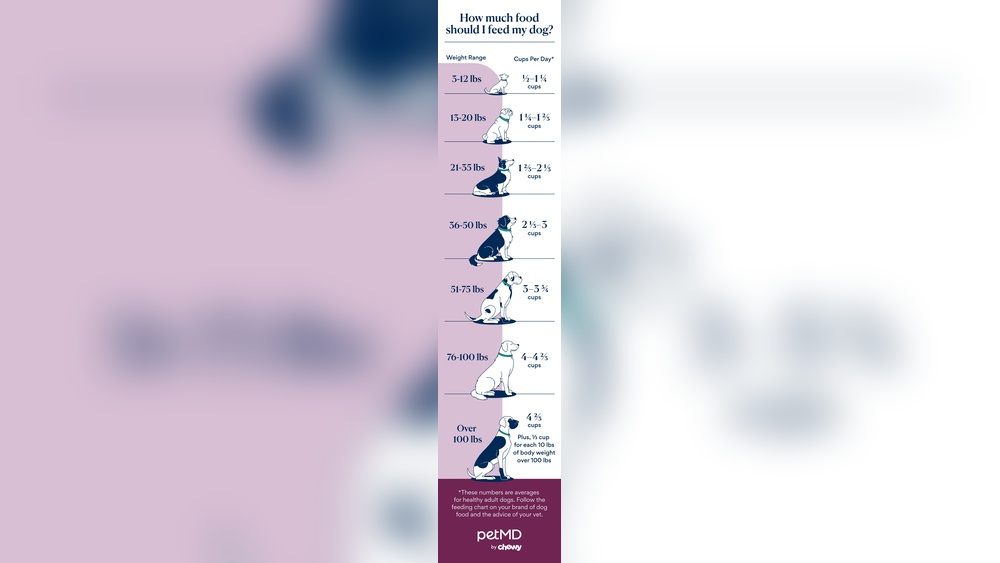
Feeding frequency and portions play a big role in your dog’s health. Puppies and adult dogs have different needs. They need different meal times and amounts. Proper feeding helps growth, energy, and weight control.
Puppy Feeding Schedule
Puppies need more meals than adult dogs. They eat small amounts but often. Usually, feed puppies 3 to 4 times a day. This supports their fast growth and high energy. Younger puppies may need even more frequent meals. Portions should be smaller to avoid stomach issues. Follow your vet’s advice on exact portion sizes.
Adult Dog Feeding Guidelines
Adult dogs eat less often. Most adult dogs do well with 2 meals a day. This helps keep their weight steady. Portions are larger than for puppies but less frequent. Measure food carefully to avoid overfeeding. Adjust portions based on activity level and body condition. Consistency in feeding times helps with digestion and routine.
Health Benefits
Feeding the right food to puppies and adult dogs gives clear health benefits. Puppies need nutrients that help their bones, muscles, and brains grow strong. Adult dogs need food that keeps their body working well and their energy steady. The difference in food supports each stage of life.
Growth And Development Support
Puppy food has more protein and calories. These help build muscles and support fast growth. It also has extra vitamins and minerals for strong bones and teeth. DHA is added to improve brain and eye development. The right balance of nutrients helps puppies become healthy adults.
Maintaining Adult Health
Adult dog food has fewer calories to prevent weight gain. It includes nutrients that support joint health and a strong immune system. Fiber helps digestion and keeps the stomach healthy. Antioxidants in the food protect cells and promote long life. This food keeps adult dogs active and feeling good.

Credit: www.becopets.com
Transitioning From Puppy To Adult Food
Changing your dog’s food from puppy to adult is an important step. Puppies need special nutrients to grow strong. Adult dogs need food that keeps them healthy and active. The change should be gentle to avoid stomach problems. A smooth switch helps your dog adjust well to new food.
When To Switch
Most dogs switch to adult food between 9 and 12 months. Large breeds may need more time, up to 18 months. Watch your dog’s size and energy. If they stop growing fast, it is time to change. Consult your vet for the best timing.
Tips For A Smooth Transition
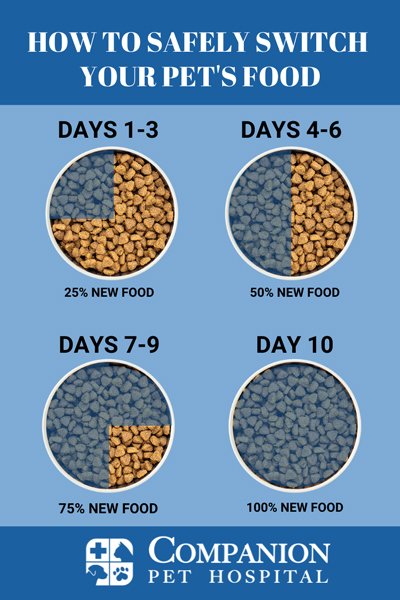
Mix a small amount of adult food with puppy food at first. Increase adult food slowly over 7 to 10 days. Watch for any changes in appetite or digestion. Keep fresh water available at all times. Stop the old food completely after the transition period.
Choosing The Right Food
Choosing the right food for your dog is very important. Dogs need different nutrients at different life stages. Puppies need more calories and nutrients to grow strong and healthy. Adult dogs need food that helps them maintain their weight and energy. Feeding the right food supports your dog’s overall health and happiness.
Breed And Size Considerations
Breed and size affect what food your dog needs. Small breeds often need food with smaller kibble and more calories per pound. Large breeds need food with nutrients that support joint health and slower growth. Different breeds may have unique dietary needs. Choose food designed to match your dog’s breed and size.
Consulting Your Veterinarian
Your veterinarian knows your dog’s health best. They can recommend the right food based on age, weight, and health condition. Always ask your vet before changing your dog’s diet. A vet’s advice helps prevent health problems and ensures balanced nutrition. This step is key to choosing the right food.
Credit: companionpethospital.com
Frequently Asked Questions
What Are The Key Differences Between Puppy And Adult Dog Food?
Puppy food has higher protein and fat for growth. Adult dog food focuses on maintenance and balanced nutrition. Puppies need more calories and nutrients to support development, while adults need fewer calories to avoid weight gain.
Why Is Puppy Food Higher In Calories Than Adult Food?
Puppies require extra energy for rapid growth and play. Higher calories in puppy food fuel healthy development. Adult dogs have slower metabolisms and need fewer calories to stay fit.
Can Adult Dogs Eat Puppy Food Safely?
Occasionally, yes, but not ideal long-term. Puppy food is too rich for adults and may cause weight gain. Adults need balanced nutrients tailored to their slower growth and activity levels.
When Should I Switch From Puppy To Adult Dog Food?
Switch at about 12 months for most breeds. Large breeds may switch later, around 18-24 months. Transition gradually over 7-10 days to avoid digestive upset.
Conclusion
Puppy food and adult dog food serve different needs. Puppies need more nutrients for growth and energy. Adult dogs require balanced food for maintenance and health. Feeding the right food helps dogs stay strong and happy. Always choose food based on your dog’s age and size.
Proper nutrition supports a long and healthy life. Remember, good food means a good dog. Simple choices make a big difference. Keep your dog’s diet healthy and age-appropriate. This ensures they enjoy every stage of life.