

Are you wondering when to switch your furry friend from puppy food to adult dog food? This is an important step that affects your dog’s health and happiness.
Feeding your dog the right food at the right time can boost their energy, keep their coat shiny, and support strong bones. But how do you know exactly when to make the change? Keep reading to discover the signs to watch for and expert tips to make this transition smooth for both you and your dog.
Your dog’s well-being depends on it!
Puppy Vs Adult Dog Food
Choosing the right food for your dog is important for their health. Puppy food and adult dog food serve different purposes. Knowing the differences helps you feed your dog correctly as they grow. This keeps your dog strong and happy.
Nutritional Differences
Puppy food contains more calories than adult dog food. Puppies need extra energy to support their growth. Puppy food has higher protein and fat levels. This helps build muscles and keeps puppies active.
Adult dog food has fewer calories to prevent weight gain. It focuses on maintaining health and supporting daily energy needs. The balance of nutrients is different to suit mature dogs.
Growth And Development Needs
Puppies grow quickly in their first year. Their bodies need more nutrients to build bones and organs. Puppy food includes vitamins and minerals for strong teeth and bones.
Adult dogs have slower growth. Their food supports maintenance, not growth. Adult dog food helps keep their immune system strong and supports healthy digestion.
Signs Your Dog Is Ready
Knowing when to switch your dog to adult food is important for their health. Dogs show clear signs that they are ready for this change. Watch your dog closely. Their age, behavior, and body can tell you when to start adult food.
Age Milestones
Most dogs move to adult food between one and two years old. Small breeds often switch closer to one year. Large breeds might need more time, up to two years. Check your dog’s breed and size to find the right time.
Behavioral Changes
Your dog may act more calm and less playful. They might eat less often but have steady energy. Interest in food can change, showing they need a different diet. These behavior shifts hint that adult food suits them better.
Physical Indicators
Look for signs like a fuller body and stronger muscles. Teeth become more permanent and less sharp. Your dog’s coat might look shinier and thicker. These changes show growth and readiness for adult nutrition.
Breed And Size Considerations
Choosing the right time to switch your dog to adult food depends on their breed and size. Different breeds grow at different rates. Their size affects how fast they reach adulthood. Knowing this helps you feed them properly.
Small Breeds
Small dogs grow fast. Most stop growing by 9 to 12 months. You can start adult food around this time. Small breeds need food that supports their fast metabolism. Adult food helps keep their energy steady.
Large Breeds
Large dogs take longer to grow. They often reach adulthood by 12 to 18 months. Feeding adult food too early can cause problems. Large breeds need special food to support their bones and joints. Wait until they finish growing before switching.
Giant Breeds
Giant breeds grow the slowest. They may grow until 18 to 24 months old. Their food needs extra nutrients for strong bones. Start adult food only after they have mostly grown. This keeps their growth healthy and steady.
Credit: www.petmd.com
Transitioning To Adult Food
Transitioning your dog from puppy food to adult food is a key step in their growth. This change supports their new energy needs and health requirements. Doing it right helps keep your dog happy and healthy.
Switching foods too fast can cause stomach problems. A smooth transition lets your dog adjust without stress. Here are some simple ways to make the change easy and safe.
Gradual Switch Methods
Start by mixing 25% adult food with 75% puppy food. Keep this mix for three days. Then, increase adult food to 50% and reduce puppy food to 50% for the next three days. After that, use 75% adult food and 25% puppy food for three days. Finally, feed only adult food.
This slow change helps your dog’s digestion adapt. Watch how your dog reacts to each step. Adjust the timing if needed.
Avoiding Digestive Upset
Digestive upset can happen if the switch is too fast. Signs include diarrhea, vomiting, or loss of appetite. To avoid this, keep water available at all times. Feed smaller, more frequent meals during the change. Monitor your dog closely for any problems.
Contact your vet if your dog shows serious symptoms. A gentle transition keeps your dog’s tummy happy and healthy.
Special Dietary Needs
Special dietary needs affect when to start adult dog food. Each dog is unique. Their diet depends on health and lifestyle. Feeding adult dog food too early or late can cause problems. Knowing these needs helps keep your dog healthy and happy.
Some dogs need special care in their diet. This section explains how health and activity affect feeding choices.
Health Conditions
Dogs with health problems may need different food. Conditions like allergies, kidney issues, or diabetes require special diets. Consult your vet before changing food types. Some dogs need low-fat or low-protein meals. Adult dog food formulas vary to support these needs. Feeding the right food can improve their quality of life.
Activity Levels
Active dogs burn more energy. They often need more calories and nutrients. Less active dogs require fewer calories to avoid weight gain. Adult dog food comes in different formulas for energy levels. Choose food that matches your dog’s daily activity. This helps maintain a healthy weight and energy balance.
Credit: www.pedigree.com
Choosing Quality Adult Dog Food
Choosing quality adult dog food is important for your dog’s health and happiness. Adult dogs need balanced nutrition to stay strong and active. Feeding the right food supports their energy, digestion, and overall well-being. Not all dog foods are the same. Some have better ingredients and fewer fillers. Knowing what to choose makes a big difference.
Key Ingredients To Look For
Protein should be the main ingredient. It helps build muscles and keeps your dog energetic. Look for meat like chicken, beef, or fish at the top of the list. Whole grains or vegetables add fiber and nutrients. Omega-3 and omega-6 fatty acids support skin and coat health. Vitamins and minerals keep your dog’s body working well. Avoid foods with vague terms like “meat meal” or “by-products.” Clear ingredient labels show better quality.
Avoiding Harmful Additives
Stay away from foods with artificial colors, flavors, or preservatives. These can cause allergies or upset your dog’s stomach. Too much salt or sugar is bad for health. Some additives may harm your dog’s organs over time. Natural preservatives like tocopherols (vitamin E) are safer. Read labels carefully to spot unwanted chemicals. Choosing clean food helps your dog feel better and live longer.
Expert Feeding Tips
Feeding an adult dog requires careful attention to their diet. Expert feeding tips help keep your dog healthy and happy. These tips focus on portion control, feeding schedule, and monitoring weight and health. Follow these guidelines to make the switch to adult dog food smooth and safe.
Portion Control
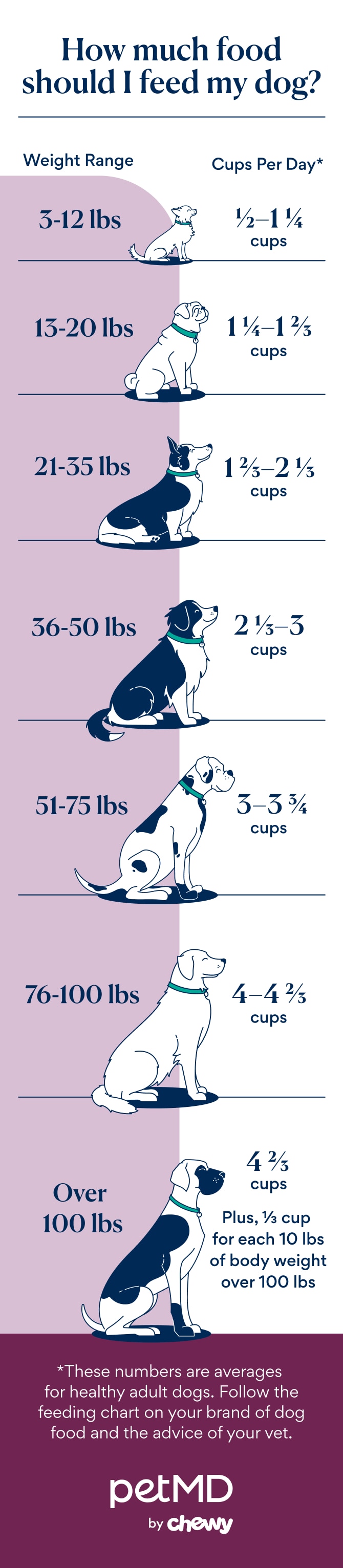
Give your dog the right amount of food each day. Adult dogs need fewer calories than puppies. Check the feeding guide on the dog food package. Adjust portions based on your dog’s size and activity level. Avoid overfeeding to prevent weight gain. Use a measuring cup for accuracy.
Feeding Schedule
Feed your dog at the same times every day. Most adult dogs do well with two meals daily. Stick to a regular schedule to help digestion. Avoid free-feeding to control food intake. Consistency makes your dog feel secure and healthy.
Monitoring Weight And Health
Watch your dog’s weight closely during the food change. Weigh your dog monthly or use a vet scale. Look for signs of weight gain or loss. Check your dog’s coat, energy, and stool quality. Visit the vet if you notice changes in behavior or health. Early action keeps your dog in good shape.
Credit: www.bluebuffalo.com
Frequently Asked Questions
When Should I Switch My Puppy To Adult Dog Food?
Switch your puppy to adult dog food around 12 months of age. Large breeds may need to wait 18-24 months. This timing supports proper growth and prevents nutritional imbalances.
What Signs Show My Dog Needs Adult Food?
Look for slowed growth, less energy, and adult teeth development. These signs indicate your dog is ready for adult food to meet new nutritional needs.
Can I Feed Adult Dog Food To Puppies?
Avoid feeding adult dog food to puppies. Puppy food contains extra nutrients essential for growth. Adult food lacks sufficient calories and vitamins for healthy development.
How To Transition From Puppy To Adult Dog Food?
Gradually mix adult food with puppy food over 7-10 days. Slowly increasing adult food helps prevent digestive upset and allows your dog to adjust comfortably.
Conclusion
Switching to adult dog food usually happens around one year old. This change helps meet your dog’s growing needs. Watch your dog’s size, breed, and health closely. Gradually mix adult food with puppy food to avoid upset stomachs. Good nutrition supports energy, health, and a shiny coat.
Consult your vet if unsure about the timing. Feeding the right food keeps your dog happy and strong. Remember, every dog is unique and may need a different schedule. Start the switch with care and enjoy your dog’s healthy growth.


