

Are you wondering if it’s okay to feed your adult dog puppy food? You want the best for your furry friend, but the choices can be confusing.
Puppy food is packed with nutrients, but is it really right for your grown dog? What happens if you switch, or if your dog accidentally eats puppy food? Keep reading to discover the truth about puppy food for adult dogs and find out what’s best for your pet’s health and happiness.
Your dog’s well-being depends on the answers you’ll get here.
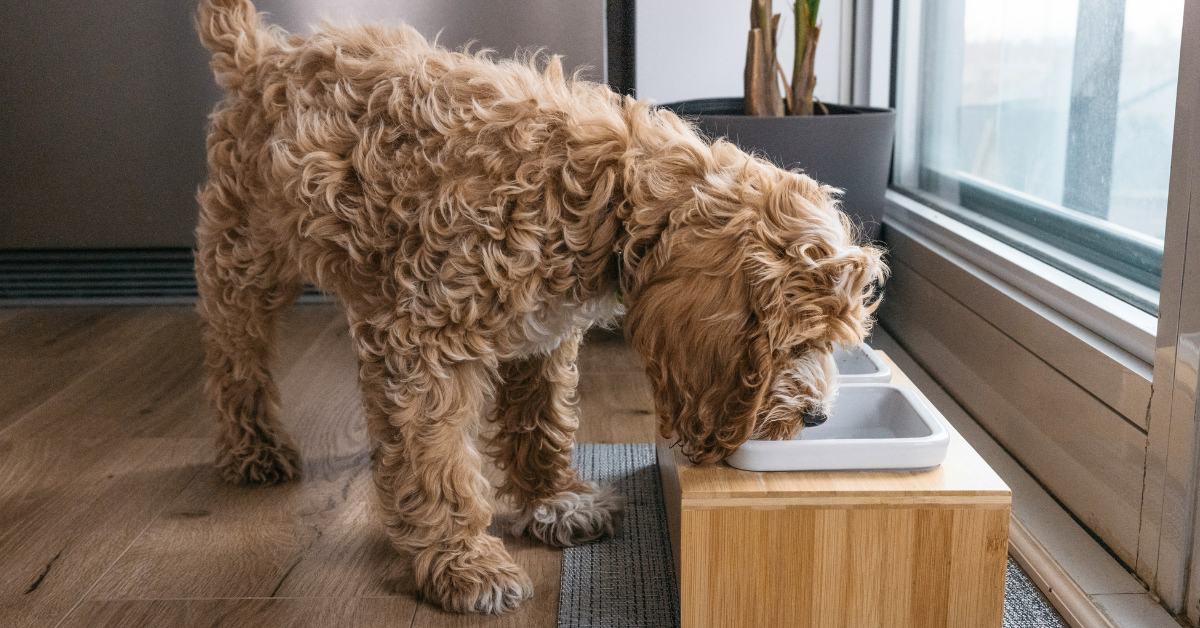
Credit: www.acanapetfoods.co.uk
Differences Between Puppy And Adult Dog Food
Understanding the differences between puppy and adult dog food is important. Puppies grow fast and need special nutrition. Adult dogs have different needs to stay healthy and active. Feeding the right food supports their life stage perfectly.
Nutritional Needs Of Puppies
Puppies need more calories to fuel their growth. They require extra protein to build strong muscles. Fat content is higher to give them energy. Puppies also need more vitamins and minerals for bone and brain development.
Nutritional Requirements Of Adult Dogs
Adult dogs need fewer calories than puppies. Their food focuses on maintaining weight and health. Protein supports muscle repair but in lower amounts. Balanced fat helps keep their coat shiny and skin healthy. Vitamins and minerals support overall body functions.
Key Ingredient Variations
Puppy food contains higher protein and fat levels. It often has DHA, an omega-3 fatty acid for brain growth. Adult dog food has controlled calories and less fat. Ingredients focus on joint health and digestion support. Fiber is added to help with regular bowel movements.
Potential Risks Of Feeding Puppy Food To Adults
Feeding puppy food to adult dogs might seem harmless. But this choice carries some risks for your dog’s health. Puppy food is made for growing dogs, not adults. These differences can cause problems over time.
Excess Calories And Weight Gain
Puppy food has more calories than adult dog food. Adults eating too many calories can gain weight fast. Extra weight puts stress on joints and heart. This can lead to serious health issues.
Imbalanced Nutrients
Puppy food contains nutrients for growth and development. Adults do not need as many of these nutrients. Too many nutrients can upset their body balance. This might cause problems like kidney strain or vitamin overdose.
Digestive Issues
Adult dogs have different digestion needs than puppies. Puppy food may be harder for adults to digest. This can cause stomach pain, gas, or diarrhea. Consistent digestive upset lowers a dog’s quality of life.
When Puppy Food Might Be Suitable For Adults
Puppy food is made with extra nutrients for growing dogs. Sometimes, adult dogs may need this extra nutrition too. Certain situations make puppy food a good choice for adults.
Growth Or Recovery Phases
Adult dogs recovering from illness or surgery need more nutrients. Puppy food can help them heal faster. It supports muscle repair and boosts their immune system. Young adult dogs still growing may also benefit from puppy food.
High Energy Demand Dogs
Working dogs or very active adults burn more calories. Puppy food provides higher calories and protein. This helps keep their energy levels high. It supports muscle strength and overall stamina.
Veterinary Recommendations
Veterinarians may suggest puppy food for some adult dogs. This is based on their health needs. Follow the vet’s advice for the best results. Puppy food can be a tool in special care plans.
Choosing The Right Food For Your Adult Dog
Choosing the right food for your adult dog is important for their health. Adult dogs need different nutrients than puppies. Their bodies require a balanced diet to stay active and strong. Feeding the correct food helps avoid weight gain and health problems. You can keep your dog happy by making smart food choices.
Understanding your dog’s needs is the first step. Look closely at what their food offers. This helps you pick the best option for their age and lifestyle.
Reading Dog Food Labels
Check the ingredients list carefully. The first ingredients should be high-quality protein. Avoid foods with too many fillers like corn or wheat. Look for essential nutrients such as vitamins and minerals. Make sure the food meets AAFCO standards. This means the food is complete and balanced for adult dogs.
Assessing Your Dog’s Health And Activity
Think about your dog’s weight and energy levels. Active dogs may need more calories and protein. Less active dogs need fewer calories to avoid weight gain. Watch for signs like dull coat or low energy. These could mean your dog needs a different diet. Tailor the food to your dog’s unique needs.
Consulting With A Veterinarian
Talk to your vet about your dog’s diet. They can recommend the best food for health and age. Vets help spot any special health needs. They can advise on allergies or medical conditions. Follow their guidance to keep your dog healthy and strong.
Transitioning Between Puppy And Adult Dog Food
Changing your dog’s food from puppy to adult is important for their health. Puppies have different needs than grown dogs. Their food has more calories and nutrients for growth. Adult dogs need food that supports their energy without extra calories. Transitioning slowly helps your dog adjust without stomach problems.
Signs Your Dog Is Ready
Look for signs that your dog is ready for adult food. Most dogs are ready between 9 and 12 months old. Large breeds might need adult food later. Check if your dog’s growth has slowed. Also, watch for changes in energy and appetite.
Gradual Switching Process
Switch your dog’s food slowly over 7 to 10 days. Start by mixing 25% adult food with 75% puppy food. Each day, increase the adult food amount. By the end, your dog should eat only adult food. This helps avoid upset stomach or refusal to eat.
Monitoring For Reactions
Watch your dog closely after starting new food. Look for diarrhea, vomiting, or gas. These may mean the food does not agree with them. Also, check if your dog has less energy or seems uncomfortable. Contact a vet if problems last more than a few days.
Credit: www.bowlerspets.com
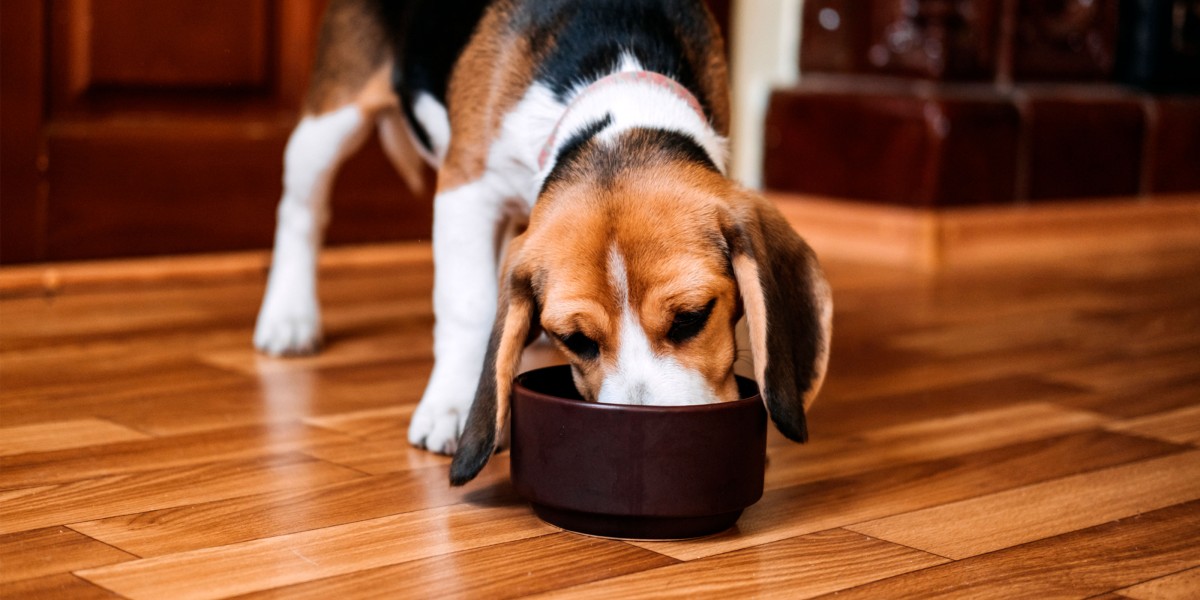
Credit: www.purina.com
Frequently Asked Questions
Is Puppy Food Safe For Adult Dogs To Eat?
Puppy food is generally safe for adult dogs but not ideal. It contains more calories and nutrients suited for growing puppies. Feeding adult dogs puppy food regularly can lead to weight gain and nutritional imbalance.
Can Adult Dogs Eat Puppy Food Long Term?
Adult dogs should not eat puppy food long term. Puppy food is richer in fats and proteins, which can cause obesity and health issues in adults. It’s best to switch to adult dog food for balanced nutrition.
What Are The Risks Of Feeding Puppies To Adult Dogs?
Feeding puppy food to adult dogs risks obesity, digestive upset, and nutrient imbalance. Adult dogs need fewer calories and different nutrient ratios than puppies. Regularly feeding puppy food may harm their overall health and energy levels.
How To Transition Adult Dogs From Puppy Food?
Transition adult dogs gradually from puppy food to adult dog food over 7-10 days. Mix increasing amounts of adult food with decreasing puppy food. This helps avoid digestive upset and allows your dog to adjust smoothly.
Conclusion
Adult dogs need different nutrients than puppies do. Puppy food has extra calories and fat. Feeding adult dogs only puppy food can cause weight gain and health issues. Sometimes, small amounts of puppy food are okay, but not for long.
Choose food made for your dog’s age and size. This keeps them healthy and happy. Always ask your vet if you are unsure. Good nutrition helps your dog live a strong, active life. Keep your dog’s diet balanced and suitable for their needs.


