

Training an older puppy can feel challenging, but it doesn’t have to be overwhelming. You want your furry friend to feel comfortable and confident, and that starts with good house training.
Imagine having a puppy that knows exactly where to go, saving you time and stress every day. You’ll discover easy, practical tips that work specifically for older puppies. Keep reading, because the right approach can turn your training struggles into success faster than you think.
Challenges With Older Puppies
Training an older puppy can bring unique challenges. These dogs might have habits that are hard to change. They may have spent time without proper house training. Understanding these challenges helps in planning effective training.
Common Behavioral Issues
Older puppies may have learned bad bathroom habits. They might not know where to go outside. Some may mark inside the house. Others could be afraid to ask to go out. Patience is key in addressing these behaviors.
Physical Limitations
Older puppies might have health problems. Joint pain or weak muscles can make movement hard. This affects their ability to hold bladder for long. They may need more frequent bathroom breaks. Watch for signs of discomfort during training.
Emotional Factors
Older puppies can feel anxious or scared. New environments make them nervous. Past negative experiences can affect trust. Building a strong bond is important. Comfort and consistency help ease their fears.

Credit: www.purina.com
Preparing For Training
Preparing for house training an older puppy takes patience and planning. Older puppies have habits that need gentle correction. Getting ready helps the training go smoothly. It sets your puppy up for success.
Choosing The Right Supplies
Start with basic supplies that make training easier. Use a crate that fits your puppy comfortably. Choose chew toys to keep your puppy busy. Pick easy-to-clean potty pads for indoor accidents. Have treats ready as rewards for good behavior. These tools support positive learning and comfort.
Setting A Consistent Schedule
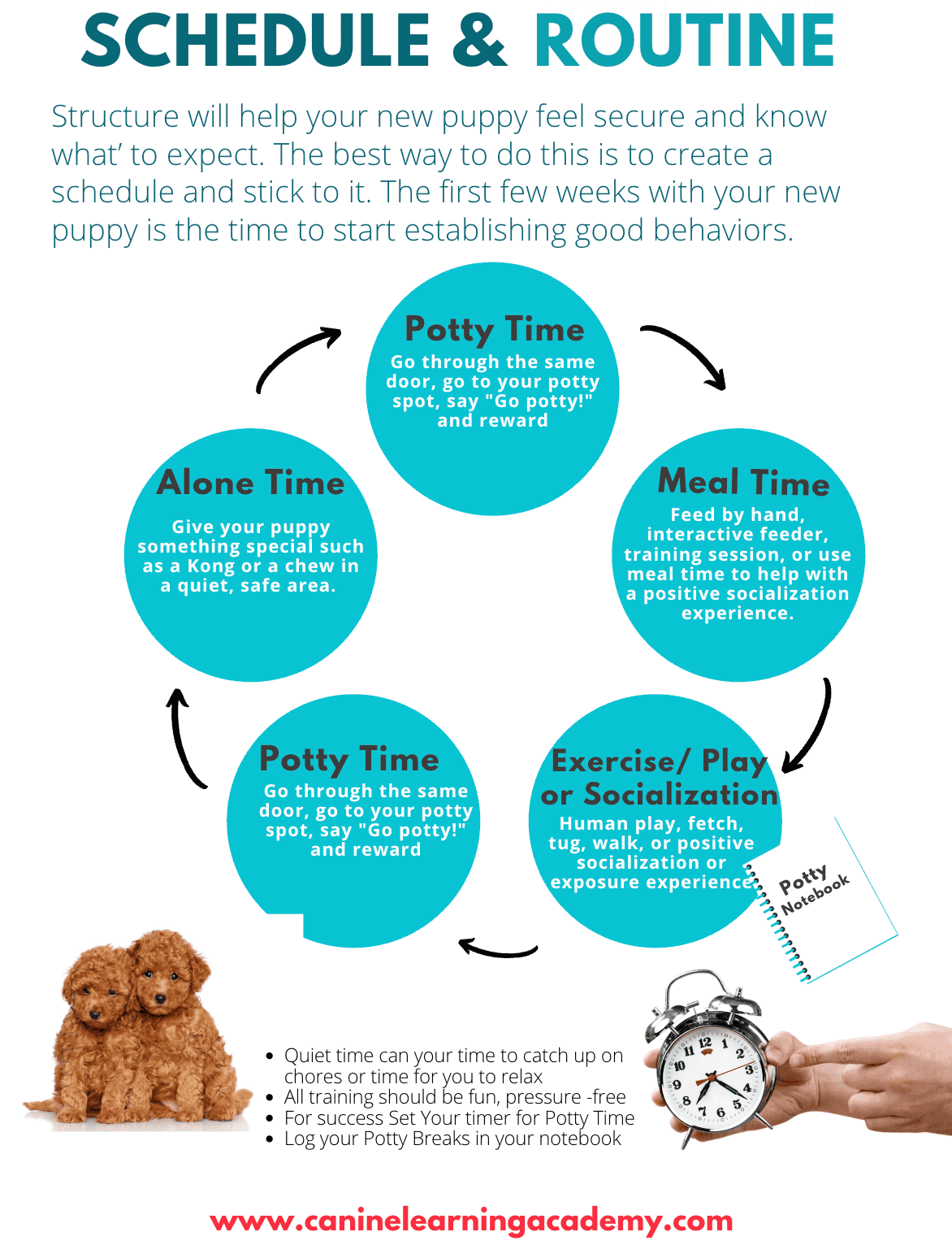
Set regular times for feeding and potty breaks. Take your puppy outside after meals and naps. Consistency builds good habits faster. Stick to the same spots for bathroom breaks. This helps your puppy know what to expect. A steady schedule reduces accidents at home.
Creating A Safe Space
Make a quiet, safe area for your puppy to relax. Use a crate or a small room to limit space. This space helps your puppy feel secure. It also prevents accidents in the house. Keep water and toys nearby for comfort. A safe space aids calm and focus during training.
Effective Training Techniques
Effective training techniques are key to house training older puppies. Older puppies learn differently from younger ones. They need clear, consistent methods to understand what you expect.
Patience and gentle guidance help build trust. These techniques focus on encouraging good habits and reducing accidents. Let’s explore three important methods.
Positive Reinforcement Methods
Reward your puppy for good behavior. Use treats, praise, or petting as rewards. This encourages your puppy to repeat the behavior.
Ignore accidents or mistakes instead of punishing. Punishment can confuse or scare your puppy. Focus on rewarding the right actions to build positive habits.
Crate Training Benefits
A crate helps your puppy learn bladder control. Puppies avoid soiling their sleeping area naturally. It gives them a safe, quiet space to relax.
Use the crate during naps and bedtime. Do not use it as punishment. Gradually increase the time your puppy spends inside the crate.
Using Commands And Signals
Teach simple commands like “go potty” or “outside.” Use the same words and tone every time. Consistency helps your puppy understand and follow instructions.
Watch your puppy’s body language for signs they need to go. Take them outside immediately after giving a command. Praise when they do their business outdoors.

Credit: www.adoptapet.com
Dealing With Accidents
Accidents happen during house training, especially with older puppies. They may not fully understand where to go yet. Handling these moments calmly helps your puppy learn faster. The right steps prevent repeated accidents and keep your home fresh.
Cleaning And Odor Removal
Clean accidents quickly to stop your puppy from returning. Use a pet-safe cleaner that removes smells completely. Regular cleaners may not remove all odors. Puppies smell better than humans and may go again in the same spot. A good cleaner breaks down urine and stops repeated marking.
Avoiding Punishment
Punishing your puppy after an accident confuses them. They don’t connect the punishment with the accident. Punishment can make your puppy scared or anxious. Stay calm and patient instead. Use positive words and gentle guidance to encourage good behavior.
Redirecting Behavior
Show your puppy the right place to go. Take them outside often, especially after eating or drinking. Praise and reward your puppy when they go in the right spot. Use a consistent command to help them learn. Over time, your puppy will understand where to go.
Monitoring Progress
Monitoring progress is important when house training older puppies. It helps you see how well your puppy learns. Watching closely shows what works and what needs change.
Tracking progress keeps training on the right path. It helps build good habits step by step.
Tracking Successes
Write down every time your puppy goes potty in the right place. Note the time and situation. This helps find patterns in your puppy’s behavior. Celebrate small wins to keep motivation high. Success shows your puppy is learning well.
Adjusting Strategies
Not all methods work for every puppy. Change your approach if progress slows. Try different training times or rewards. Watch how your puppy responds to each change. Adjustments help find the best way to teach.
When To Seek Professional Help
Some puppies have trouble learning house rules. If accidents happen often, ask a trainer for advice. Professionals offer tips and plans for tough cases. Early help can prevent bigger problems later.
Credit: caninelearningacademy.com
Maintaining Long-term Habits
Keeping good house training habits for older puppies takes time and patience. Consistency helps your puppy learn what is expected. Daily routines and clear rules make it easier for your puppy to follow. Staying calm and positive helps your puppy feel safe and ready to learn. Long-term habits prevent accidents and build trust between you and your puppy.
Reinforcing Good Behavior
Praise your puppy every time it goes potty outside. Use treats or gentle words to reward good actions. Repeat the same commands so your puppy understands. Avoid punishment; it can make your puppy afraid. Consistent rewards encourage your puppy to keep good habits.
Handling Setbacks
Accidents happen, even with older puppies. Stay patient and clean messes calmly. Do not yell or punish your puppy. Look for patterns to spot problem times or places. Adjust the schedule or training steps if needed. Keep a positive attitude to help your puppy improve.
Incorporating Exercise And Play
Exercise helps your puppy feel tired and calm. Regular walks and playtime reduce accidents caused by excess energy. Use play to teach commands and good manners. A tired puppy learns house rules faster. Play also builds a stronger bond between you and your dog.
Frequently Asked Questions
How Long Does House Training Take For Older Puppies?
House training older puppies usually takes 2 to 4 weeks. Consistency, patience, and positive reinforcement speed up learning. Each puppy learns at a different pace, so adjust your approach accordingly to ensure success.
Can Older Puppies Learn New House Training Habits?
Yes, older puppies can learn new house training habits. They respond well to consistent routines, rewards, and gentle correction. Training requires patience but is effective when you maintain a positive and structured environment.
What Are Common House Training Mistakes With Older Puppies?
Common mistakes include irregular schedules, inconsistent commands, and punishing accidents. These confuse puppies and delay progress. Avoid punishment; instead, reinforce good behavior with praise and treats to build trust and understanding.
Should I Crate Train An Older Puppy For House Training?
Crate training is highly effective for house training older puppies. It provides a safe space and helps control accidents. Use the crate humanely, ensuring it’s comfortable and never a form of punishment.
Conclusion
Training older puppies takes time and patience. Consistency helps build good habits fast. Reward your puppy for doing the right thing. Stay calm and gentle during accidents. Puppies learn best with clear rules every day. Keep routines simple and easy to follow.
Remember, every puppy is different and learns at their own pace. Celebrate small wins to stay motivated. With love and care, house training will improve. Your older puppy will become a happy, well-trained friend. Just keep trying—success is within reach.


