

If you want to truly understand how your dog learns and behaves, diving into behaviorism is the key. Imagine being able to shape your dog’s actions with simple, clear steps that really work.
Whether you’re struggling with barking, chewing, or basic commands, knowing the science behind your dog’s behavior can change everything. This article will give you practical insights that make training easier and your bond stronger. Ready to unlock the secrets of behaviorism and see your dog respond like never before?
Keep reading—you’re about to discover tools that can transform your relationship with your furry friend.

Credit: www.petsbest.com
Basics Of Dog Behaviorism
Understanding the basics of dog behaviorism helps in training and caring for dogs. It explains how dogs think and react to their world. This knowledge makes it easier to guide their actions positively.
Dog behaviorism is based on how dogs learn from their experiences. It focuses on their actions and responses. This approach uses simple, clear methods to teach dogs what is right and wrong.
Key Principles Of Behaviorism
Behaviorism studies how animals change their behavior. It looks at what causes these changes. The main idea is that behavior can be learned and unlearned.
Dogs learn by connecting actions with results. This connection shapes their future behavior. Behaviorism avoids guessing feelings and focuses on what dogs do.
How Dogs Learn
Dogs learn through experience and practice. They notice what happens after each action. If something good follows, they repeat the action.
Learning happens step by step. Dogs need clear signals to understand what is expected. Consistency helps dogs remember what to do.
Role Of Reinforcement And Punishment
Reinforcement increases good behavior by giving rewards. Rewards can be treats, praise, or playtime. This makes dogs want to repeat the good action.
Punishment decreases bad behavior by adding a negative result. It should be fair and not harmful. Too much punishment can scare dogs or confuse them.
Balanced use of reinforcement and punishment guides dogs effectively. It helps build trust and good habits in dogs.
Essential Training Techniques
Training your dog with behaviorism techniques helps build a strong bond. These methods focus on clear communication and consistent responses. Dogs learn best through simple, positive experiences. This section explains essential training techniques that use rewards to encourage good behavior.
Positive Reinforcement Methods
Positive reinforcement means giving your dog something good after a desired action. It could be praise, a treat, or a toy. This makes your dog want to repeat the behavior. Avoid punishment. Instead, reward good actions to shape your dog’s habits.
Clicker Training Explained
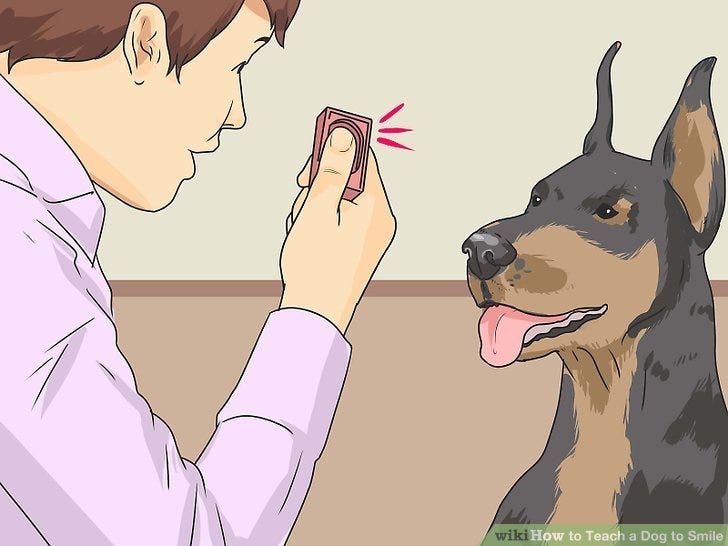
Clicker training uses a small device that makes a clicking sound. The click marks the exact moment your dog does the right thing. Follow the click with a treat. This helps dogs understand what earns rewards. It makes training clear and fun.
Using Treats And Rewards Effectively
Treats motivate dogs during training sessions. Use small, tasty treats to keep your dog’s attention. Give treats immediately after good behavior. This links the action to the reward in your dog’s mind. Avoid giving treats too often to keep them special.
Common Behavior Issues And Fixes
Dogs may show behavior problems that bother owners. These problems can affect your peace and your dog’s happiness. Understanding common issues helps you fix them. Behaviorism teaches us how dogs learn and react. Using simple methods, you can guide your dog to better habits.
Stopping Barking And Whining
Barking and whining often mean your dog wants attention or feels stressed. Ignoring these sounds at first helps reduce them. Reward your dog only when it is quiet. Teach a “quiet” command with treats and patience. Consistency is the key to success here.
Managing Chewing And Digging
Chewing and digging are natural but can cause damage. Provide safe toys to chew on instead of furniture. Redirect your dog to these toys when you catch unwanted chewing. For digging, give a special spot outside for this activity. Praise your dog for using the right place.
Addressing Aggression And Fear
Aggression and fear need gentle and careful handling. Stay calm and avoid punishment. Use positive reinforcement to build trust. Slowly expose your dog to what scares it, in small steps. Always reward calm and brave behavior to encourage progress.

Credit: medium.com
Building Good Habits Quickly
Building good habits quickly is key to raising a well-behaved dog. Dogs learn best through clear routines and consistent actions. Fast habit formation helps prevent bad behaviors from developing. It also makes training easier for both you and your dog.
Establishing Routines
Routines give dogs a sense of security. Feed, walk, and train your dog at the same time daily. This consistency helps dogs know what to expect. It reduces anxiety and makes learning new habits faster. Start with simple routines like potty breaks and meal times. Repeat these routines every day without fail.
Consistency And Timing
Reward your dog immediately after good behavior. Dogs connect actions with results quickly this way. Use the same commands and gestures every time. Avoid confusing your dog with different signals. Consistent timing and feedback speed up habit building. Always be patient but firm during training sessions.
Socialization Tips For Puppies
Socializing puppies early helps form positive habits. Introduce your puppy to new people, animals, and places regularly. Keep experiences calm and positive to avoid fear. Early socialization reduces future behavior problems. Practice short, frequent social sessions to build confidence. Praise calm and friendly behavior during these times.
Advanced Techniques For Fast Results
Advanced techniques speed up dog training by building on basic behaviorism. They focus on clear communication and steady progress. These methods help dogs learn faster and respond better. Trainers see quicker results and stronger bonds with their dogs.
Shaping Complex Behaviors
Shaping means teaching a dog step-by-step. Start with simple actions the dog already knows. Reward small improvements toward the final behavior. Break down big tasks into easy parts. This method makes learning less confusing for dogs.
Using Scheduled Reinforcement
Scheduled reinforcement gives treats or praise at planned times. It does not happen every time the dog obeys. This keeps the dog interested and eager to try. Dogs learn to keep good behavior for longer periods. It also reduces dependence on treats.
Incorporating Play Into Training
Play makes training fun and exciting. Use toys or games as rewards instead of treats. Play helps dogs stay focused and relaxed. It builds trust between the dog and trainer. Training feels less like work and more like fun.
Credit: medium.com
Frequently Asked Questions
What Is Behaviorism In Dog Training?
Behaviorism in dog training focuses on observable actions and responses. It uses rewards and punishments to shape behavior. This method helps dogs learn commands through consistent reinforcement, making training clear and effective.
How Does Behaviorism Affect Dog Behavior?
Behaviorism affects dog behavior by reinforcing good actions and discouraging bad ones. Dogs learn to repeat behaviors that get rewards. Negative behaviors decrease when they lead to unpleasant consequences.
What Are Common Behaviorism Techniques For Dogs?
Common techniques include positive reinforcement, negative reinforcement, punishment, and extinction. Positive reinforcement rewards good behavior. Punishment reduces unwanted behavior. These methods help dogs learn and adapt quickly.
Can Behaviorism Solve Dog Aggression Issues?
Yes, behaviorism can address dog aggression by modifying triggers and responses. Through controlled exposure and reinforcement, dogs learn calm behaviors. Professional guidance ensures safe and effective aggression management.
Conclusion
Behaviorism helps dogs learn through rewards and clear signals. It builds good habits step by step. Training becomes easier with patience and consistency. Dogs respond well to simple rules and praise. This method creates strong bonds between you and your dog.
Remember, every dog learns at its own pace. Keep sessions short and fun to hold their attention. Using behaviorism can lead to a happier, well-behaved pet. Try it and see positive changes in your dog’s behavior. Simple, steady effort makes a big difference.


