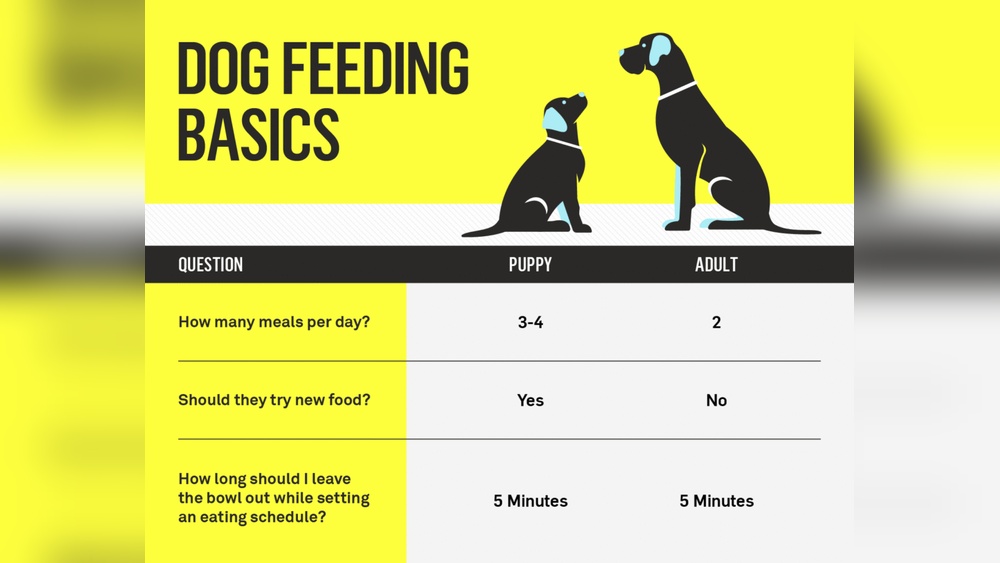
Are you wondering if a grain free diet is the right choice for your dog? You’ve probably heard about it from friends or seen it on pet food labels, but what does it really mean?
Understanding what a grain free diet for dogs involves can help you make better decisions for your furry friend’s health. You’ll discover the key benefits, potential risks, and important facts that every dog owner should know. Keep reading to find out if this diet could improve your dog’s well-being and happiness.

Credit: www.dogfood.com.my
Grain Free Diet Basics
A grain free diet for dogs focuses on removing grains from their food. It replaces these with other ingredients that provide energy and nutrients. This diet aims to support dogs with specific health needs or sensitivities. Understanding the basics helps dog owners make better food choices.
Many dog foods contain grains like wheat, corn, and rice. Grain free diets avoid these to reduce possible allergies or digestive issues. The diet uses alternative ingredients to keep meals balanced and nutritious.
What Grain Free Means
Grain free means no wheat, corn, rice, barley, or oats. These grains are common in many dog foods. Grain free diets use other sources of carbohydrates and fiber. They often include vegetables, legumes, and potatoes instead.
Common Ingredients Replaced
Grains in dog food are usually replaced with peas, lentils, and chickpeas. Sweet potatoes and tapioca are also common substitutes. These ingredients provide energy without grains. They also add fiber and help with digestion.
Why Some Dogs Need It
Some dogs have allergies or sensitivities to grains. Grain free diets can reduce skin problems and itching. They may help dogs with stomach upset or loose stools. Vets sometimes recommend grain free food for these reasons.
Health Benefits
Switching to a grain free diet can bring many health benefits for dogs. This diet removes grains like wheat, corn, and rice. Instead, it focuses on proteins and vegetables. Many dogs show positive changes after the switch.
Here are some key health benefits of a grain free diet for dogs.
Improved Digestion
Grains can be hard for some dogs to digest. A grain free diet uses easier-to-digest ingredients. This helps reduce stomach upset and gas. Dogs often have firmer stools and less bloating. Better digestion means your dog feels more comfortable.
Reduced Allergies
Grains are common allergens for many dogs. Removing grains can lower allergic reactions. Signs like itching, redness, and ear infections may improve. Fewer allergies mean your dog suffers less discomfort. This diet supports a healthier immune system.
Better Skin And Coat
A grain free diet often improves skin health. Dogs may have less dryness and flakiness. Their coats can become shinier and softer. This happens because of balanced nutrients and fewer allergens. Healthy skin and fur are signs of overall well-being.
Weight Management
Grain free diets can help maintain a healthy weight. They usually have more protein and fewer fillers. This keeps dogs full and satisfied longer. Maintaining weight supports energy and mobility. It reduces risks of obesity-related health issues.
Potential Risks
Switching your dog to a grain free diet may seem healthy. Yet, it carries some risks. These risks can affect your dog’s overall health and your budget. Understanding these risks helps you make a better choice for your pet.
Nutritional Imbalance
Grain free diets often replace grains with other ingredients. Some lack essential nutrients dogs need every day. This can cause vitamin and mineral shortages. These shortages may lead to weak bones and poor coat health.
Not all grain free foods are complete. Some may have too much protein or fat. Too much protein strains your dog’s kidneys. Balanced nutrition is key for a healthy dog.
Heart Health Concerns
Some grain free diets link to heart problems in dogs. A disease called dilated cardiomyopathy (DCM) has been seen more often. DCM weakens the heart muscle. This makes it hard for the heart to pump blood.
Scientists are still studying the cause. Some think lack of certain nutrients in grain free food plays a role. Talk to your vet before making any diet change.
Cost Considerations
Grain free dog food usually costs more than regular dog food. Higher prices may not fit every budget. Feeding expensive food long term can add up quickly.
Some owners buy grain free food thinking it is always better. This extra cost might not give better health for your dog. Choose food that fits both your dog’s needs and your wallet.
Credit: www.aspca.org
Choosing The Right Grain Free Food
Choosing the right grain free food is important for your dog’s health. Not all grain free foods are the same. Some may lack important nutrients. Others may contain fillers or poor ingredients. Careful selection helps your dog get the best nutrition. This guide explains how to pick the best grain free food.
Reading Labels
Check the ingredient list carefully. The first few ingredients matter most. Look for real meat or fish at the top. Avoid foods with too many fillers like peas or potatoes. Watch for artificial colors, flavors, or preservatives. These can harm your dog’s health. Clear labels show transparency and quality.
Quality Ingredients To Look For
Choose foods with named meat sources like chicken or lamb. Whole vegetables and fruits add vitamins and minerals. Healthy fats like fish oil support skin and coat. Natural antioxidants help keep food fresh. Avoid by-products and generic meat meals. High-quality ingredients ensure better digestion and energy.
Consulting Your Vet
Your vet knows your dog’s health best. Talk about your dog’s diet changes before switching. Vets can recommend specific brands or formulas. They can check for allergies or sensitivities. Regular check-ups help monitor your dog’s response to new food. Professional advice keeps your dog safe and healthy.
Transitioning Your Dog
Transitioning your dog to a grain-free diet requires patience and care. Sudden changes can upset your dog’s stomach or cause refusal to eat. A smooth switch helps your dog adjust to new ingredients and flavors without stress.
Gradual Change Tips
Start by mixing a small amount of grain-free food with your dog’s current diet. Slowly increase the grain-free portion over 7 to 10 days. This gradual change helps your dog’s digestive system adapt. Watch for any signs of discomfort during this period.
Monitoring Reactions
Observe your dog closely after each meal. Look for changes in energy, stool consistency, and appetite. Some dogs may have mild digestive upset at first. If symptoms last more than a week, consult your veterinarian. Keep a journal to track your dog’s reactions and progress.
Adjusting Portions
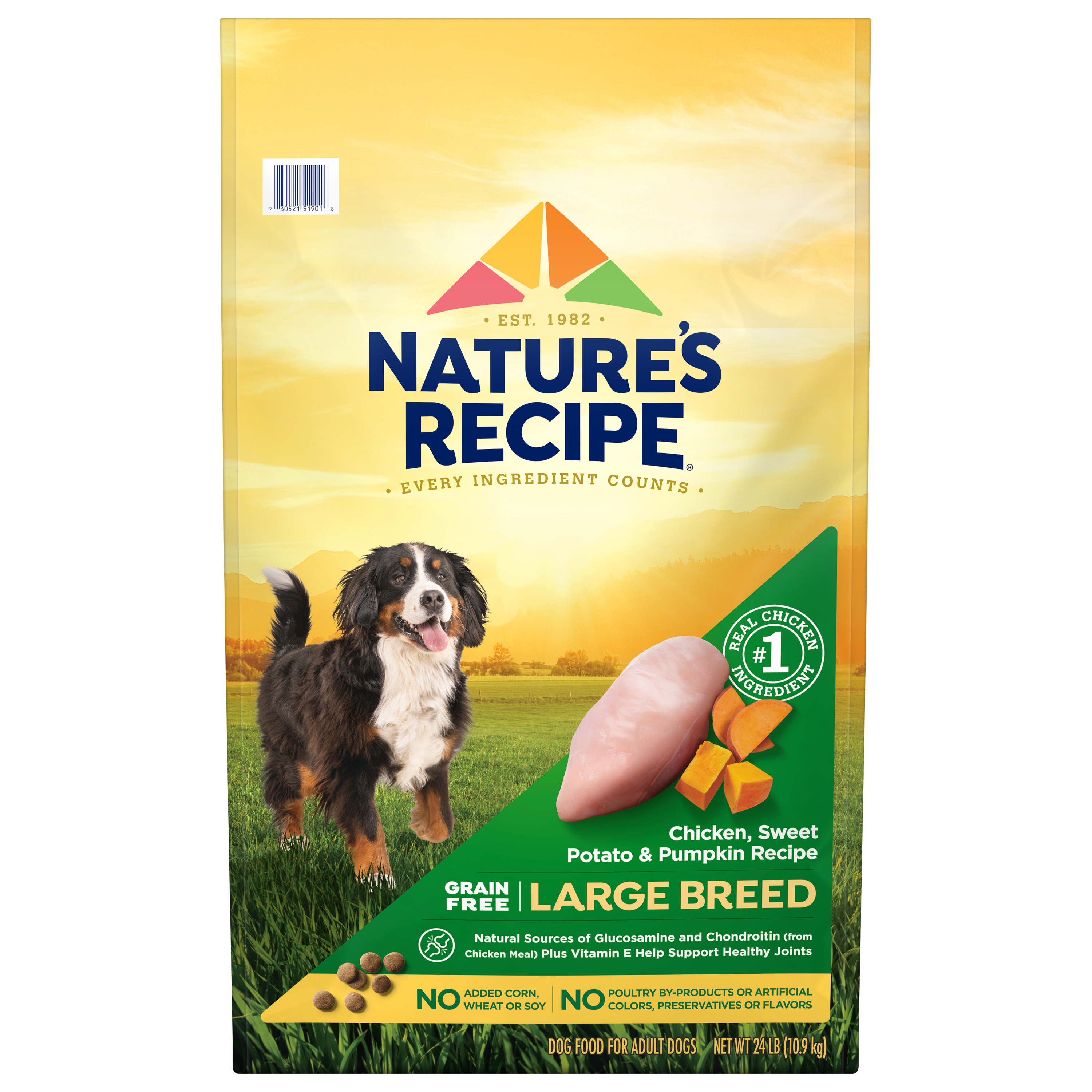
Grain-free diets can be more filling or richer in nutrients. Adjust the food portions to maintain your dog’s ideal weight. Follow the feeding guidelines on the packaging as a starting point. Increase or decrease portions based on your dog’s activity and condition.
Credit: www.naturesrecipe.com
Myths And Facts
Many pet owners hear about grain free diets for dogs and get confused. Some believe grains cause allergies or harm dogs. Others think grain free is always better. Let’s clear up these common myths. Understanding facts helps you make smart choices for your dog’s health.
Grains And Allergies
Many people think grains cause allergies in dogs. True allergies to grains are rare. Most dogs with allergies react to proteins like beef or chicken. Grains such as rice or oats are usually safe. Removing grains does not always stop itching or skin problems.
Grain Free Vs. Limited Ingredient
Grain free and limited ingredient diets are not the same. Grain free means no grains like wheat or corn. Limited ingredient diets use fewer ingredients to reduce allergy risks. Some dogs do better on limited ingredient diets. It targets specific allergies more than just removing grains.
Is Grain Free Always Better?
Grain free diets are not better for every dog. Some dogs need grains for energy and fiber. Grain free foods sometimes use more fats or carbs. This can affect a dog’s weight or digestion. Always check your dog’s needs before choosing grain free food.
Frequently Asked Questions
What Is A Grain Free Diet For Dogs?
A grain free diet excludes wheat, corn, rice, and barley. It uses alternative carbohydrates like potatoes and peas. This diet aims to reduce allergies and improve digestion in sensitive dogs.
Are Grain Free Diets Healthy For All Dogs?
Grain free diets benefit dogs with grain allergies or sensitivities. However, most dogs digest grains well, so it’s not necessary for every dog. Consult a vet before switching diets to ensure nutritional balance.
What Ingredients Replace Grains In Dog Food?
Common grain substitutes include sweet potatoes, peas, lentils, and chickpeas. These provide energy and fiber without grains. They also help maintain a balanced, nutritious dog diet in grain free formulas.
Can Grain Free Diets Prevent Dog Allergies?
Grain free diets may reduce symptoms if a dog is allergic to grains. However, allergies to other ingredients can still occur. Proper diagnosis by a vet is essential for effective allergy management.
Conclusion
A grain free diet for dogs focuses on removing grains like wheat and corn. Many dogs may benefit from this diet, especially those with allergies or digestion issues. It helps provide nutrients from other sources such as vegetables and proteins.
Always watch your dog’s health and energy after changing food. Talk to your vet before making big diet changes. Feeding your dog well supports their happiness and long life. Choosing the right diet is key to a healthy pet. Grain free options can be part of that choice.