
Are you wondering if it’s okay to feed your puppy adult dog food? You’re not alone.
Many pet owners face this question and want to make the best choice for their growing furry friend. What you feed your puppy now can affect their health, energy, and development for years to come. Keep reading to discover why choosing the right food matters and what could happen if you don’t.
This simple decision can make a big difference in your puppy’s future.

Credit: www.purina.com
Puppy Vs Adult Dog Nutrition
Puppies and adult dogs have very different nutritional needs. Their food supports different stages of life. Understanding these differences helps you feed your puppy the right diet. Feeding adult dog food to a puppy might not provide enough nutrients. This can affect your puppy’s health and growth.
Below, we explore the key differences between puppy and adult dog nutrition. This will help you choose the best food for your furry friend.
Nutritional Needs Of Puppies
Puppies need more calories than adult dogs. Their bodies grow fast and need extra energy. Protein helps build muscles and strong bones. Puppies also need more fat for energy and brain development. Vitamins and minerals support healthy immune systems. Puppy food is rich in these nutrients to support rapid growth.
Differences In Adult Dog Food
Adult dog food contains fewer calories than puppy food. It has balanced protein and fat for maintenance, not growth. The nutrient levels match the slower pace of adult dogs. Some adult foods have added fiber to help digestion. They avoid too much calcium, which can harm growing puppies. Adult dog food is not designed for puppies’ needs.
Impact On Growth And Development
Feeding adult food to a puppy can slow growth. Lack of essential nutrients may cause weak bones and muscles. Puppies need more calcium and phosphorus for bones. Adult food may not provide enough of these minerals. Poor nutrition in early life can lead to health problems later. Proper puppy food supports strong bones and healthy development.

Credit: www.reddit.com
Risks Of Feeding Adult Food To Puppies
Feeding adult dog food to puppies can cause problems. Puppies need special nutrition to grow strong and healthy. Adult food does not meet these needs. This section explains the risks involved.
Potential Nutrient Deficiencies
Puppies need more protein, fat, and calories than adult dogs. Adult food has less of these nutrients. This can slow down their growth. It may also weaken their immune system. Missing vitamins and minerals can affect bone and brain development.
Digestive Issues
Puppies have sensitive stomachs. Adult dog food can be harder for them to digest. This may cause stomach upset, diarrhea, or vomiting. Poor digestion can lead to poor nutrient absorption. This affects the puppy’s energy and overall health.
Long-term Health Concerns
Feeding the wrong food early on can cause health problems later. Poor nutrition can lead to weak bones and joints. It may also cause obesity or other metabolic issues. Starting with the right food builds a strong foundation for life.
When Adult Food Might Be Appropriate
Adult dog food is not usually meant for puppies. Puppies need more nutrients for growth. Still, there are times adult food can be suitable. Understanding when to use adult food helps keep your puppy healthy and happy.
Choosing the right food is important during certain stages or special cases. Let’s explore when adult food might work for your puppy.
Transitioning Between Puppy And Adult Food
Puppies grow fast and their food needs change. Around one year old, many dogs start eating adult food. Transition slowly over a week or two. Mix small amounts of adult food with puppy food daily. This helps avoid upset stomachs. Watch your puppy’s weight and energy during the change. Adjust the mix if needed.
Special Cases And Vet Recommendations
Some puppies may need adult food early. Health problems or allergies can make puppy food unsuitable. Your vet might suggest adult food for these cases. Always follow your vet’s advice. They know your puppy’s needs best. Do not switch food without consulting a professional.
Choosing The Right Puppy Food
Choosing the right food for your puppy is very important. Puppies need special nutrients to grow strong and healthy. Their bodies and brains develop fast. Feeding them the right food supports this growth well. Adult dog food does not always meet these needs. Puppy food has the right balance to help your puppy thrive.
Key Ingredients To Look For
Puppy food should have high protein content. Protein helps build muscles and tissues. Look for meat like chicken, beef, or fish listed first. Healthy fats are also important for energy and brain health. DHA, a type of fat, supports brain and eye development. Vitamins and minerals like calcium help build strong bones and teeth. Avoid foods with too many fillers like corn or wheat.
Reading Dog Food Labels
Check the label for age recommendations. Puppy food will usually say “for puppies” or “growth.” Look at the ingredient list. Ingredients are listed by weight. The first few ingredients are the most important. Avoid foods with artificial colors or preservatives. Check the guaranteed analysis section for protein and fat percentages. Puppies need higher protein and fat than adult dogs.
Benefits Of Puppy-specific Formulas
Puppy formulas support healthy growth and energy. They contain extra nutrients for brain and bone development. These foods are easier to digest for puppies. They help prevent nutritional deficiencies. Feeding puppy food reduces the risk of obesity later. Puppy formulas balance calories to avoid too much weight gain. This food supports your puppy’s changing needs during growth.
Tips For Feeding Puppies
Feeding puppies needs care and attention. Their growing bodies require the right food and feeding routine. This helps them grow strong and stay healthy. Here are some tips to feed your puppy well.
Feeding Schedule And Portions
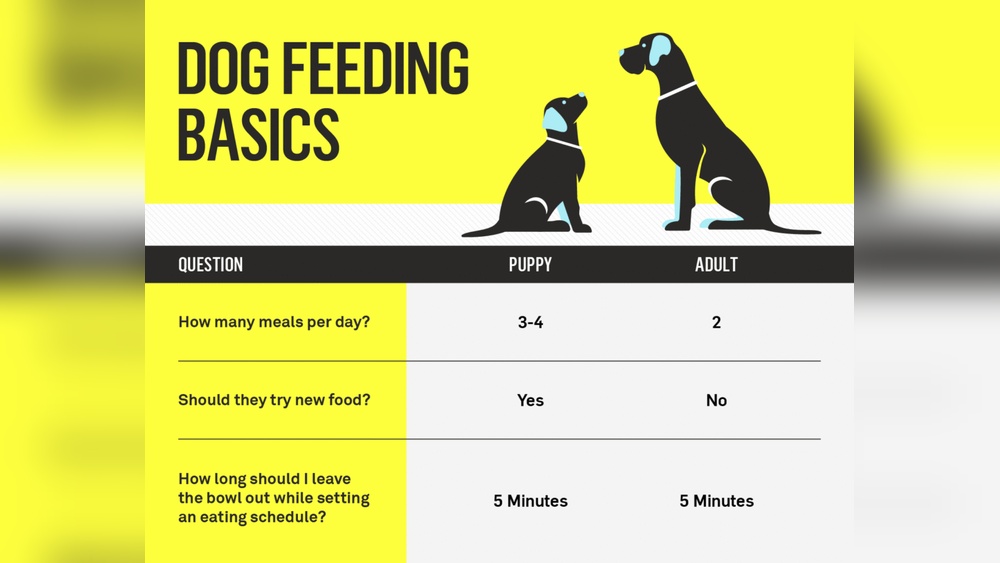
Puppies need small, frequent meals each day. Usually, feed them three to four times daily. Measure the food to avoid overfeeding. Follow the feeding guide on the puppy food package. Adjust portions based on your puppy’s weight and age. Keep feeding times consistent to build good habits.
Monitoring Puppy Health
Watch your puppy’s energy and coat condition daily. Healthy puppies are active and have shiny fur. Check their weight regularly to ensure steady growth. Look for signs of discomfort or changes in behavior. Healthy puppies eat well and have normal bowel movements. Contact a vet if you notice any worrying signs.
Signs Of Food Intolerance
Food intolerance can cause upset stomach or skin issues. Look for vomiting, diarrhea, or excessive gas. Itching, redness, or hair loss may also occur. If your puppy shows these signs, stop the food and see a vet. Choose a food made for puppies with gentle ingredients. Introduce new foods slowly to avoid reactions.
Credit: www.chewy.com
Frequently Asked Questions
Can Puppies Eat Adult Dog Food Safely?
Puppies need more nutrients than adult dogs for growth. Adult dog food lacks essential proteins and calories puppies require. Feeding adult food to puppies can slow their development and affect health. It’s best to use puppy-specific food for balanced nutrition and proper growth.
What Risks Come From Feeding Puppies Adult Dog Food?
Adult dog food may cause nutritional deficiencies in puppies. It can lead to weak bones, poor muscle development, and low energy. Puppies require more fat, protein, and vitamins. Feeding adult food risks malnutrition, digestive upset, and stunted growth. Always choose age-appropriate puppy food.
When Can Puppies Switch To Adult Dog Food?
Most puppies can switch to adult food between 12 to 18 months. The exact timing depends on breed size and vet advice. Large breeds might switch later. Transition gradually to adult food to avoid stomach upset. Consult your vet before changing your puppy’s diet.
Can Adult Dog Food Meet A Puppy’s Energy Needs?
Adult dog food usually lacks the high energy puppies need. Puppies burn more calories growing, so they require richer nutrition. Feeding adult food may result in low energy and slow growth. Puppy formulas contain higher protein and fat to support active development.
Conclusion
Puppies need special food for healthy growth and strong bones. Adult dog food lacks important nutrients puppies require. Feeding adult food can cause health problems later. Choose puppy food designed for their needs instead. Always check labels to ensure proper nutrition.
Consult your vet for the best advice. Healthy eating builds a happy, strong dog. Keep your puppy’s diet balanced and safe. Small changes make a big difference in their life. Care now helps your puppy grow into a healthy adult.


