

Are you wondering whether to feed your dog senior or adult dry food? Choosing the right diet for your furry friend can feel confusing, especially when you want the best for their health and happiness.
The food you pick affects their energy, weight, and overall well-being. You’ll discover clear answers to help you make the right choice for your dog’s needs. Keep reading to find out how to keep your loyal companion thriving at every stage of life.
Signs Of Aging In Dogs
Dogs change as they grow older. These changes can tell you if your dog is aging. Watching your dog closely helps you decide the right food. Senior dog food is different from adult dog food. Recognizing signs of aging guides your choice.
Physical Changes
Gray hair may appear around the muzzle and eyes. Your dog’s coat might become thinner or dull. Muscle strength can decrease, causing less activity. Joints may stiffen, leading to slower movements. Weight gain or loss is common in older dogs.
Behavioral Shifts
Older dogs may sleep more than usual. They might show less interest in playtime. Some dogs get anxious or confused easily. Changes in social behavior can happen too. Your dog may bark more or less than before.
Health Concerns
Senior dogs face more health risks than younger ones. Dental problems like bad breath or loose teeth arise. Vision and hearing may weaken over time. Digestive issues can cause poor appetite or upset stomach. Regular vet visits help catch problems early.
:strip_icc()/best-dog-food-for-older-dogs-4579808-39040096ef9640df95cb3fcd1ba6aff6.jpg)
Credit: www.thesprucepets.com
Differences Between Adult And Senior Dog Food
Adult and senior dog foods differ in several key ways. These differences help meet your dog’s changing needs as they age. Choosing the right food supports their health and energy levels. Understanding these distinctions helps you decide which food suits your dog best.
Nutritional Content
Senior dog food usually contains fewer proteins than adult food. Older dogs need protein for muscle maintenance but in smaller amounts. Senior formulas often include added vitamins and minerals. These nutrients support joint health and the immune system. Adult dog food focuses on balanced nutrition for active dogs.
Calorie Levels
Adult dog food has more calories to fuel daily activities. Older dogs tend to be less active and burn fewer calories. Senior dog food contains fewer calories to prevent weight gain. Controlling calorie intake helps avoid obesity and related health issues.
Ingredient Variations
Senior dog food often includes ingredients that aid digestion. Fiber levels tend to be higher to support gut health. Ingredients like glucosamine help maintain joint flexibility. Adult dog food may have more fats and proteins for energy. Both types avoid harmful additives and focus on quality ingredients.
Benefits Of Senior Dog Food
Senior dog food offers many benefits for aging pets. It is specially made to meet their changing needs. Senior dogs need extra care to stay healthy and active. This food supports their body as they grow older.
Joint Support
Senior dog food often contains ingredients like glucosamine and chondroitin. These help keep joints strong and reduce pain. Aging dogs can have stiff joints, making movement hard. Good joint support helps them stay mobile and happy.
Weight Management
Older dogs usually have slower metabolisms. Senior food has fewer calories to help control weight. Keeping a healthy weight lowers the risk of many diseases. It also reduces stress on joints and the heart.
Digestive Health
Senior dog food includes fiber and prebiotics. These improve digestion and keep the gut healthy. Older dogs can have weaker digestion, causing stomach upset. Proper digestion helps them absorb nutrients better and feel good.
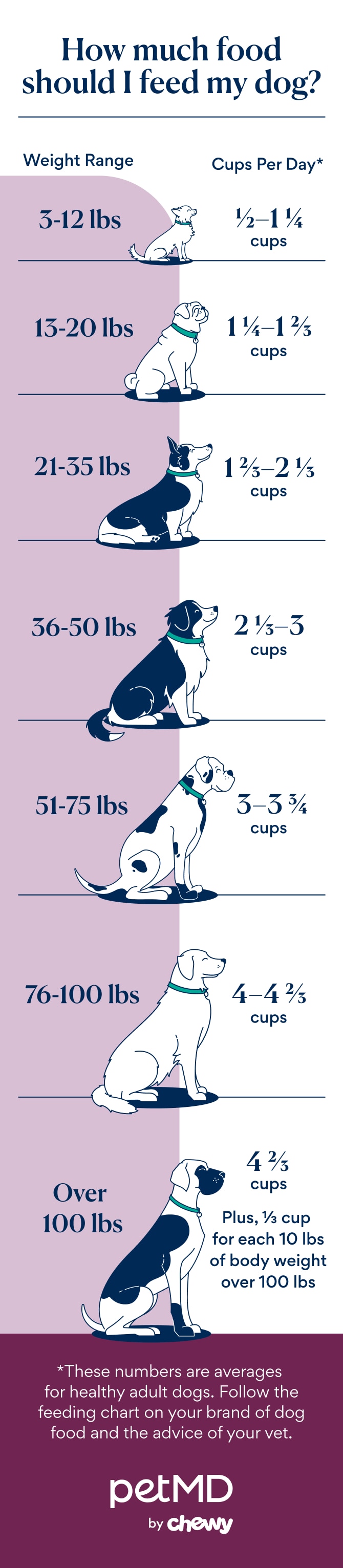
Credit: www.petmd.com
When To Switch To Senior Food
Deciding when to switch your dog to senior food is important. This change can support their health and comfort as they age. Knowing the right time helps keep your dog strong and happy. Watch for signs and guidance to make the best choice for your pet.
Age Guidelines
Most dogs are considered seniors at age seven. Some larger breeds may need senior food earlier, around age five or six. Smaller breeds often switch later, near age eight or nine. These numbers are general. Your dog’s breed and size affect the best time to switch.
Veterinary Recommendations
Your vet knows your dog’s health best. They can suggest the right time to change food. Regular check-ups help detect aging signs early. Your vet may recommend senior food for joint support or weight control. Follow their advice for a smooth transition.
Individual Dog Needs
Each dog ages differently. Some stay active and healthy longer than others. Watch your dog’s energy, weight, and coat condition. If your dog slows down or gains weight, senior food may help. Adjust feeding based on your dog’s unique health needs.
Risks Of Premature Switching
Switching your dog from adult to senior dry food too soon can cause problems. Dogs have different needs at different ages. Changing their diet early may lead to issues with their health and nutrition. Understanding the risks helps keep your dog healthy and happy.
Nutritional Imbalance
Senior dog food has less calories and different nutrient levels. Feeding it too early can cause your dog to miss key nutrients. Adult dogs need more energy to stay active. A lack of proper nutrients may lead to weakness and weight loss. Keeping the right balance supports your dog’s strength and vitality.
Potential Health Issues
Early diet changes can lead to digestive problems. Your dog’s stomach may struggle to adjust to new ingredients. This can cause upset stomach, diarrhea, or vomiting. Some dogs may develop joint or bone issues from low nutrient intake. Feeding the right food at the right time helps prevent health risks.
Selecting The Right Dry Food
Selecting the right dry food for your dog is important. Dogs have different needs at different ages. Senior dogs need nutrients that support aging joints and health. Adult dogs need food that keeps them active and strong. Choosing the proper food helps your dog live a happy life.
Focus on key factors to find the best dry food. Look beyond just the label saying “senior” or “adult.” Quality and ingredients matter more than age categories. Let’s explore how to pick the right food carefully.
Reading Labels
Start by reading the food label carefully. Check the guaranteed analysis for protein, fat, and fiber. Senior dogs often need less fat and more fiber. Adult dogs usually need higher protein for energy. Look for clear ingredient lists. Avoid foods with too many fillers or artificial additives. Labels tell you what your dog will actually eat.
Quality Ingredients
Choose food with real meat or fish as the first ingredient. Whole grains and vegetables add fiber and nutrients. Avoid foods with corn, soy, or wheat as main ingredients. These can cause allergies or digestion issues. Natural vitamins and minerals support your dog’s health. Good ingredients mean better digestion and energy.
Brand Reputation
Pick brands known for safe and healthy pet food. Check if the brand follows strict quality controls. Look for companies with positive reviews from pet owners. Brands that work with veterinarians show more care. A trusted brand gives you peace of mind about your dog’s food.
Consulting Your Veterinarian
Deciding between senior and adult dry food for your dog can be tricky. Every dog is different. Their needs change as they age. Consulting your veterinarian helps make the best choice for your pet. Veterinarians understand health, nutrition, and your dog’s specific needs.
Health Assessment
Your veterinarian will check your dog’s health carefully. They look for signs of aging like weight changes, joint pain, or dental issues. Blood tests may reveal how well organs work. This helps spot problems you might not see. A full health assessment guides the right food choice.
Customized Diet Plans
Vets create diet plans based on your dog’s health results. They balance nutrients like protein, fat, and vitamins. This plan may include senior or adult dry food, or a mix. Some dogs need special diets for conditions like kidney disease or allergies. Customized plans support your dog’s health and comfort.
Monitoring Your Dog’s Response
Monitoring your dog’s response after switching between senior and adult dry food is important. Dogs react differently to changes in diet. Watch closely for signs that show how well your dog adapts. This helps you keep your dog healthy and happy.
Tracking Weight And Energy
Check your dog’s weight regularly. Sudden weight gain or loss can signal a problem. Note any changes in your dog’s energy levels. Less energy might mean the food is not right. More energy could mean the food suits your dog well. Record these changes for better tracking.
Adjusting Diet As Needed
Use your notes to decide if the diet needs changes. If weight drops too fast, increase food or switch types. If your dog feels sluggish, try a different formula. Sometimes mixing adult and senior food works best. Keep adjusting until your dog feels good and stays active.
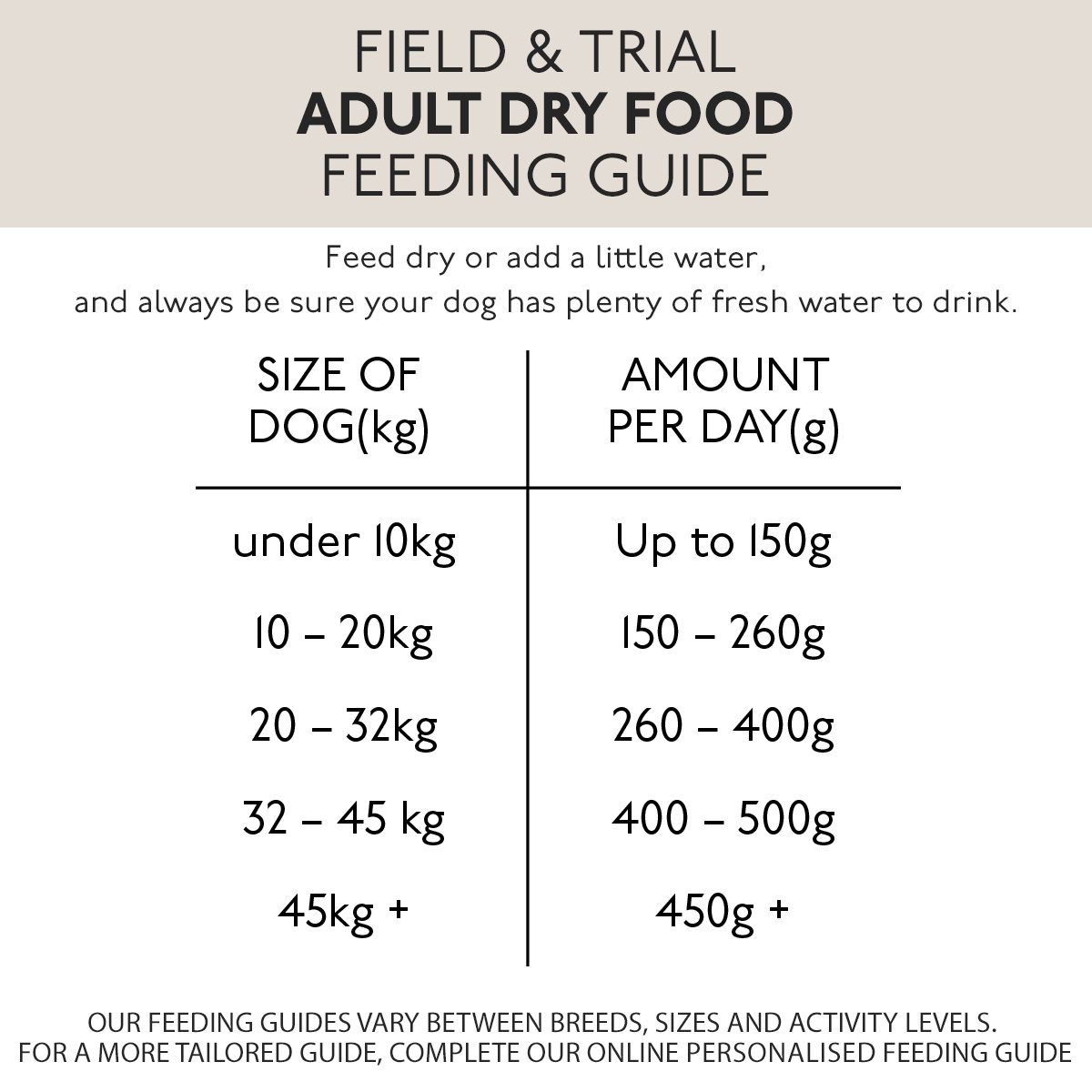
Credit: www.skinners.co.uk
Frequently Asked Questions
When Should I Switch My Dog To Senior Dry Food?
Switch to senior dry food when your dog reaches 7 years or shows aging signs. Senior formulas support joint health, weight management, and lower calorie needs. Always consult your vet before switching to ensure it meets your dog’s specific health needs.
Can Adult Dry Food Meet Senior Dogs’ Nutritional Needs?
Adult dry food may lack nutrients senior dogs require, like glucosamine or antioxidants. Senior formulas are tailored for aging metabolism and joint support. While some adult foods are balanced, senior dogs benefit more from age-specific nutrition for optimal health.
What Are The Benefits Of Senior Dog Dry Food?
Senior dog dry food supports joint health, digestion, and weight control. It contains lower calories and added supplements like omega-3s and antioxidants. These adjustments help aging dogs maintain vitality and reduce age-related health issues, improving their quality of life.
Is It Safe To Feed Senior And Adult Dry Food Mixed?
Mixing senior and adult dry food is generally safe but may dilute senior food benefits. It can confuse nutrient balance, especially for sensitive seniors. Consult your vet for proper ratios or if mixing suits your dog’s health conditions and dietary needs.
Conclusion
Choosing the right food helps your dog stay healthy and happy. Senior dog food supports aging joints and slower metabolism. Adult dog food meets the needs of younger dogs. Watch your dog’s weight, energy, and coat condition. Talk to your vet for the best advice.
Feeding the right food can improve your dog’s quality of life. Keep your dog active and comfortable for years to come. Small changes in diet make a big difference. Always prioritize your dog’s health and happiness.


