

Are you wondering why your puppy’s food looks so different from what you give your adult dog? Choosing the right food for your furry friend is more important than you might think.
Feeding your puppy the same way you feed your adult dog can affect their growth, health, and energy. You’ll discover the key differences between puppy and adult dog food. Understanding these differences will help you make the best choices for your dog’s well-being at every stage of life.
Keep reading to learn how to keep your dog happy, healthy, and full of energy!

Credit: www.dogster.com
Nutritional Needs Of Puppies
Puppies have unique nutritional needs. Their bodies grow fast. They need special food to support this growth. Puppy food differs from adult dog food in many ways. Understanding these differences helps you choose the right food.
Growth And Development Nutrients
Puppies need more protein than adult dogs. Protein helps build strong muscles and tissues. Healthy fats provide energy and support brain growth. DHA, a type of fat, is vital for eye and brain development. Balanced nutrients support healthy bones and joints.
Caloric Requirements
Puppies burn more energy than adult dogs. They need more calories to fuel their activities. Their meals must be rich in energy but easy to digest. Overfeeding can cause weight problems. Feeding the right amount helps maintain healthy growth.
Essential Vitamins And Minerals
Vitamins like A, D, and E help keep puppies healthy. Calcium and phosphorus are important for strong bones and teeth. Zinc supports the immune system and skin health. Proper mineral balance prevents growth issues and diseases.
Nutritional Needs Of Adult Dogs
Adult dogs have different nutritional needs than puppies. Their bodies focus on staying healthy, not growing. Feeding the right food helps keep their weight, energy, and health in balance. Adult dog food has nutrients suited to maintain their body functions and vitality.
Maintenance Nutrient Balance
Adult dogs need a balanced mix of proteins, fats, and carbohydrates. Protein supports muscle health but in smaller amounts than puppies need. Fats provide energy and help keep skin and coat healthy. Carbohydrates offer fuel without adding too many calories.
Calorie Control
Adult dogs need fewer calories than puppies. Too many calories can cause weight gain and health problems. Proper calorie control helps dogs stay fit and active. Feeding measured portions prevents overeating and obesity.
Key Vitamins And Minerals
Vitamins like A, E, and B-complex support immunity and energy. Minerals such as calcium and phosphorus keep bones strong. These nutrients help adult dogs maintain good health and prevent deficiencies. A balanced diet provides all needed vitamins and minerals.
Protein Differences
Protein is a key part of a dog’s diet. It supports growth, muscle development, and energy. Puppies need more protein than adult dogs because they grow fast. Adult dogs need enough protein to stay healthy but not as much as puppies.
Protein Levels In Puppy Food
Puppy food has higher protein. It often contains 22% to 32% protein. This helps puppies build strong muscles and bones. Protein also supports their immune system. Quality proteins come from meat, fish, or eggs. These provide essential amino acids puppies need for growth.
Protein Levels In Adult Food
Adult dog food has less protein than puppy food. It usually contains 18% to 25% protein. This level helps maintain muscles and keep energy steady. Adult dogs do not grow fast, so they need less protein. Too much protein can cause weight gain or stress kidneys in adults.
Credit: companionpethospital.com
Fat Content Variations
Fat content plays a big role in the diet of dogs. It provides energy and supports growth and health. Puppies need more fat than adult dogs. This is because they are growing fast and need extra energy. Adult dogs, on the other hand, need less fat to stay healthy and avoid weight gain.
Fat Requirements For Puppies
Puppies need higher fat levels in their food. Fat gives them the energy to play and grow. It also helps develop their brain and coat. Puppy food usually contains about 8% to 20% fat. This range supports strong bones and muscles. Fat also helps puppies absorb vitamins that are important for growth.
Fat Levels For Adult Dogs
Adult dogs need less fat in their diet. Their energy needs are lower than puppies. Adult dog food usually has 5% to 15% fat. This helps maintain a healthy weight. Too much fat can cause obesity and other health problems. The right fat amount keeps adult dogs active and fit.
Calcium And Phosphorus Ratios
Calcium and phosphorus are two minerals essential for a dog’s bone health and growth. The right balance between these minerals is critical for puppies and adult dogs. Too much or too little of either can cause health problems. Puppy food and adult dog food differ mainly in their calcium and phosphorus ratios. These differences support the changing needs of dogs as they grow.
Importance For Puppies
Puppies need more calcium and phosphorus than adult dogs. Their bones grow quickly and need strong support. A proper balance helps build healthy bones and teeth. Too much calcium can harm growing bones and cause joint problems. Too little calcium or phosphorus can weaken bones and slow growth. Puppy food has a higher calcium to phosphorus ratio to meet these needs.
Adult Dog Needs
Adult dogs require less calcium and phosphorus than puppies. Their bones are fully developed and need maintenance, not growth support. Excess calcium can lead to kidney issues in adult dogs. Adult dog food has a lower calcium and phosphorus ratio to keep bones healthy. Balanced minerals help avoid health problems as dogs age.
Energy Density Comparison
Energy density is a key difference between puppy and adult dog food. It shows how much energy food provides per serving. Puppies need more energy for growth and play. Adult dogs require balanced energy to maintain health without gaining weight. Understanding energy density helps choose the right food for your dog’s life stage.
High Energy In Puppy Food
Puppy food has higher energy density than adult food. It contains more calories in each bite. This supports rapid growth and active play. Puppies burn energy fast and need extra fuel. High protein and fat levels make puppy food rich in energy. It helps build strong muscles and bones. Feeding high-energy food keeps puppies healthy and energetic.
Moderate Energy In Adult Food
Adult dog food has moderate energy density. It provides enough calories for daily activities. Adult dogs are less active than puppies. Too much energy can cause weight gain. Balanced fat and protein levels keep dogs fit. Moderate energy food supports steady health and weight. It helps maintain muscles and supports normal body functions.
Digestibility And Ingredient Quality
Digestibility and ingredient quality are key factors in choosing the right food for dogs. Puppies have different needs than adult dogs. Their growing bodies require food that is easy to digest and full of nutrients. The quality of ingredients affects how well dogs absorb these nutrients. Better digestibility means more energy and healthier growth for puppies. Adult dogs, on the other hand, need food that supports their maintenance and health without overloading their digestion.
Easier Digestion For Puppies
Puppy food contains ingredients that break down quickly in the stomach. This helps puppies absorb nutrients faster. Puppies have smaller stomachs and sensitive digestive systems. They need food that is gentle and easy to digest. High-quality proteins and fats in puppy food improve nutrient uptake. Some foods include prebiotics to support gut health. This reduces digestive upset and improves stool quality.
Adult Dog Digestive Requirements
Adult dog food focuses on balanced nutrition for steady energy. Digestive systems of adult dogs are more mature and stable. They can handle more complex ingredients and fiber. Fiber helps with digestion and keeps the bowel healthy. High-quality ingredients in adult food prevent weight gain and support muscle health. Proper digestibility in adult dog food keeps dogs fit and active.

Credit: www.innovetpet.com
Special Dietary Additions
Special dietary additions make a big difference in dog food for puppies and adults. Puppies need nutrients that help their brains and bodies grow. Adult dogs require ingredients that keep their joints healthy and support their active lives.
Dha And Omega Fatty Acids For Puppies
Puppy food often includes DHA and omega fatty acids. These nutrients support brain development and improve vision. They help puppies learn and grow smarter. Omega fatty acids also keep a puppy’s coat soft and shiny. These fats are essential during the first months of life.
Joint Support Nutrients For Adults
Adult dog food usually has joint support nutrients. Ingredients like glucosamine and chondroitin protect joints. These help reduce stiffness and pain as dogs age. Healthy joints keep dogs active and happy. Such nutrients support long-term mobility and comfort.
Feeding Guidelines And Portion Sizes
Feeding guidelines and portion sizes differ for puppies and adult dogs. Their nutritional needs change as they grow. Proper feeding supports healthy growth and maintains good health in adult dogs.
Portion sizes depend on age, weight, and activity level. Puppies need more calories for growth. Adults need fewer calories to avoid weight gain. Understanding feeding frequency helps keep your dog healthy and happy.
Puppy Feeding Frequency
Puppies need frequent meals to support fast growth. Feed them three to four times a day. Smaller meals help digestion and keep energy steady. Avoid giving too much food at once. Fresh water should always be available.
Adult Dog Feeding Frequency
Adult dogs eat less often than puppies. Feed them twice a day, morning and evening. This helps keep their metabolism steady. Portion control prevents obesity and health problems. Water should be accessible at all times.
Common Mistakes In Choosing Dog Food
Choosing the right food for your dog is very important. Many pet owners make common mistakes that can harm their dog’s health. Understanding the difference between puppy and adult dog food helps avoid these errors.
Dogs have different needs at different ages. Puppy food supports growth and development. Adult dog food maintains health and energy. Feeding the wrong type can cause problems.
Feeding Adult Dogs Puppy Food
Adult dogs need fewer calories than puppies. Puppy food is rich in fat and protein. Feeding adult dogs puppy food can lead to weight gain. Too much fat may cause digestive issues. Over time, this affects overall health and mobility.
Adult dogs do not need as many nutrients for growth. Excess nutrients can stress their organs. This mistake often happens because puppy food looks healthier. Avoid this to keep your adult dog fit.
Feeding Puppies Adult Food
Puppies grow fast and need more energy. Adult dog food lacks certain nutrients puppies require. Feeding puppies adult food can slow their growth. They may miss essential vitamins and minerals. This can lead to weak bones and poor immune system.
Adult food may not support brain and muscle development. Puppies need food made especially for their stage. Giving adult food can cause health risks later. Always choose food designed for puppies to ensure strong growth.
Frequently Asked Questions
What Are The Key Nutrient Differences In Puppy Vs Adult Dog Food?
Puppy food has higher protein and fat for growth. Adult dog food contains balanced nutrients to maintain health and energy. Puppies need extra vitamins and minerals to support bone and brain development.
Why Can’t Puppies Eat Adult Dog Food?
Adult dog food lacks essential nutrients puppies need for growth. Feeding adult food to puppies may cause nutrient deficiencies and slow development. Puppies require specially formulated food for their unique energy and health needs.
When Should I Switch From Puppy To Adult Dog Food?
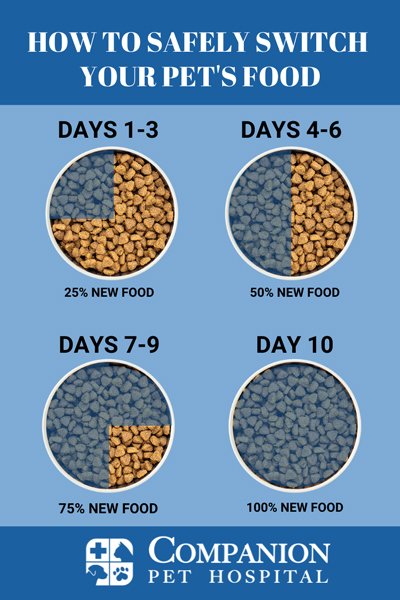
Switch to adult dog food when your dog reaches 12 months. Large breeds may switch later, around 18-24 months. Consult your vet for the best timing based on your dog’s size and health.
How Does Puppy Food Support Immune System Development?
Puppy food contains DHA, antioxidants, and vitamins to boost immunity. These nutrients help puppies build strong defenses against diseases. Proper nutrition early in life supports lifelong immune health.
Conclusion
Puppy and adult dog foods serve different needs. Puppies need more protein and nutrients to grow strong. Adult dogs need balanced food to stay healthy and active. Feeding the right food helps your dog feel good. It supports their energy, bones, and immune system.
Choose food based on your dog’s age and size. This keeps them happy and healthy for years. Always check the label and consult your vet if unsure. Good food leads to a happy, healthy dog. Simple but important.


