

Are you curious about where to find the best nutrition for your dog? Your furry friend deserves food that keeps them healthy, happy, and full of energy.
But with so many options out there, it’s easy to feel overwhelmed. This guide will help you discover where to get quality dog nutrition that fits your needs and your pet’s wellbeing. Keep reading to learn how to make the best choices for your dog’s diet and give them the care they truly deserve.
Choosing The Right Dog Food
Choosing the right dog food is important for your pet’s health. Good nutrition helps dogs stay active and happy. Each dog has different needs based on age, size, and health. Understanding dog food options makes feeding easier and better for your dog.
Types Of Dog Food
Dry food is popular and easy to store. It helps keep teeth clean. Wet food has more moisture and tastes good. Some dogs prefer it over dry food. Raw food mimics a dog’s natural diet. It needs careful handling to stay safe. Homemade meals give control over ingredients. They require balanced recipes to meet needs.
Reading Dog Food Labels
Labels show what is inside the food. Look for the first few ingredients. They should be real meat or fish. Check the guaranteed analysis for protein, fat, and fiber. Avoid foods with too many fillers like corn or wheat. Look for added vitamins and minerals for health support.
Ingredients To Avoid
Avoid foods with artificial colors and flavors. These can cause allergies or upset stomachs. Stay away from by-products and meat meals. They often have low-quality parts. Too many fillers reduce nutrition. Avoid foods with excessive salt or sugar. These harm your dog’s health over time.

Credit: newagepet.com
Essential Nutrients For Dogs
Dogs need different nutrients to stay healthy and active. These nutrients help their body grow, repair, and work well. Good nutrition keeps dogs happy and full of energy. Essential nutrients include proteins, fats, carbohydrates, fiber, vitamins, and minerals. Each plays a special role in a dog’s diet.
Proteins And Fats
Proteins build muscles, skin, and fur. They also help heal wounds and fight illness. Dogs get protein from meat, fish, and eggs. Fats give dogs energy and keep their skin soft. They also help the body absorb vitamins. Healthy fats come from fish oil and chicken fat.
Carbohydrates And Fiber
Carbohydrates give dogs quick energy. They come from grains, vegetables, and fruits. Fiber helps dogs digest food well. It keeps their stomach and intestines healthy. Fiber also stops constipation and diarrhea.
Vitamins And Minerals
Vitamins help the body grow and stay strong. They support the immune system and keep eyes sharp. Minerals build strong bones and teeth. They also help blood carry oxygen. Dogs get these nutrients from fresh foods and supplements.
Tailoring Diets To Dog Breeds
Dogs have different dietary needs based on their breed size and lifestyle. Tailoring diets to dog breeds helps keep them healthy and happy. Each breed has unique nutritional requirements that support their growth and activity levels.
Small breeds often need more calorie-dense food to fuel their fast metabolism. Large breeds require nutrients that support strong bones and joints. Active dogs burn more energy and need higher protein and fat levels, while sedentary dogs need balanced, lower-calorie diets to avoid weight gain.
Small Breeds Nutrition
Small dogs have faster metabolisms than bigger dogs. They need food rich in calories and nutrients. Their small mouths suit smaller kibble sizes. Protein supports their muscle health, and fats provide energy. Vitamins and minerals keep their immune systems strong.
Large Breeds Needs
Large dogs grow quickly and put stress on bones. Their diets must support joint health with glucosamine and chondroitin. Controlled calcium and phosphorus levels prevent bone problems. Protein helps maintain muscle mass. Fat provides energy but should be moderate to avoid obesity.
Active Vs. Sedentary Dogs
Active dogs require more calories from protein and fats. These nutrients fuel their muscles and endurance. Sedentary dogs need fewer calories to prevent weight gain. Balanced vitamins and minerals keep them healthy without extra energy. Adjusting food based on activity keeps dogs fit and strong.
Homemade Vs. Commercial Diets
Choosing the right diet for your dog can be confusing. Homemade and commercial diets both have their own benefits. Understanding these can help you make a better choice for your pet’s health.
Homemade meals allow more control over ingredients. Commercial diets offer convenience and balanced nutrition. Both options need careful thought to keep dogs healthy and happy.
Benefits Of Homemade Meals
Homemade meals let you pick fresh, natural ingredients. You can avoid fillers and artificial additives. This suits dogs with allergies or sensitive stomachs. Cooking at home also means you can tailor meals to your dog’s tastes and needs. It creates a closer bond through the care you take preparing food.
Commercial Food Advantages
Commercial dog food is easy to store and serve. It often contains all essential nutrients in balanced amounts. These foods are made to meet strict safety standards. They save time and reduce the guesswork in feeding. Many options exist for different dog sizes and health needs.
Balancing Homemade Recipes
Homemade diets must cover all nutritional needs. Consult a vet to avoid missing vitamins and minerals. Use a mix of proteins, grains, and vegetables. Avoid harmful ingredients like onions and chocolate. Proper balance keeps your dog strong and active.
Feeding Schedules And Portions
Feeding schedules and portions are key to your dog’s health. Giving meals at the right time supports digestion and energy. Proper portions keep your dog fit and avoid weight issues. This section covers how to feed dogs by age, control portions, and stop overfeeding.
Age-based Feeding Guidelines
Puppies need more meals than adult dogs. Feed puppies three to four small meals daily. Adult dogs do well with two meals a day. Senior dogs may need smaller, more frequent meals. Adjust food type and amount by your dog’s age. Growing dogs require more calories for energy and development.
Portion Control Tips
Measure food with a standard cup or scale. Follow the feeding instructions on your dog’s food label. Watch your dog’s weight and adjust portions as needed. Avoid free-feeding or leaving food out all day. Use low-calorie treats to keep snacks healthy. Keep water available at all times.
Avoiding Overfeeding
Overfeeding causes obesity and health problems. Stick to regular meal times and portion sizes. Do not give table scraps or excessive treats. Learn to recognize your dog’s hunger signals. Use feeding toys or puzzles to slow eating. Consult your vet if you notice weight gain.
Common Dietary Issues
Dogs can face many dietary problems that affect their health. Understanding these common issues helps pet owners provide better care. This section covers the main dietary challenges dogs often encounter.
Food Allergies And Sensitivities
Food allergies happen when a dog’s immune system reacts to certain ingredients. Common allergens include beef, chicken, dairy, and wheat. Symptoms may show as itchy skin, ear infections, or stomach upset. Food sensitivities cause digestive discomfort without an immune response. Identifying the problem food is key to relief. Switching to limited-ingredient diets often helps manage these issues effectively.
Managing Obesity
Obesity is a growing concern for many dogs worldwide. Excess weight strains joints and organs, reducing life quality. Overfeeding and lack of exercise are main causes. Portion control and regular activity are vital to maintain healthy weight. Choosing balanced dog food supports weight management. Monitoring treats and snacks also plays an important role in prevention.
Digestive Problems
Digestive problems can cause vomiting, diarrhea, or constipation. Poor diet, sudden food changes, and infections often trigger these issues. Feeding high-quality, easily digestible food promotes gut health. Probiotics and fiber can improve digestion. Consistent feeding schedules help avoid stomach upset. Always consult a vet for persistent digestive concerns.
Supplements And Treats
Supplements and treats play an important role in your dog’s nutrition. They help fill nutritional gaps and make healthy eating fun. Proper use of supplements supports your dog’s health and well-being. Choosing the right treats keeps your dog happy without harming their diet.
When To Use Supplements
Supplements help when your dog lacks specific nutrients. They support joint health, skin, and coat condition. Puppies and senior dogs often need extra vitamins. Consult a vet before adding supplements to avoid overdose. Use supplements as a support, not a food replacement.
Healthy Treat Options
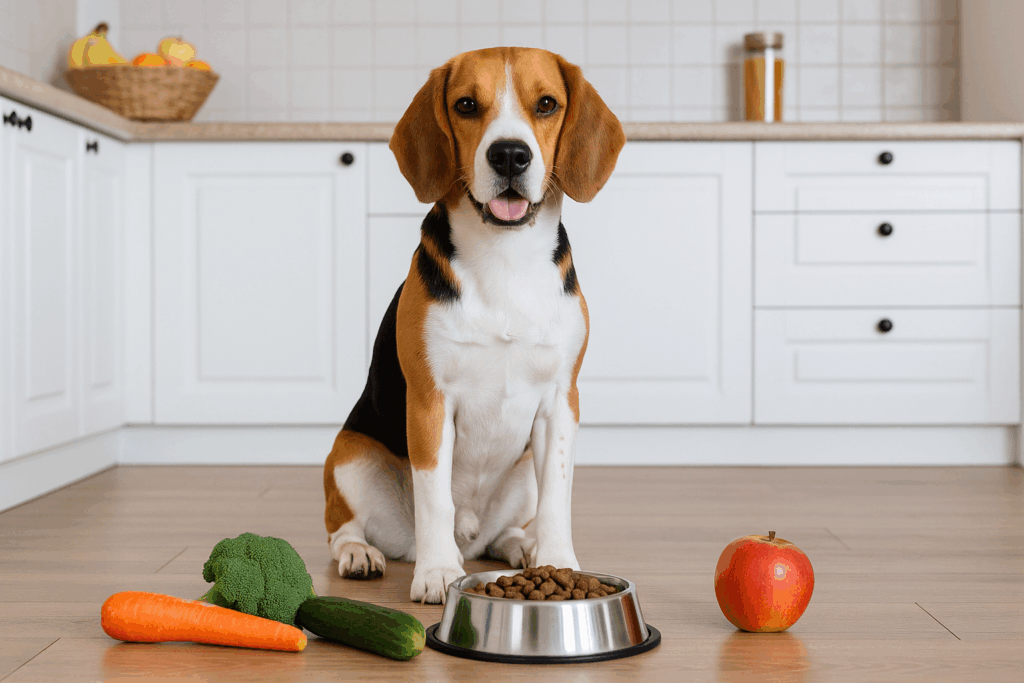
Choose treats made from natural ingredients. Small pieces of cooked vegetables or fruits can be great. Look for treats with low calories and no artificial flavors. Freeze-dried meat treats offer protein without fillers. Treats should never replace balanced meals but reward good behavior.
Avoiding Harmful Additives
Check treat labels for artificial colors and preservatives. Avoid treats with added sugar or salt. Harmful additives can cause allergies or digestive problems. Natural, simple ingredient lists are safer for dogs. Keep treats fresh and store them properly to prevent spoilage.
Credit: qualifiedpetservices.com
Hydration And Water Intake
Water is essential for a dog’s health. It helps with digestion, temperature control, and joint lubrication. Dogs need clean water every day to stay active and happy. Proper hydration supports their energy and overall well-being.
Importance Of Water
Water keeps a dog’s body working well. It helps carry nutrients and oxygen to cells. Water also removes waste from the body. Without enough water, dogs can become weak and sick quickly.
Signs Of Dehydration
Watch for dry gums and sunken eyes. A dog that drinks less or pants heavily may be dehydrated. Loss of skin elasticity shows dehydration too. Early signs mean you should offer water right away.
Encouraging Drinking Habits
Place fresh water in a clean bowl often. Use multiple water bowls in different rooms. Try adding ice cubes or a splash of broth. Praise your dog when it drinks well. These steps help dogs drink enough water daily.
Monitoring Your Dog’s Health
Monitoring your dog’s health is key to keeping them happy and active. Watching changes in their body and behavior helps catch problems early. Good nutrition supports strong bones, shiny coats, and a lively spirit.
Careful tracking and regular checks form the foundation for a healthy dog life. Adjusting their diet as they grow or change needs keeps them in top shape. Let’s explore how to keep an eye on your dog’s health.
Tracking Weight And Growth
Weigh your dog regularly to spot any weight changes. Sudden gains or losses can signal health issues. Puppies grow fast; note their size and shape weekly. Keep a simple chart to track progress over time. A steady weight means a balanced diet and good health.
Regular Vet Checkups
Visit the vet twice a year for exams and vaccinations. The vet checks teeth, ears, skin, and joints. They catch diseases before symptoms appear. Bring your dog’s diet info to help the vet advise better. Regular visits keep your dog’s health on track.
Adjusting Diet Over Time
Dogs need different nutrients at each life stage. Puppies require more protein and fat for growth. Adult dogs need balanced meals to stay fit. Older dogs benefit from diets rich in fiber and vitamins. Change food gradually to avoid stomach upset. Watch your dog’s reaction to new foods.

Credit: www.petsupermarket.com
Frequently Asked Questions
What Are The Best Nutrition Options For Dogs?
The best nutrition for dogs includes balanced proteins, healthy fats, vitamins, and minerals. High-quality commercial dog food or homemade meals with vet guidance ensure optimal health and energy.
How Can I Improve My Dog’s Diet Naturally?
To improve your dog’s diet naturally, add fresh vegetables, lean meats, and fish. Avoid fillers and artificial additives. Consult a vet for safe portion sizes and supplements.
Where Can I Find Reliable Dog Nutrition Advice?
Reliable dog nutrition advice is available from veterinarians, certified pet nutritionists, and reputable pet care websites. Always cross-check information to ensure your dog’s diet meets specific health needs.
Why Is Balanced Nutrition Important For Dogs?
Balanced nutrition supports your dog’s growth, immune system, and energy levels. It prevents obesity, allergies, and chronic diseases, promoting a longer, healthier life for your pet.
Conclusion
Good nutrition helps dogs stay healthy and happy every day. Feeding the right food supports their energy and growth. Always choose meals with balanced vitamins and minerals. Fresh water is also important to keep them hydrated. Paying attention to your dog’s diet can prevent many health problems.
Small changes in food make a big difference over time. Caring for your dog’s nutrition shows love and helps them live longer. Simple steps lead to a strong, active, and joyful dog. Keep learning about dog nutrition to give your pet the best life.


