

Have you ever wondered if your furry friend can enjoy a sweet treat like canned pears packed in 100% fruit juice? You want to share healthy snacks with your dog, but it’s hard to know what’s safe and what isn’t.
Canned pears might seem like a simple, natural choice, but is that juice really good for your pup? Keep reading, because understanding the nutrition and potential risks could make all the difference for your dog’s health and happiness. Don’t miss out on the facts that will help you make the best decision for your best friend.
Canned Pears And Dogs
Many dog owners wonder if canned pears are safe for their pets. Dogs enjoy sweet treats, but not all fruits or canned foods suit them. Understanding what canned pears contain helps keep dogs healthy and happy.
What Are Canned Pears Made Of
Canned pears usually contain peeled and sliced pears packed in syrup or juice. The fruit is soft and sweet due to cooking and preservation. Most canned pears have added sugar or preservatives to keep them fresh. Some brands use water or fruit juice instead of syrup. These ingredients affect the nutritional value and safety for dogs.
Common Ingredients In Fruit Juice
Fruit juices in canned pears often include high fructose corn syrup or cane sugar. These sweeteners can cause stomach upset or weight gain in dogs. Some juices contain citric acid or ascorbic acid for freshness. Artificial flavors or colors may also appear in some products. These additives might not be healthy for dogs and can cause allergic reactions.
Nutritional Profile Of Pears
Pears have a simple but strong nutritional profile. They offer many good nutrients that support health. Pears provide fiber, vitamins, and minerals in a natural form. These nutrients help with digestion, energy, and overall body function.
Understanding the nutrition in pears helps decide if canned pears fit your dog’s diet. Canned pears in 100% fruit juice keep some nutrients but may change others. Let’s explore the key vitamins, minerals, and sugar content in canned pears.
Vitamins And Minerals In Pears
Pears contain vitamin C, which supports the immune system. They also offer vitamin K, important for blood health. Small amounts of B vitamins help with energy and brain function.
Minerals in pears include potassium, which supports heart and muscle health. Pears also have copper and magnesium in modest amounts. These minerals help keep your dog’s body working well.
Sugar Content In Canned Pears
Canned pears in 100% fruit juice contain natural sugars from the fruit. The sugar amount is higher than in fresh pears. This can add extra calories and affect blood sugar levels.
Check the label for added sugars or syrups. Too much sugar can harm your dog’s health. Moderation is important when feeding canned pears to dogs.
Fruit Juice In Dog Diet
Fruit juice is a common part of many diets, but it can be tricky for dogs. Dogs have different digestive systems than humans. Their bodies process sugars and liquids in a unique way. Giving dogs fruit juice should be done with care.
Many fruit juices contain natural sugars from the fruit itself. These sugars provide energy but can be high in amount. Some juices also have added sugars, which can harm dogs. Understanding the types of sugars in juice is important for dog health.
Natural Sugars Vs Added Sugars
Natural sugars come directly from fruits. They are usually safer for dogs in small amounts. These sugars break down slowly and provide steady energy. Added sugars are extra sweeteners put into juice. They can cause weight gain and tooth problems in dogs. Avoid juices with added sugars for your dog.
Impact Of Juice Concentrates
Juice concentrates are made by removing water from juice. This process increases sugar levels and calories. Concentrates can be very strong for a dog’s stomach. They may cause upset or diarrhea. Fresh juice or diluted juice is a better choice for dogs.
Health Benefits For Dogs
Dogs can gain some health benefits from canned pears in 100% fruit juice. These pears contain nutrients that support their overall well-being. Understanding these benefits helps pet owners offer safe and healthy treats.
Fiber And Digestion
Canned pears have fiber that helps dogs’ digestion. Fiber aids in regular bowel movements and reduces constipation. It also supports good gut bacteria, improving nutrient absorption. A healthy digestive system means better health for your dog.
Antioxidants And Immunity
Pears contain antioxidants that protect dog cells from damage. Antioxidants help reduce inflammation and support the immune system. A strong immune system keeps dogs healthier and fights off illnesses faster. Feeding canned pears occasionally can add antioxidants to your dog’s diet.
Risks Of Feeding Canned Pears
Feeding canned pears to dogs might seem safe at first. Pears are fruits, after all. But canned versions can bring certain risks. Understanding these risks helps keep your dog healthy and happy.
Potential Allergies
Some dogs can have allergic reactions to pears. Symptoms include itching, swelling, or redness. Allergies may cause discomfort and need quick attention. Watch for unusual behavior after feeding canned pears.
Digestive Issues And Diarrhea
Canned pears often have added sugars or syrup. These can upset a dog’s stomach. Too much sugar may cause diarrhea or vomiting. Dogs have sensitive digestive systems that do not handle sugar well.
Harmful Additives And Preservatives
Canned fruits may contain preservatives and artificial ingredients. These can be harmful to dogs over time. Some additives cause allergic reactions or toxicity. Always check the ingredient list before offering canned pears to pets.
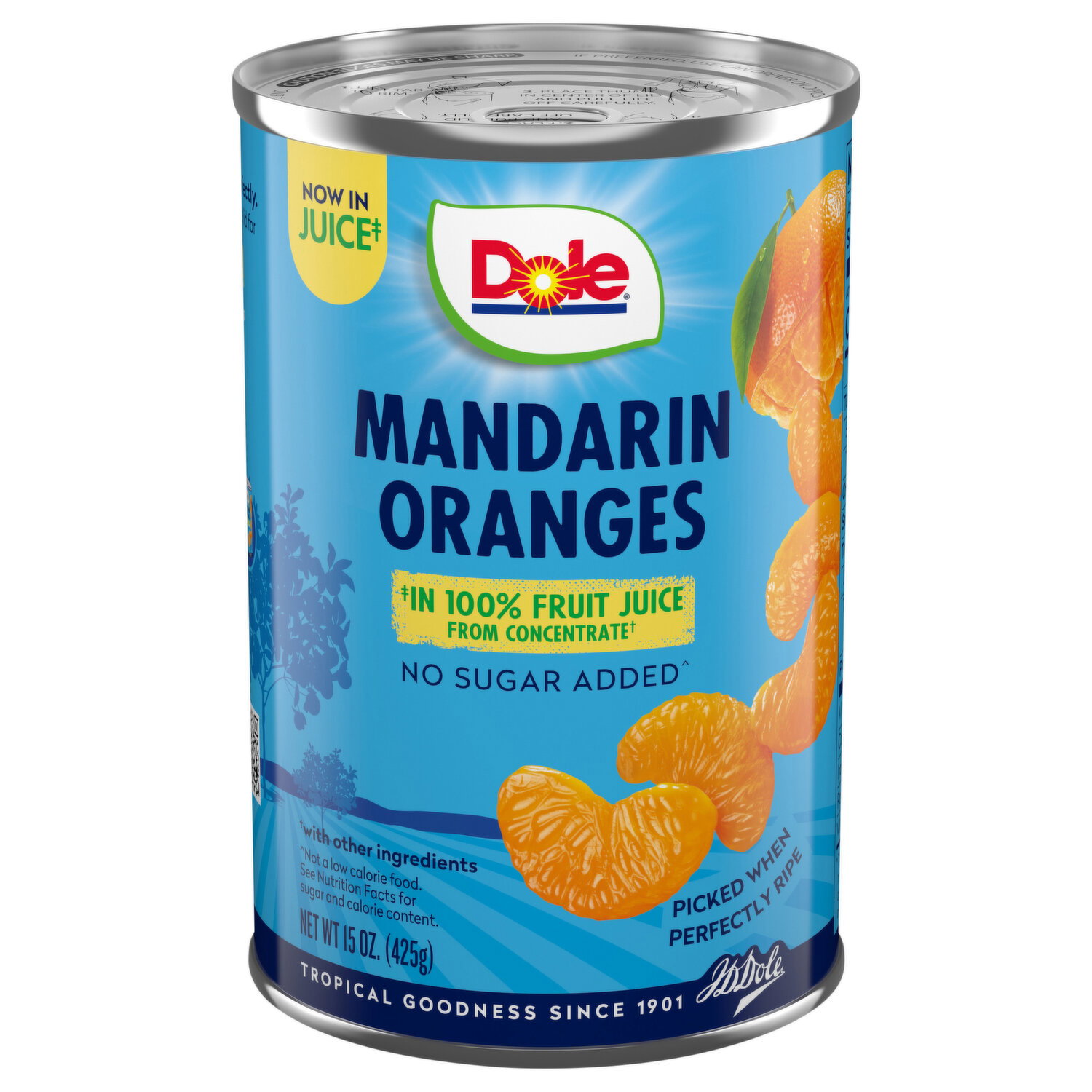
Credit: www.smartandfinal.com
Safe Serving Guidelines
Feeding canned pears to dogs requires careful attention to safe serving guidelines. Pears contain natural sugars and fiber, which can benefit dogs in small amounts. Too much, though, may upset their stomach or cause other issues. Knowing the right portion sizes and serving frequency helps keep your dog healthy and happy.
Recommended Portion Sizes
Start with a small amount of canned pears, like one or two small pieces. For small dogs, a teaspoon of pear is enough. Medium dogs can have one or two tablespoons. Large dogs may handle up to three tablespoons. Always remove any syrup or juice from the can. Syrup has added sugars that can harm your dog.
Frequency And Moderation
Offer canned pears as an occasional treat, not a daily snack. Once or twice a week is enough. Too much fruit can cause diarrhea or stomach pain. Keep canned pears as part of a balanced diet. Monitor your dog for any signs of discomfort after feeding. Moderation is key to safe and happy treats.
Alternatives To Canned Pears
Finding safe and healthy alternatives to canned pears is important for your dog’s diet. Canned pears often contain added sugar and preservatives. These can upset your dog’s stomach or cause other health issues. Choosing fresh and natural options helps keep your pet happy and healthy.
Many fruits provide good vitamins and fiber without harmful ingredients. Some fruits are easier for dogs to digest and enjoy. Exploring these options gives variety and better nutrition.
Fresh Pears And Other Fruits
Fresh pears are a great alternative to canned ones. They have no added sugar or chemicals. Remove the seeds and core before feeding. Pears offer vitamins A, C, and fiber. These support your dog’s digestion and immune system.
Other fresh fruits like apples, blueberries, and watermelon also work well. Apples give fiber and vitamin C. Blueberries are rich in antioxidants. Watermelon is hydrating and low in calories. Always wash fruits and serve in small pieces to avoid choking.
Dog-friendly Fruit Options
Many fruits are safe and tasty for dogs. Bananas provide potassium and natural sugars. Strawberries help with vitamins and antioxidants. Pumpkin is not a fruit but is excellent for digestion.
Avoid grapes, raisins, and cherries. They can be toxic to dogs. Stick to fruits that your vet approves. Fresh, natural snacks keep your dog healthy and satisfied.
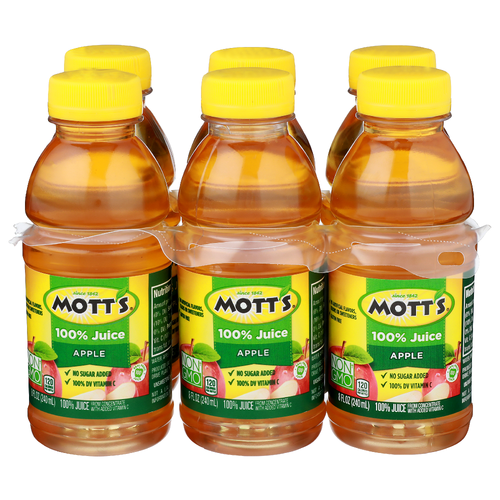
Credit: www.brookshires.com
Consulting Your Veterinarian
Consulting your veterinarian is important before feeding dogs canned pears in 100% fruit juice. Veterinarians provide guidance based on your dog’s health. They help avoid risks from new foods.
Every dog is different. What suits one dog may harm another. Your vet knows your dog’s medical history. Their advice ensures your dog stays safe and healthy.
When To Seek Advice
Ask your vet before offering canned pears or new treats. Seek advice if your dog has allergies or digestive issues. Also, consult if your dog takes medicine or has a chronic illness.
Watch for signs like vomiting or diarrhea after feeding new foods. These symptoms need immediate veterinary attention. Your vet can suggest safe alternatives and proper portions.
Tailoring Diet To Your Dog’s Needs
Vets help create diets that fit your dog’s age, size, and health. They balance treats like canned pears with essential nutrients. This avoids overfeeding or harmful ingredients.
Your vet may recommend specific fruits or limit sugar intake. They guide how often and how much canned pear is safe. This personalized advice supports your dog’s well-being.
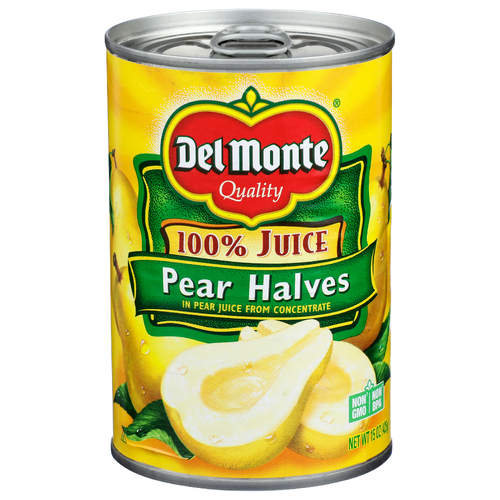
Credit: www.brookshires.com
Frequently Asked Questions
Can Dogs Safely Eat Canned Pears In Fruit Juice?
Yes, dogs can eat canned pears in 100% fruit juice occasionally. Avoid canned pears with added sugars, preservatives, or artificial flavors. Always rinse canned pears to reduce excess juice, which can upset your dog’s stomach.
Are Canned Pears Nutritious For Dogs?
Canned pears offer fiber, vitamins, and antioxidants that benefit dogs. However, fresh pears are healthier as canned ones may contain added sugars or syrups. Use canned pears only as a small treat, not a regular part of their diet.
What Risks Come With Feeding Dogs Canned Pears?
Feeding dogs canned pears with added sugars or syrups can cause digestive upset or obesity. Excess juice may lead to diarrhea. Always check ingredient labels and consult your vet before introducing new foods like canned pears.
How Much Canned Pear Can I Give My Dog?
Limit canned pear treats to a few small pieces occasionally. Too much fruit can cause stomach upset or diarrhea. Start with a tiny amount to see how your dog reacts before increasing the portion size.
Conclusion
Canned pears in 100% fruit juice can be a safe treat for dogs. They contain natural sugars, so feed in small amounts only. Avoid canned pears with added sugars or preservatives. Always watch your dog after trying new foods. Pears offer vitamins and fiber that help digestion.
Keep treats occasional, not regular meals. Consult your vet for any health concerns. Simple, fresh foods keep your dog happy and healthy. Treats are fun, but balance matters most.


