

Are you curious about what you’re really getting when you bite into a corn dog? It’s a popular snack that many enjoy, but do you know what’s inside it and how it affects your body?
Understanding the nutritional value of a corn dog can help you make smarter choices about your snacks and meals. You’ll discover the key nutrients, calories, and possible health impacts of eating corn dogs. Keep reading to learn what’s behind that crispy, golden treat and how it fits into your diet.

Credit: www.super1foods.com
Nutritional Components Of A Corn Dog
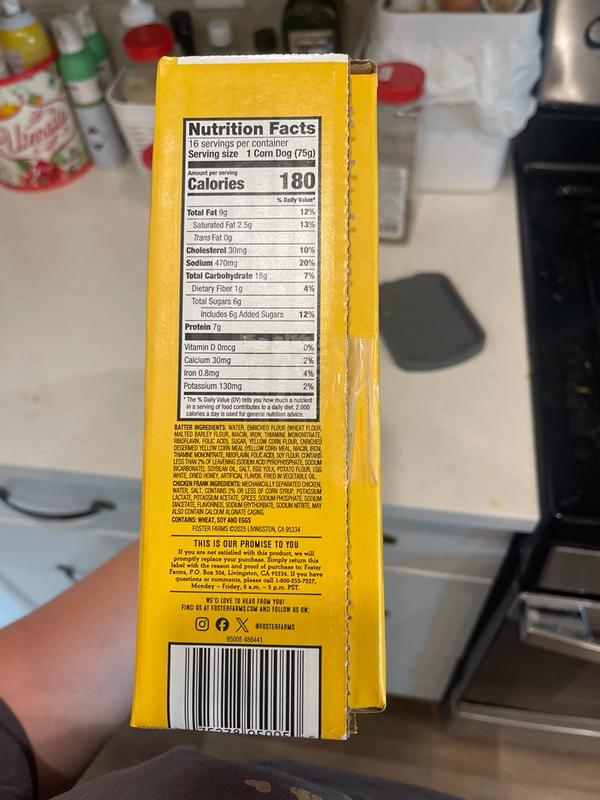
Corn dogs are a popular snack made from a hot dog coated in cornmeal batter and deep-fried. They offer a mix of nutrients from both the sausage and the batter. Understanding the nutritional components helps you make better food choices. This section breaks down the calories, macronutrients, vitamins, and minerals found in a typical corn dog.
Calories And Serving Size
A standard corn dog usually weighs around 150 grams. It contains about 250 to 300 calories. Most of these calories come from fats and carbohydrates. The serving size is often one corn dog, but sizes may vary by brand or recipe.
Macronutrients Breakdown
Corn dogs have a balance of proteins, fats, and carbohydrates. Protein mostly comes from the hot dog inside. Fat comes from frying oil and the sausage itself. Carbohydrates come from the cornmeal batter. A typical corn dog has around 12 grams of protein, 15 grams of fat, and 25 grams of carbohydrates.
Vitamins And Minerals
Corn dogs provide small amounts of essential vitamins and minerals. They contain iron and zinc from the meat. Some B vitamins, like niacin and B12, are also present. The cornmeal adds minor amounts of magnesium and phosphorus. The nutrient levels depend on ingredients used and cooking methods.
Credit: www.fosterfarms.com
Ingredients Impact On Nutrition
The ingredients in a corn dog greatly affect its nutrition. Each part adds different nutrients and calories. Understanding these helps you make better food choices. The cornmeal batter, hot dog meat, and cooking method all play key roles. Let’s explore how each ingredient impacts the nutritional value.
Role Of Cornmeal Batter
The cornmeal batter provides carbs and some fiber. It adds calories mainly from starch and sugar. Cornmeal also contains small amounts of protein and fat. The batter’s thickness changes how many calories it adds. Thicker batter means more calories. It also affects how crunchy the corn dog feels. The cornmeal gives a slightly sweet taste that balances the meat.
Quality Of Hot Dog Meat
The type of hot dog inside changes the nutrition a lot. Higher quality meat tends to have more protein and less fat. Lower quality meat may have fillers and more salt. Meat with less fat means fewer calories and less saturated fat. Some hot dogs contain preservatives and additives. These can impact health if eaten often. Choose hot dogs with clear ingredient labels and less processed meat.
Effect Of Cooking Methods
Cooking method changes the fat and calorie content. Deep-frying adds more fat because the corn dog soaks in oil. This raises calories and unhealthy fats. Baking or air frying uses less or no oil. It makes a lighter corn dog with fewer calories. Cooking time also matters. Overcooking can reduce nutrients and affect taste. Proper cooking keeps the corn dog tasty and healthier.
Health Implications Of Eating Corn Dogs
Corn dogs are popular snacks, often enjoyed at fairs and parties. They offer a quick and tasty treat. But they come with health considerations. Understanding these can help you make better choices about eating corn dogs.
Sodium And Fat Content Concerns
Corn dogs usually have high sodium levels. Too much sodium can raise blood pressure. This increases the risk of heart problems. Corn dogs also contain a lot of fat. High fat intake may lead to weight gain. It can also increase cholesterol levels. Eating corn dogs often may harm heart health.
Processed Meat And Health Risks
The hot dog inside is processed meat. Processed meats often have preservatives. Some of these chemicals link to cancer risks. Regular consumption can increase chances of certain diseases. Processed meats are harder for the body to digest. They may cause inflammation and other issues.
Balancing Corn Dogs In Your Diet
Enjoy corn dogs occasionally, not daily. Pair them with vegetables or fruits. This adds vitamins and fiber to your meal. Choose smaller portions to reduce calorie intake. Drinking water instead of sugary drinks helps too. Balance is key for a healthy diet.

Credit: shop.pricechopper.com
Comparing Corn Dogs To Similar Snacks
Comparing corn dogs to similar snacks helps understand their place in a diet. It shows how they differ in calories, fat, and nutrients. This comparison guides healthier snack choices.
Corn Dogs Vs. Hot Dogs
Corn dogs have a hot dog inside a cornmeal batter. Hot dogs alone have fewer calories than corn dogs. The batter adds extra carbs and fat. Corn dogs usually have more sodium too. Hot dogs without a bun have less fat. Corn dogs are often fried, increasing calories. Hot dogs are faster to eat and less heavy. Both provide protein but differ in calorie content.
Corn Dogs Vs. Other Fried Snacks
Corn dogs share traits with other fried snacks like chicken nuggets or fried cheese sticks. They all have high fat and calorie counts. Corn dogs have protein from the hot dog inside. Fried snacks vary in protein and carbs depending on ingredients. Corn dogs tend to have more carbs because of the batter. Other fried snacks can have more fat, especially if cheese or heavy breading is used. Portion sizes affect calorie intake in all these snacks.
Tips For Healthier Corn Dog Choices
Choosing healthier corn dogs can make a big difference in your diet. Small changes help reduce calories and unhealthy fats. These tips help you enjoy corn dogs with less guilt.
Focus on how you make or buy corn dogs. Think about ingredients and how often you eat them. These steps improve your overall meal quality.
Homemade Vs. Store-bought Options
Homemade corn dogs let you control the ingredients. You can use fresh sausage and whole grain batter. Store-bought versions often have more preservatives and unhealthy fats. Making your own means less salt and sugar too.
Alternative Ingredients To Consider
Try lean meats like turkey or chicken sausage. Use whole wheat or oat flour for the batter. Add spices for flavor instead of extra salt. These swaps lower fat and boost fiber in your corn dog.
Portion Control And Frequency
Eat smaller corn dogs to keep calories in check. Limit corn dog meals to once or twice a week. Balance with fresh vegetables and fruits on the side. This helps maintain a healthy and varied diet.
Frequently Asked Questions
What Is The Calorie Count Of A Typical Corn Dog?
A typical corn dog contains around 200 to 250 calories. Calories vary based on size and ingredients used in preparation.
How Much Protein Does A Corn Dog Provide?
A corn dog usually provides about 7 to 10 grams of protein. This depends on the type of sausage inside.
Are Corn Dogs High In Fat And Cholesterol?
Yes, corn dogs are relatively high in fat and cholesterol due to fried batter and processed meat.
What Vitamins And Minerals Are In A Corn Dog?
Corn dogs contain small amounts of iron, calcium, and vitamin B12 from the sausage and batter.
Conclusion
Corn dogs offer a mix of nutrients but also contain fats and sugars. They provide protein from the sausage and carbohydrates from the batter. Eating them occasionally fits a balanced diet. Watch portion sizes to avoid extra calories. Choose healthier cooking methods when possible.
Enjoy corn dogs as a treat, not a daily meal. Knowing their nutritional value helps make better food choices. Balance is key for a healthy lifestyle. Simple awareness leads to smarter eating habits.


