

Are you wondering if it’s okay to feed your puppy adult dog food? It’s a common question that many new dog owners face.
You want to make sure your puppy grows healthy and strong, but the choices can feel confusing. Giving your puppy the wrong food might slow their growth or cause health issues. Keep reading to find out why your puppy’s diet matters so much and what you should really be feeding them to keep that tail wagging happily.
Credit: www.iams.ca
Puppy Nutritional Needs
Puppies need special food to grow healthy and strong. Their bodies change fast in the first year. Feeding them the right nutrients helps build bones, muscles, and a strong immune system.
Adult dog food does not meet these needs. It lacks the extra nutrients puppies require. Using the right food supports good development and avoids health problems later.
Growth Requirements
Puppies grow quickly and need more energy than adult dogs. Their food must provide enough calories to support this rapid growth. They also need more protein to build muscles and tissues.
Calcium and phosphorus are important for strong bones and teeth. Too little or too much of these minerals can cause problems. A balanced diet helps puppies grow at a steady, healthy pace.
Key Nutrients For Puppies
Protein is vital for muscle development and repair. Puppies need higher protein levels than adult dogs. Fats give puppies energy and support brain development. Essential fatty acids like DHA are critical for vision and learning.
Vitamins and minerals keep the immune system strong. Puppies need more vitamin E and vitamin A than adults. These nutrients help fight illness and support healthy skin and coat.

Credit: www.lur.cat
Differences Between Puppy And Adult Food
Puppies and adult dogs have different nutritional needs. Their food reflects these differences. Puppy food supports growth and development. Adult food maintains health and energy. Feeding puppies adult food can miss key nutrients. Understanding these differences helps choose the right diet.
Calorie Content
Puppy food has more calories per serving. Growing puppies need extra energy for activity and growth. Adult dog food contains fewer calories. This helps prevent weight gain in mature dogs. Puppies require this extra energy to build strong muscles and bones.
Protein And Fat Levels
Puppy food has higher protein and fat. Protein supports muscle growth and repair. Fat provides energy and supports brain development. Adult dog food has lower protein and fat. This keeps adult dogs at a healthy weight without excess energy.
Vitamin And Mineral Balance
Puppy food contains more vitamins and minerals. Calcium and phosphorus support bone growth. Vitamins A, D, and E aid overall development. Adult dog food has balanced vitamins for maintenance. Feeding adult food to puppies may slow growth or cause deficiencies.
Risks Of Feeding Adult Food To Puppies
Puppies have special needs for their food. Their bodies grow fast and need many nutrients. Adult dog food does not meet these needs. Feeding adult food to puppies can cause problems. It affects their health and growth in many ways.
Nutritional Deficiencies
Adult dog food lacks key nutrients for puppies. Puppies need more protein and fat for energy. They also need calcium and vitamins to build strong bones. Adult food may not have enough of these. This can cause weak bones and poor muscle growth. Puppies may become less healthy over time.
Digestive Issues
Puppies have sensitive stomachs. Adult food is harder to digest for them. It may cause stomach upset, diarrhea, or vomiting. The change in diet can disrupt their gut health. This makes puppies feel uncomfortable and sick. Proper digestion is vital for their growth and energy.
Growth Problems
Good growth depends on the right food. Adult food does not support the fast growth of puppies. They may grow too slowly or unevenly. Bones and muscles may not develop correctly. This leads to health issues later in life. Puppies need food made for their growth stage.
When Adult Food Might Be Suitable
Choosing the right food for puppies is important for their growth. Sometimes, adult dog food might be suitable for puppies in certain cases. Understanding when this option works can help ensure your puppy stays healthy and strong.
Veterinarian Recommendations
Veterinarians guide pet owners on the best diet for puppies. They may suggest adult dog food if the puppy has special health needs. Puppies with allergies or digestive issues might benefit from certain adult formulas. Always ask a vet before making any changes to your puppy’s diet.
Transitioning Phases
Puppies do not stay puppies forever. As they grow, their diet needs change. Some owners start mixing adult dog food with puppy food during the transition. This helps puppies adjust to the new taste and nutrients. The process should be slow and gradual to avoid stomach upset.
Tips For Choosing The Right Food
Choosing the right food for your puppy is important for healthy growth. Puppies need special nutrients that adult dog food may not provide. Here are simple tips to help you pick the best food for your young dog.
Reading Labels
Check the label to see if the food is made for puppies. Look for words like “complete and balanced” for puppies. Make sure the food has enough protein and fat. Avoid foods with too many fillers or artificial ingredients.
Consulting Professionals
Ask your vet for advice on the best food for your puppy. Veterinarians know what nutrients your puppy needs at each stage. They can recommend brands or types that suit your puppy’s health. Follow their guidance to avoid feeding mistakes.
Considering Breed And Size
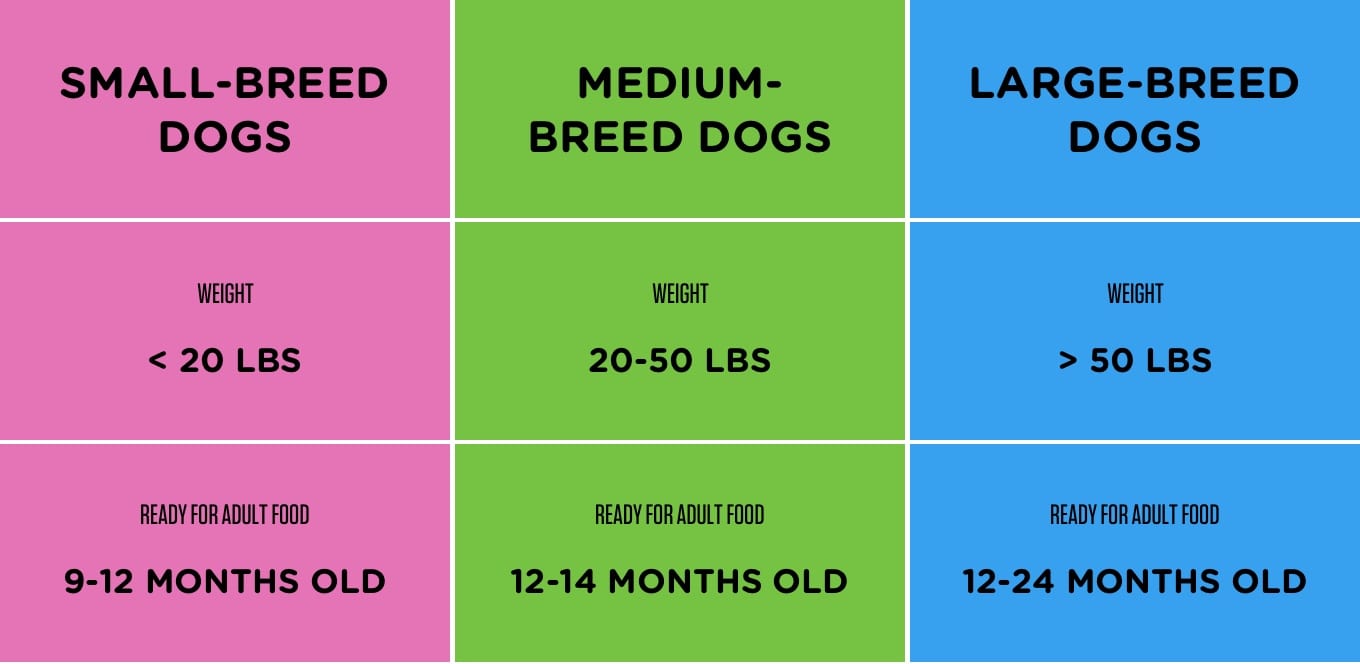
Small and large breeds have different food needs. Small breeds need food with more calories in smaller bites. Large breeds require food that supports joint health and slow growth. Choose food designed for your puppy’s breed size for best results.
Common Myths About Puppy Feeding
Puppy feeding has many myths that confuse new dog owners. These myths can lead to poor feeding choices. Understanding facts helps puppies grow healthy and strong.
Many people believe adult dog food is fine for puppies. Others think puppies can eat the same food as grown dogs. These ideas are common but not always true.
Feeding Adult Food Saves Money
Some owners feed puppies adult dog food to cut costs. Adult food often costs less than puppy food. It seems like a smart way to save money.
Puppies need more nutrients than adult dogs. Their food must support fast growth and brain development. Adult dog food lacks these extra nutrients.
Feeding adult food can cause slow growth or health problems. The initial savings can lead to expensive vet bills later. Puppy food is an investment in your dog’s health.
Puppies Can Eat Anything Adults Eat
People think puppies eat the same food as adults without issues. Adult dogs’ diets are balanced for maintenance, not growth. Puppies need higher protein, fat, and vitamins.
Giving puppies adult food may leave them weak or tired. Their bones and muscles need special nutrition to develop well. Puppy food formulas are designed just for these needs.
Feeding the right food supports strong bones and a healthy immune system. Puppies grow fast and require extra care in feeding. Adult food is not enough for their stage of life.

Credit: www.hladnovrockchoir.com
Frequently Asked Questions
Is Adult Dog Food Safe For Puppies?
Adult dog food lacks essential nutrients puppies need for growth. It may cause nutrient deficiencies and affect development. Puppies require specially formulated food with higher protein, fat, and vitamins. Always choose puppy-specific food for balanced nutrition and healthy growth.
Can Puppies Eat Adult Dog Food Temporarily?
Feeding adult dog food to puppies temporarily is not ideal but usually safe for a short time. However, it should not be a long-term diet. Prolonged feeding can lead to poor growth and health issues. Switch to puppy food as soon as possible.
What Happens If Puppies Eat Adult Dog Food?
Puppies eating adult dog food may miss critical nutrients for proper development. They can experience slower growth, weak bones, and lower immunity. Adult food is designed for maintenance, not growth. Proper puppy food ensures balanced nutrition and supports healthy development.
When Should Puppies Switch To Adult Dog Food?
Puppies should transition to adult dog food around 12 months old, depending on breed size. Large breeds may switch later. Consult your veterinarian for the best timing. Gradual transition over 7-10 days helps prevent digestive upset.
Conclusion
Puppies need special food to grow strong and healthy. Adult dog food lacks some nutrients puppies require. Feeding adult food might cause health issues in puppies. Choose puppy food to support their development properly. Always check with a vet about your puppy’s diet.
Healthy eating helps puppies become happy adult dogs. Keep their meals balanced and suited to their age. This way, your puppy will thrive and stay energetic.


