

If you have a Boxer dog or are thinking about getting one, understanding their behavior is key to building a strong bond. Boxers are full of energy, loyalty, and personality, but sometimes their actions can leave you puzzled.
What makes your Boxer act this way? How can you better connect with your furry friend? You’ll discover the secrets behind Boxer dog behavior that will help you care for and communicate with your pet like never before. Keep reading to unlock the insights that will make your life with a Boxer happier and easier.
Boxer Dog Traits
Boxer dogs have many special traits that make them unique. These dogs are known for their strength and friendly nature. Understanding their traits helps owners care for them better. Boxers are active, playful, and very loyal companions.
Their traits cover physical looks, behavior, and how they act with others. Each trait shows why Boxers are loved by many families around the world.
Physical Characteristics
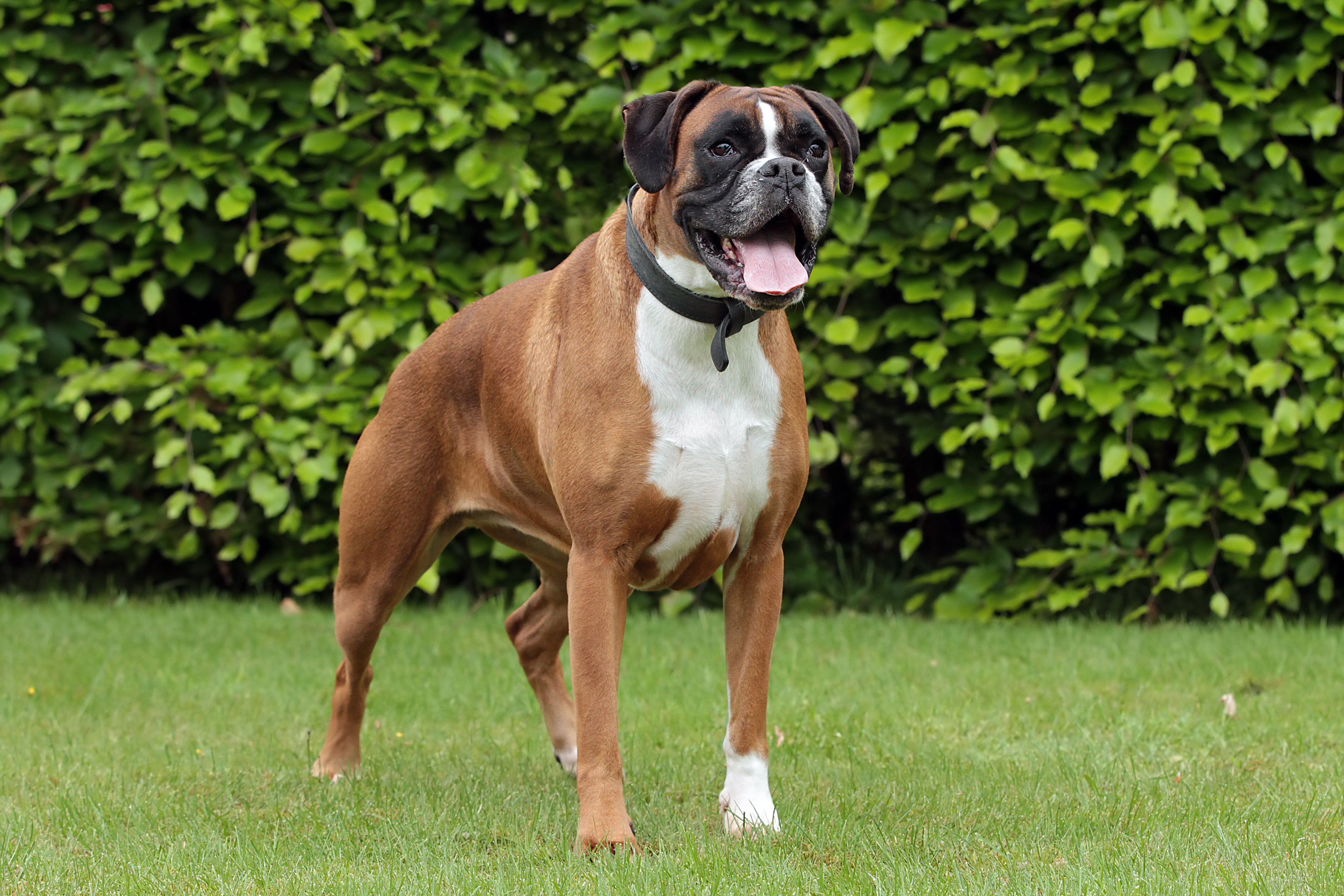
Boxers are medium to large dogs with strong muscles. They have a square-shaped head and a short muzzle. Their coat is short, smooth, and shiny. Common colors include fawn, brindle, and white. Boxers have a powerful build but move with great speed and grace. Their ears are often cropped or left natural. Their expressive eyes show curiosity and intelligence.
Temperament
Boxers are known for their playful and energetic nature. They love to stay active and enjoy games. These dogs are very loyal to their families. They protect loved ones and can be good watchdogs. Boxers are intelligent and learn commands quickly. They respond best to gentle, firm training. They rarely show aggression without cause. Their cheerful attitude makes them great companions.
Social Behavior
Boxers enjoy being around people and other animals. They are friendly and often get along with children. Socialization from a young age helps Boxers behave well. They dislike being left alone for long periods. Boxers seek attention and enjoy family activities. They can be protective but usually friendly to strangers. This breed thrives in homes where they get plenty of love and playtime.

Credit: www.newsweek.com
Common Behavioral Patterns
Boxer dogs have unique behavior traits that make them special companions. Understanding these traits helps owners care for and enjoy their pets more. Boxers show clear patterns in how they act daily.
These common behaviors include their playfulness, protective nature, and ways they communicate. Each aspect shows a different part of their personality. Knowing these patterns helps build a strong bond with your Boxer.
Playfulness And Energy
Boxers are full of energy and love to play. They need regular exercise to stay happy and healthy. Playtime helps them release energy and avoid boredom. They enjoy games like fetch and running outdoors. Their playful nature keeps them lively and fun companions.
Protective Instincts
Boxers are naturally protective of their family. They watch over their home and alert owners to strangers. This instinct makes them good guard dogs. They are brave but gentle with loved ones. Their protection comes from loyalty and care.
Communication Styles
Boxers use body language and sounds to communicate. They bark, growl, and use facial expressions. Tail wagging shows happiness or excitement. Ears and posture tell how they feel. Learning these signs helps owners understand their needs and moods.
Training Essentials
Training a Boxer dog is important for a happy home. These dogs are smart and full of energy. They need clear rules and gentle guidance. Training helps your Boxer learn good manners and stay safe. Start early and be patient. Consistency is key. Training sessions should be short and fun to keep your dog interested. Focus on basics first. This builds a strong bond between you and your dog.
Basic Commands
Teach your Boxer simple commands like sit, stay, and come. Use clear words and hand signals. Reward good behavior with treats or praise. Practice daily in short sessions. Repeat commands calmly and firmly. Avoid yelling or harsh punishments. These dogs respond better to kindness. Learning basic commands helps control your Boxer in different situations. It also builds trust and respect.
House Training
House training is essential for every Boxer owner. Set a regular schedule for bathroom breaks. Take your dog outside after meals and naps. Choose a quiet spot for potty time. Praise your Boxer when they go outside. Clean accidents inside thoroughly to remove smells. Be patient, as some dogs take time to learn. Avoid punishment for accidents. Positive reinforcement encourages good habits faster.
Leash Training
Leash training keeps your Boxer safe during walks. Use a comfortable collar or harness. Start indoors or in a quiet yard. Let your dog get used to the leash first. Teach your Boxer to walk beside you without pulling. Stop walking if they pull and wait calmly. Praise your dog when walking nicely. Practice regularly to build good leash manners. This training makes walks pleasant for both of you.
Credit: www.newsweek.com
Behavioral Challenges
Boxer dogs are lively and friendly, but they can face some behavioral challenges. These issues often need patience and consistent training. Understanding common problems helps owners handle them better. Below are some key challenges and ways to manage them effectively.
Dealing With Aggression
Boxers may show aggression due to fear or protectiveness. Early socialization helps reduce this behavior. Teach your dog calm responses to new people and animals. Avoid harsh punishments; use gentle corrections instead. Regular exercise also lowers stress and aggressive feelings.
Managing Separation Anxiety
Boxers are loyal and may get anxious alone. Signs include whining, digging, or chewing furniture. Create a safe space with toys to keep your dog busy. Practice short separations to build confidence. Consistent routines make your dog feel more secure.
Addressing Chewing And Barking
Chewing and barking are common in young Boxers. Provide plenty of chew toys to prevent damage. Teach a quiet command to control barking. Avoid yelling, which can increase noise. Regular walks and playtime help release extra energy.
Socialization Tips
Socialization is key for a happy and well-behaved Boxer dog. It helps them feel safe and confident in different situations. Early socialization shapes their personality and reduces fear or aggression. Start socializing your Boxer as a puppy, but adult dogs can learn too. Here are simple tips to help your Boxer get along with others and enjoy new places.
Introducing To Other Pets
Introduce your Boxer to other pets slowly and calmly. Use a quiet room for first meetings. Keep both animals on a leash to control the interaction. Watch their body language closely for signs of stress. Praise your Boxer for calm behavior. Short, positive encounters build trust between pets. Avoid forcing contact if either pet seems scared.
Meeting New People
Expose your Boxer to different people often. Let strangers offer treats to create a positive feeling. Encourage gentle petting and calm voices. Teach your dog to sit before greeting to keep control. Practice with friends and family first. Gradually add new faces from different ages and appearances. This helps your Boxer stay friendly and relaxed around people.
Exposure To Different Environments
Take your Boxer to various places regularly. Parks, busy streets, and pet-friendly stores are good options. Let them explore at their own pace. Use treats and praise to reward calm behavior. New sounds and sights help reduce fear and anxiety. Avoid overwhelming your dog with too many new things at once. Consistent exposure builds confidence and curiosity.
Exercise And Mental Stimulation
Boxer dogs are lively and smart. They need both exercise and mental activities daily. These keep them happy and healthy. Without enough activity, Boxers can get bored and restless. This may lead to unwanted behaviors. Regular exercise and mental challenges help them stay calm and focused.
Daily Activity Needs
Boxers require at least one hour of exercise every day. This can include walks, runs, or playtime in the yard. Exercise helps maintain their strong muscles and good health. It also burns excess energy. A tired Boxer is a well-behaved Boxer. Consistent daily activity is key to their happiness.
Interactive Games
Playing interactive games stimulates a Boxer’s mind and body. Games like fetch or tug-of-war are fun and engaging. Puzzle toys also challenge their problem-solving skills. These games reduce boredom and prevent destructive habits. Interactive play builds a strong bond between owner and dog.
Training For Mental Growth
Training sessions boost a Boxer’s intelligence and discipline. Short, frequent sessions work best. Teaching new commands or tricks keeps their brain active. Training improves focus and helps control impulses. It also builds confidence and strengthens the owner-dog relationship.
Health And Wellness Impact On Behavior
Boxer dogs show their feelings through behavior. Their health and wellness deeply affect how they act. A healthy Boxer is usually happy and calm. Poor health can cause mood changes or aggression. Understanding this link helps owners care better for their dogs.
Nutrition Effects
Good nutrition fuels a Boxer’s body and brain. Balanced food helps maintain energy and focus. Poor diet can lead to tiredness and irritability. Feeding the right amount of nutrients supports good behavior. Avoid giving harmful human foods that upset digestion.
Regular Vet Checkups
Vet visits catch health problems early. Pain or illness often change a Boxer’s mood. Regular checkups keep vaccinations and treatments up to date. A healthy dog feels more comfortable and behaves well. Skipping vet visits can lead to unnoticed health issues.
Recognizing Stress Signs
Stress affects behavior quickly. Watch for pacing, whining, or hiding. Excessive barking or chewing may show anxiety. Identifying stress helps prevent serious behavior problems. Calm surroundings and routine reduce stress in Boxers.

Credit: www.newsweek.com
Frequently Asked Questions
What Is Typical Boxer Dog Behavior?
Boxers are playful, energetic, and loyal dogs. They enjoy social interaction and need regular exercise. Their behavior is friendly but protective, making them excellent family pets and watchdogs.
How Do Boxers Behave With Children?
Boxers are gentle and patient with children. They are protective and often act as playmates. Proper training ensures safe and positive interactions between Boxers and kids.
Why Do Boxers Exhibit High Energy Levels?
Boxers have a lot of stamina and need physical activity. Without enough exercise, they may become restless or destructive. Daily walks and playtime help manage their energy effectively.
Are Boxers Aggressive By Nature?
Boxers are generally friendly but can be protective. Early socialization reduces aggressive tendencies. They rarely show unprovoked aggression and respond well to consistent training.
Conclusion
Boxer dogs show friendly and playful behavior daily. They need regular exercise to stay happy and healthy. Training helps them listen and follow commands well. Socializing early makes them comfortable with people and pets. Understanding their needs builds a strong bond and trust.
Patience and love guide their good behavior. Enjoy every moment with your Boxer dog friend. Their loyal nature brings joy to any home. Keep learning about their traits for a happy life.


