Are you worried about dog allergies or tired of cleaning up endless pet hair? Finding the perfect dog that won’t trigger your allergies or leave fur all over your home can feel impossible.
But what if you could have a furry friend who’s gentle on your nose and doesn’t shed like crazy? You’ll discover which dog breeds are truly hypoallergenic and don’t shed, making your life easier and your home cleaner. Keep reading to find the ideal companion that fits your lifestyle and keeps allergies at bay!
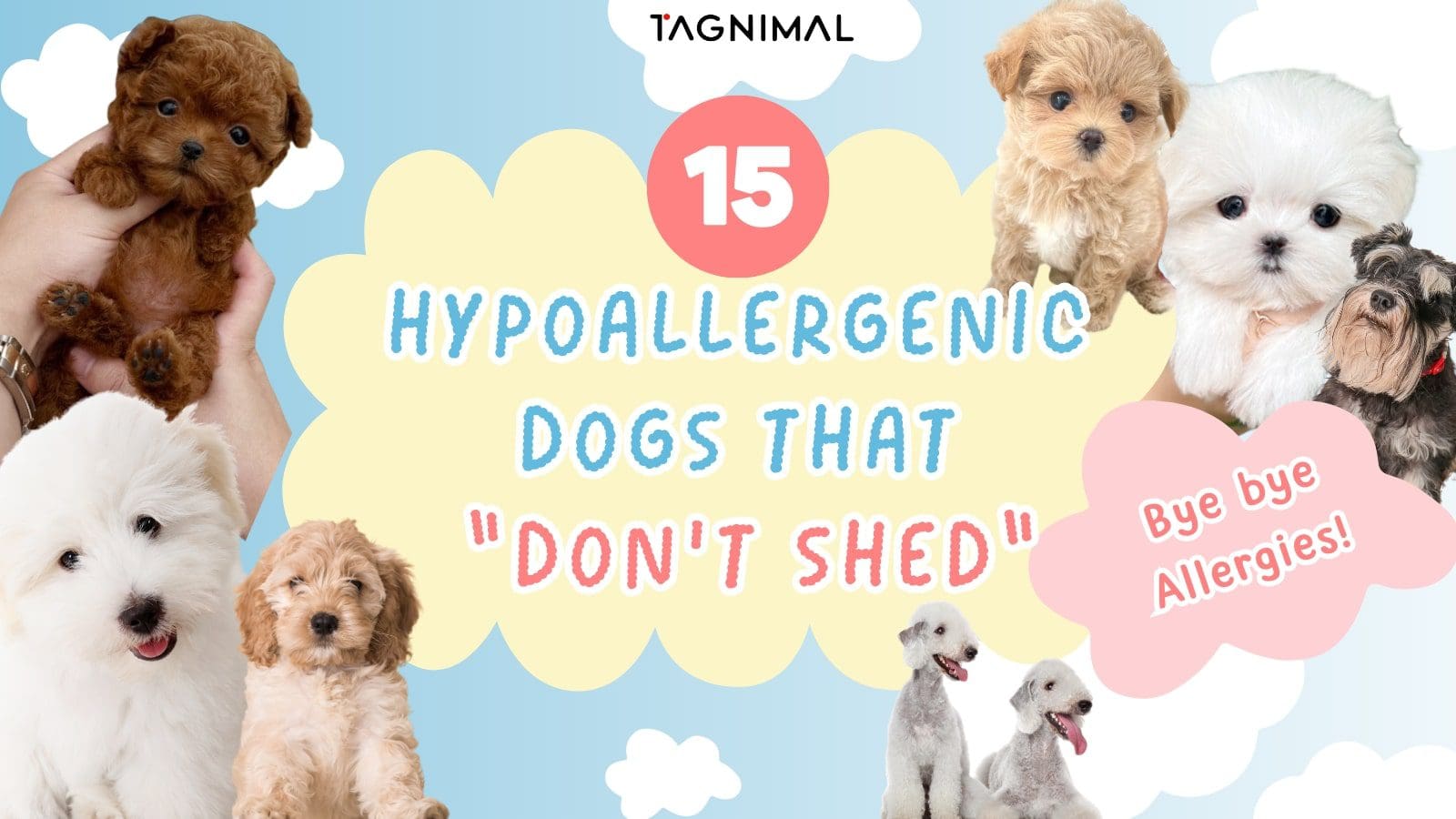
Credit: www.tagnimal.com
Traits Of Hypoallergenic Dogs
Hypoallergenic dogs have special traits that make them better for people with allergies. They usually shed less fur and produce fewer allergens. This helps reduce sneezing, itchy eyes, and other allergy symptoms. These dogs often have hair that grows continuously and does not fall out easily.
Many hypoallergenic breeds need regular grooming to keep their coats clean and healthy. Their fur may be curly or silky, which traps loose hair and dander. These traits make them a smart choice for allergy sufferers who want a pet without constant allergy attacks.
Low Shedding Vs. Hypoallergenic
Low shedding dogs lose less fur, but they are not always hypoallergenic. Shedding is just one part of the allergy problem. Some dogs shed little but still release dander, which can trigger allergies. Dander is tiny skin flakes that float in the air and stick to surfaces.
Hypoallergenic dogs produce less dander or have fur that traps it. This reduces the chance of allergies. Choosing a low shedding dog alone may not stop allergy issues. It is important to know how the dog’s coat affects dander and allergen spread.
Allergy Triggers Explained
Allergy triggers come from proteins in a dog’s skin, saliva, and urine. These proteins cause the immune system to react in sensitive people. Dander carries most of these proteins and spreads easily around the house.
Dogs that shed less fur spread less dander. Some breeds also produce fewer allergen proteins. Regular cleaning and grooming reduce allergens further. Understanding these triggers helps in choosing the right hypoallergenic dog breed.
:strip_icc()/GettyImages-166719138-7affca77fc9346ca9e406d8ea3ed2495.jpg)
Credit: www.thesprucepets.com
Top Hypoallergenic Breeds
Many people want a dog but suffer from allergies. Hypoallergenic breeds cause fewer allergic reactions. These dogs also shed very little. They are perfect for homes with allergy sufferers. Choosing the right breed helps keep your home clean and your family healthy.
Here are some of the top hypoallergenic dog breeds. Each one has unique traits and low shedding coats. They are loved for their friendly nature and easy care.
Poodles And Their Mixes
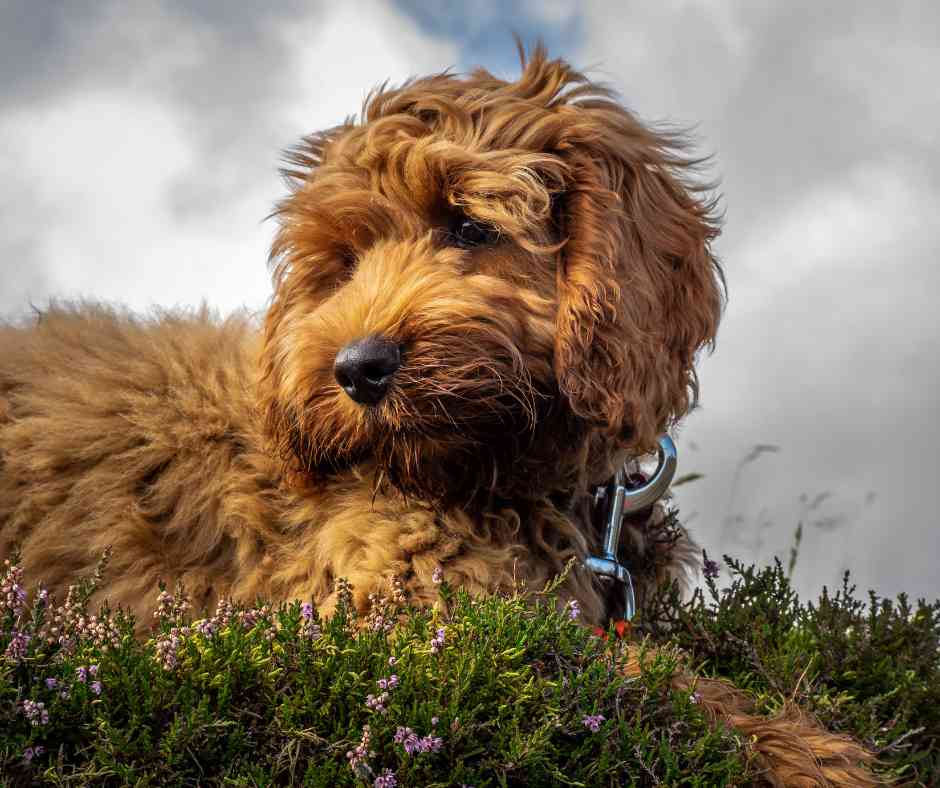
Poodles come in toy, miniature, and standard sizes. Their curly coat traps dander and reduces shedding. Poodle mixes like Labradoodles and Cockapoos are also popular. They inherit the hypoallergenic coat and friendly personality. Poodles are smart and easy to train.
Bichon Frise
Bichon Frises have soft, fluffy coats that shed very little. Their coat needs regular grooming to avoid mats. These dogs are cheerful and great with families. They adapt well to apartments and small spaces. Bichons enjoy playtime and cuddles alike.
Maltese
Maltese dogs have long, silky hair that sheds minimally. They require daily brushing to keep their coat smooth. These dogs are gentle and make loving companions. Maltese are alert and can be good watchdogs. They do well in quiet homes.
Schnauzers
Schnauzers come in mini, standard, and giant sizes. Their wiry coats shed little and resist dirt. They need regular grooming to maintain their look. Schnauzers are loyal and protective of their families. They have a lively and intelligent nature.
Portuguese Water Dog
Portuguese Water Dogs have curly, dense coats that shed very little. They are energetic and love water activities. This breed is smart and easy to train. They bond closely with their owners. Portuguese Water Dogs need daily exercise and mental stimulation.
Breeds That Don’t Shed Much
Dogs that don’t shed much are a great choice for many homes. Shedding can cause mess and allergies. Some breeds keep their fur under control. They drop very few hairs and are easier to clean up after. These breeds often fit well in apartments and homes with allergy sufferers. Here are some popular dog breeds known for their low shedding.
Shih Tzu
The Shih Tzu has a long, flowing coat that sheds very little. Their hair grows continuously and falls out slowly. Regular grooming helps keep their coat healthy and clean. Shih Tzus are friendly and adapt well to family life. They do need brushing to avoid mats, but their shedding is minimal.
Yorkshire Terrier
Yorkshire Terriers have fine, silky hair that sheds very little. Their coat is more like human hair than fur. This breed requires regular brushing to keep their hair smooth. Yorkies are small and lively dogs. They make good pets for people who want low-shedding dogs.
Basenji
Basenjis have short, fine coats that shed very little. Their hair is easy to maintain and stays clean. Basenjis are known for their quiet nature and high energy. They do not have a typical doggy odor. This breed is a smart and alert companion with minimal shedding.
Chinese Crested
Chinese Cresteds come in two types: hairless and coated. The hairless type has no fur to shed. The coated variety has soft hair that sheds very little. Both types are good for allergy sufferers. Chinese Cresteds are playful, gentle, and enjoy close contact with their owners.
Care Tips For Allergy-friendly Dogs
Caring for allergy-friendly dogs requires special attention. These breeds shed less and cause fewer allergy problems. Proper care helps keep your home clean and your dog healthy. Understanding grooming, home cleaning, and allergy management is key. Follow simple steps to enjoy life with your hypoallergenic dog.
Grooming And Maintenance
Regular grooming reduces dander and loose hair. Brush your dog weekly using a soft brush. Bathe your dog once a month with gentle shampoo. Trim nails to prevent scratching and skin irritation. Clean ears to avoid infections and allergens buildup. Keep your dog’s coat clean and healthy for fewer allergens.
Home Cleaning Strategies
Vacuum your floors and furniture often using a HEPA filter. Wash dog bedding weekly in hot water. Use air purifiers to remove pet dander from the air. Avoid carpets if possible; hard floors are easier to clean. Clean your dog’s favorite spots regularly to reduce allergens. Keep your home tidy to lower allergy symptoms.
Managing Allergies Around Dogs
Wash your hands after petting your dog. Keep your dog out of bedrooms and off furniture. Use allergy-friendly air filters in your home. Consult a doctor for allergy medicines or treatments. Create a pet-free zone to reduce allergen exposure. Monitor allergy symptoms and act quickly to ease discomfort.
Choosing The Right Breed For Allergies
Choosing the right dog breed for allergies is very important. Some dogs cause less allergic reactions because they shed less or have hair that traps allergens. Finding a breed that fits your allergy needs helps you live comfortably with your new pet. It also makes your home cleaner and your health better.
Matching Lifestyle And Breed Traits
Every dog breed has unique traits. Some need lots of exercise and space. Others prefer quiet homes and short walks. Pick a breed that fits your daily routine and living area. Active breeds may not suit small apartments. Calm dogs often do well in close spaces. Think about grooming needs too. Dogs that shed less often need more brushing. This keeps their coat healthy and reduces allergens.
Meeting With Dogs Before Adoption
Meeting dogs before adopting helps with allergy decisions. Spend time with the dog in a calm setting. Notice any allergic reactions like sneezing or itchy eyes. Ask about the dog’s grooming habits and health history. This meeting shows how your body reacts to that specific dog. It also helps you connect with the dog’s personality. This step makes sure you choose the right breed for your allergies and lifestyle.
Credit: animology.co.uk
Frequently Asked Questions
What Does Hypoallergenic Mean For Dog Breeds?
Hypoallergenic dogs produce fewer allergens like dander and saliva. They trigger less allergic reactions. These breeds are ideal for allergy sufferers.
Which Dog Breeds Don’t Shed Much?
Breeds like Poodles, Bichon Frises, and Maltese shed very little. Their hair grows continuously, reducing loose fur around the home.
Are Hypoallergenic Dogs Completely Allergen-free?
No dog is 100% allergen-free. Hypoallergenic breeds produce fewer allergens but may still cause mild reactions in sensitive individuals.
How To Manage Allergies With A Shedding Dog?
Regular grooming and cleaning reduce allergens. Using air purifiers and washing dog bedding helps minimize allergy symptoms at home.
Conclusion
Choosing a hypoallergenic dog breed that does not shed can ease allergy issues. These breeds offer companionship without constant cleaning or sneezing. Dogs like Poodles, Bichon Frises, and Portuguese Water Dogs fit this need well. Remember, no dog is 100% allergy-free, but some cause fewer problems.
Finding the right dog means enjoying pet love with less worry. Consider your lifestyle and allergies carefully before deciding. A happy home comes from the right match between you and your dog.