

If you love dogs but hate the constant shedding, you’re not alone. Finding a furry friend that won’t cover your clothes and furniture with hair can feel like a challenge.
But what if you could enjoy the companionship of a dog without worrying about endless cleaning? You’ll discover the dog breeds that shed the least, making your life easier and your home cleaner. Keep reading to find the perfect low-shedding dog that fits your lifestyle and keeps your space fur-free!
Low-shedding Dog Breeds
Low-shedding dog breeds are popular choices for people who want a pet with less fur around the house. These dogs lose very little hair compared to other breeds. They help keep homes cleaner and reduce allergy problems. Many people prefer these breeds for their easy care and neat appearance.
Characteristics Of Low-shedding Dogs
Low-shedding dogs have coats that do not lose much hair. Their fur is often curly, wavy, or very fine. These breeds may have hair that grows continuously instead of falling out. They usually need regular grooming to keep their coat healthy. These dogs often produce less dander, which helps people with allergies. Most low-shedding breeds are medium or small in size, but there are exceptions.
Benefits Of Choosing Low-shedding Breeds
Choosing a low-shedding breed means less cleaning at home. There is less hair on furniture, floors, and clothes. These dogs often cause fewer allergy symptoms. They are easier to groom and maintain. Low-shedding breeds are great for people with busy lives. They help keep the house fresh and tidy. These dogs also tend to have friendly and gentle personalities.
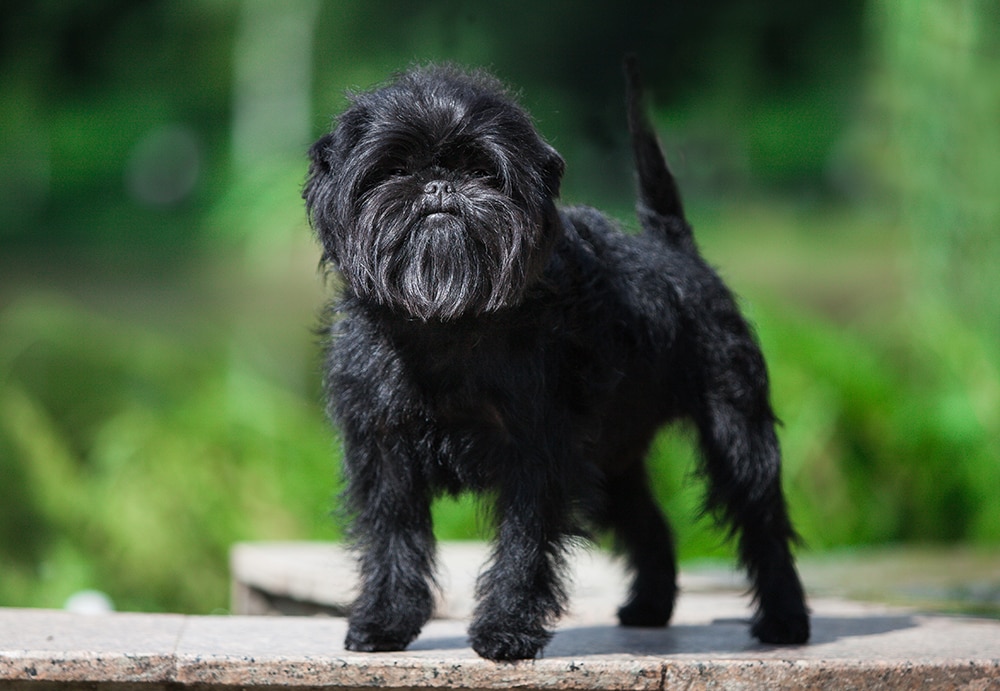
Credit: www.purina.com
Popular Low-shedding Dogs
Many people want a dog that does not leave hair everywhere. Low-shedding dogs suit homes with allergies or busy lifestyles. These breeds shed less, making cleaning easier. They also tend to keep their coats longer. Here are some popular low-shedding dog breeds to consider.
Poodle And Its Variations
Poodles come in three sizes: toy, miniature, and standard. They have curly coats that trap loose hair. This reduces shedding around the house. Poodles are smart and easy to train. Their coats need regular grooming to stay healthy.
Bichon Frise
The Bichon Frise has a soft, fluffy coat. It sheds very little compared to other dogs. This breed loves to play and be around people. Regular brushing keeps their fur clean and tangle-free. Bichons adapt well to apartments and small spaces.
Maltese
Maltese dogs have long, silky hair that sheds minimally. Their white coats need frequent grooming. They are gentle, friendly, and good for families. Maltese dogs enjoy indoor play and short walks. They make great companions for all ages.
Portuguese Water Dog
Portuguese Water Dogs have thick, curly coats. These dogs shed very little and are hypoallergenic. They are active and love water activities. Their coats require regular brushing to avoid mats. This breed is loyal and enjoys learning new tricks.
Schnauzer
Schnauzers come in mini, standard, and giant sizes. Their wiry coats shed very little hair. Schnauzers are alert and make good watchdogs. They need regular grooming to keep their coat neat. This breed is lively and loves family time.
Hypoallergenic Dog Options
Choosing a dog that sheds less can help reduce allergies and keep your home cleaner. Hypoallergenic dogs are a great choice for people with sensitivities to pet dander and fur. These dogs shed little or no hair, making them easier to live with for allergy sufferers.
Many hypoallergenic breeds have hair that grows continuously or tight curls that trap dander. This means less loose fur and fewer allergens in the air. Understanding what makes a dog hypoallergenic helps in selecting the right pet for your home.
What Makes A Dog Hypoallergenic?
Hypoallergenic dogs produce less dander, the tiny skin flakes that cause allergies. They often have hair instead of fur, which grows slowly and falls out less. Many have tight, curly coats that hold onto hair and dander.
These dogs shed very little, so allergens do not spread easily. Regular grooming also helps keep dander under control. Hypoallergenic breeds are not completely allergy-free but cause fewer problems.
Top Hypoallergenic Breeds
Poodles are popular for their curly, low-shedding coats. They come in many sizes, from toy to standard. Bichon Frises have soft, wavy hair that traps dander well.
Maltese dogs have long, silky hair that sheds little. Portuguese Water Dogs have dense, curly coats that keep shedding minimal. Schnauzers, especially miniatures, are known for low shedding and friendly temperaments.
Other options include Yorkshire Terriers and Shih Tzus. These breeds offer companionship without heavy shedding. Choosing a hypoallergenic dog reduces allergens and keeps your space cleaner.
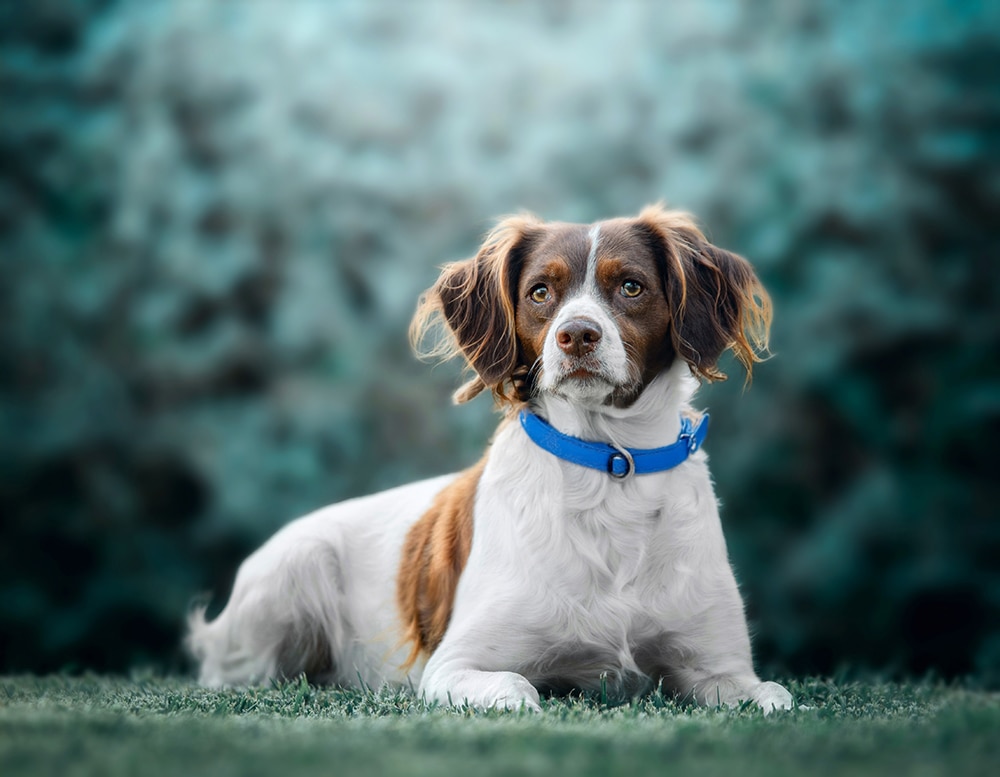
Credit: www.purina.com
Care Tips For Low-shedding Dogs
Low-shedding dogs require special care to keep their coats healthy. Their fur does not fall out much, but grooming still matters. Proper care helps reduce loose hair and keeps allergies low. Follow these tips to maintain your dog’s coat and health.
Grooming Essentials
Brush your dog regularly. This removes dirt and loose fur. Use a brush made for low-shedding coats. Bathe your dog once a month. Use mild shampoo to avoid skin dryness. Check ears and nails often. Clean ears gently to prevent infections. Trim nails to avoid discomfort.
Diet And Health Impact On Shedding
Feed your dog a balanced diet. Good food supports healthy skin and fur. Omega-3 fatty acids reduce shedding. Provide fresh water every day. Poor health can increase hair loss. Visit the vet for regular check-ups. Treat any skin problems quickly.
Managing Allergies At Home
Keep your home clean to lower allergens. Vacuum floors and furniture often. Wash your dog’s bedding weekly. Use air purifiers to remove dust and dander. Create pet-free zones for sensitive family members. Regular grooming also helps control allergens. Small steps make a big difference.
Choosing The Right Low-shedding Dog
Choosing the right low-shedding dog means finding a breed that fits your home and life. Shedding is just one part of the picture. You also need a dog whose size, energy, and personality match your daily routine. This helps keep both you and your dog happy.
Assessing Lifestyle Compatibility
Think about your daily schedule. Some dogs need lots of exercise and playtime. Others prefer quiet and rest. A low-shedding dog that matches your activity level reduces stress for both of you. Also, consider your home space. Small apartments suit small, calm dogs. Large homes can handle active, bigger breeds.
Considering Size And Activity Levels
Small dogs often shed less and need less space. Large dogs can be gentle but need more exercise. Match your energy with your dog’s needs. A calm person may prefer a relaxed breed. Active people may enjoy a lively, low-shedding dog. This balance creates a good life for both.
Adoption Vs. Breeders
Adopting saves a life and often offers low-shedding dogs. Shelters have many breeds and mixes. Breeders provide specific breeds with known traits. Research breeders carefully to avoid health problems. Both options can give you a great pet. Choose what feels right for your family and lifestyle.
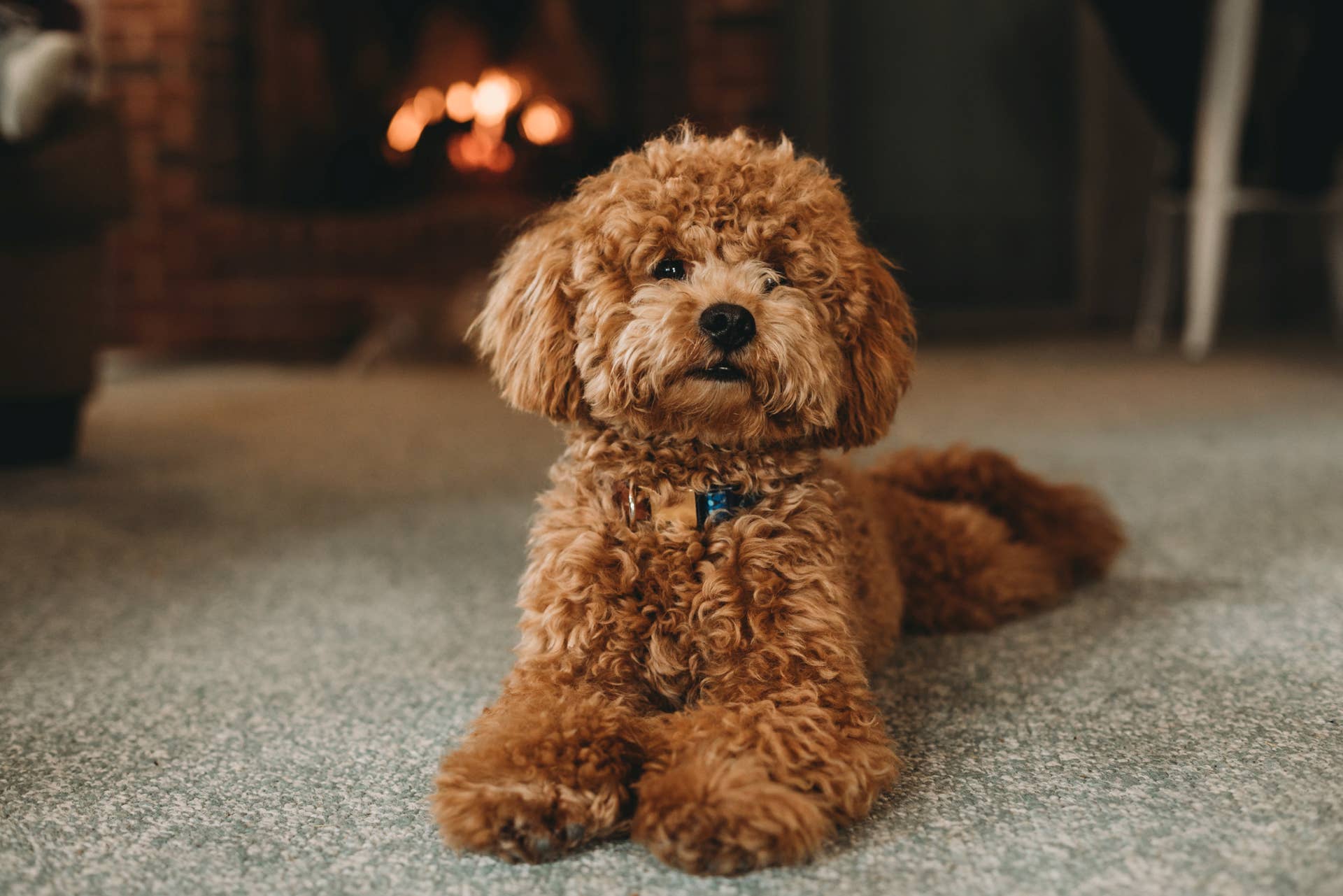
Credit: pethelpful.com
Frequently Asked Questions
Which Dog Breeds Shed The Least Hair?
Breeds like Poodles, Bichon Frises, and Maltese shed very little. Their hair grows continuously and falls less, making them ideal for allergy sufferers.
Are Hypoallergenic Dogs Really Low Shedders?
Yes, hypoallergenic dogs typically shed less dander and hair. This reduces allergic reactions and keeps your home cleaner, though no dog is 100% allergen-free.
How Often Do Low-shedding Dogs Need Grooming?
Low-shedding dogs require regular grooming every 4 to 6 weeks. Consistent brushing prevents matting and controls shedding, maintaining their coat’s health and cleanliness.
Can Small Dog Breeds Shed Less Than Large Breeds?
Shedding is more about breed type than size. Some small breeds shed less, but many large breeds like the Standard Poodle also shed minimally.
Conclusion
Choosing a dog that sheds less helps keep your home cleaner. Breeds like Poodles, Bichon Frises, and Shih Tzus are good options. They need regular grooming but shed very little. These dogs suit people with allergies or busy lifestyles. Remember, every dog needs care and attention.
Think about your needs and lifestyle before picking a breed. A low-shedding dog can make pet ownership easier and more enjoyable. Enjoy the company of a furry friend without worrying about hair everywhere.


