Have you ever wondered which dogs are truly giants in the canine world? If you’re curious about the biggest dog breeds in the world, you’re about to discover some amazing facts.
These massive dogs can surprise you with their size, strength, and gentle nature. Whether you’re thinking about adding a large dog to your family or just love learning about impressive animals, this guide will keep you hooked. Get ready to meet the gentle giants that might just steal your heart!
Top Giant Dog Breeds
Giant dog breeds impress with their massive size and gentle nature. These dogs often have calm temperaments despite their large frames. They make loyal companions and protectors. Their size needs special care and space.
English Mastiff
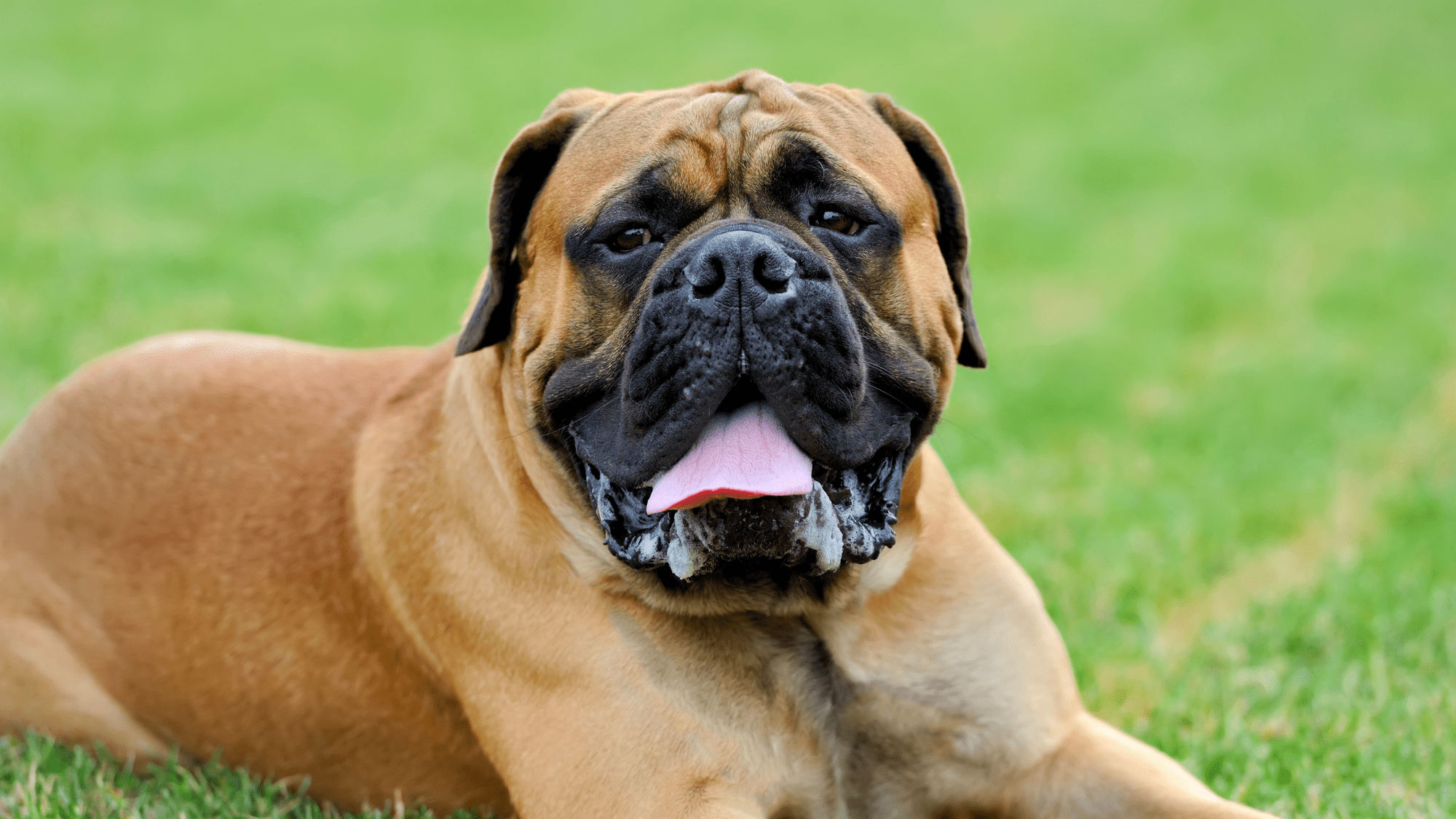
The English Mastiff is one of the heaviest dog breeds. Males can weigh over 200 pounds. They have a broad head and a muscular body. Despite their size, they are calm and loving with family. They need moderate exercise and a big yard.
Saint Bernard
Saint Bernards are famous for rescue work in snowy mountains. They are strong and very large. Their thick fur protects them from cold weather. These dogs are gentle giants and very friendly. They enjoy being around people and children.
Great Dane
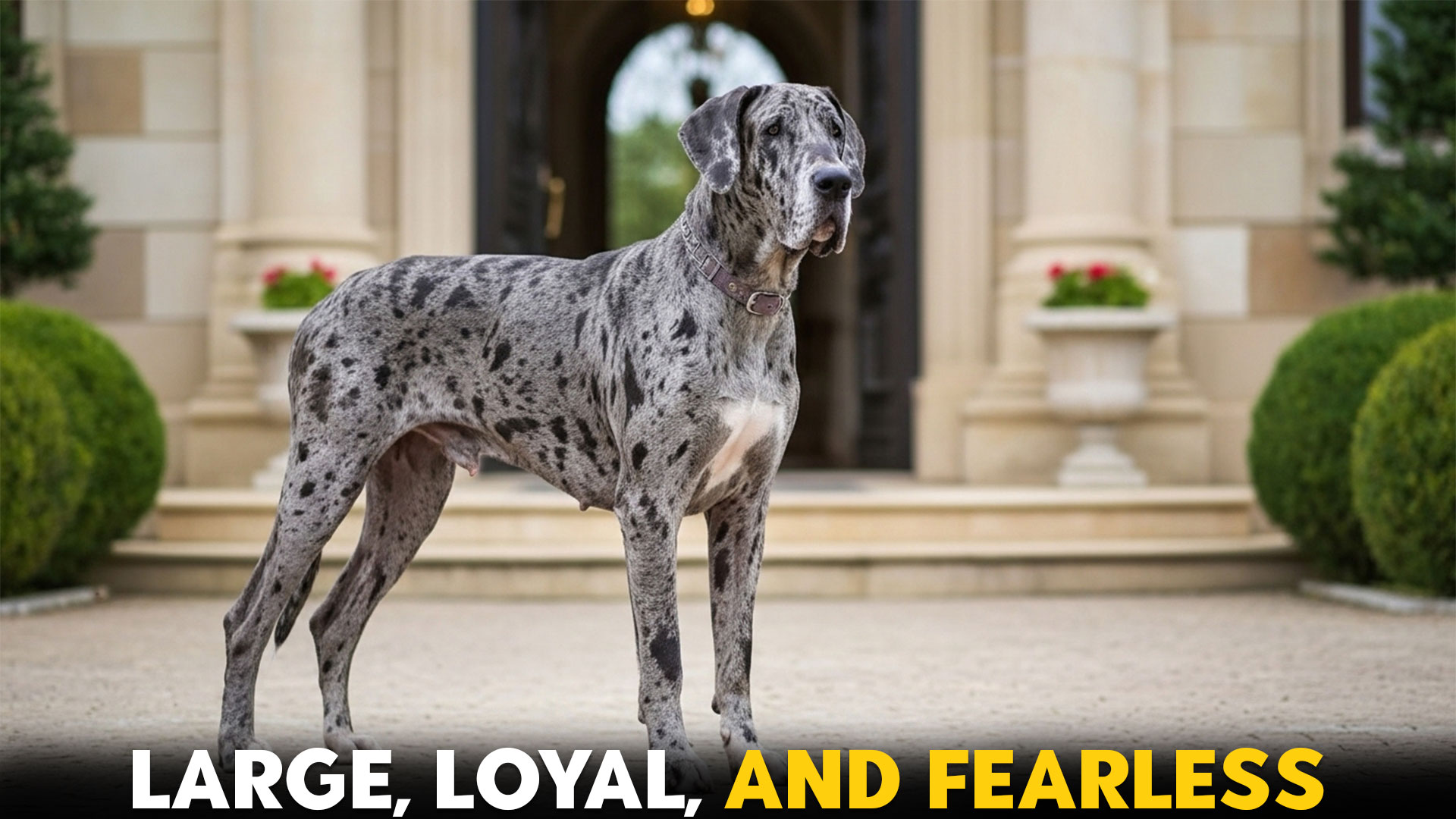
Great Danes are tall and elegant. Some can reach over 30 inches at the shoulder. They are often called “gentle giants” because of their sweet nature. Great Danes need daily walks and space to move. They are good with families and other pets.
Irish Wolfhound
Irish Wolfhounds are tall, with a rough coat. They were bred for hunting wolves in Ireland. These dogs are fast and strong but very gentle. Irish Wolfhounds live calmly indoors and enjoy short walks. They need plenty of room to stretch.
Neapolitan Mastiff
Neapolitan Mastiffs have loose skin and big wrinkles. They are powerful and protective dogs. Their large size can be intimidating but they are loyal. They need early training and socialization. These dogs prefer calm environments and moderate exercise.
Credit: worldanimalfoundation.org
Physical Characteristics
Big dog breeds stand out due to their strong and unique physical traits. These traits help them survive and perform tasks like guarding or pulling. Their size and build make them very different from small or medium dogs.
Size And Weight
Biggest dog breeds can weigh over 100 pounds. Some even reach 200 pounds or more. Their height often ranges from 28 to 36 inches at the shoulder. These dogs have broad chests and thick legs. They look powerful and solid.
Coat Types And Colors
Coats vary widely among large breeds. Some have short, smooth fur, while others have long, thick hair. Colors include black, brown, white, and mixed patterns. Thick coats help protect dogs from cold weather. Coat care needs depend on the type and length.
Lifespan Expectations
Large dogs usually live 6 to 10 years. Bigger size often means shorter life than small breeds. Health problems like joint issues can affect lifespan. Proper care and diet can help dogs live longer. Regular vet visits are important for health checks.
Temperament And Behavior
The biggest dog breeds in the world often surprise people with their gentle nature. Their size does not mean they are aggressive or hard to handle. Understanding their temperament and behavior helps owners build strong bonds. These dogs need care, training, and attention to thrive.
Gentle Giants
Large dog breeds are often called gentle giants. They are calm and patient with family members. Despite their strength, they rarely show unnecessary aggression. Many big dogs enjoy quiet time and love soft play. Their size can be intimidating, but their hearts are usually very kind.
Protective Instincts
Big dogs have strong protective instincts. They watch over their home and family carefully. This trait makes them excellent guard dogs. They alert their owners to danger with loud barks. Training helps control their protective behavior to avoid over-guarding. Respect and kindness help these dogs feel safe and confident.
Socialization Needs
Socializing big dogs early is very important. They need to meet different people and animals. Proper socialization prevents fear and aggression. It helps them behave well in new places and around strangers. Consistent training and positive experiences build good manners. Social dogs are happier and easier to live with.
Exercise And Training
Big dog breeds need special care for exercise and training. These dogs are strong and large. They require regular activity to stay healthy and happy. Training them needs patience and consistency. Understanding their exercise and training needs helps both the dog and owner.
Daily Activity Requirements
Big dogs need plenty of daily exercise. They burn a lot of energy and get restless without activity. Walking for at least one hour is ideal. Playtime helps keep their muscles strong. Swimming or hiking can add variety. Regular exercise prevents weight gain and health problems.
Training Challenges
Training big dogs can be tough. Their size makes mistakes more dangerous. Early socialization is very important. Teach basic commands like sit, stay, and come. Use positive reinforcement and short sessions. Consistency helps them learn faster. Patience is key, as some breeds are stubborn.
Suitable Living Environments
Big dogs need space to move freely. Small apartments may not be suitable. Houses with yards are better for them. They enjoy outdoor time and room to roam. Quiet neighborhoods reduce stress for large dogs. A safe, secure space keeps them comfortable and happy.
Health Concerns
Big dog breeds face unique health challenges. Their large size puts stress on bones and organs. Owners must watch for signs of illness early. Understanding health concerns helps keep these dogs happy and strong.
Common Health Issues
Large dogs often suffer from joint problems like hip and elbow dysplasia. Heart diseases and bloat are serious risks. Their lifespan is shorter than smaller dogs. Regular vet visits catch problems before they get worse.
Preventative Care
Routine checkups help spot health issues early. Exercise keeps muscles and joints strong. Avoid overexertion to prevent injuries. Vaccines and parasite control protect against infections. Grooming supports skin and coat health.
Diet And Nutrition
Proper diet supports growth and energy needs. Large breeds need food with balanced calcium and phosphorus. High-quality protein helps maintain muscle mass. Avoid overfeeding to prevent obesity. Fresh water should always be available.
Credit: pethelpful.com
Choosing The Right Giant Dog
Choosing the right giant dog is important for a happy life together. These large breeds need special care and attention. They are not just big dogs; they have big needs too. Understanding what suits your lifestyle helps make the best choice. A giant dog can bring joy, but also responsibility. Think about space, time, and energy you can offer. This section guides you through key points for choosing your giant dog.
Matching Lifestyle And Breed
Each giant breed has different energy levels and personalities. Some need lots of exercise, while others prefer calm days. Your daily routine must fit the dog’s needs. Space matters too. Large dogs need room to move and play. Consider your home size and yard. Giant dogs also need social time with family. Make sure you can spend time with your dog every day. Matching your lifestyle to the breed helps avoid future problems.
Costs And Commitment
Big dogs cost more to care for than small dogs. Food, vet visits, and grooming add up quickly. Giant breeds may need special medical care. You must be ready for these expenses. Time is another factor. Training and exercise take hours each week. A giant dog lives for many years. This means a long commitment. Think carefully about your budget and time before choosing a giant dog.
Rescue And Adoption Options
Adopting a giant dog is a kind choice. Many large dogs wait for new homes in shelters. Rescue groups focus on giant breeds too. They can help match you with the right dog. Adoption saves lives and gives dogs a second chance. Ask about the dog’s health and behavior. Rescues often provide support for new owners. Consider adoption as a way to find your giant dog.
Credit: worldanimalfoundation.org
Frequently Asked Questions
What Are The Largest Dog Breeds By Weight?
The largest dog breeds by weight include English Mastiffs, Saint Bernards, and Great Danes. These breeds often weigh over 150 pounds and have impressive muscular builds, making them some of the heaviest dogs worldwide.
Which Dog Breed Grows The Tallest?
The Great Dane is known as the tallest dog breed. Adult males can reach heights of up to 32 inches or more at the shoulder, making them exceptionally tall compared to other dog breeds.
How Big Do English Mastiffs Get?
English Mastiffs can weigh between 160 to 230 pounds and stand around 27 to 30 inches tall. They are one of the heaviest and most massive dog breeds in the world.
Are Giant Dog Breeds Suitable As Family Pets?
Yes, many giant dog breeds are gentle and loyal family pets. However, they need space, proper training, and regular exercise due to their size.
Conclusion
Big dog breeds are impressive and strong. They need space and care every day. These dogs can be gentle and loyal friends. Think about their size before choosing one. Training and patience make a big difference. Each breed has its own special traits.
Big dogs can bring joy and fun. They fit well with active families. Always give them love and attention. Big dogs deserve respect and kindness.