

Have you ever noticed those small extra toes high up on a dog’s back legs and wondered what they are? These are called back dewclaws, and not every dog has them.
If you’re curious about which dog breeds carry these unique little toes and why they matter, you’re in the right place. Understanding back dewclaws can help you learn more about your dog’s anatomy and even their health. Keep reading to discover which breeds have back dewclaws and what that means for you and your furry friend.
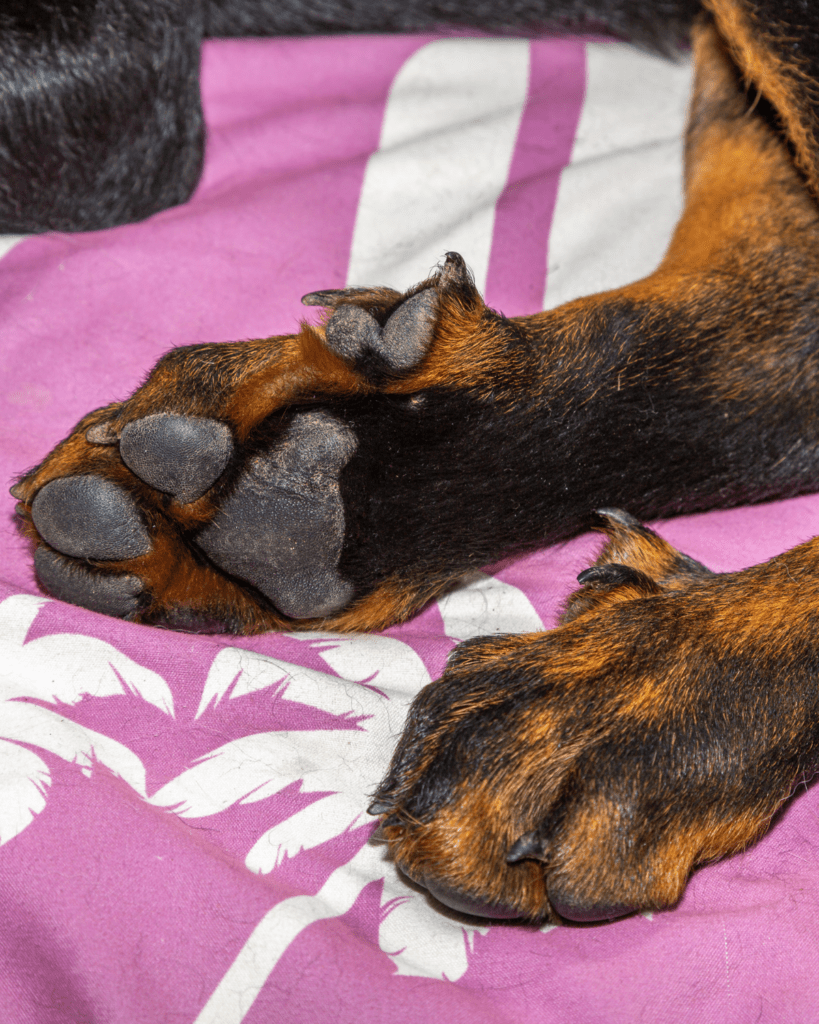
Credit: rebarkable.com
Back Dewclaws Explained
Back dewclaws are a unique feature found in some dog breeds. They are extra toes located on the back legs. Not all dogs have them. Understanding what back dewclaws are helps dog owners care for their pets better.
Function And Location
Back dewclaws sit higher on the inside of the dog’s hind legs. They do not touch the ground like regular toes. Some dogs use them to grip objects or climb. In many breeds, these dewclaws have little to no function.
Differences From Front Dewclaws
Front dewclaws are more common and often stronger. They help dogs hold and carry things. Back dewclaws are rarer and usually smaller. Many dogs have only one back dewclaw on each leg or none at all.
Common Breeds With Back Dewclaws
Back dewclaws are rare but found in a few dog breeds. These extra toes appear on the rear legs. They serve different purposes depending on the breed. Some help with balance and climbing. Others are just a unique trait passed down through generations. Below are some common dog breeds with back dewclaws.
Norwegian Lundehund
The Norwegian Lundehund has six toes on each foot. This breed uses its back dewclaws to climb steep cliffs. These extra toes give better grip and stability. Lundehunds are rare and originally helped hunters catch puffins. Their unusual feet make them excellent climbers.
Briard
Briards often have back dewclaws on their hind legs. These toes help them move quickly over rough terrain. The breed is known for herding sheep and protecting flocks. Back dewclaws add to their strength and agility. Many Briards keep their dewclaws intact for this reason.
Great Pyrenees
Great Pyrenees dogs sometimes have double dewclaws on their back legs. These extra toes provide better traction on rocky mountains. The breed is a strong guardian and mountain worker. Back dewclaws help prevent slipping on steep paths. Many owners choose not to remove them.
Genetics Behind Back Dewclaws
Back dewclaws are extra toes found on the back legs of some dogs. Not all breeds have them. Their presence depends on genetics. Understanding the genes behind back dewclaws helps explain why some dogs have them and others do not. These genes control how limbs and digits develop before birth. They vary across dog breeds, affecting the number of toes on each paw.
Inheritance Patterns
Back dewclaws usually follow a genetic pattern called incomplete dominance. This means one gene may not fully mask another. Dogs can inherit the trait from one or both parents. If a dog gets the gene from both parents, it is more likely to have back dewclaws. Sometimes, the gene is hidden and shows up later in future generations. This pattern explains why back dewclaws appear randomly in some breeds.
Evolutionary Purpose
Back dewclaws may have helped dogs in the wild. They can provide extra grip when running or climbing. This extra toe acts like a thumb, helping dogs hold objects or dig. Over time, some breeds kept back dewclaws because they offered advantages. Other breeds lost them as they adapted to different environments or tasks. Their presence today is a sign of a dog’s evolutionary past and function.
Care And Maintenance
Back dewclaws need regular care to stay healthy. These small nails can grow fast and may cause problems if ignored. Proper care helps prevent pain and infections. It also keeps your dog comfortable and active.
Trimming Tips
Use a sharp nail clipper made for dogs. Trim the dewclaws carefully to avoid cutting the quick. The quick is the pink part inside the nail that has blood vessels. Cut little by little to prevent pain and bleeding. If unsure, ask a vet or groomer to show you how. Check dewclaws often, as they may grow unevenly.
Preventing Injuries
Back dewclaws can get caught on objects and tear. Keep your dog’s nails short to lower this risk. Watch your dog during play and walks to spot any problems early. Avoid rough surfaces that may break or hurt the dewclaws. If your dog shows signs of limping or pain, check the dewclaws first. Clean any cuts quickly to avoid infection.
Debates On Removing Back Dewclaws
The topic of removing back dewclaws sparks many debates among dog owners and experts. These small claws, found on the inside of a dog’s rear legs, vary by breed. Some believe removing them prevents injuries. Others think they serve a purpose and should stay. The decision often depends on health, breed, and personal views.
Health Considerations
Back dewclaws can sometimes cause problems. They might catch on objects and tear. This can lead to pain or infection. Some vets recommend removal to avoid these risks. Surgery is usually simple and safe when done young. Older dogs face more risks during removal. Some dogs use their dewclaws for balance or gripping. Removing them might affect these functions. Monitoring the dewclaws’ health is key for any dog.
Ethical Perspectives
Many argue that removing dewclaws is unnecessary. The procedure causes pain and stress to the dog. Some see it as altering a natural part of the dog’s body. Others believe it is a form of animal cruelty. Different countries have laws about dewclaw removal. Some ban the practice except for medical reasons. Respecting the dog’s well-being often guides this debate. Owners should consider the dog’s comfort and natural body.

Credit: articles.hepper.com
Back Dewclaws In Working Dogs
Back dewclaws are extra toes found on the rear legs of some working dogs. These small claws are not common in all breeds. They often serve important roles in dogs that work hard, such as herding or hunting. These dewclaws can improve the dog’s balance and grip on rough or uneven ground.
Working dogs with back dewclaws tend to have better control while running or turning quickly. This helps them perform their tasks more efficiently and safely. The presence of these claws is often linked to the dog’s natural abilities in their specific jobs.
Benefits In Mobility
Back dewclaws add extra support to the dog’s rear legs. They help stabilize the dog during sharp turns and fast movements. This reduces the risk of slipping or injury. Dogs with these claws can move more confidently on slippery or rocky surfaces. The claws act like extra toes that grip the ground firmly.
These claws also help spread the force of impact when the dog runs or jumps. This lowers stress on the joints and muscles. As a result, working dogs can stay active longer and recover faster from physical activities.
Examples In Herding And Hunting
Many herding breeds have back dewclaws to help control livestock. For example, the Norwegian Buhund and the Beauceron often have double dewclaws. These claws provide better traction on uneven farm fields. Herding dogs need quick changes in direction, and the dewclaws aid in these sharp turns.
Hunting breeds like the Alpine Dachsbracke also carry back dewclaws. These dogs track scents over rough terrain. The extra claws help maintain balance on hills and dense forest floors. Hunters rely on these dogs to follow trails without slipping or falling.
Rare Cases And Anomalies
Back dewclaws are uncommon in most dog breeds. Some dogs show rare cases where these claws appear. These anomalies surprise many dog owners and breeders. Understanding these exceptions helps us learn more about dog anatomy and genetics.
Unexpected Breeds
Certain breeds usually do not have back dewclaws. Sometimes, individual dogs in these breeds grow them. This can happen due to genetic mutations. For example, some Labradors or Beagles may have back dewclaws, even if rare. These unexpected cases catch the attention of vets and owners alike.
Polydactyl Dogs
Polydactyl dogs have extra toes, including extra dewclaws. This condition is more common in some breeds than others. Great Pyrenees and Beaucerons often show this trait. The extra dewclaws can appear on the back legs as well. Polydactyly is a natural variation, not a health problem. Owners should monitor these dogs to keep the claws clean and healthy.

Credit: www.woofblankets.com
Frequently Asked Questions
What Dog Breeds Commonly Have Back Dewclaws?
Certain breeds like Great Pyrenees, Briards, and Beaucerons often have back dewclaws. These are genetic traits. Back dewclaws help with stability and climbing, especially in working dogs.
Are Back Dewclaws Functional Or Just Cosmetic?
Back dewclaws can be functional. They provide extra grip and balance. Some dogs use them to hold objects. However, many dogs live fine without them.
Should Back Dewclaws Be Removed In Puppies?
Removal depends on breed and owner preference. Some breeders remove them to prevent injury. Others leave them for natural function. Consult your vet for best advice.
Do Back Dewclaws Cause Health Problems?
Back dewclaws can cause issues if not trimmed. They may get caught and torn. Regular care helps prevent infections and injuries.
Conclusion
Back dewclaws appear in many dog breeds, serving various purposes. Some dogs use them for extra grip while running or climbing. Others may have them removed to avoid injury. Knowing which breeds have back dewclaws helps owners care properly for their pets.
Always check your dog’s paws for these claws and keep them clean. Taking care of dewclaws prevents pain and infections. Understanding this small detail can improve your dog’s health and comfort. Simple care goes a long way in keeping dogs happy.


