

Are you searching for a dog that won’t trigger your allergies? You might have heard that Basenjis are hypoallergenic, but is that really true?
If you love dogs but struggle with sneezing, itchy eyes, or wheezing, it’s important to know what kind of pet fits your needs. This article will help you understand if a Basenji could be the allergy-friendly companion you’re looking for.
Keep reading to discover the facts and make the best choice for your home and health.
Credit: www.petfinder.com
Basenji Breed Traits
The Basenji breed has unique traits that make it stand out among dogs. These dogs have a rich history and special qualities. Understanding their traits helps in knowing if they fit your lifestyle.
Basenjis are known for their clean habits, quiet nature, and active minds. They bring a mix of energy and calm that many dog lovers appreciate.
Physical Characteristics
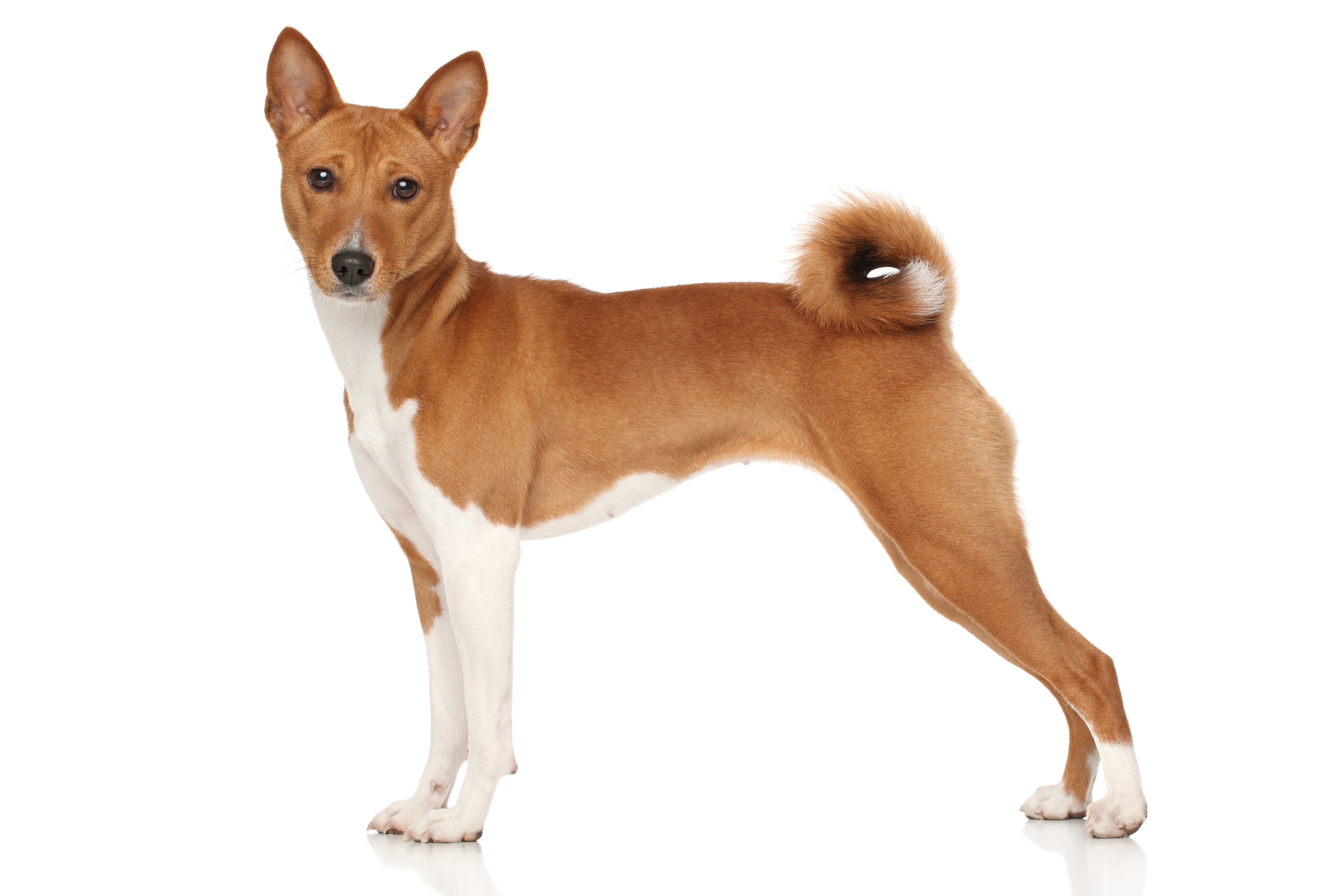
Basenjis are small to medium-sized dogs. They have a sleek, muscular body and a short coat. Their ears are pointed and stand up straight. The tail curls tightly over the back. Their eyes are almond-shaped and dark, giving an alert look.
Temperament And Behavior
Basenjis are intelligent and curious dogs. They can be independent but also loyal to their owners. These dogs are known for being quiet, often called “barkless dogs.” Instead, they make unique sounds like yodels. They enjoy being part of the family but may be reserved with strangers.
Exercise Needs
Basenjis need daily exercise to stay healthy and happy. They enjoy running and playing outside. Mental activities are important too, as they are smart dogs. Without enough activity, they may get bored and restless. Regular walks and playtime suit them well.

Credit: www.mkrgestaoefinancas.com.br
Allergy Factors In Dogs
Allergies to dogs affect many people worldwide. Understanding allergy factors helps manage symptoms better. Dogs release allergens in several ways. These allergens trigger reactions in sensitive individuals. Knowing what causes allergies in dogs is key to living well with them.
Common Allergens
Dog allergens come from skin flakes, saliva, and urine. These proteins cause immune responses in allergic people. Allergens can stick to fur and surfaces. Different dog breeds produce varying allergen levels. Some breeds are known to cause fewer allergic reactions.
Shedding And Dander
Dander is tiny skin flakes that dogs shed. It carries allergenic proteins into the air. Dogs that shed less dander may cause fewer allergies. Basenjis shed very little compared to many breeds. Less shedding means fewer allergens spread in the home.
Saliva And Skin Proteins
Saliva contains proteins that can trigger allergies. Dogs lick their fur, spreading saliva proteins onto the coat. Skin also produces proteins that act as allergens. These proteins can become airborne and cause reactions. Basenjis produce less of these proteins than some dogs.
Basenji And Allergies
The Basenji is often discussed as a good choice for people with allergies. Understanding the Basenji’s effect on allergies helps in choosing the right pet. This breed has unique traits that may reduce allergic reactions in some individuals.
Shedding Levels
Basenjis have very low shedding compared to many dog breeds. Their short, fine coat loses little hair. This means fewer loose hairs in the home. Less hair often means fewer allergens spread around.
Dander Production
Dander is a common allergen found in dogs. Basenjis produce dander like all dogs but in smaller amounts. Their clean grooming habits help reduce dander build-up. Less dander can mean fewer allergy problems.
Impact On Allergy Sufferers
Basenjis may cause fewer allergy symptoms for some people. Their low shedding and dander levels help minimize triggers. Still, no dog breed is fully hypoallergenic. Allergy sufferers should spend time with a Basenji before deciding.

Credit: hypoallergenichomes.com
Comparing Basenjis To Other Breeds
Basenjis stand out from many dog breeds because of their unique traits. They are often compared to popular hypoallergenic dogs. This helps people decide which dog fits their needs. Understanding these differences matters for allergy sufferers and dog lovers alike.
Basenjis have a short coat and groom themselves like cats. This reduces dander, a common allergy trigger. Their shedding is low, but not zero. Comparing them with well-known hypoallergenic breeds shows clear contrasts.
Popular Hypoallergenic Breeds
Breeds like Poodles, Bichon Frises, and Maltese are famous for being hypoallergenic. They shed very little and produce less dander. These breeds often have curly or dense fur that traps loose hair. This lowers the chance of allergic reactions.
Basenjis do not have curly fur. Their coat is short and smooth. They shed less than many dogs but more than some hypoallergenic breeds. People with mild allergies may tolerate Basenjis well.
Basenji Vs Poodle
Poodles are highly recommended for allergy sufferers. Their curly hair traps dander and limits shedding. This keeps the environment cleaner and allergies lower. Poodles need regular grooming and haircuts to stay healthy.
Basenjis need less grooming but shed a bit more. They do not have the same dander control as Poodles. For severe allergies, Poodles are usually a better choice. Basenjis suit those with mild allergies who want a low-maintenance dog.
Basenji Vs Bichon Frise
Bichon Frises have soft, curly coats that trap dander well. They shed very little and require frequent grooming. Bichons are known for being excellent hypoallergenic companions.
Basenjis are more independent and clean themselves often. Their short coat means less hair around the house. Bichons need more care but cause fewer allergy problems overall. Basenjis offer a balance between grooming and allergy control.
Managing Allergies With A Basenji
Managing allergies with a Basenji requires some care and attention. This breed sheds very little, which helps reduce allergens. Still, people with allergies might react to dander or saliva. Taking certain steps can make living with a Basenji easier for allergy sufferers.
Grooming Tips
Regular grooming lowers the amount of dander in the home. Brush your Basenji once or twice a week. Use a soft brush to remove loose hair and dead skin. Bathing your dog every month helps wash away allergens. Use a mild shampoo made for dogs. Clean your Basenji’s ears and paws often. This stops dirt and allergens from building up.
Home Cleaning Strategies
Keep your home clean to reduce allergy triggers. Vacuum floors and furniture with a HEPA filter vacuum. Wash your dog’s bedding every week in hot water. Use air purifiers with HEPA filters to trap allergens. Avoid carpets if possible; hard floors are easier to clean. Dust surfaces regularly with a damp cloth to catch dust and dander.
Allergy Medications And Treatments
Some allergy sufferers need medication to feel better. Over-the-counter antihistamines can reduce sneezing and itching. Talk to a doctor before starting any medicine. Allergy shots may help people build tolerance over time. Nasal sprays and eye drops can ease symptoms too. Keeping medications handy helps manage reactions quickly.
Is A Basenji Right For Allergy Sufferers?
Choosing a dog breed for allergy sufferers can be tricky. Basenjis often come up as a possible option. Known for their short coat and low shedding, Basenjis might cause fewer allergy problems. Still, every person reacts differently to dogs. Understanding how a Basenji fits with your allergies is important before making a decision.
Assessing Personal Allergy Levels
People have different sensitivity levels to pet allergens. Some react strongly to dander, saliva, or urine proteins. Others may have mild or no reactions. Knowing your allergy severity helps in choosing the right dog. Testing your reactions to dogs beforehand is a good step.
Spending Time With Basenjis
Meeting Basenjis in person gives a clearer idea. Spend time playing, petting, and being around them. Notice any sneezing, itching, or breathing issues. This real-life exposure helps predict future allergy responses. Try to visit breeders or owners who have Basenjis.
Consulting Allergy Specialists
Doctors or allergy experts can provide useful advice. They may conduct allergy tests specific to dogs. Specialists suggest ways to reduce allergy symptoms. They can guide on managing allergies with pets at home. Professional advice supports a safer choice for allergy sufferers.
Frequently Asked Questions
Are Basenjis Considered Hypoallergenic Dogs?
Basenjis are often regarded as hypoallergenic due to low shedding and minimal dander. However, no dog is 100% hypoallergenic. They may still trigger mild allergies in sensitive individuals.
Why Are Basenjis Better For Allergy Sufferers?
Basenjis produce less dander and shed very little fur. This reduces airborne allergens, making them a better choice for people with mild to moderate allergies.
Do Basenjis Require Special Grooming For Allergies?
Basenjis need regular brushing to minimize loose hair and dander. Bathing helps reduce allergens, but their grooming needs are generally low compared to other breeds.
Can Basenjis Cause Allergic Reactions In Sensitive People?
Yes, Basenjis can still cause allergies in highly sensitive individuals. Always spend time with a Basenji before adopting to gauge allergic reactions.
Conclusion
Basenjis shed very little compared to other dogs. They produce fewer allergens, which may help allergy sufferers. Still, no dog is fully hypoallergenic. Spending time with a Basenji before adopting is wise. This helps check your allergy reactions firsthand. Basenjis need exercise and mental activity daily.
Their unique traits make them special pets. Consider your lifestyle and allergies carefully before choosing. A Basenji can be a good fit for some families. Always prioritize health and happiness for both you and the dog.


