

If you or someone you love is living with PTSD, you know how challenging daily life can be. A service dog trained specifically for PTSD can offer more than just comfort—they can provide real support when you need it most.
But how do you train a service dog to meet these unique needs? You’ll discover clear, simple steps to help your dog become a trusted partner in managing PTSD symptoms. Keep reading, because what you learn here could change the way you cope and bring a new sense of hope and calm to your life.
Credit: www.etsy.com
Choosing The Right Dog
Choosing the right dog is a key step in training a service dog for PTSD. The dog must fit well with the handler’s needs and lifestyle. Not every dog can become a good service dog. Careful selection improves success and safety for both.
Breed Traits And Temperament
Some breeds are better suited for service work. Look for calm, gentle, and focused dogs. Breeds like Labrador Retrievers and Golden Retrievers often show these traits. The dog should stay calm in busy places. Friendly but not overly excitable. Temperament affects how well the dog handles stress and distractions.
Age And Health Considerations
Choose a dog old enough to learn but still young and healthy. Puppies need many months of training. Adult dogs may learn faster and have stable temperaments. Avoid dogs with health problems. Health issues can limit the dog’s work ability and lifespan. A vet check-up is essential before training starts.
Assessing Trainability
Trainability means how well a dog learns commands and tasks. Some dogs pick up skills quickly. Others need more time and patience. Look for dogs that listen well and respond to rewards. The dog should enjoy learning and working. A good service dog stays focused and calm under pressure.
Credit: www.etsy.com
Basic Obedience Training
Basic obedience training forms the foundation for service dogs helping people with PTSD. It teaches dogs how to respond to commands clearly and calmly. This training builds trust and ensures the dog can assist in stressful situations. Training takes time and effort but creates a strong bond between handler and dog.
Essential Commands
Start with simple commands like sit, stay, come, and heel. These commands help control the dog’s behavior in public. Teaching “leave it” can prevent distractions or dangerous situations. A service dog must respond quickly and reliably to each command. Practice these commands daily in short sessions for best results.
Consistency And Patience
Use the same words and gestures every time you train. This helps the dog understand what you want. Be patient; dogs learn at different speeds. Avoid showing frustration or anger during training. Repeat commands calmly and clearly. Consistent practice builds strong habits and good behavior.
Positive Reinforcement Techniques
Reward good behavior with treats, praise, or play. Positive reinforcement motivates dogs to repeat desired actions. Avoid punishment or harsh corrections; they cause fear and confusion. Use treats sparingly to keep the dog focused on training. Celebrate small successes and encourage your dog often.
Specialized Ptsd Tasks
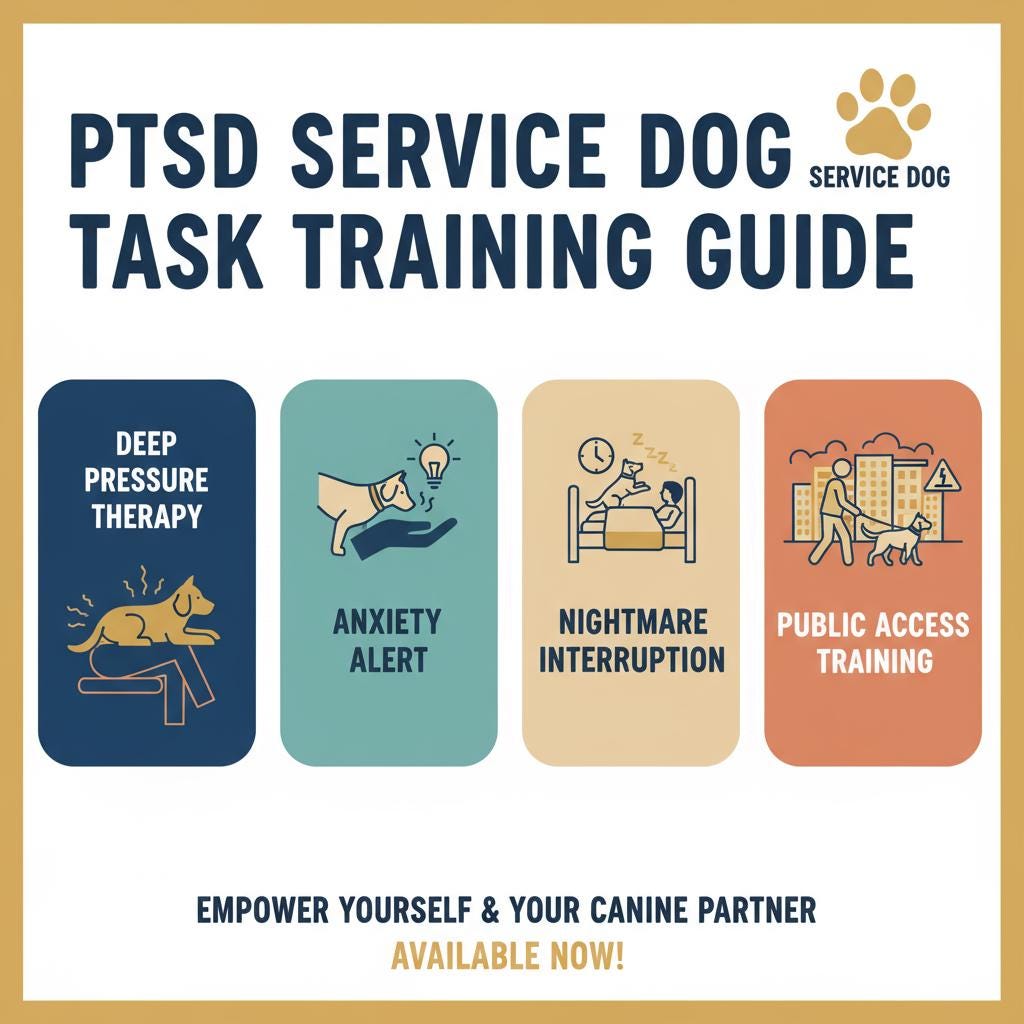
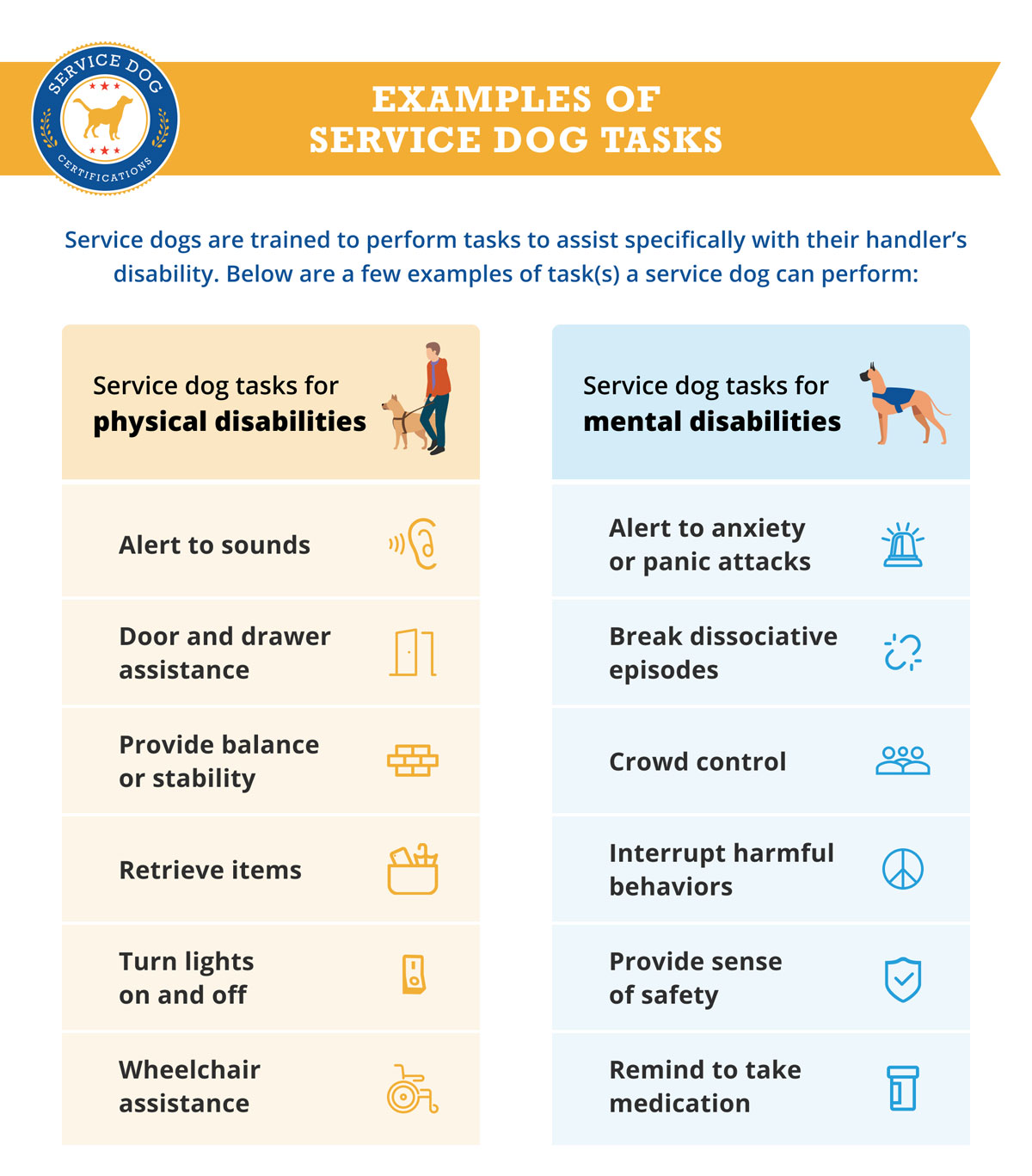
Training a service dog for PTSD involves teaching special tasks tailored to the unique needs of the handler. These tasks help manage symptoms and improve daily life. The dog learns to notice signs of anxiety and offer support instantly. Each task focuses on specific challenges faced by people with PTSD.
Recognizing Anxiety And Triggers
Service dogs are trained to spot early signs of anxiety. They watch for changes in breathing, body tension, or behavior. By recognizing these signs, the dog can alert their handler before anxiety grows. This early warning helps the person take steps to calm down. Dogs also learn to identify triggers like loud noises or crowded places.
Deep Pressure Therapy
Deep pressure therapy uses the dog’s weight to calm the handler. The dog lies across the person’s lap or chest to provide gentle pressure. This action can lower heart rate and ease panic feelings. Many handlers find this touch comforting during stressful moments. Training focuses on teaching the dog when and how to apply this pressure safely.
Interrupting Panic Episodes
Service dogs help stop panic attacks in progress. They learn to notice signs like shaking or hyperventilating. The dog might nudge, lick, or paw the handler to bring attention back. This interruption breaks the panic cycle. It helps the person regain control and breathe more easily.
Room Searches And Alerting
Some dogs are trained to check rooms for safety. They alert their handler about people or objects nearby. This task helps reduce feelings of fear or danger. The dog moves ahead and signals if something is unusual. This support creates a safer environment for the person with PTSD.
Credit: www.servicedogcertifications.org
Socialization And Public Access
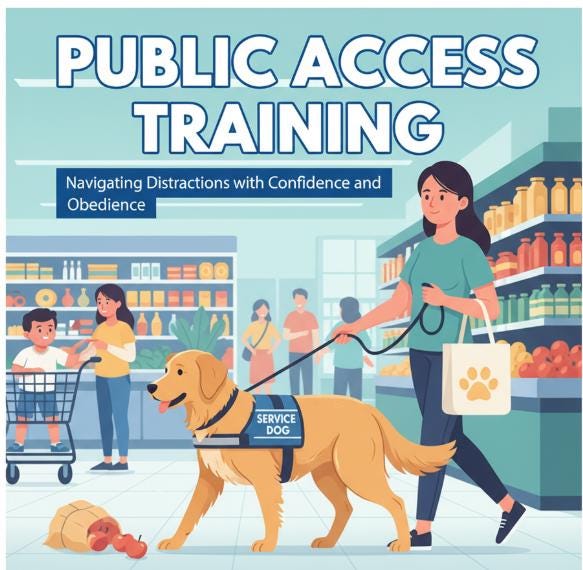
Socialization and public access are key parts of training a service dog for PTSD. A well-socialized dog stays calm and focused in many places. This helps the dog support the handler in real life. Training in public shows the dog how to behave around people and distractions. It builds the dog’s confidence and reliability. This section covers how to expose the dog to new places, handle distractions, and teach public behavior.
Exposure To Different Environments
Start by taking the dog to quiet places. Parks, small stores, and calm streets work well. Gradually visit busier areas like shopping centers or busy sidewalks. This helps the dog get used to new sounds and sights. Keep sessions short and positive. Praise the dog for staying calm. Exposure to many places prevents fear and anxiety in public.
Handling Distractions
Distractions like noises, people, and other animals can confuse the dog. Train the dog to focus on commands despite distractions. Use treats or toys as rewards for attention. Practice in areas with different distractions. Increase difficulty slowly. This teaches the dog to stay alert and calm. The dog learns to ignore distractions to help the handler.
Public Behavior Expectations
Service dogs must behave well in public at all times. They should walk close to the handler without pulling. No barking or jumping on people. Teach the dog to sit or lie down when asked. The dog must stay calm around crowds and loud noises. Good manners make public access easier and safer. Consistent training helps the dog follow these rules everywhere.
Bonding And Communication
Bonding and communication form the heart of training a service dog for PTSD. The stronger the bond, the better the dog understands your needs. Good communication helps the dog respond correctly and quickly. This section covers how to build trust, read your dog’s body language, and use clear commands and signals.
Building Trust
Trust grows with time and patience. Spend quiet moments together daily. Use gentle touch and calm voices to soothe your dog. Reward good behavior with treats or praise. Avoid punishment to keep trust strong. A dog that trusts you will feel safe and ready to help.
Reading Canine Body Language
Watch your dog’s ears, tail, and eyes closely. Relaxed ears and wagging tail usually mean happiness. A tucked tail or flattened ears show fear or stress. Look for signs of discomfort or alertness. Understanding these signals helps you know how your dog feels. This skill improves teamwork and safety.
Effective Commands And Signals
Use short, clear words for commands like “sit” or “stay.” Pair words with hand signals for better understanding. Practice commands in quiet places before trying busy areas. Consistent use of commands makes learning easier. Reward your dog immediately after obeying commands. Clear signals reduce confusion and improve response time.
Maintaining Training Progress
Maintaining training progress is key to keeping a service dog reliable for PTSD support. Consistent effort helps the dog remember important tasks. It builds trust between the handler and the dog. Training is not a one-time event but a continuous journey. Regularly reinforcing skills ensures the dog stays sharp and ready to assist.
Regular Practice Sessions
Set aside time daily for short training sessions. Keep sessions focused on specific commands or tasks. Practice in different places to help your dog adapt. Use positive rewards like treats or praise. This keeps the dog motivated and eager to learn. Regular practice prevents skills from fading over time.
Monitoring Behavioral Changes
Watch your dog’s behavior closely every day. Notice any signs of stress, distraction, or confusion. Changes can mean the dog needs more support or adjustment. Tracking behavior helps you catch problems early. It ensures your dog remains effective in helping with PTSD symptoms.
Adjusting Training As Needed
Be ready to change training methods based on your dog’s progress. Some commands might need more practice or a different approach. Adapt training to new situations or challenges your dog faces. Flexibility helps the dog stay confident and useful. Tailoring training keeps your service dog strong and dependable.
Legal Rights And Certification
Training a service dog for PTSD involves more than obedience and skills. Understanding legal rights and certification matters. It protects both the handler and the dog in public spaces. Knowing the rules helps avoid problems and ensures smooth access everywhere.
Service Dog Laws
Service dog laws protect people with disabilities and their dogs. The Americans with Disabilities Act (ADA) is the main law in the U.S. It allows service dogs to enter public places. These dogs must perform tasks to help their owner’s disability.
Other laws like the Fair Housing Act and Air Carrier Access Act also apply. They give rights for housing and air travel. Owners should know these laws to avoid discrimination and issues.
Certification Process
No official government certification is required for service dogs under the ADA. Training and behavior matter more than certificates. Some organizations offer voluntary certification to show a dog is trained. These can help in some situations but are not legally needed.
Keep training records and a letter from a healthcare provider. This can support your need for a service dog. Always focus on good behavior and task performance.
Navigating Public Access Rights
Service dogs have the right to go almost anywhere with their handler. This includes restaurants, stores, and public transport. Businesses can only ask two questions: Is the dog a service animal? What tasks does it perform?
Handlers must keep their dogs under control at all times. Dogs that are noisy or aggressive can be removed. Knowing public access rights helps avoid misunderstandings and protects your service dog’s role.
Support Resources And Professional Help
Training a service dog for PTSD involves many steps. Support resources and professional help make the process easier and more effective. Experts and communities offer guidance, knowledge, and encouragement. This support helps trainers and handlers stay confident and motivated.
Access to the right help improves the dog’s training and well-being. It also ensures the dog meets the specific needs of someone with PTSD. Here are key support options to consider.
Training Organizations
Training organizations specialize in service dogs for PTSD. They provide structured programs and expert advice. Many offer classes, workshops, and certification services. These groups often have experienced trainers who understand PTSD challenges. They help handlers learn proper training techniques. Using their resources increases the chance of success.
Veterinary And Behavioral Support
Regular veterinary care keeps service dogs healthy and fit. Behavioral experts help manage any stress or anxiety in dogs. These professionals guide trainers on how to handle difficult behaviors. They suggest positive reinforcement and proper socialization methods. Early intervention prevents problems from getting worse. Healthy, well-behaved dogs perform better in service roles.
Community And Peer Support
Connecting with others training PTSD service dogs offers valuable support. Online forums, local groups, and social media create spaces for sharing tips. Hearing others’ experiences can inspire and guide trainers. Peer support reduces feelings of isolation during training. It also provides practical advice for common challenges.
Frequently Asked Questions
What Are The First Steps To Train A Ptsd Service Dog?
Start by assessing the dog’s temperament and basic obedience skills. Focus on socialization and exposure to various environments. Early training should include simple commands like sit, stay, and come to build trust and reliability.
How Long Does Training A Ptsd Service Dog Take?
Training a PTSD service dog typically takes 6 to 12 months. This period includes basic obedience, task training, and public access skills. Consistent practice and professional guidance speed up progress.
What Tasks Can A Ptsd Service Dog Perform?
They can perform tasks like interrupting anxiety attacks, providing deep pressure therapy, and reminding medication times. They also offer emotional support and help with grounding during flashbacks.
Can Anyone Train Their Own Ptsd Service Dog?
Yes, but it requires dedication, patience, and knowledge of service dog laws. Professional training or guidance is recommended to ensure the dog meets all task and behavior standards.
Conclusion
Training a service dog for PTSD takes time and patience. Consistent practice helps the dog learn important tasks. A well-trained dog can offer comfort and safety daily. Remember to focus on clear commands and positive rewards. Trust grows between you and your dog with every session.
This bond supports healing and eases stress. Keep training simple and steady for the best results. Service dogs can truly change lives, step by step. Stay committed, and you will see progress soon.


