

Are you curious about the many types of dogs out there? Whether you’re thinking about adding a furry friend to your family or just want to learn more, understanding all the dog breeds can help you find the perfect match.
From tiny pups to large, energetic dogs, each breed has its own unique traits and personality. Keep reading to discover the full list of dog breeds and find out which one fits your lifestyle and heart. Your ideal companion might be closer than you think!

Credit: www.amazon.com
Popular Dog Groups
Dogs come in many shapes and sizes. They are grouped by their traits and jobs. These groups help us understand their behavior and needs. Each group has unique breeds that share similar skills and looks.
Sporting Dogs
Sporting dogs are active and love water. They help hunters find and retrieve game. Breeds like retrievers and spaniels belong here. They need lots of exercise and mental tasks.
Hound Dogs
Hound dogs have strong noses and great stamina. They track scents or chase animals by sight. Common hounds include beagles and greyhounds. These dogs enjoy long walks and exploring outdoors.
Working Dogs
Working dogs are strong and smart. They guard homes, pull sleds, or rescue people. Breeds like boxers and mastiffs fit this group. They need clear training and plenty of activity.
Terriers
Terriers are small but full of energy. They were bred to hunt small animals. Jack Russell and bull terrier are examples. These dogs like to dig and play a lot.
Toy Breeds
Toy breeds are small and perfect for apartments. They are friendly and easy to carry. Breeds such as chihuahuas and poodles fit here. They need less exercise but much love.
Non-sporting Dogs
Non-sporting dogs vary in size and personality. They do not fit other groups well. Examples include bulldogs and dalmatians. They need balanced care and attention.
Herding Dogs
Herding dogs control and move livestock. They are intelligent and quick learners. Border collies and shepherds belong in this group. These dogs enjoy tasks and constant activity.
Top Dog Breeds By Size
Dogs come in many sizes. Size often helps choose the right dog for your home. Some dogs fit small apartments. Others need large yards to run freely. Each size group has unique breeds with special traits. Let’s explore popular dog breeds by size.
Small Breeds
Small dogs are perfect for small homes and apartments. They usually weigh under 20 pounds. These breeds are easy to carry and groom. Famous small breeds include the Chihuahua, Dachshund, and Pomeranian. They have lively personalities and need less food. Small dogs enjoy indoor play and short walks.
Medium Breeds
Medium dogs weigh between 20 and 50 pounds. They balance energy and size well. Examples include the Beagle, Bulldog, and Cocker Spaniel. Medium breeds fit well in families and active owners. They enjoy outdoor activities and moderate exercise. Many medium breeds adapt to both city and country life.
Large Breeds
Large dogs weigh between 50 and 90 pounds. They often need more space and exercise. Common large breeds are the Labrador Retriever, Golden Retriever, and Boxer. These dogs are great for active families. They love running and playing outdoors. Large breeds may need special training and care.
Giant Breeds
Giant dogs weigh over 90 pounds. They are strong and need plenty of room. Popular giant breeds include the Great Dane, Saint Bernard, and Mastiff. These dogs are gentle giants with calm temperaments. They require regular exercise and a balanced diet. Giant breeds often live shorter lives than smaller dogs.
Breed Traits And Temperaments
Understanding breed traits and temperaments helps in choosing the right dog. Each breed has unique qualities that affect daily life. These traits include energy, trainability, social habits, and grooming needs. Knowing these can lead to a happier pet and owner.
Energy Levels
Dogs have different energy needs. Some breeds are very active and need lots of exercise. Others prefer calm, quiet time. High-energy dogs enjoy running and playing outside. Low-energy breeds are happy with short walks and indoor time. Matching energy levels helps dogs feel content and healthy.
Trainability
Some breeds learn commands quickly and easily. They respond well to training and routines. Others may need more patience and repetition. Trainability depends on intelligence and willingness to please. Choosing a breed with the right learning style makes training smoother. Consistent practice and positive rewards work best.
Social Behavior
Social behavior varies by breed. Some dogs love meeting new people and animals. Others prefer small groups or their family only. Knowing a breed’s social style helps prevent stress or fear. Social dogs thrive with friends and playtime. Shy breeds need gentle introductions and quiet spaces.
Grooming Needs
Grooming needs differ among breeds. Some have short hair and need little care. Others have long or thick coats that require regular brushing. Some breeds shed a lot, while others shed less. Grooming keeps dogs clean and healthy. It also prevents mats and skin problems.
Credit: www.newsweek.com
Rare And Unique Breeds
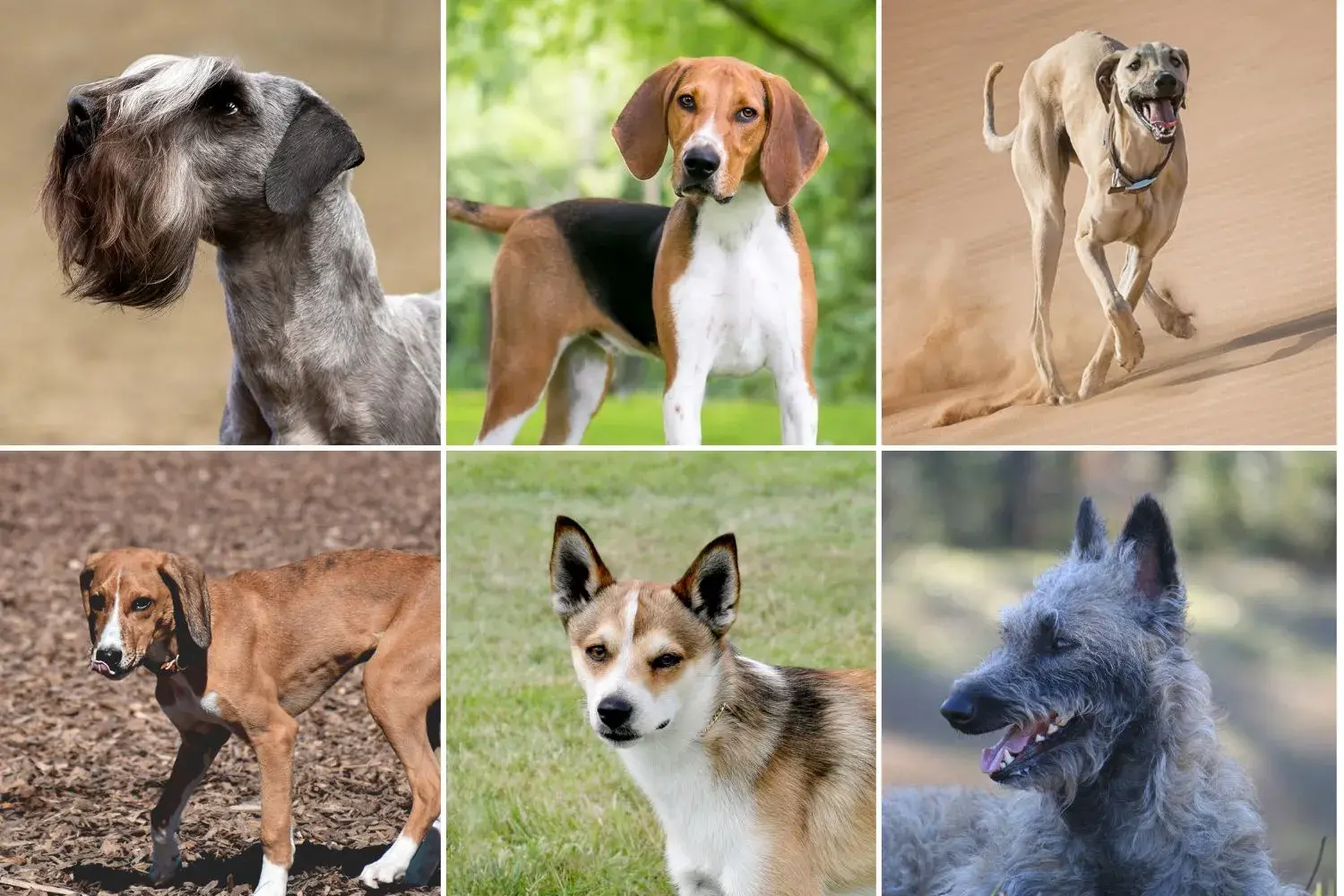
Rare and unique dog breeds capture the hearts of many dog lovers. These breeds stand out due to their history, looks, or traits. They offer something different from common breeds. Many have fascinating stories and special qualities. Exploring these dogs gives insight into the diversity of the canine world.
Ancient Breeds
Ancient breeds date back thousands of years. They carry traits from early dogs that lived with humans. Examples include the Basenji and Afghan Hound. These dogs have maintained their original features. Their unique looks and behaviors reflect their long history. Ancient breeds often have a strong hunting or guarding instinct.
Newly Recognized Breeds
Newly recognized breeds are those officially accepted recently. Dog organizations add them after careful study. These breeds might have been around for a while but gained recognition only now. Examples are the Lagotto Romagnolo and the Barbet. New breeds often fill special roles or have unique skills. They bring fresh options for dog enthusiasts.
Unusual Coat Types
Some dog breeds have rare or unusual coats. These coats can be curly, hairless, or very soft. The Chinese Crested and the Bedlington Terrier are good examples. Their coats need special care and grooming. Unusual coats make these dogs visually striking and different. They appeal to owners who want a unique pet look.
Choosing The Right Breed
Choosing the right dog breed matters a lot. It affects your happiness and the dog’s well-being. Every breed has unique needs and traits. Finding a breed that fits your life makes pet care easier and more fun.
Lifestyle Compatibility
Some dogs need a lot of attention and care. Others are more independent. Consider your daily routine. A busy schedule may suit a low-maintenance breed. If you have time, a playful dog might be great. Think about how much time you can spend with your dog.
Space And Environment
Living space affects dog choice. Large breeds need more room to move. Small breeds adapt well to apartments. Outdoor space helps active dogs stay healthy. Think about your home and yard size before choosing a breed.
Allergy Considerations
Many people worry about dog allergies. Some breeds shed less and cause fewer allergies. Breeds like Poodles or Bichon Frises are better for sensitive people. Consider allergy-friendly breeds if allergies run in your family. It helps keep everyone comfortable and happy.
Activity Preferences
Dogs need exercise, but levels vary. Some breeds love running and hiking. Others prefer short walks or indoor play. Match a dog’s activity level with yours. This keeps the dog healthy and prevents behavior problems.

Credit: www.shutterstock.com
Breed Health Concerns
Each dog breed carries its own health risks. Knowing these concerns helps owners care better for their pets. Some breeds face common genetic problems. Others may require special preventive care. Lifespan also varies widely among breeds. Understanding these points keeps dogs happier and healthier.
Common Genetic Issues
Many dog breeds inherit certain health problems. For example, hip dysplasia affects large breeds like German Shepherds. Small breeds such as Dachshunds often have spine issues. Some breeds are prone to heart disease or eye problems. Genetic testing can identify risks early. Awareness helps in managing or avoiding these issues.
Preventive Care
Regular vet visits catch problems before they worsen. Vaccinations protect against common diseases. Proper diet and exercise support overall health. Dental care prevents infections and tooth loss. Grooming keeps skin and coat healthy. Tailored care suits each breed’s unique needs.
Lifespan Variations
Dog lifespans vary by breed and size. Smaller dogs tend to live longer than larger breeds. Chihuahuas can live up to 15 years or more. Great Danes often have shorter lives, around 7 to 10 years. Knowing this helps set realistic expectations. It also guides health care and lifestyle choices.
Frequently Asked Questions
What Are The Most Popular Dog Breeds Worldwide?
The most popular dog breeds include Labrador Retrievers, German Shepherds, Golden Retrievers, and French Bulldogs. These breeds are loved for their friendly nature, intelligence, and adaptability to families and homes.
How Many Dog Breeds Exist Globally?
There are over 340 recognized dog breeds worldwide. These breeds vary greatly in size, temperament, and purpose, from working dogs to companion pets, reflecting diverse human needs and environments.
What Factors Determine Different Dog Breeds?
Dog breeds are classified based on size, coat type, temperament, and original purpose. Genetics and breeding history also play a crucial role in defining each breed’s unique characteristics.
Which Dog Breeds Are Best For Families?
Breeds like the Labrador Retriever, Beagle, and Cavalier King Charles Spaniel are great for families. They are friendly, patient, and good with children, making them ideal family pets.
Conclusion
Dogs come in many shapes, sizes, and personalities. Each breed has its own special traits. Choosing the right dog depends on your lifestyle and needs. Knowing about different breeds helps you find the best match. Dogs bring joy and friendship to our lives.
Take time to learn and enjoy the world of dogs. Every breed has something unique to offer. Your perfect dog is waiting for you.


