

Are you curious about which dog breeds are often labeled as aggressive? Understanding this can help you make smarter choices, whether you’re thinking about bringing a dog into your home or just want to stay informed.
You might be surprised to learn that not all so-called “aggressive” dogs are truly dangerous—and knowing the facts can protect you and those you care about. Keep reading to discover which breeds are commonly seen as aggressive, why that reputation exists, and what you really need to know before making any decisions.
Your safety and peace of mind depend on it.
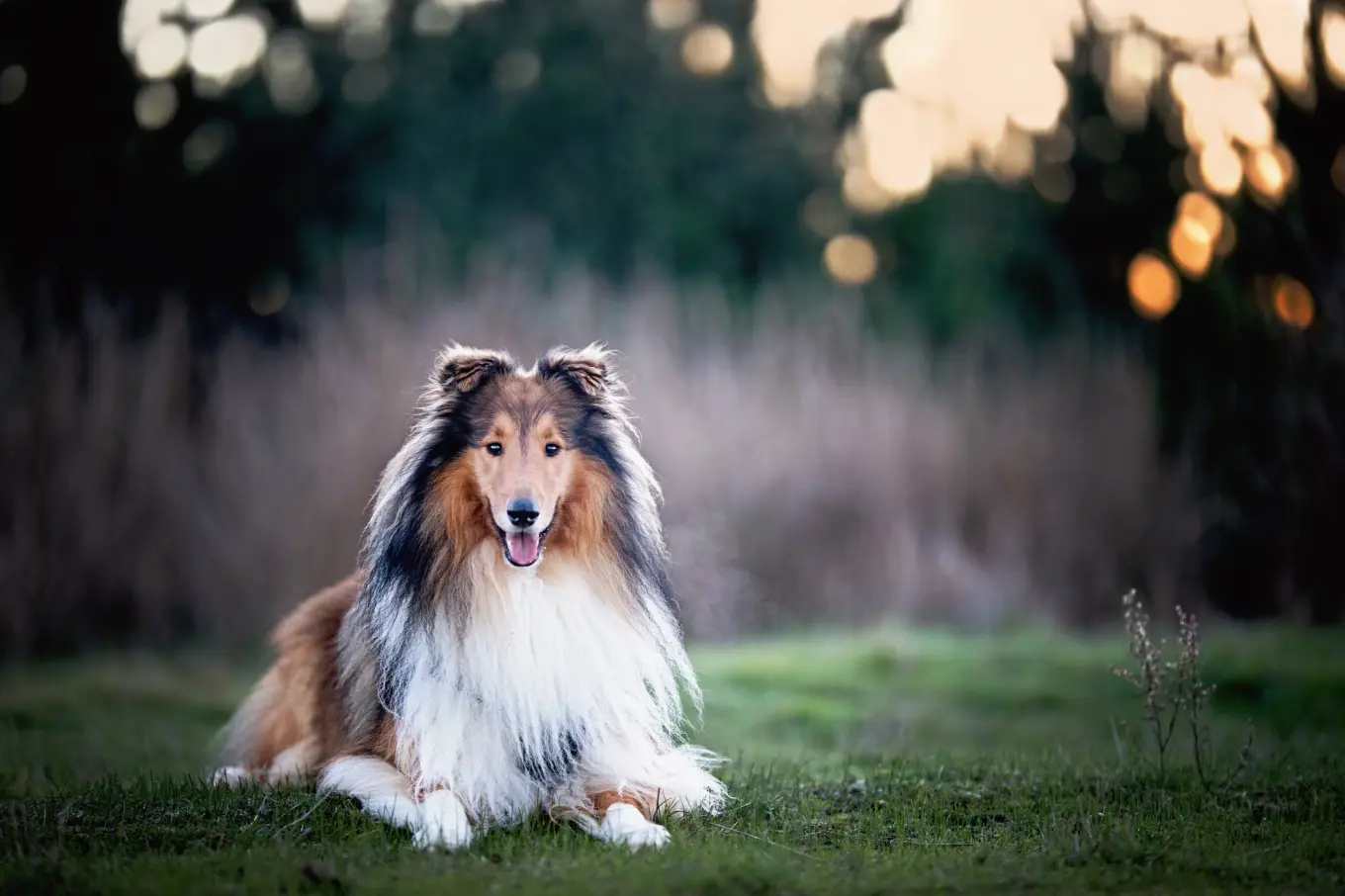
Credit: www.newsweek.com
Common Aggressive Dog Breeds
Some dog breeds have a reputation for being more aggressive. This does not mean all dogs of these breeds are dangerous. Many factors affect a dog’s behavior. Training, socialization, and environment play big roles.
Here are some common dog breeds known for their aggressive tendencies. These breeds need careful training and socialization from an early age.
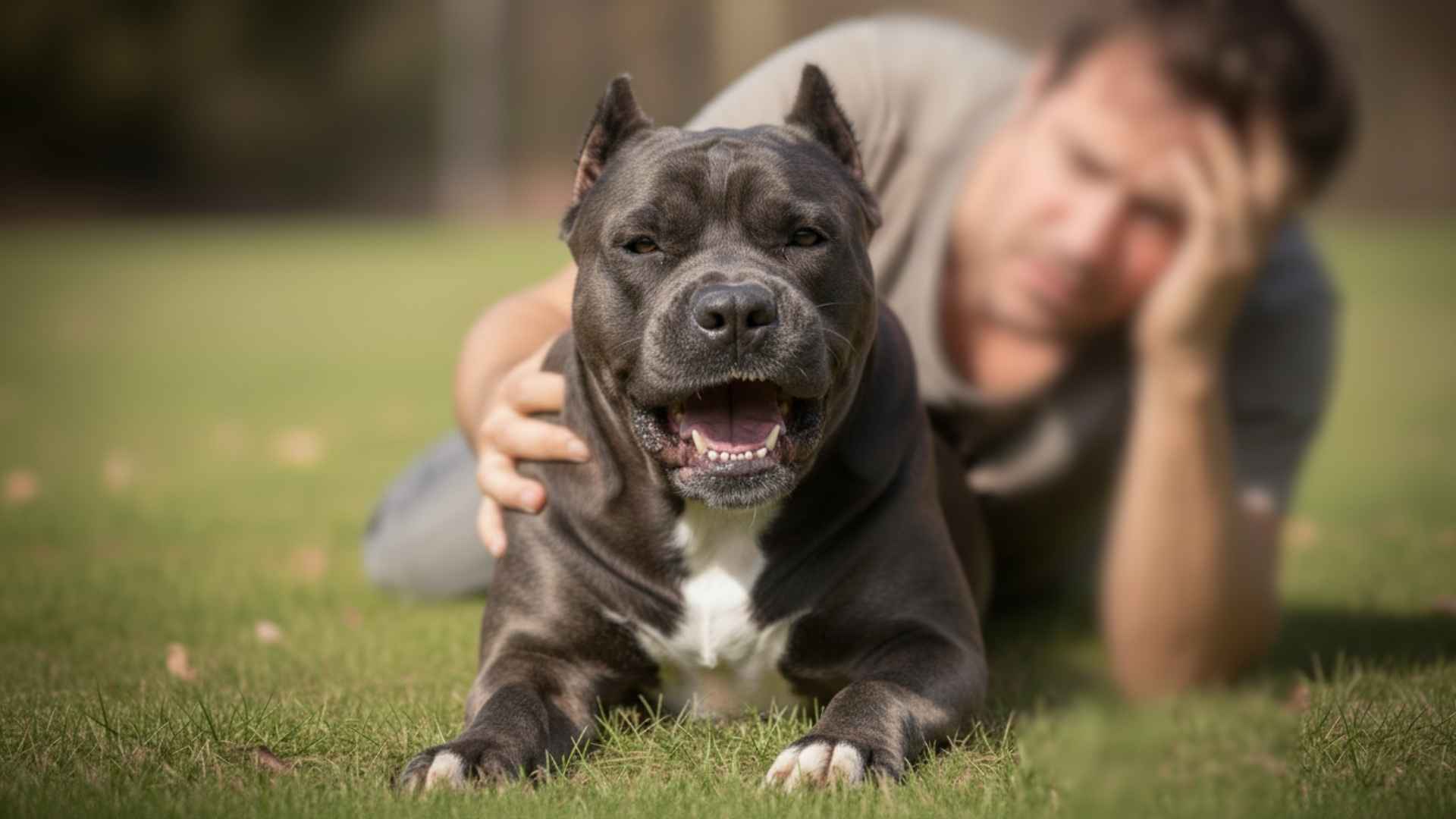
Pit Bull Terriers
Pit Bull Terriers are strong and muscular dogs. They are often seen as aggressive due to their history. Many come from fighting backgrounds. Proper training and socialization can make them gentle pets.
Rottweilers
Rottweilers are confident and protective dogs. They guard homes and families well. Without training, they may act aggressive. Early socialization helps reduce this risk.
German Shepherds
German Shepherds are smart and loyal. They work in police and military roles. Their protective nature can seem aggressive. Training is important to control their strong instincts.
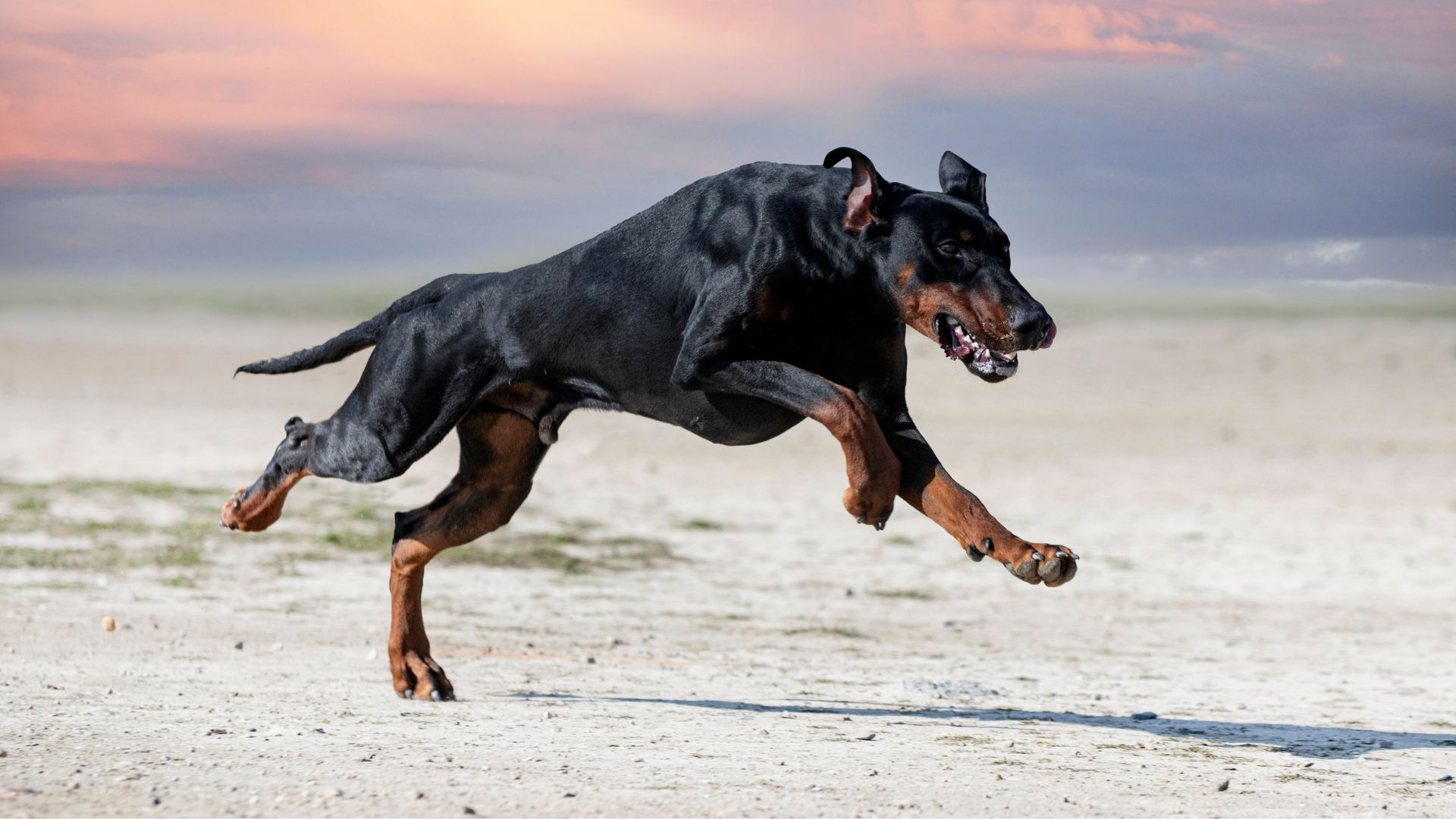
Doberman Pinschers
Dobermans are alert and fearless dogs. They are natural protectors of their families. Lack of training can lead to aggressive behavior. Regular socialization helps keep them calm.
Chow Chows
Chow Chows have a strong-willed personality. They can be standoffish and wary of strangers. This breed may show aggression without proper socialization. Early exposure to people and pets is key.
Credit: worldanimalfoundation.org
Genetic Influences On Aggression
Genetics play a key role in dog aggression. Some breeds have traits passed down that affect their behavior. Understanding these genetic influences helps explain why some dogs act more aggressively than others. Genetics combine with environment to shape a dog’s temperament.
Breed-specific Traits
Certain dog breeds have traits linked to aggression. These traits were often developed for protection or hunting. For example, some breeds are naturally more territorial or alert. These instincts can sometimes lead to aggressive behavior.
Traits vary widely between breeds. Some dogs are calm and friendly by nature. Others may be more wary or defensive. Breed traits give clues but do not guarantee behavior.
Heredity And Behavior
A dog’s behavior partly comes from its parents. Aggressive tendencies can be inherited through genes. If parents show aggression, puppies might show similar patterns. Early socialization and training also affect behavior strongly.
Genetic predisposition does not mean a dog will be aggressive. Many dogs with aggressive genes live peacefully with people. Behavior depends on many factors beyond heredity.
Selective Breeding Impact
Selective breeding has shaped dog traits for centuries. Breeders chose dogs for strength, protectiveness, or hunting skills. This process sometimes emphasized aggressive traits. It created breeds with strong guarding instincts.
Selective breeding also removed some unwanted behaviors. Breeders aimed to refine traits for specific tasks. This means some breeds are more prone to aggression than others. Understanding breeding history helps explain breed behavior patterns.
Environmental Factors Affecting Aggression
Dog aggression is not only about breed. The environment plays a big role too. Many dogs can act differently based on their surroundings and how people treat them. Understanding these factors helps us see why some dogs show aggression. It also shows how we can help them become calm and friendly.
Early Socialization
Socializing puppies early is very important. Meeting other dogs and people helps them learn good behavior. Without early socialization, dogs may feel scared or nervous. This fear can lead to aggressive actions. Friendly experiences in puppyhood build confidence and trust.
Training Methods
The way owners train dogs affects their behavior. Positive training with rewards works best. Harsh punishments can cause fear and anger in dogs. Fearful dogs might bite or growl to protect themselves. Gentle and clear commands help dogs understand what is expected.
Living Conditions
Dogs need a safe and calm place to live. Crowded or noisy spaces can stress them. Lack of exercise or attention makes some dogs restless and aggressive. Proper care, enough space, and daily activity reduce aggressive tendencies. A happy dog is less likely to act out.
Health And Aggression Links
Health can affect a dog’s behavior and aggression levels. Some health issues cause dogs to act more aggressive than usual. Understanding these links helps owners manage their pets better. It also helps to avoid mislabeling a dog as aggressive.
Pain-induced Aggression
Pain often makes dogs defensive. A dog in pain may snap or growl. This reaction protects the dog from more hurt. Arthritis, injuries, or illness can cause this pain. Treating the pain can reduce aggressive behavior.
Neurological Disorders
Brain problems can change how dogs behave. Disorders like epilepsy affect the nervous system. These issues may cause sudden aggression or confusion. Diagnosing neurological problems requires a vet’s checkup. Medication can sometimes control these behaviors.
Hormonal Influences
Hormones play a strong role in dog behavior. High testosterone can increase aggression, especially in males. Spaying or neutering lowers these hormone levels. This change can calm aggressive tendencies. Hormonal imbalances need vet attention for proper care.
Behavioral Warning Signs
Recognizing early signs of aggression in dogs helps keep everyone safe. Dogs show many clues before they act out. Watching for these signs can prevent problems.
Body Language Cues
Aggressive dogs often stiffen their bodies. Their ears may pull back or stand up tall. Watch for a fixed stare or hard eyes. Raised hackles, or fur along the back, signal tension. Lips might curl, showing teeth. Tail position matters too—high and stiff can mean warning. Growling or snarling often comes with these signs.
Trigger Situations
Some dogs react aggressively to certain triggers. Protecting their food or toys is common. Strangers or sudden noises can cause fear-based aggression. Crowded places might stress some dogs. Pain or illness can also make dogs more reactive. Puppies and older dogs may act out due to nervousness.
Preventive Measures
Training helps reduce aggressive behavior. Socializing dogs early builds confidence. Avoid forcing dogs into scary situations. Give dogs space when they show warning signs. Use positive rewards for calm actions. Regular vet visits keep dogs healthy and less prone to aggression. Learning dog signals improves safety for all.
Credit: worldanimalfoundation.org
Legal And Safety Considerations
Understanding legal and safety issues is key when discussing aggressive dog breeds. These topics affect dog owners, neighbors, and communities. Laws and rules help prevent accidents and protect everyone. Knowing these can guide safer choices and responsible ownership.
Breed-specific Legislation
Some places have laws targeting certain dog breeds. These laws limit or ban breeds seen as aggressive. Examples include pit bulls, rottweilers, and others. The goal is to reduce attacks and injuries. Owners may need special permits or must follow strict rules. Always check local laws before choosing a dog.
Liability Issues
Dog owners can be legally responsible for attacks or damages. This means paying for medical bills or property damage. Insurance might not cover all costs. Training and controlling your dog lowers risks. Clear rules on leashes and muzzles help avoid problems. Being a responsible owner protects you and others.
Community Safety Tips
Teach your dog good behavior from the start. Use positive training methods and socialization. Always supervise your dog around strangers and children. Keep your dog on a leash in public places. Report aggressive behavior to local authorities. Respect neighbors’ concerns about safety. Small steps make the community safer for all.
Reducing Aggression Risks
Reducing aggression risks in dogs starts with understanding their behavior. Aggression can come from fear, pain, or poor training. Owners play a key role in shaping a dog’s temperament. Good care and attention can lower the chance of aggressive actions. Safe and calm environments help dogs feel secure.
Positive Training Techniques
Training with rewards builds trust and good habits. Praise and treats encourage dogs to repeat good behavior. Avoid punishment, as it can increase fear and aggression. Consistent commands help dogs learn what is expected. Training sessions should be short and fun to keep dogs interested.
Proper Socialization
Early socialization helps dogs get used to people and other animals. Meeting new friends calmly lowers fear and stress. Controlled exposure to different places and sounds builds confidence. Social dogs are less likely to react aggressively. Start socialization soon after vaccination for safety.
Regular Health Checks
Health problems can cause pain and irritability in dogs. Regular vet visits catch issues before they worsen. Vaccinations and parasite control keep dogs healthy and happy. Dental care is important to avoid pain-related aggression. Healthy dogs show better behavior and are easier to train.
Frequently Asked Questions
Which Dog Breeds Are Commonly Labeled Aggressive?
Breeds like Pit Bulls, Rottweilers, and German Shepherds are often labeled aggressive. However, behavior depends on training and environment, not breed alone. Proper socialization and care are key to reducing aggression in any dog.
Can Aggressive Behavior Be Changed In Dogs?
Yes, aggressive behavior can be managed with consistent training and socialization. Professional trainers can help modify unwanted behaviors. Early intervention and positive reinforcement are essential for improvement.
Are Certain Dog Breeds More Prone To Aggression?
Some breeds have higher tendencies due to genetics and history. Still, aggression varies widely within breeds. Responsible ownership and training heavily influence a dog’s temperament.
How To Identify Signs Of Aggression In Dogs?
Signs include growling, snapping, raised hackles, and intense staring. Early detection helps prevent bites. Understanding body language is crucial for safety around dogs.
Conclusion
Aggression in dogs depends on many things, not just breed. Training and environment shape their behavior a lot. Some breeds may have a stronger bite or guard instincts. Still, any dog can be friendly with proper care. Knowing a breed’s traits helps owners prepare and prevent problems.
Respect and patience build trust between dogs and people. Choose a dog that fits your lifestyle and needs. Safety and love go hand in hand with all dogs.

