Are you thinking about adding a Bulldog to your family but worry about allergies? You’re not alone.
Many people wonder if Bulldogs are hypoallergenic dogs that won’t trigger sneezing, itching, or watery eyes. Imagine having a loyal, loving pet without the hassle of allergy symptoms holding you back. You’ll discover the truth about Bulldogs and allergies, so you can make the best choice for your home and health.
Keep reading to find out if a Bulldog is the right fit for you.
Credit: frenchiestore.com
Bulldog Breed Characteristics
Bulldogs have a unique look and personality that many find charming. Their characteristics make them one of the most recognizable dog breeds worldwide. Understanding these traits helps to see if they fit your lifestyle and needs.
Physical Traits
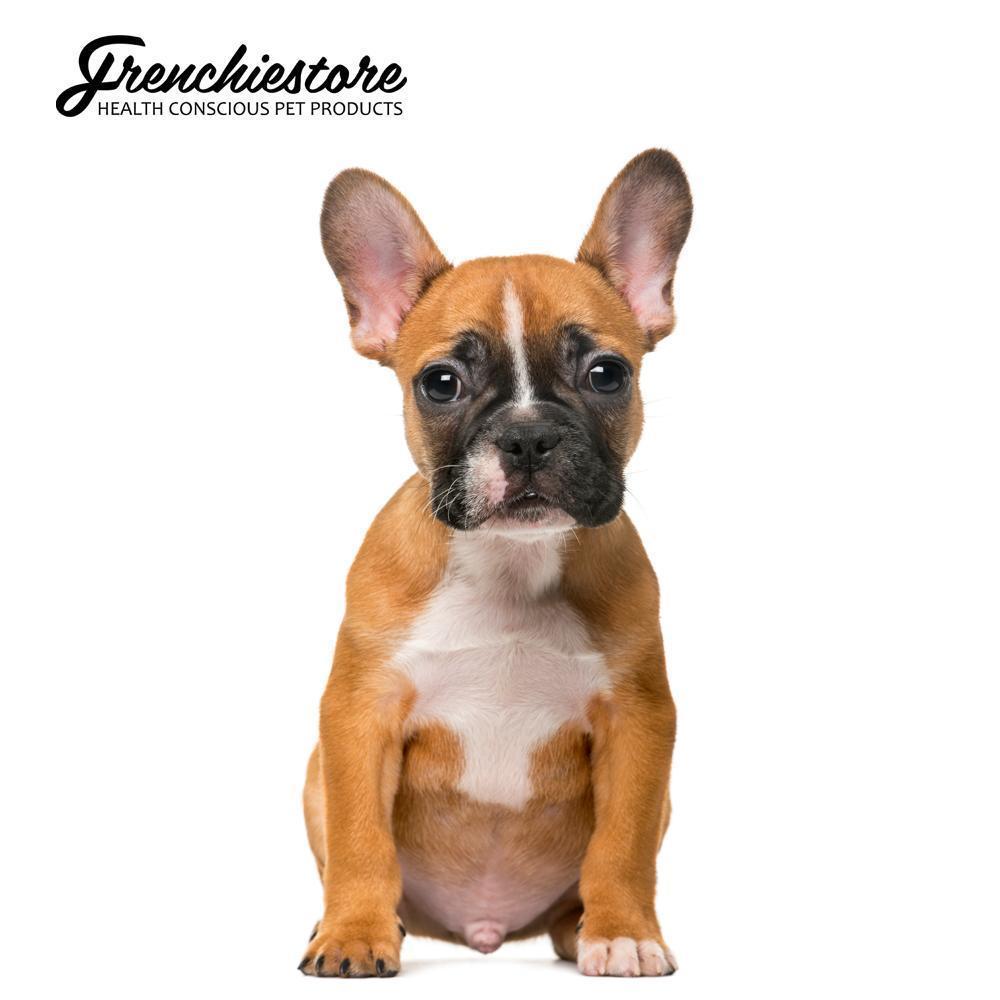
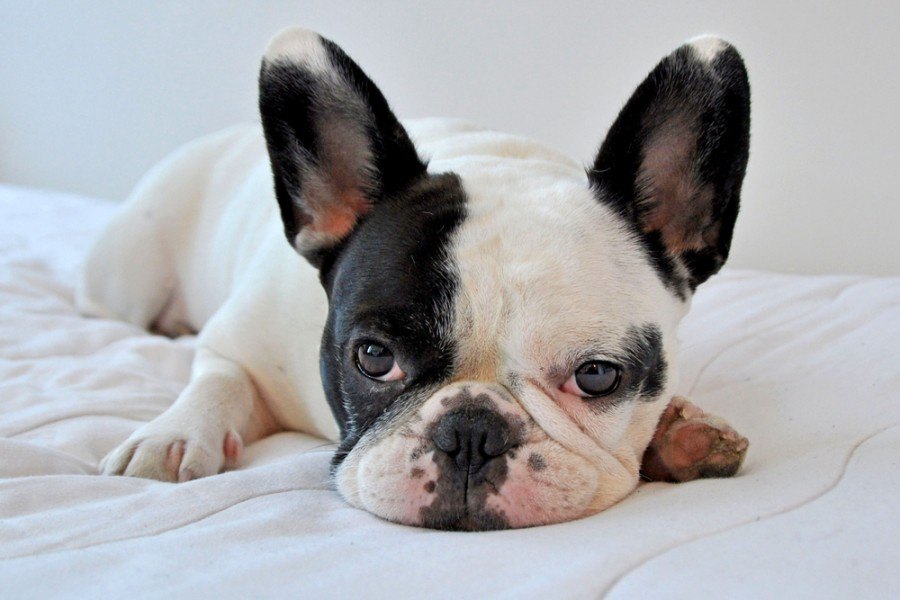
Bulldogs are medium-sized dogs with a strong, muscular body. Their skin has loose folds, especially around the face. They have a short, flat nose and wide-set eyes. Their ears are small and folded. Bulldogs have a short tail, often straight or screwed. Their coat is short, smooth, and comes in various colors like white, fawn, and brindle.
Common Health Issues
Bulldogs often face breathing problems due to their flat noses. Their skin folds can trap moisture and cause infections. Hip dysplasia is common, affecting their movement. Bulldogs may also have heart problems and eye conditions. These health issues require regular vet visits and care.
What Makes A Dog Hypoallergenic
Some dogs cause fewer allergy problems than others. These dogs are called hypoallergenic. The idea is that they produce fewer allergens. Allergens are the tiny proteins that trigger allergic reactions. Understanding what makes a dog hypoallergenic helps in choosing the right pet for allergy sufferers.
Allergen Sources In Dogs
Dogs produce allergens mainly from their skin, saliva, and urine. The dead skin flakes, called dander, carry proteins that cause allergies. Saliva contains proteins that stick to the fur when dogs lick themselves. Urine can also spread allergens around the home. The amount of shedding and grooming affects how many allergens spread. Some dogs shed less, so they release fewer allergens into the air.
Traits Of Hypoallergenic Breeds
Hypoallergenic dogs usually have hair instead of fur. Their hair grows continuously and falls out less often. This means less dander spreads around. These breeds often require regular grooming to keep their coat clean. They tend to shed very little or not at all. Smaller size also means fewer allergens. No dog is 100% hypoallergenic, but these traits reduce allergy risks.
Bulldogs And Allergies
Bulldogs are popular pets known for their friendly nature and unique looks. Many people wonder if bulldogs cause allergies. Understanding their impact on allergy sufferers is important before choosing a bulldog as a pet.
This section explains how bulldogs affect allergies and what to expect if you have sensitivities.
Shedding And Dander Levels
Bulldogs have short fur but shed moderately. Their shedding is less than some breeds but still noticeable. Dander, tiny skin flakes, also trigger allergies. Bulldogs produce dander like most dogs. Regular grooming can reduce dander and loose hair. Bathing helps remove allergens from their coat. Using a vacuum cleaner often lowers dander in your home.
Impact On Allergy Sufferers
Bulldogs are not hypoallergenic. People with dog allergies might react to them. Symptoms include sneezing, itchy eyes, and runny nose. Allergy severity varies by person and environment. Some may tolerate bulldogs better than others. Spending time with a bulldog before adopting helps test allergies. Allergy medication can ease symptoms if you live with a bulldog.

Credit: nativepet.com
Comparing Bulldogs To Hypoallergenic Breeds
Bulldogs are popular pets, but are they hypoallergenic? Comparing Bulldogs to hypoallergenic breeds helps answer this question. Bulldogs have different coat types and allergen levels than breeds known for low allergy risks. Understanding these differences can guide allergy sufferers in choosing the right dog.
Hypoallergenic dogs usually shed less and produce fewer allergens. Bulldogs shed more and release dander, which can trigger allergies. Comparing Bulldogs to true hypoallergenic breeds shows clear contrasts in care and allergy impact.
Poodle And Bichon Frise Examples
Poodles and Bichon Frises are top examples of hypoallergenic dogs. They have curly coats that trap hair and dander. This reduces the spread of allergens in the home. Many allergy sufferers prefer these breeds for their low shedding.
These dogs require regular grooming to keep their coats clean and healthy. Their hair grows continuously, needing trims every few weeks. The grooming helps control allergens and keeps shedding minimal.
Differences In Coat And Allergens
Bulldogs have short, smooth coats that shed often. This shedding spreads dander and hair around the house. Allergens from Bulldogs can linger on furniture and clothes.
Hypoallergenic breeds have coats that trap dander and hair. Their coat structure reduces allergen spread. This makes their environment easier to keep clean for allergy sufferers.
Bulldogs also produce more saliva, which can carry allergens. Poodles and Bichon Frises produce less saliva. This difference adds to the hypoallergenic qualities of these breeds.
Managing Allergies With Bulldogs
Managing allergies with Bulldogs requires special care and attention. Bulldogs are not truly hypoallergenic, but you can reduce allergic reactions. Small steps help keep allergies under control.
Regular care can make living with Bulldogs easier for allergy sufferers. Focus on grooming, cleaning, and improving air quality at home. These actions lower allergens and create a healthier space.
Grooming Tips
Brush your Bulldog often to remove loose hair and dander. Use a damp cloth to wipe their coat daily. Bath your dog once a month with a gentle shampoo. Keep their nails trimmed to avoid scratching and skin irritation. Clean their ears regularly to prevent infections and buildup.
Home Cleaning Strategies
Vacuum floors and furniture frequently using a vacuum with a HEPA filter. Wash your Bulldog’s bedding every week in hot water. Remove dust and pet hair from surfaces with microfiber cloths. Avoid carpets if possible; use hard floors instead. Keep clutter low to reduce places for allergens to gather.
Air Quality Improvements
Use air purifiers with HEPA filters to capture pet allergens. Open windows for fresh air when weather allows. Avoid smoking or strong scents that can worsen allergies. Place plants that help clean indoor air around your home. Maintain a comfortable humidity level to reduce dust mites and mold.
Expert Opinions And Studies
Understanding whether Bulldogs are hypoallergenic requires expert views and scientific evidence. Experts and studies give clear facts. These help pet lovers make smart choices about allergies and dogs. Below are insights from veterinarians and research findings on Bulldogs and allergies.
Veterinarian Insights
Veterinarians say Bulldogs are not hypoallergenic. Bulldogs shed and produce dander. Dander is a common allergen for many people. Some Bulldogs may cause fewer allergy symptoms than other breeds. But no Bulldog breed is fully allergy-free. Experts advise allergy sufferers to spend time with Bulldogs before adopting.
Vets also note Bulldog skin folds can trap allergens. This may worsen allergy reactions. Regular grooming and cleaning help reduce allergens. Doctors recommend cleaning Bulldogs often to limit dander spread.
Scientific Research Findings
Scientific studies confirm Bulldogs produce allergens like other dogs. Research shows proteins in dog saliva and dander cause allergies. Bulldogs have these proteins as well. Studies find no dog breed is completely hypoallergenic.
Some research tests allergen levels in dog hair and skin. Bulldogs often rank in the middle for allergen production. Lower allergen breeds include Poodles and Bichon Frises. Scientists stress that individual reactions vary widely. Allergy tests and trials with Bulldogs help find safe pets for sensitive people.
Credit: articles.hepper.com
Frequently Asked Questions
Are Bulldogs Considered Hypoallergenic Dogs?
No, Bulldogs are not hypoallergenic. They shed dander and hair, which can trigger allergies. People with allergies may react to Bulldogs’ coat and skin flakes.
What Causes Allergic Reactions With Bulldogs?
Allergic reactions come from dander, saliva, and urine proteins. Bulldogs produce these allergens, which spread through shedding and licking. These proteins irritate sensitive individuals’ immune systems.
Can Regular Grooming Reduce Bulldog Allergens?
Yes, regular grooming helps reduce allergens. Bathing and brushing Bulldogs remove loose hair and dander. This lowers allergen levels in your home and on the dog.
Are There Better Hypoallergenic Dog Breeds Than Bulldogs?
Yes, breeds like Poodles and Bichon Frises are better hypoallergenic options. They shed less and produce fewer allergens. These breeds suit allergy sufferers more than Bulldogs.
Conclusion
Bulldogs are not truly hypoallergenic dogs. They shed and produce dander like other breeds. Allergies may still trigger with Bulldogs around. People with mild allergies might tolerate them better. Regular cleaning and grooming can help reduce allergens. Consider spending time with a Bulldog first.
See how your body reacts before deciding. Choosing a dog needs careful thought about allergies. Bulldogs offer great companionship but watch allergy signs.