Have you ever wondered how breeding dogs really works? Whether you’re thinking about becoming a dog breeder or just curious about how new puppies come into the world, understanding the process is key.
Breeding dogs isn’t just about pairing two animals—it involves careful planning, knowledge, and attention to health. You’ll discover the important steps and secrets behind successful dog breeding. Keep reading to find out what it takes to bring healthy, happy puppies into your life.
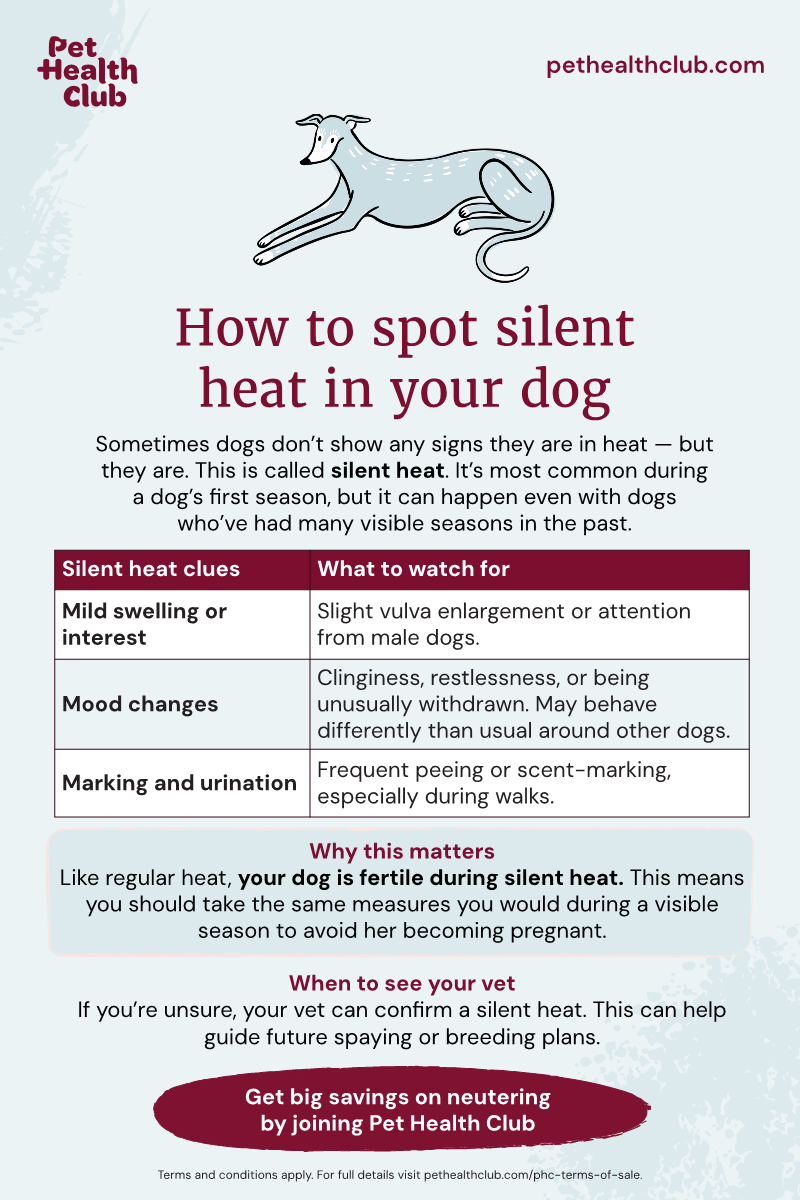
Credit: www.pethealthclub.com
Choosing The Right Dogs
Choosing the right dogs is the first step in successful dog breeding. This choice shapes the health, behavior, and quality of future puppies. Careful selection helps avoid common problems and creates strong, happy dogs.
Selecting Healthy Breeding Pairs
Health is the top priority when selecting breeding dogs. Both dogs must be free from diseases and genetic disorders. Regular vet check-ups and health screenings are essential. Healthy parents increase the chances of healthy puppies.
Look for dogs with good weight, clear eyes, and shiny coats. Avoid animals with signs of illness or injury. Healthy breeding pairs reduce risks for puppies and improve their lifespan.
Evaluating Temperament And Traits
Temperament affects how puppies behave and interact. Choose dogs with calm, friendly, and stable personalities. Avoid aggressive or overly shy animals. Good temperament helps puppies adapt well to families.
Consider physical traits like size, coat color, and shape. Select dogs that match breed standards and your goals. Consistency in traits gives puppies a predictable look and character.
Considering Genetic Compatibility
Genetic compatibility prevents health problems in puppies. Avoid breeding dogs that are closely related. Use genetic tests to find possible inherited issues. Balanced genetics lead to stronger, healthier litters.
Choose pairs that complement each other’s strengths and weaknesses. This reduces the chance of passing on harmful genes. Genetic compatibility supports long-term breed improvement and diversity.

Credit: vetsci.org
Preparing For Breeding
Preparing for dog breeding takes careful planning and attention. It helps ensure healthy puppies and a smooth process. This stage involves key steps like health checks, proper nutrition, and knowing the right timing for breeding.
Health Checks And Vaccinations
Start with a full health check for both dogs. A vet will check for diseases and genetic issues. Vaccinations must be up to date to protect the mother and puppies. Testing for parasites and infections is important. Only healthy dogs should be bred to avoid passing problems to puppies.
Nutrition And Exercise
Good nutrition strengthens the breeding dogs’ bodies. Feed high-quality food with balanced nutrients. Increase protein and vitamins to support reproduction. Regular exercise keeps dogs fit and ready for breeding. Avoid over-exercising, which can cause stress or injury.
Timing The Breeding Cycle
Track the female’s heat cycle carefully. Breeding works best during the fertile period. Heat usually occurs every six months. Signs include swelling and bleeding in the female. Consult a vet to identify the exact fertile days. Breeding at the right time increases the chance of pregnancy.
Breeding Methods
Breeding dogs involves different methods to ensure healthy puppies. Choosing the right method affects the success of breeding and the health of the dogs. Each method has its own steps and care requirements.
Understanding these methods helps breeders make better choices. It also helps in planning for the best results with the dogs.
Natural Mating Process
Natural mating is the most common breeding method. The male and female dogs meet during the female’s heat cycle. They usually mate without human help. This process allows natural instincts to guide the dogs.
Breeders watch for signs of readiness. The female shows when she is ready to mate. The male then mounts the female to mate. This method is simple and often effective.
Artificial Insemination Techniques
Artificial insemination (AI) uses human help to breed dogs. Semen is collected from the male dog. It is then placed inside the female’s reproductive tract. This can be done with fresh or frozen semen.
AI allows breeding without physical mating. It helps when dogs are far apart or cannot mate naturally. The process needs skill and special tools. Timing is very important for success.
Pros And Cons Of Each Method
Natural mating is natural and often easier. It allows natural behavior and bonding. But it needs both dogs to be healthy and close by. Injuries or stress may happen during mating.
Artificial insemination helps breed distant or injured dogs. It reduces physical risks and controls genetics better. AI needs expert help and costs more. Timing and technique mistakes can lower success rates.
Choosing a method depends on dog health, distance, and goals. Both methods can produce healthy puppies with good care.
Pregnancy And Whelping
Pregnancy and whelping are critical phases in dog breeding. These stages require careful attention and care to ensure the health of both the mother and her puppies. Understanding the signs of pregnancy, providing proper care, and preparing for delivery are essential steps in successful breeding.
Recognizing Pregnancy Signs
Pregnancy in dogs usually lasts about 63 days. Early signs include changes in appetite and behavior. The dog’s nipples may swell and become pink. Weight gain becomes noticeable after a few weeks. A vet can confirm pregnancy with an ultrasound or palpation. Watching for these signs helps breeders plan care properly.
Caring For The Pregnant Dog
Feeding a high-quality diet supports the growing puppies. Increase food portions slowly as pregnancy progresses. Provide gentle exercise to keep her healthy but avoid rough play. Regular vet checkups track the pregnancy’s progress. Keep her environment calm and stress-free. Hydration remains important for her and the puppies.
Preparing For Delivery
Create a quiet, warm space for whelping. This area should be clean and comfortable. Gather supplies like clean towels and a heating pad. Know the signs of labor, such as restlessness and nesting behavior. Have a vet’s contact ready in case of emergency. Being prepared reduces stress and helps smooth delivery.
Puppy Care And Socialization
Caring for puppies is a vital part of dog breeding. Puppies need special attention to grow healthy and strong. Socialization helps puppies learn how to behave with people and other animals. Proper care sets the foundation for a happy dog.
Newborn Puppy Needs
Newborn puppies need warmth and comfort. Their mother’s milk gives them essential nutrients. Keep their bedding clean and dry. Puppies cannot control their body temperature. Use a heating pad or lamp to keep them warm.
Handle puppies gently and with clean hands. Avoid loud noises and rough play. They sleep most of the day. Sleep helps them grow and stay healthy.
Early Socialization Tips
Start socializing puppies at two to three weeks old. Introduce soft sounds and gentle touches. Let them meet different people calmly. Show them new sights and smells slowly.
Play is important for learning. Use safe toys to encourage exploration. Socialization helps reduce fear and anxiety. It builds confidence and good behavior.
Health Monitoring And Vet Visits
Watch puppies for signs of illness. Look for changes in eating, sleeping, or energy. Check their skin and eyes regularly. Early vet visits are essential for vaccinations and health checks.
Keep a health record for each puppy. Follow the vet’s advice on diet and care. Prompt treatment helps avoid serious problems. Healthy puppies grow into strong adult dogs.

Credit: www.reddit.com
Legal And Ethical Considerations
Breeding dogs involves more than just pairing animals. Legal and ethical rules guide breeders to protect dogs’ health and welfare. Understanding these rules helps prevent problems for dogs and breeders alike.
Breeding Regulations
Many countries have laws about dog breeding. These laws set standards for health checks and safe living conditions. Breeders must follow these rules to get licenses. Ignoring regulations can lead to fines or losing breeding rights.
Responsible Breeding Practices
Good breeders choose healthy dogs with good traits. They test for genetic diseases to reduce health risks. Breeders also provide good care during pregnancy and after birth. This helps puppies grow strong and happy.
Avoiding Overbreeding
Breeding too often harms a female dog’s health. Responsible breeders limit the number of litters a dog has. This gives dogs time to rest and stay healthy. Overbreeding can cause weak puppies and health problems.
Common Challenges
Breeding dogs involves many challenges that breeders must face carefully. These challenges affect the health and well-being of the dogs and puppies. Understanding these common problems helps breeders prepare better and provide good care.
Health Issues In Breeding Dogs
Breeding dogs often face health problems that need close attention. Some dogs carry genetic diseases passed to puppies. Regular health checks and tests reduce risks. Breeders must watch for infections and parasites. Proper nutrition and exercise keep dogs strong. Health issues can delay or stop breeding plans.
Handling Difficult Deliveries
Not all dog births go smoothly. Some dogs have trouble during delivery, needing help. Complications include large puppies or weak contractions. Breeders should know signs of distress in the mother. Quick action can save both mother and puppies. Having a vet ready is important for emergencies.
Managing Behavioral Problems
Breeding dogs sometimes show behavior problems. Stress, fear, or aggression can affect breeding success. Training and socializing dogs early improve their behavior. Calm and patient handling helps reduce anxiety. Understanding dog behavior supports safer breeding and care.
Maximizing Breeding Success
Maximizing breeding success takes careful planning and consistent effort. Good breeders focus on details that improve each breeding cycle. Tracking important data, learning from experience, and connecting with others all help raise healthy puppies. These steps build a strong foundation for future breeding efforts.
Record Keeping And Tracking
Keeping clear records is essential for breeding dogs. Write down dates of heat cycles, mating, and births. Track health checks and vaccinations for each dog. This data helps spot patterns and avoid mistakes. Detailed records support better decisions and improve results.
Continual Learning And Improvement
Breeding requires ongoing education. Study dog genetics, health, and behavior regularly. Learn from both successes and failures. Attend workshops or read trusted books on breeding. Applying new knowledge helps improve the quality of puppies born.
Networking With Other Breeders
Building connections with other breeders benefits everyone involved. Share advice and experiences to solve problems faster. Access to a wider gene pool helps maintain breed health. Trusted breeder networks create support and open new opportunities.
Frequently Asked Questions
What Is The Basic Process Of Breeding Dogs?
Breeding dogs involves selecting healthy, compatible pairs. It includes mating, pregnancy, and caring for puppies. Responsible breeders ensure genetic health and proper timing to produce quality offspring.
How Do Breeders Choose The Right Dogs To Mate?
Breeders select dogs based on health, temperament, and breed standards. Genetic testing helps avoid hereditary diseases. Matching traits improves puppies’ quality and maintains breed integrity.
When Is The Best Time To Breed A Female Dog?
The best time to breed a female dog is during her heat cycle’s fertile period, usually days 9-14. This timing maximizes chances of successful conception and healthy puppies.
What Are Common Challenges In Dog Breeding?
Challenges include managing health risks, genetic disorders, and unpredictable mating outcomes. Breeders must provide proper care, veterinary support, and ethical practices to ensure puppies’ well-being.
Conclusion
Breeding dogs involves careful planning and responsibility. It helps maintain healthy and strong dog breeds. Breeders must know about genetics, health, and behavior. Good care ensures puppies grow up happy and safe. Ethical breeding supports better dog lives everywhere. Understanding the process helps you appreciate the effort behind each litter.
Always think about the dogs’ well-being first. This knowledge makes you a smarter dog lover.