

Have you ever wondered what makes each dog breed unique? Whether you’re thinking about adding a furry friend to your family or just curious about the wide variety of dogs out there, understanding dog breeds is key.
Knowing the differences can help you find the perfect match for your lifestyle, personality, and home. You’ll discover what dog breeds really are, why they matter, and how to choose the one that fits you best. Keep reading to unlock the secrets behind every wagging tail!

Credit: www.petinsurance.com
Popular Dog Groups
Dog breeds are grouped based on their traits and original jobs. These groups help us understand their behavior and care needs. Each group has unique features that match their purpose. Exploring popular dog groups reveals the diversity in the dog world.
Sporting Dogs
Sporting dogs are active and love water and land. They help hunters find and retrieve game. These dogs need daily exercise and mental challenges. Examples include retrievers, spaniels, and setters.
Hound Dogs
Hound dogs have a strong sense of smell or great sight. They track and chase animals during hunts. Some hounds are fast runners, while others follow scents slowly. Common hounds are beagles, bloodhounds, and greyhounds.
Working Dogs
Working dogs are strong and smart. They help with tasks like guarding, pulling, and rescue. These dogs require training and a job to stay happy. Breeds include Dobermans, boxers, and Saint Bernards.
Terriers
Terriers are small but full of energy. They were bred to hunt small animals and pests. These dogs are brave and often stubborn. Popular terriers are the Jack Russell and Scottish terrier.
Toy Dogs
Toy dogs are small and perfect for families. They bring joy and companionship. These dogs need gentle care and social time. Examples are Chihuahuas, Pomeranians, and Maltese.
Non-sporting Dogs
Non-sporting dogs vary in size and looks. They have different temperaments and roles. This group includes breeds like bulldogs, poodles, and dalmatians.
Herding Dogs
Herding dogs control and protect livestock. They are smart and quick to learn commands. These dogs enjoy work and mental tasks. Common herders include border collies and shepherds.

Credit: www.goodhousekeeping.com
Traits Of Common Breeds
Dog breeds vary widely in traits that affect daily life. Knowing these traits helps choose the right dog. Common breeds differ in personality, size, exercise, and grooming. These traits shape how a dog fits into your home and lifestyle.
Temperament And Personality
Temperament shows how a dog behaves with people and pets. Some breeds are friendly and social. Others may be shy or protective. Personality traits help match dogs to families or activities. For example, Labrador Retrievers are gentle and eager to please. Border Collies are smart and energetic, loving tasks and play.
Size And Appearance
Dog sizes range from tiny to very large. Small breeds fit well in apartments. Large breeds need more space to move. Appearance includes coat type, colors, and body shape. Poodles have curly fur, while Beagles have short, smooth coats. Size and looks can affect care needs and comfort.
Exercise Needs
Exercise needs differ by breed and energy level. Active breeds need daily play and walks. Less active dogs need only short walks. Working breeds like Huskies require lots of movement. Couch-potato breeds prefer calm, short activities. Matching exercise needs keeps dogs healthy and happy.
Grooming Requirements
Grooming varies from simple to high maintenance. Short-haired dogs often need less brushing. Long-haired breeds require regular combing and trims. Some breeds shed a lot, needing extra care. Grooming also includes nail trimming and ear cleaning. Proper grooming keeps dogs clean and comfortable.
Choosing The Right Breed
Choosing the right dog breed is important for a happy life together. Each breed has its own needs and traits. Picking a breed that fits your lifestyle helps you and your dog live well. Consider your home, daily routine, and family before deciding.
Living Space Considerations
Some breeds need lots of room to run and play. Big dogs may feel cramped in small apartments. Small breeds often adapt better to limited spaces. Think about your home size and yard before choosing.
Activity Level Matching
Dogs vary in energy. Some need long daily walks and playtime. Others are happy with short strolls and rest. Match a dog’s activity to your own. This keeps both of you healthy and happy.
Allergy-friendly Options
Some people have dog allergies. Certain breeds shed less and cause fewer problems. Breeds like Poodles or Bichon Frises are better for allergies. Choosing the right breed can ease allergy symptoms.
Family Compatibility
Think about family members, especially kids. Some breeds are gentle and patient with children. Others may be too energetic or protective. Pick a breed that fits your family’s needs and lifestyle.
Rare And Unique Breeds
Rare and unique dog breeds capture attention with their uncommon traits. These dogs often have special histories and appearances. They stand out from popular breeds due to their rarity and charm.
Unusual Origins
Many rare breeds come from remote or isolated places. Some were bred for special jobs like hunting or guarding. Their backgrounds tell stories of different cultures and times. These origins make each breed interesting and unique.
Distinctive Features
Unique breeds often have unusual looks. Some have rare coat colors or patterns. Others have special body shapes or sizes. These features make them easy to recognize. They add to the breed’s special character.
Challenges Of Ownership
Rare breeds may need special care. Some require unique diets or grooming. Others may have health issues to watch. Finding a vet familiar with the breed can be hard. Owners must be ready for these responsibilities.
Health And Lifespan
Dog breeds differ in health and lifespan. Some breeds live longer than others. Knowing their health needs helps keep dogs happy and active. Each breed faces unique health challenges. Proper care extends a dog’s life and improves its quality.
Common Health Issues By Breed
Different breeds have specific health problems. Large breeds may suffer from joint issues. Small breeds often face dental problems. Some breeds have heart or breathing difficulties. Understanding these risks guides better care and prevention.
Diet And Nutrition Tips
A balanced diet supports a dog’s health. Choose food suited to your dog’s breed and size. Avoid overfeeding to prevent obesity. Fresh water must be available all the time. Healthy food helps maintain energy and strong immunity.
Regular Vet Care Importance
Routine vet visits catch health issues early. Vaccinations protect dogs from diseases. Regular check-ups keep vaccinations updated. Parasite prevention is vital for all breeds. Early treatment improves recovery and lifespan.
Training And Socialization
Training and socialization are key parts of raising a happy and well-behaved dog. These help dogs learn how to behave and get along with people and other animals. Each breed may have different needs and strengths in training and social skills.
Good training starts early. It sets the foundation for a strong bond between you and your dog. Socialization helps dogs feel comfortable in different places and with various people.
Basic Commands
Teaching basic commands like sit, stay, and come is important. These commands keep dogs safe and under control. Simple words and hand signals work best. Practice daily for short times. Praise and treats help dogs learn faster.
Behavioral Traits
Every breed has unique behaviors. Some dogs are more energetic, while others are calm. Knowing these traits helps tailor training methods. For example, active breeds need more exercise and mental challenges. Calm breeds may respond well to gentle training.
Social Skills Development
Social skills help dogs interact well with others. Introduce your dog to new people and pets early. Positive experiences build confidence and reduce fear. Regular walks and visits to dog parks support social growth. Well-socialized dogs are happier and less stressed.
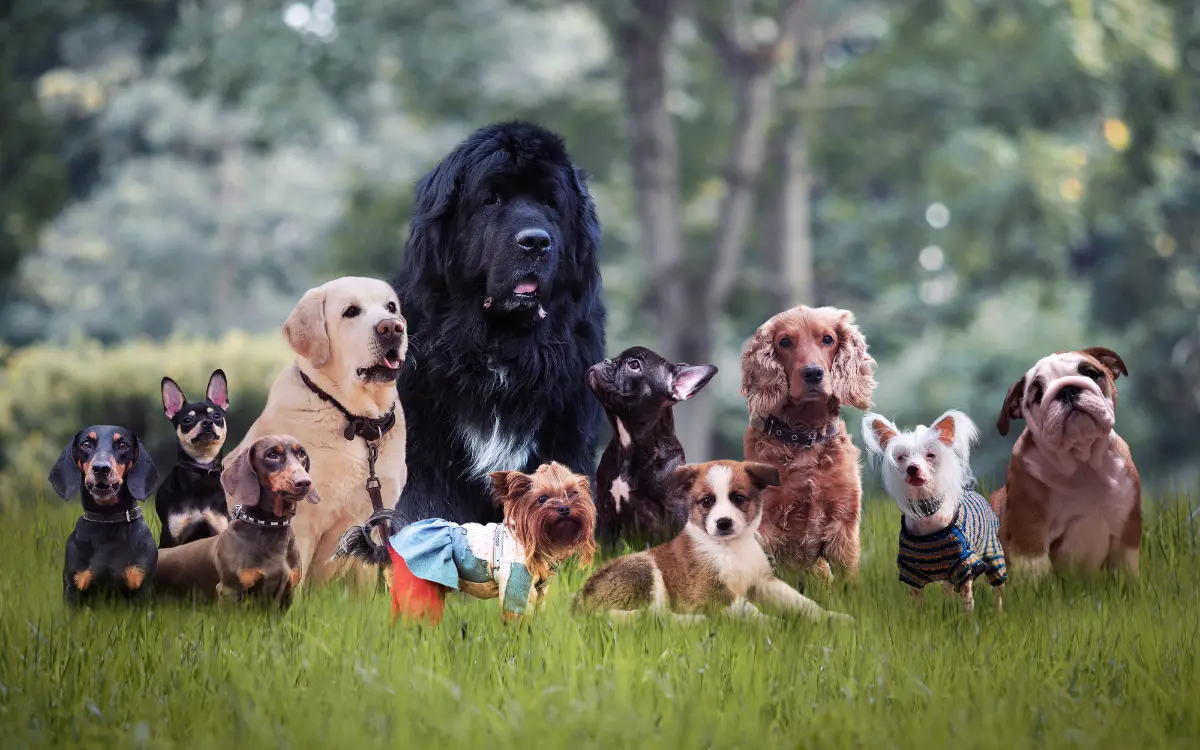
Credit: www.newsweek.com
Frequently Asked Questions
What Defines A Dog Breed?
A dog breed is a group of dogs with specific physical traits and behaviors. Breeds share common ancestry and genetics. Each breed has unique characteristics like size, coat, and temperament. Understanding breeds helps match dogs to owners’ lifestyles and needs.
How Many Dog Breeds Exist Worldwide?
There are over 340 recognized dog breeds globally. Different organizations may list varying numbers. Each breed serves specific roles, from working to companionship. New breeds continue to develop through selective breeding practices.
Why Do Dog Breeds Vary So Much?
Dog breeds vary due to selective breeding for traits. Humans bred dogs for tasks like hunting or guarding. This created differences in size, coat, and behavior. Breed diversity helps meet various human needs and environments.
How To Choose The Right Dog Breed?
Choosing the right dog breed depends on lifestyle and preferences. Consider size, energy level, grooming needs, and temperament. Research breeds to find one that fits your home and schedule. Matching breed traits with your life ensures a happy pet.
Conclusion
Dog breeds come in many shapes and sizes. Each breed has its own traits and needs. Choosing the right breed helps you enjoy your pet more. Dogs bring joy, love, and friendship to life. Learning about breeds makes dog care easier.
Explore breeds to find the best match for you. Every dog deserves a caring and happy home. Understanding breeds helps build a strong bond. Dogs are wonderful companions for all ages.


