Are you tired of sneezing, itchy eyes, or constant allergies every time you’re around dogs? You’re not alone.
Many people love dogs but worry about allergic reactions. The good news is, some dog breeds are hypoallergenic, meaning they cause fewer allergy problems. If you want to enjoy the company of a furry friend without the discomfort, this guide is for you.
Keep reading to discover which dog breeds can fit perfectly into your life—and your home—without triggering your allergies.
Hypoallergenic Dog Traits
Hypoallergenic dog traits help reduce allergic reactions in sensitive people. These dogs shed less hair and dander. Their coats trap more allergens, so fewer spread in the air. People with allergies often find these dogs easier to live with.
Not all hypoallergenic dogs are the same. Some have curly hair, others have hair that grows slowly. These traits limit the amount of loose hair and skin flakes. Less shedding means fewer allergens around the home.
What Makes A Dog Hypoallergenic
Hypoallergenic dogs usually shed little or no hair. Their fur grows in a way that holds dander close. This keeps allergens from floating in the air. Some breeds have tight curls or wavy hair. These coat types trap dander better than straight hair.
Many hypoallergenic dogs need regular grooming. This helps remove loose hair and dander. Grooming lowers allergen levels on the dog’s coat. Some breeds also produce less saliva, another allergen source.
Common Allergens In Dogs
Dog allergens come from skin flakes, saliva, and urine. Dander, tiny skin flakes, is the main cause of allergies. It sticks to fur and spreads when dogs shed. Saliva allergens transfer when dogs lick themselves or people.
Urine allergens can spread indoors, especially from untrained dogs. Allergens stick to furniture, clothes, and carpets. Reducing shedding and dander helps control these allergens. Hypoallergenic dogs produce fewer flakes and shed less.
Credit: www.woofblankets.com
Top Hypoallergenic Breeds
Hypoallergenic dog breeds cause fewer allergic reactions. These dogs shed less or produce less dander. People with allergies find them easier to live with. Below are some popular hypoallergenic breeds. Each has unique traits and charm.
Poodle And Its Varieties
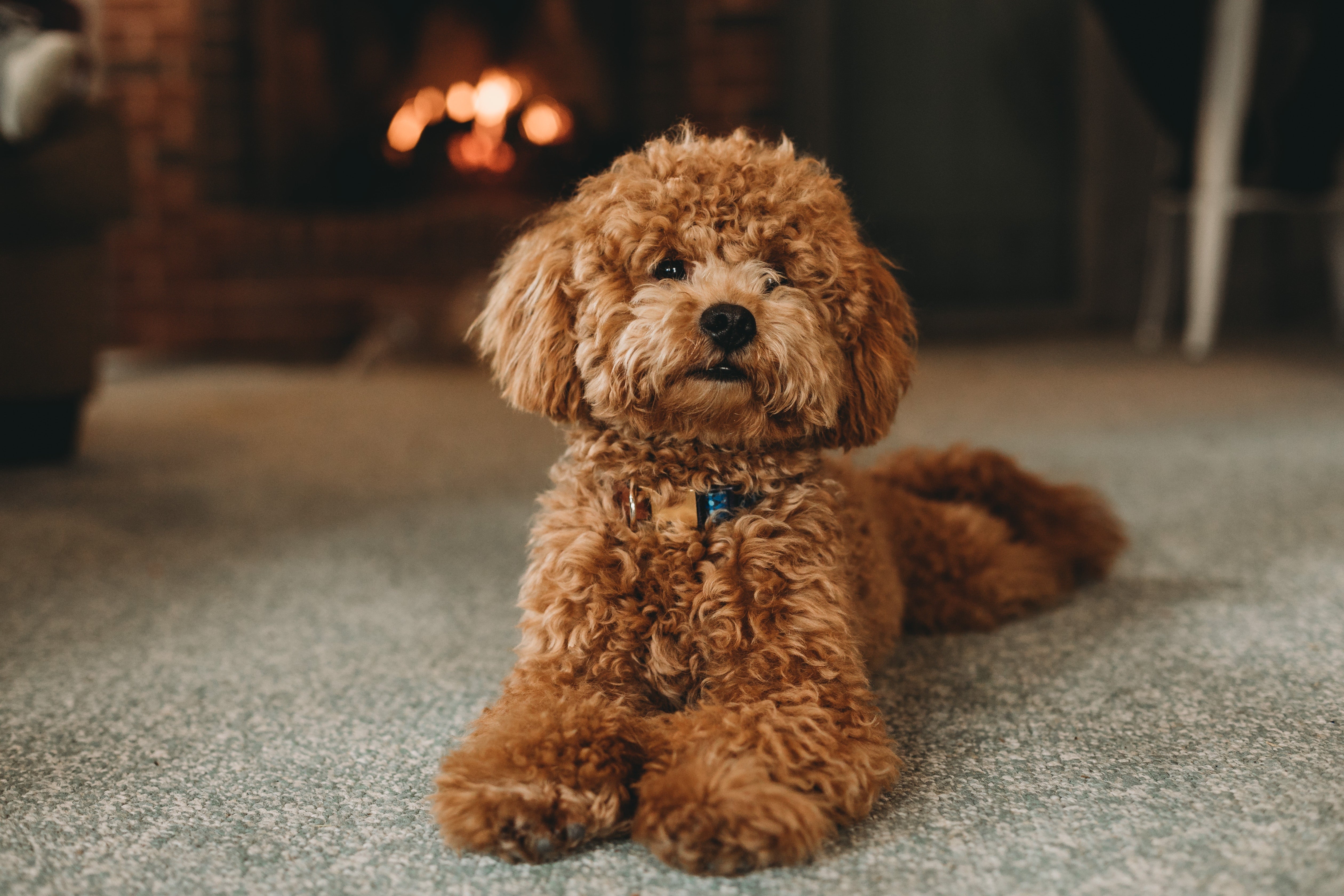
Poodles are famous for their curly, low-shedding coats. They come in three sizes: standard, miniature, and toy. Poodles are smart and easy to train. Their coat needs regular grooming to avoid mats.
Bichon Frise
Bichon Frises have soft, fluffy coats that shed little. They are friendly and playful dogs. Their small size makes them great for apartments. Regular brushing keeps their coat healthy.
Maltese
Maltese dogs have long, silky hair that sheds very little. They are gentle and loving companions. They suit people who want a small, calm dog. Daily grooming is needed to keep their coat smooth.
Portuguese Water Dog
This breed has curly, water-resistant fur that sheds minimally. They are active and love swimming. Portuguese Water Dogs need exercise and mental challenges. Their coat requires regular brushing.
Schnauzer
Schnauzers come in three sizes: standard, miniature, and giant. Their wiry coat sheds little and traps dander. Schnauzers are alert and protective family dogs. Grooming includes trimming and brushing.
Shih Tzu
Shih Tzus have long, flowing coats that shed minimally. They are affectionate and enjoy being indoors. Their coat needs frequent grooming to avoid tangles. They are good companions for allergy sufferers.
Havanese
Havanese dogs have soft, wavy hair with low shedding. They are social and adapt well to family life. Regular brushing keeps their coat free of mats. Havanese are cheerful and easy to train.
Yorkshire Terrier
Yorkshire Terriers have fine, silky hair that sheds very little. They are small but confident dogs. Yorkies need regular grooming to maintain their coat. They make great pets for allergy-sensitive people.
Living With Allergy-friendly Dogs
Living with allergy-friendly dogs can be a joyful experience. These breeds shed less dander, which often causes allergic reactions. Choosing a hypoallergenic dog helps many people enjoy pet companionship without constant sneezing or itching. Still, managing allergies needs care and attention every day.
Grooming Tips To Reduce Allergens
Regular grooming lowers dander and loose hair. Brush your dog’s coat at least twice a week. Use a vacuum or damp cloth to catch shed hair. Bathing your dog once a month helps remove allergens from the skin. Choose gentle shampoos made for sensitive skin. Keep your dog’s nails trimmed to avoid scratches that can irritate your skin.
Cleaning And Home Environment
Clean your home often to reduce allergens in the air. Vacuum floors and furniture with a HEPA filter vacuum cleaner. Wash your dog’s bedding weekly in hot water. Use air purifiers to trap pet dander. Avoid carpets if possible, as they hold allergens. Keep your dog out of bedrooms and off couches to limit allergen spread.
Managing Allergy Symptoms
Talk to your doctor about allergy medicines that suit you. Over-the-counter antihistamines can ease sneezing and itching. Nasal sprays may help reduce congestion. Keep tissues and eye drops nearby for quick relief. Monitor your symptoms and note what triggers them most. This helps adjust your routine for better comfort.
Credit: www.pethonesty.com
Choosing The Right Breed
Choosing the right hypoallergenic dog breed is key to enjoying a happy pet life. Different breeds have unique needs and traits. Picking a dog that fits your daily routine helps both you and your pet. Consider your home, activity, and personality to find the best match.
Lifestyle Considerations
Think about your daily schedule and how much time you have for a dog. Some breeds need lots of attention and grooming. Others are more independent and low maintenance. Make sure the breed suits your work hours and family life. This helps prevent stress for you and your dog.
Activity Levels And Temperament
Dogs have different energy levels. Some breeds are very active and love to play outdoors. Others prefer quiet time and short walks. Choose a breed that matches your energy. Temperament matters too. Friendly and calm dogs fit well in homes with kids or seniors.
Size And Space Needs
Space at home affects your dog choice. Small breeds need less room and can live in apartments. Large breeds need yards or more open space. Think about your living area and pick a breed that feels comfortable there. This keeps your dog happy and healthy.

Credit: www.reddit.com
Frequently Asked Questions
What Does Hypoallergenic Dog Breed Mean?
A hypoallergenic dog breed produces fewer allergens than others. These breeds shed less dander, reducing allergy symptoms. They are ideal for people with dog allergies who still want a pet. However, no dog is completely allergen-free.
Which Dog Breeds Are Best For Allergy Sufferers?
Popular hypoallergenic dog breeds include Poodles, Bichon Frises, and Maltese. Other options are Portuguese Water Dogs and Schnauzers. These breeds have minimal shedding and dander. Choosing the right breed helps minimize allergic reactions significantly.
Are Hypoallergenic Dogs Completely Allergy-free?
No dog breed is 100% allergy-free. Hypoallergenic breeds reduce allergens but do not eliminate them. Allergy severity varies per person and dog. Proper grooming and cleaning also help control allergens in your home.
How Do Hypoallergenic Dogs Help With Allergies?
Hypoallergenic dogs shed less hair and dander. This lowers airborne allergens in your living space. They require regular grooming to maintain low allergen levels. This makes living with allergies more manageable for sensitive individuals.
Conclusion
Choosing a hypoallergenic dog breed can help reduce allergy problems. Breeds like Poodles, Bichon Frises, and Maltese shed less hair and dander. This means fewer allergens in your home. Remember, no dog is fully allergy-free, but some breeds are better.
Spend time with a dog before adopting to see how you react. Clean your home often to keep allergens low. Enjoy the love and joy a dog brings, without constant sneezing. Finding the right breed makes living with allergies easier and happier.