
Have you ever wondered how often your dog really needs grooming? Keeping your furry friend clean and healthy goes beyond just looking good—it affects their comfort, skin health, and even happiness.
But with so many different breeds and coat types, it’s easy to feel confused about the best grooming schedule. You’ll discover the simple truth about how often your dog should be groomed to stay happy and healthy. Stick around—you’ll find tips that make grooming easier for both you and your pet.
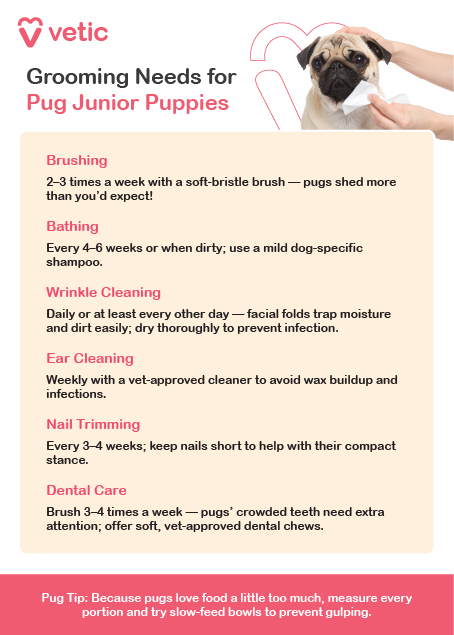
Credit: vetic.in
Factors Affecting Grooming Frequency
Grooming frequency for dogs depends on many factors. Each dog is unique, so their grooming needs vary. Understanding these factors helps keep your dog clean and healthy. It also prevents skin problems and matting.
Breed And Coat Type
Different breeds have different coat types. Some dogs have short, smooth fur. Others have long, thick coats. Long-haired dogs usually need grooming more often. Their fur can tangle and mat quickly. Short-haired dogs need less frequent grooming. Their coat is easier to maintain.
Age And Health
Young puppies need gentle grooming to get used to it. Older dogs might need more frequent grooming. Their skin can be sensitive or dry. Dogs with health issues may need special care. Skin infections or allergies can affect grooming needs. Regular grooming helps spot health problems early.
Activity Level
Active dogs get dirty faster. Dogs that play outside daily need more grooming. Dirt, mud, and debris can get stuck in their fur. Less active dogs stay cleaner longer. Their grooming schedule can be less frequent. Keep grooming consistent to maintain hygiene and comfort.
Signs Your Dog Needs Grooming
Dogs need grooming to stay healthy and happy. Sometimes, signs show that grooming is overdue. Knowing these signs helps you take care of your dog on time. This keeps your dog comfortable and prevents health problems.
Matting And Tangling
Look for clumps of fur that stick together. Mats can pull on your dog’s skin and cause pain. Tangled hair traps dirt and moisture. This creates a perfect place for infections. Regular brushing stops mats from forming.
Odor And Dirt
A bad smell coming from your dog is a clear sign. Dirt and oils build up on the coat. This makes your dog smell unpleasant. Bathing and cleaning the fur remove the grime. A clean dog feels fresh and smells good.
Skin Irritations
Watch for redness, bumps, or dry patches on the skin. These can mean your dog needs grooming. Dirt and mats can irritate the skin and cause itching. Grooming helps keep the skin healthy and clean. It can stop skin problems from getting worse.
Recommended Grooming Schedule
Keeping your dog clean and healthy needs a good grooming plan. Grooming helps avoid skin problems and keeps your dog comfortable. The right schedule depends on the dog’s coat type and special needs. Regular grooming also helps catch health issues early. Here is a simple guide to grooming your dog based on their hair type and care needs.
Short-haired Dogs
Short-haired dogs usually need grooming less often. Brushing once a week removes loose hair and dirt. Bathing every two to three months keeps their skin fresh. Nail trimming every few weeks is important. Check ears and teeth during grooming to prevent problems.
Long-haired Dogs
Long-haired dogs need more frequent grooming. Brushing several times a week stops mats and tangles. Bathing every four to six weeks keeps their coat clean. Haircuts may be needed every six to eight weeks. Regular grooming prevents skin issues and keeps the coat shiny.
Special Grooming Needs
Some dogs need special care due to their breed or health. Dogs with curly or thick coats need extra brushing. Older dogs may need gentler grooming. Dogs with skin problems need specific shampoos and care. Consult a vet or groomer for special grooming advice.

Credit: usapetgrooming.com
Essential Grooming Tasks
Essential grooming tasks keep dogs healthy and comfortable. Regular care helps prevent skin problems and infections. It also keeps dogs looking clean and happy. Each task plays a vital role in your dog’s well-being.
Understanding these tasks helps pet owners create a grooming routine. This routine suits your dog’s breed, age, and lifestyle. Let’s explore the key grooming steps every dog needs.
Bathing
Bathing removes dirt, oils, and odors from your dog’s coat. The frequency depends on your dog’s activity and coat type. Use dog-friendly shampoo to avoid skin irritation. Dry your dog well to prevent chills and infections.
Brushing
Brushing removes loose hair and prevents matting. It spreads natural oils for a shiny coat. Long-haired dogs need daily brushing, while short-haired dogs need it weekly. Regular brushing also helps spot ticks or skin issues early.
Nail Trimming
Nail trimming prevents overgrowth that can cause pain or walking issues. Trim nails every 3 to 4 weeks or as needed. Use proper dog nail clippers and avoid cutting the quick. If unsure, ask a vet or groomer for help.
Ear Cleaning
Ear cleaning prevents infections and removes wax buildup. Check ears weekly for dirt, redness, or bad smell. Use vet-approved ear cleaner and cotton balls. Avoid inserting anything deep into the ear canal.
Diy Grooming Vs. Professional Services
Deciding between DIY grooming and professional services depends on your dog’s needs and your skills. Grooming at home can save money and build a bond. Professionals offer expertise and tools for a thorough clean. Both options have their place in keeping dogs healthy and happy.
Benefits Of Home Grooming
Grooming your dog at home saves money and time. It helps you notice changes in your dog’s skin or coat. Regular brushing reduces shedding and prevents mats. Home grooming strengthens your bond with your pet. You control the pace and comfort during grooming sessions.
When To Visit A Groomer
Professional grooming suits dogs with thick or long coats. Groomers handle difficult tasks like nail trimming and ear cleaning. They spot health issues early, such as skin infections or parasites. Visit a groomer for breed-specific cuts or styles. Busy owners find professional grooming saves time and effort.
Choosing The Right Groomer
Look for groomers with good reviews and experience. Check if they handle your dog’s breed and size well. Ask about their cleaning and safety procedures. A good groomer treats dogs with patience and care. Visit the salon to see the environment before booking.

Credit: www.reddit.com
Tips For Stress-free Grooming
Grooming can be a stressful time for dogs and owners alike. Keeping the experience calm helps your dog feel safe and relaxed. Simple steps make grooming easier and more pleasant. These tips help reduce stress and create a positive routine.
Creating A Calm Environment
Choose a quiet room with little noise and few distractions. Soft lighting soothes your dog’s eyes. Speak softly and calmly during grooming. Take breaks if your dog seems restless or nervous. A calm space helps your dog stay relaxed.
Using Proper Tools
Use brushes and combs suited for your dog’s coat type. Sharp scissors or clippers make grooming faster and smoother. Clean tools prevent pulling or hurting your dog. Comfortable tools reduce stress and discomfort. Prepare everything before starting to avoid pauses.
Rewarding Your Dog
Give treats during and after grooming to encourage good behavior. Praise your dog with gentle words and petting. Small rewards build positive associations with grooming. Rewarding helps your dog stay happy and cooperative. Keep treats ready and use them often.
Frequently Asked Questions
How Often Should I Groom My Dog?
Most dogs benefit from grooming every 4 to 8 weeks. Frequency depends on breed, coat type, and activity level. Regular grooming prevents mats, reduces shedding, and keeps skin healthy. Consult your vet or groomer to create a schedule tailored to your dog’s needs.
Does Grooming Frequency Depend On Dog Breed?
Yes, grooming frequency varies by breed. Long-haired breeds need grooming every 4 to 6 weeks. Short-haired dogs may only require grooming every 8 to 12 weeks. Always consider your dog’s coat type and lifestyle to determine the best grooming routine.
Can Grooming Prevent Health Issues In Dogs?
Regular grooming helps spot skin problems early. It reduces risks of infections, mats, and parasites. Grooming also promotes healthy coat and skin. It’s an important part of your dog’s overall health care routine.
What Are Signs My Dog Needs Grooming Sooner?
Look for mats, excessive shedding, or foul odor. Scratching, itching, and visible dirt also indicate grooming is needed. If your dog’s nails are clicking on the floor, it’s time for a trim. Early grooming keeps your dog comfortable and healthy.
Conclusion
Regular grooming keeps dogs healthy and happy. Different breeds need different grooming times. Short-haired dogs may need less care. Long-haired dogs require more frequent grooming. Watch your dog’s coat and skin closely. Clean ears and trimmed nails matter too. Grooming helps spot health problems early.
Make grooming a calm and fun routine. Your dog will feel comfortable and loved. Keep grooming consistent to avoid matting and dirt. A clean dog is a happy dog. Simple care helps your dog look and feel great.


