

Are you curious about which dog breeds are known to show aggressive behavior? Understanding this can help you make safer choices for yourself, your family, and your furry friends.
Whether you’re thinking about bringing a dog into your home or just want to be more informed, knowing which breeds tend to be more aggressive can protect you from unexpected situations. Keep reading to discover the facts that could change how you see certain dogs—and keep you prepared.
Credit: spotpet.com
Traits Linked To Aggression
Understanding traits linked to aggression in dogs helps us know their behavior better. Aggression is not just one thing. It comes from many factors working together. These traits can be found in a dog’s genes, the environment, and how it is trained.
Knowing these traits helps owners care for dogs properly. It also helps prevent aggressive actions.
Genetics And Temperament
Some dog breeds inherit traits that make them more alert or protective. These traits can sometimes show as aggression. Genetics affect how a dog reacts to people and other animals. Temperament is the natural mood or behavior of a dog. It varies between breeds and individuals. Some dogs are naturally calm, while others are more reactive. Genes play a big role but do not decide everything.
Environmental Influences
The place where a dog grows up changes its behavior. Dogs raised in stressful or unsafe environments may act aggressively. Lack of proper care or neglect can increase fear and anxiety. These feelings often lead to defensive aggression. A calm and safe environment helps dogs feel secure and less likely to attack. Social exposure to different people and animals also shapes behavior.
Training And Socialization Impact
How a dog is trained shapes its reactions. Positive training builds trust and good behavior. Poor or harsh training may cause fear or aggression. Early socialization helps dogs learn to behave with others. Dogs that meet many people and animals early on tend to be friendlier. Training and socializing reduce aggressive tendencies and improve a dog’s life.
Credit: www.ipetprints.com
Top 10 Most Dangerous Dogs
Some dog breeds have a reputation for being more aggressive than others. This does not mean these dogs are always dangerous. Often, training and environment play a big role. Still, certain breeds have traits that can make them more prone to aggression. Knowing these breeds helps owners take extra care.
The list below shows the top 10 most dangerous dogs. These breeds need responsible handling. They can be loyal and loving with proper training.
Breed 1: Pit Bull Terrier
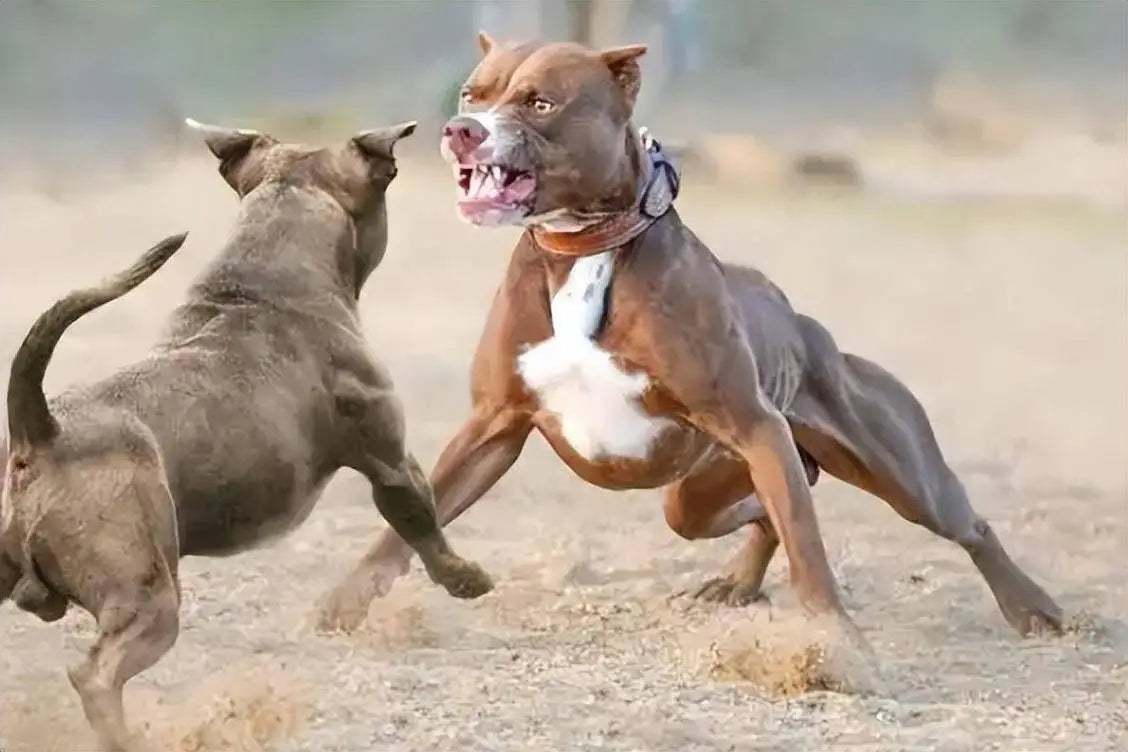
Pit Bulls are strong and muscular dogs. They have a high pain tolerance. These dogs can be very protective of their family. Without proper training, they may show aggression towards strangers.
Breed 2: Rottweiler
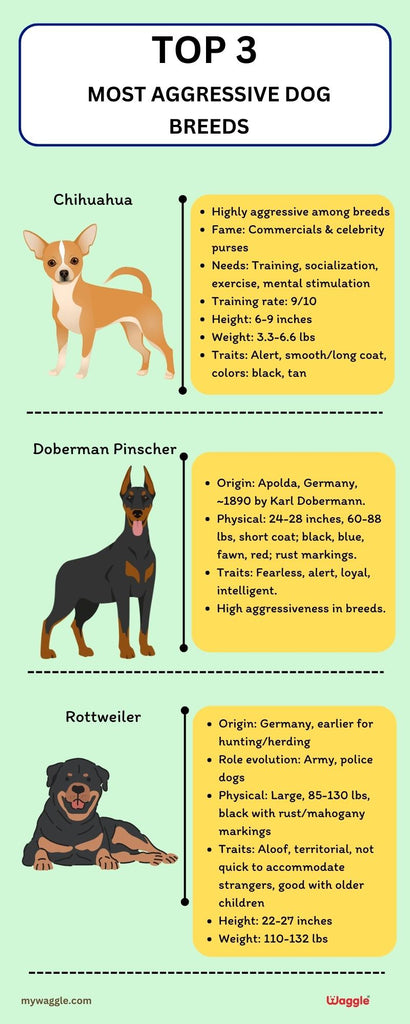
Rottweilers are large and powerful dogs. They are natural guard dogs. Their strength can make them dangerous if they are not socialized well. They need firm and consistent training from an early age.
Breed 3: German Shepherd
German Shepherds are smart and loyal. They often work as police or service dogs. Their protective nature can lead to aggression if they feel threatened. Proper socialization helps reduce aggressive behavior.
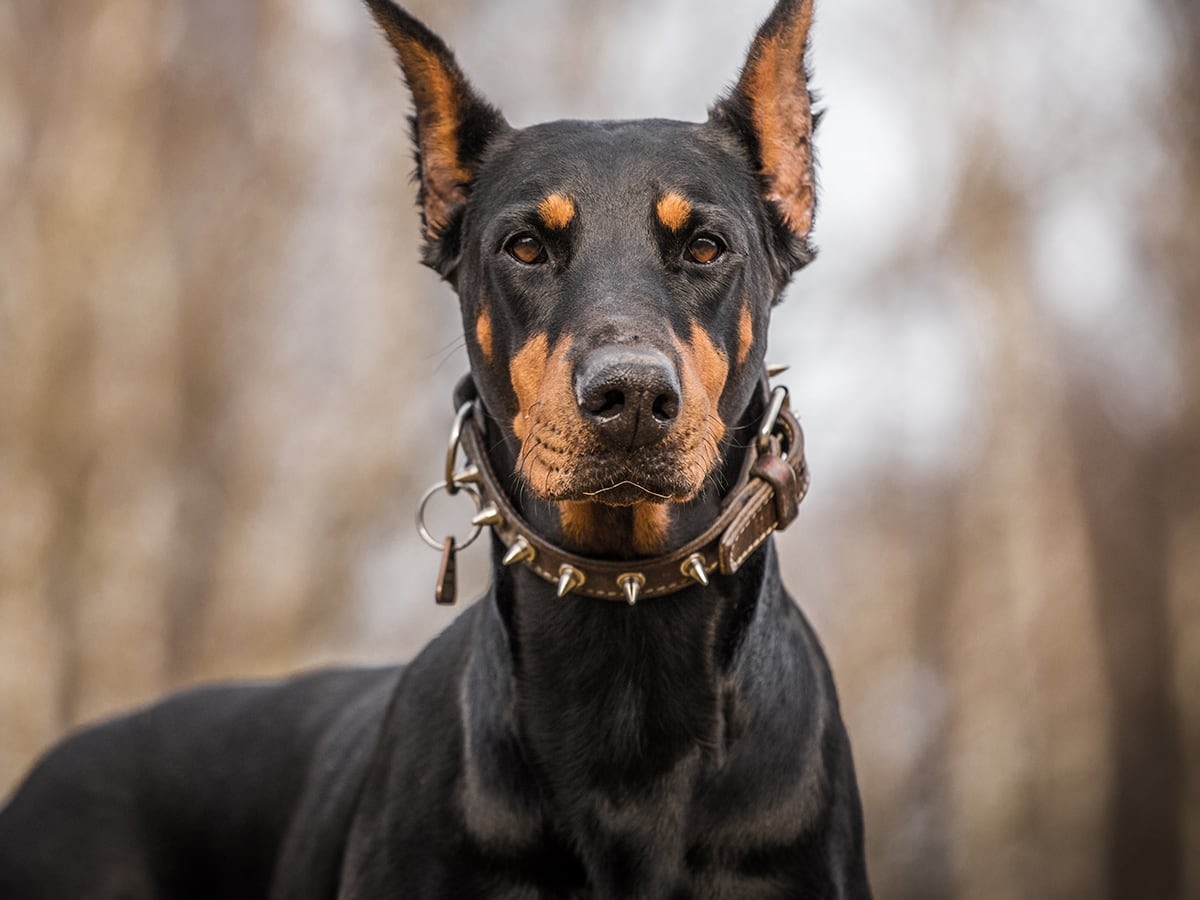
Breed 4: Doberman Pinscher
Dobermans are alert and fast. They make excellent guard dogs. Their loyalty is strong, but they can be aggressive with strangers. Early training and socialization are essential for this breed.
Breed 5: Bullmastiff
Bullmastiffs are large and powerful. They were bred to guard estates. They can be very protective and territorial. Without training, they may act aggressively toward intruders or strangers.
Breed 6: Husky
Huskies are energetic and strong-willed dogs. They are not naturally aggressive but can be stubborn. Lack of training may cause them to act out or become difficult to control.
Breed 7: Alaskan Malamute
Alaskan Malamutes are large and strong. They are friendly but can be dominant. Without proper training, they may show aggressive behavior, especially toward other dogs.
Breed 8: Wolfdog
Wolfdogs are hybrids of wolves and domestic dogs. Their wild nature can make them unpredictable. They need experienced owners to handle their strong instincts and behaviors.
Breed 9: Akita
Akitas are powerful and independent dogs. They are loyal but can be aggressive to other animals. Socializing them early helps reduce aggressive tendencies.
Breed 10: Chow Chow
Chow Chows have a strong protective instinct. They can be aloof and suspicious of strangers. Proper training is necessary to manage their aggressive traits.
Factors Behind Aggressive Behavior
Understanding why some dog breeds show aggressive behavior is important. Aggression is not just about breed. Many factors influence a dog’s behavior. These factors affect how a dog acts around people and other animals. Learning about these causes helps owners manage and train their dogs better.
Fear And Anxiety
Fear is a common cause of aggression in dogs. A scared dog may bite to protect itself. Anxiety can make a dog nervous and reactive. Sudden noises or new situations increase stress. Dogs with anxiety may growl or snap to keep distance.
Protective Instincts
Some dogs are naturally protective. They guard their home, family, or toys. This can look like aggression to strangers. Protective instincts help dogs feel safe. But if not controlled, they may become overly aggressive. Training helps balance this instinct.
Lack Of Proper Training
Training shapes a dog’s behavior. Without guidance, dogs may not learn limits. Poor training can lead to fear or dominance issues. Dogs need clear rules and socialization. Well-trained dogs are less likely to show aggression.
Preventing Aggression In Dogs
Preventing aggression in dogs is essential for safe and happy homes. Aggression can harm both dogs and people. Understanding ways to reduce aggressive behavior helps all dog owners. Training and socializing dogs early can make a big difference. Recognizing signs of aggression early also keeps situations from getting worse.
Early Socialization Tips
Start socializing your dog as soon as possible. Introduce them to many people and other dogs. Use calm and positive experiences during meetings. Avoid scary or rough encounters that can cause fear. Regular exposure helps dogs feel safe in new places. Social dogs tend to be less aggressive and more confident.
Consistent Training Methods
Use clear and simple commands for training your dog. Reward good behavior with treats or praise. Be patient and consistent every day. Avoid yelling or physical punishment. Consistent training builds trust and respect. Well-trained dogs understand boundaries and behave better.
Recognizing Warning Signs
Watch for growling, stiff body, or showing teeth. These signs show your dog is uncomfortable or stressed. Early recognition helps prevent bites or fights. Respond calmly and remove triggers if possible. Learning your dog’s signals improves safety for everyone.
Legal And Safety Considerations
Understanding legal and safety rules is key when owning any dog breed, especially those known for aggression. Laws help protect the public and guide owners on proper care. Safety steps keep everyone safe and reduce risks.
Knowing these rules helps owners avoid fines and legal trouble. It also creates a safer environment for dogs and people.
Breed-specific Legislation
Some places have laws targeting certain dog breeds. These laws may ban or restrict breeds seen as aggressive. Examples include pit bulls, Rottweilers, and Dobermans. Owners must follow local rules to avoid penalties. Breed-specific laws aim to prevent attacks and protect communities.
Owner Responsibilities
Owners must train and socialize dogs properly. Good training reduces aggressive behavior. Regular exercise and care keep dogs calm and happy. Owners should understand their dog’s needs and signs of stress. Responsible owners prevent problems before they start.
Safety Measures In Public
Using a leash is required in most public places. Muzzles may be needed for certain breeds. Always supervise dogs around strangers and children. Avoid crowded or noisy areas if the dog feels stressed. Safety gear and caution help prevent accidents and injuries.
Credit: opencontabilidade.com
Frequently Asked Questions
What Dog Breeds Are Known To Be Aggressive?
Certain breeds like Pit Bulls, Rottweilers, and German Shepherds are often labeled aggressive. However, aggression varies by individual dog, training, and environment, not just breed.
Are Aggressive Dog Breeds Dangerous To Families?
Aggressive breeds can be safe with proper training and socialization. Responsible ownership and early behavior management are key to preventing dangers.
How Can I Identify Aggressive Behavior In Dogs?
Signs include growling, biting, snarling, raised hackles, and stiff body posture. Early recognition helps prevent escalation and improves safety.
Can Training Reduce Aggression In Certain Dog Breeds?
Yes, consistent training and socialization can significantly reduce aggression. Positive reinforcement and professional help are effective methods.
Conclusion
Aggression in dogs depends on many things, not just breed. Training, socialization, and care shape a dog’s behavior the most. Any dog can be gentle or aggressive, based on how it is raised. Understanding each breed helps, but meeting the dog matters more.
Always treat dogs with respect and patience. This keeps both dogs and people safe and happy. Remember, kindness and care build trust and good behavior in dogs.


